


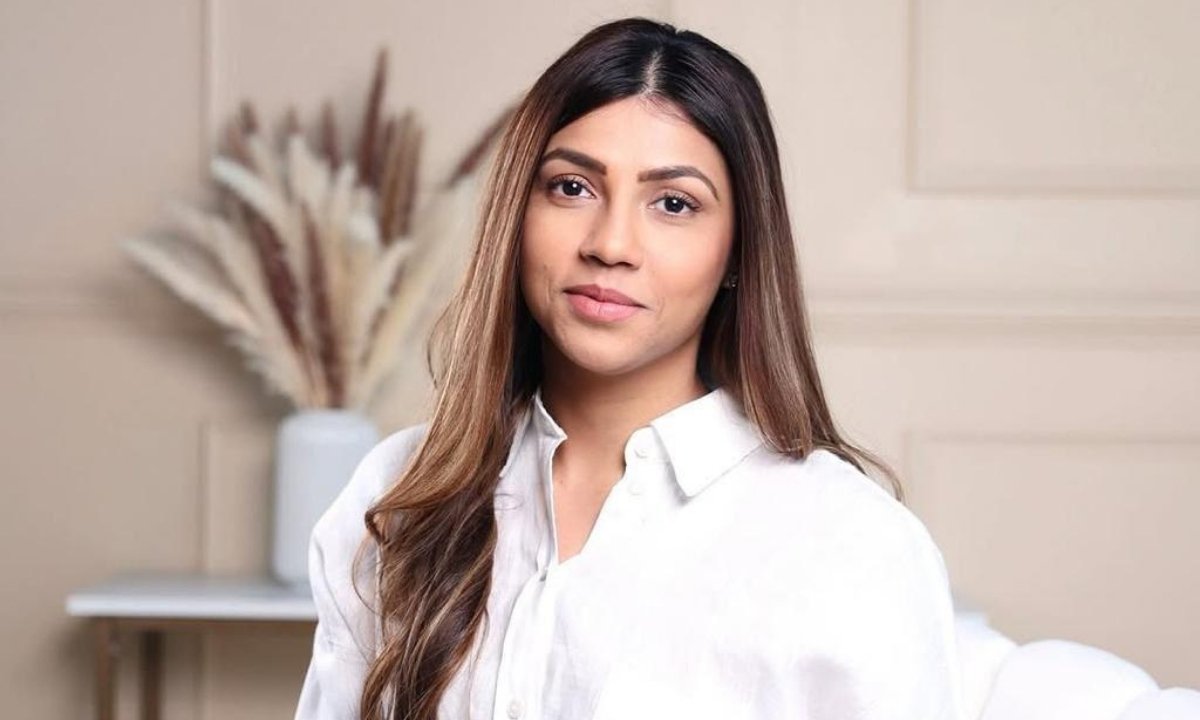
1. Can you take us back to the moment you decided not to “wait your turn” and instead take the lead in your space?
I don’t think it was very dramatic. It was actually a very quiet realisation. After my motorbike accident over a decade ago, rebuilding my body through yoga showed me how transformative this practice could be. I realised that I didn’t just want to participate in the wellness industry, or even the yoga and Ayurveda space, I wanted to help shape it.
When I began noticing gaps in how yoga was being taught, either overly aesthetic or extremely rigid, without room for modern adaptations or bio-individuality, I knew something needed to change. I decided to build something that felt modern yet authentic, deeply traditional but also therapeutic. That was the moment I stopped waiting for permission and chose to take the lead.
2. What does power mean to you personally, and how has that definition evolved through your journey?
For me, power has always meant self-awareness and steadiness. It’s about finding your own calm and being deeply in tune with your mind, body, and soul. Power comes from internal and external alignment, and from having the strength to walk away from things that don’t serve you.
I see power as something very quiet and grounded confidence without noise, presence without force, and strength that doesn’t need validation.
3. Every path has unseen challenges — what’s one obstacle you faced that shaped the leader you are today?
One of the biggest challenges I faced was building a niche in a wellness industry largely driven by trends. At the time, the approach was very much “one size fits all,” while I was advocating for bio-individuality long before it became part of mainstream conversation.
Establishing that credibility was challenging, but it taught me resilience and patience. It also showed me that leadership isn’t about being the loudest person in the room. It’s about consistency, dependability, and earning trust over time. That’s what truly sets you apart from trends: you’re not just riding a wave.
4. In a world that often tries to box women into roles, how have you carved out your own identity and voice?
I’ve never really tried to fit into predefined categories. I’m not just a yoga teacher, I’m also a wellness entrepreneur, an educator, and someone working to build something deeply science-backed into a sustainable business.
I own my identity by acknowledging every part of my journey: being a national gold medalist, an athlete, a swimmer, a pilot, a survivor of a near-fatal accident, and a teacher. These experiences shaped a multidimensional identity rooted in authenticity. When you are specific and honest about who you are, it becomes impossible to be boxed in.
5. Was there a pivotal failure or setback that became a turning point in your growth? What did it teach you?
There have been many, but my motorbike accident was definitely a defining setback in my life. It forced me to slow down, rebuild, and completely pivot.
It taught me patience and resilience and reinforced everything I believe about listening to the body. It showed me that setbacks can redirect your life in powerful ways. Sometimes you have to take two steps back to take five steps forward if you’re willing to see experiences as lessons rather than endings.
6. Who are the women (or mentors) who have influenced your journey, and how have they impacted the way you lead or create?
My mother has been one of my earliest and strongest influences. She has always practised yoga and holistic Ayurvedic principles, and she introduced those practices to me at a very young age.
As an athlete, I also worked with many coaches across different disciplines, which instilled discipline, respect for practice, and consistency early on. Beyond that, I find inspiration in everyone I interact with, every mother, every person navigating hardship, every individual showing up despite challenges. Being exposed to people from so many walks of life has shaped the way I lead and create.
7. What change are you most proud of driving — whether in your industry, community, or within yourself?
I’m most proud of reshaping how people perceive yoga. It’s no longer seen as just flexibility or aesthetics, or something boring and repetitive. Through my work, I’ve emphasised the therapeutic and clinical benefits of mobility, pranayama, nervous system regulation, and long-term well-being.
I’m proud of not chasing trends and encouraging others to view yoga through a more conscious, sustainable, and meaningful lens.
8. For the next generation of women looking up to you, what is one piece of advice you’d give them about owning their space and taking the lead?
Don’t wait to feel ready; clarity comes through action, not before it. Own your knowledge and don’t follow trends unthinkingly. Be the change-maker and believe in what you’re doing.
Once you truly believe in your work, sharing it becomes easier, and you don’t need to convince anyone because you’re living your truth. True leadership isn’t about being the loudest in the room; it’s about leading by example. When you’re creating real impact, people naturally follow.
15 Comments
Pingback: domperidone dosing pediatric
Pingback: generic stendra avanafil
Pingback: avanafil coupon
Pingback: pediatric sildenafil dose
Pingback: vidalista price
Pingback: cialis common name
Pingback: lasix for dogs 12.5 mg
Pingback: dexlansoprazole 60 mg otc
Pingback: furosemide 40 mg tablet generic
Pingback: fluconazole 100 mg tablet for yeast infection
Pingback: dutasteride prescription
Pingback: cipropol
Pingback: atorvastatin calcium 10 mg
Pingback: cefixime 200mg
Pingback: lisinopril 5 mg tablet