

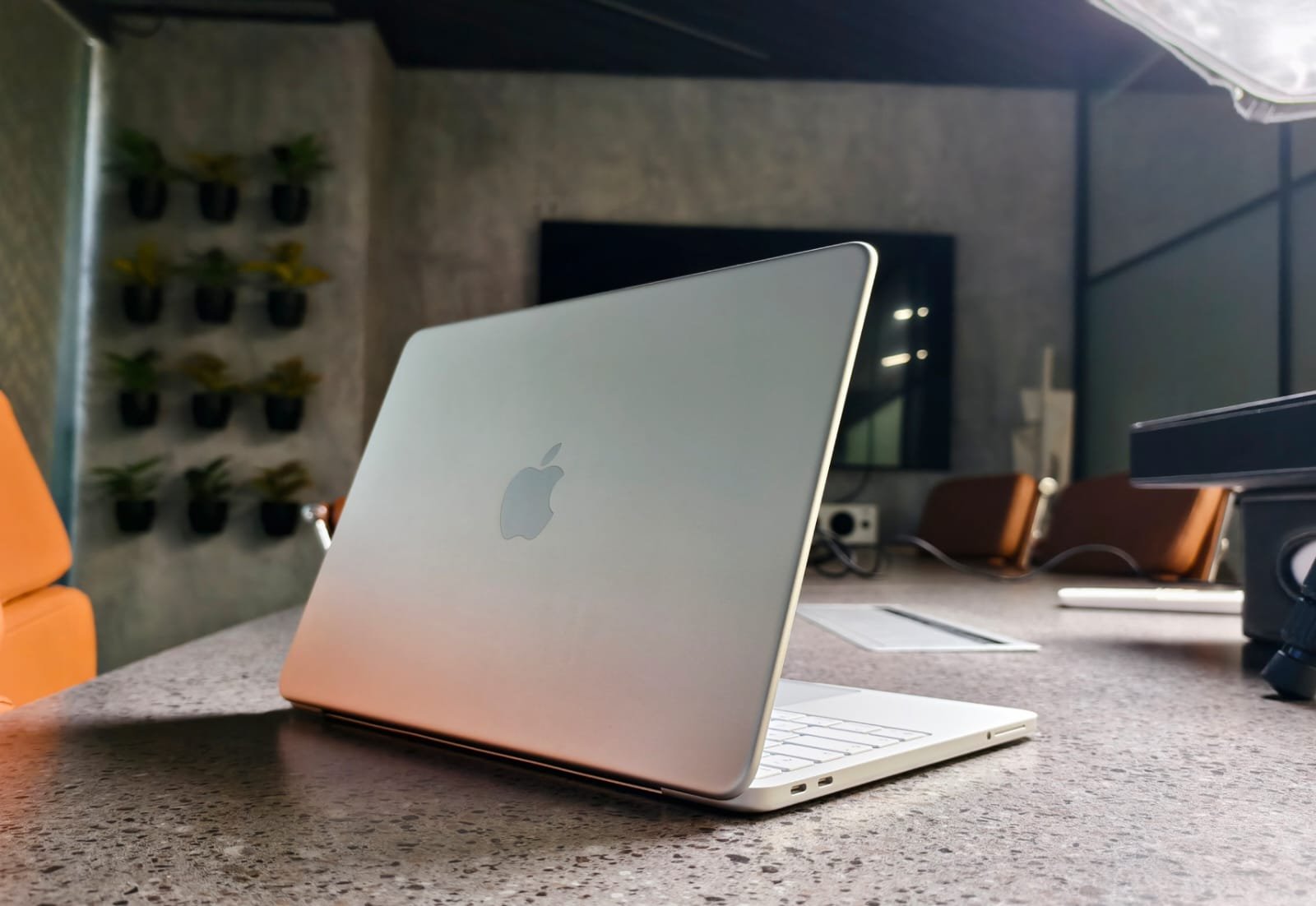
The MacBook Neo has been my daily driver for the past few weeks, and it’s easy to understand why many are calling it a game-changer that may finally dethrone the MacBook Air from its long-standing position in the affordable premium segment. Priced starting at ₹69,900 (and as low as ₹59,900–₹60,000 with a student ID), this is Apple’s most accessible Mac ever. It is aimed at first-time Mac users, students, budding content creators, and anyone frustrated with the bloat of Windows laptops but not willing to spend over a lakh on an Air or Pro model.
Unboxing it felt surprisingly premium, and the durable aluminium chassis in silver (my pick) looks fresh. It is also available in vibrant colours, including indigo, blush, and citrus. It weighs just 1.23 kg, which is lightweight enough for my daily train commutes.
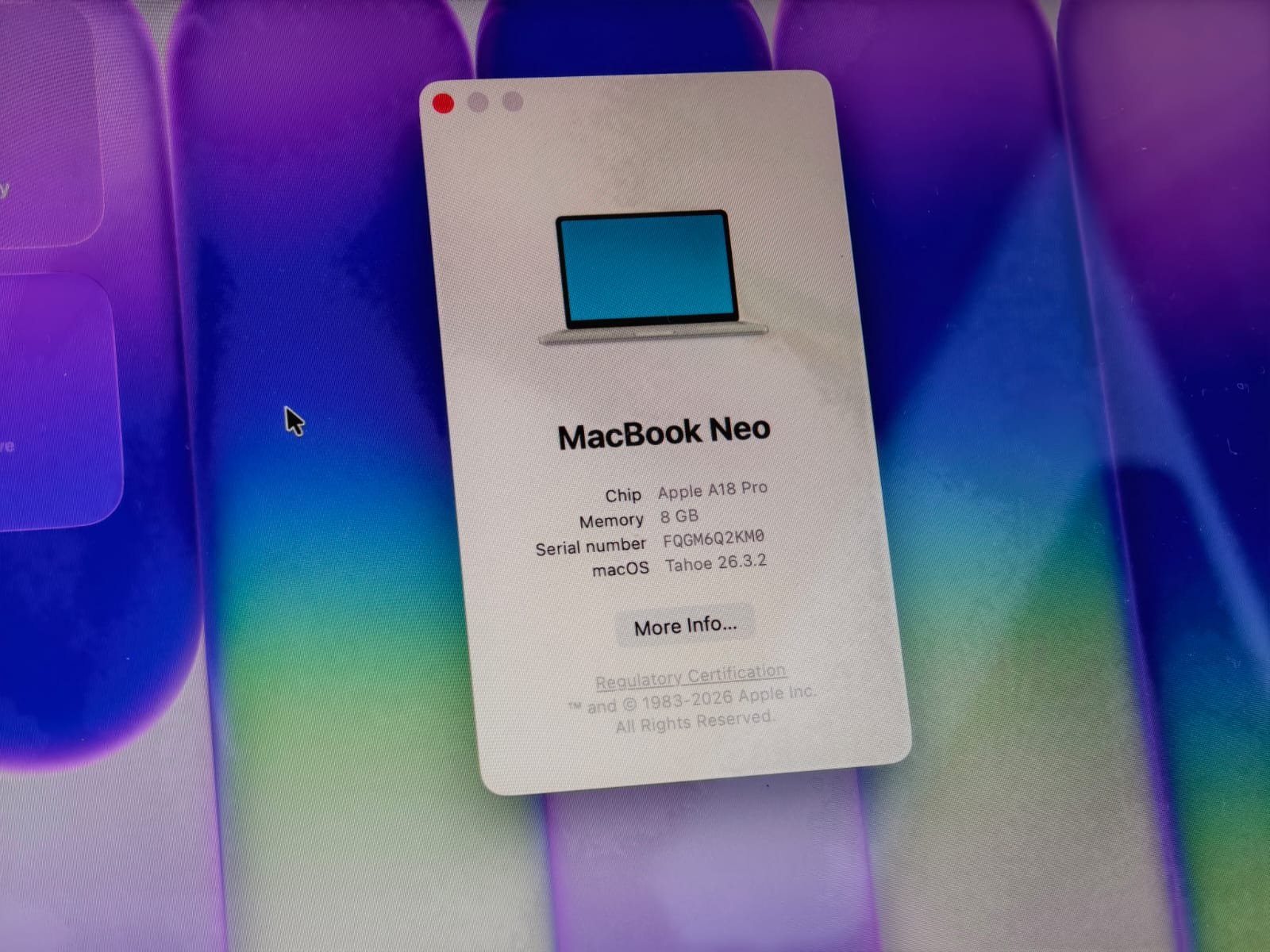
Performance is the star here. The A18 Pro chip (same as the iPhone 16 Pro) handles everyday tasks with surprising ease, like dozens of Chrome tabs staying smooth, light Final Cut Pro edits, and photo tweaks in Lightroom running without hiccups, and on-device AI workloads feel snappy. It’s much faster than comparable Intel-based PCs for web browsing, and the fanless design keeps it completely silent and cool even during extended sessions. I used it regularly at home and at the office. The battery life consistently lasts 14 to 16 hours with mixed usage, including web browsing, streaming, writing articles, and making calls. It easily outlasts most budget Windows competitors I’ve tried.
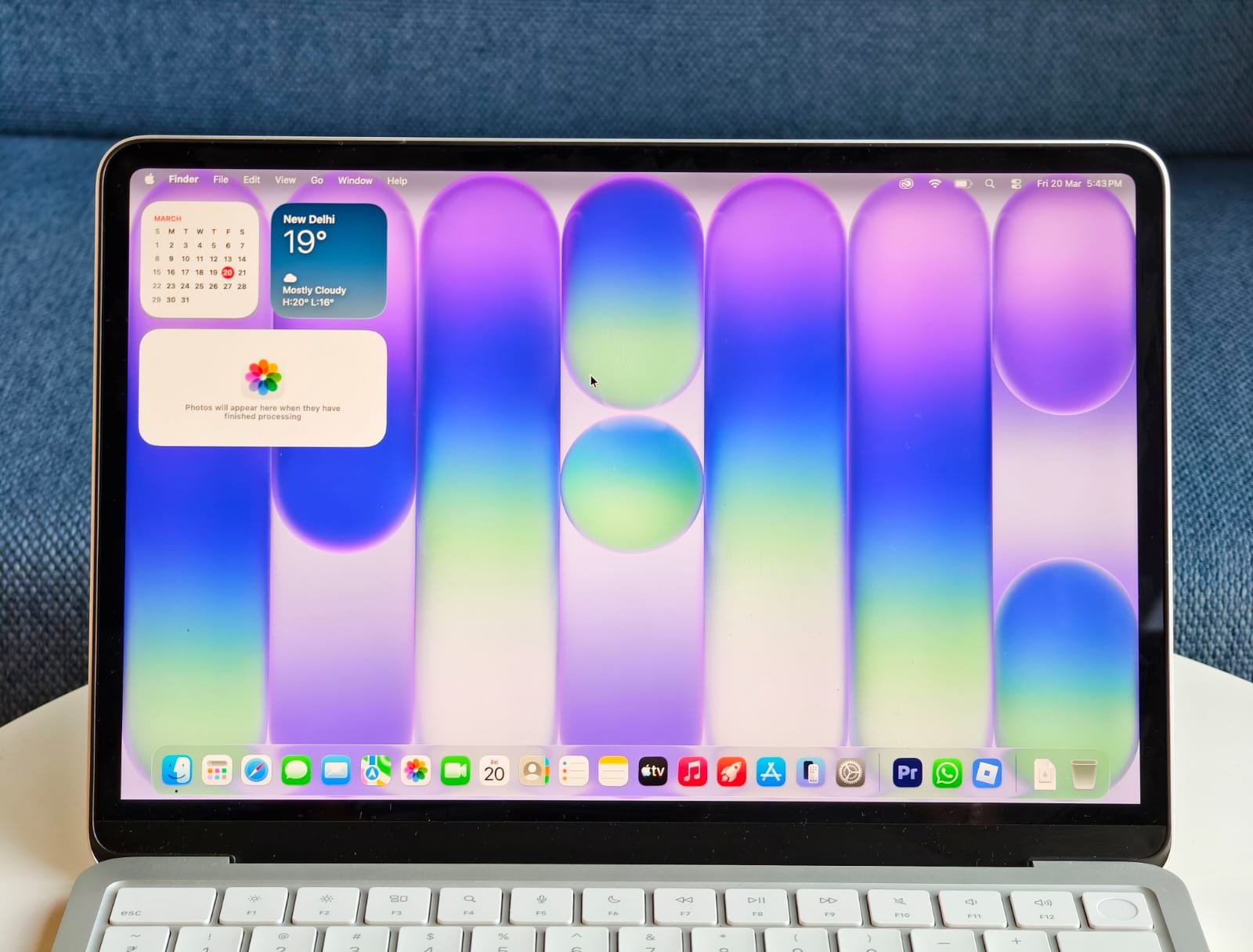
Interestingly, given the price, it offers a premium 13-inch Liquid Retina display (2408×1504, 500 nits, 1 billion colours), which looks vibrant and sharp for movies or editing on my balcony in bright light. Dual side-firing speakers with Spatial Audio deliver immersive sound, and the 1080p FaceTime camera with dual mics makes video calls crisp.
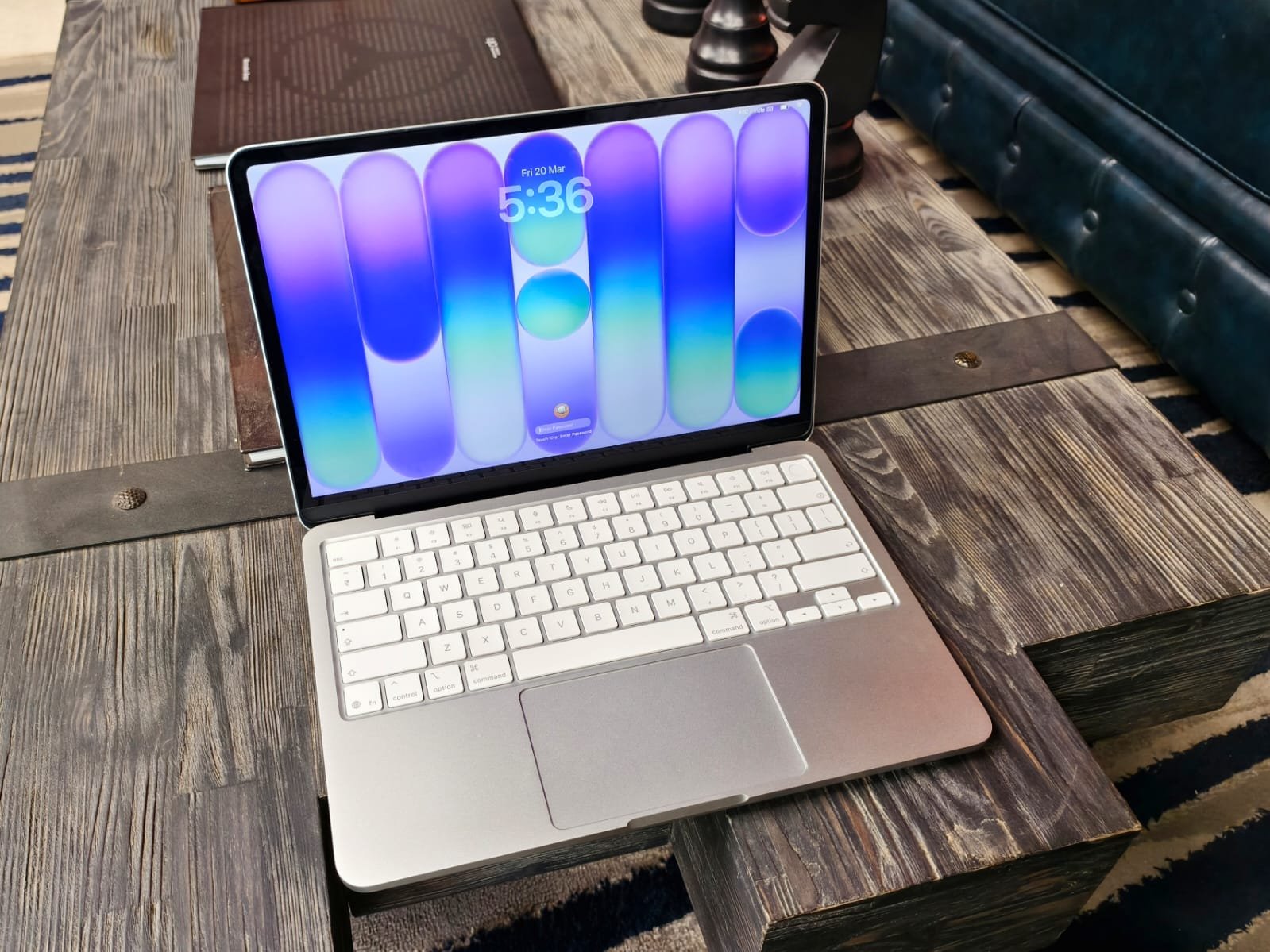
That said, compromises are evident to hit this price. The base model sticks to 8GB unified memory, no upgrades possible, which is fine for browsing, docs, light creative work, and multitasking, but I noticed occasional swapping when juggling heavy apps or large files. If you’re a power user with 30+ tabs plus editing software, it might feel limiting compared to the Air’s 16GB baseline. Storage starts at 256GB (₹69,900) and rises to 512GB (₹79,900) with Touch ID on the power button. It is annoying that the cheaper variant skips it, forcing users to either enter a password or use an iPhone unlock.

The trackpad uses a physical click rather than haptic Force Touch on pricier models. It is responsive but lacks that luxurious floating feel. No keyboard backlighting either, which I miss in dimly lit cafes. Ports are basic (two USB-C, one USB 2.0 speeds), no MagSafe, and the display is smaller at 13 inches versus the Air’s 13.6-inch display.
After heavy use, including writing notes, editing photos and endless web browsing, the MacBook Neo delivers incredible value. It offers all the benefits of the full Mac ecosystem, including a long-lasting battery and a premium build, all at a fraction of the cost of the MacBook Air. While it may not replace the Air for everyone (especially those needing more RAM, better ports, or sustained heavy performance), it is a great option for students or entry-level creators. Overall, I would enthusiastically recommend it, keeping in mind its limitations.