


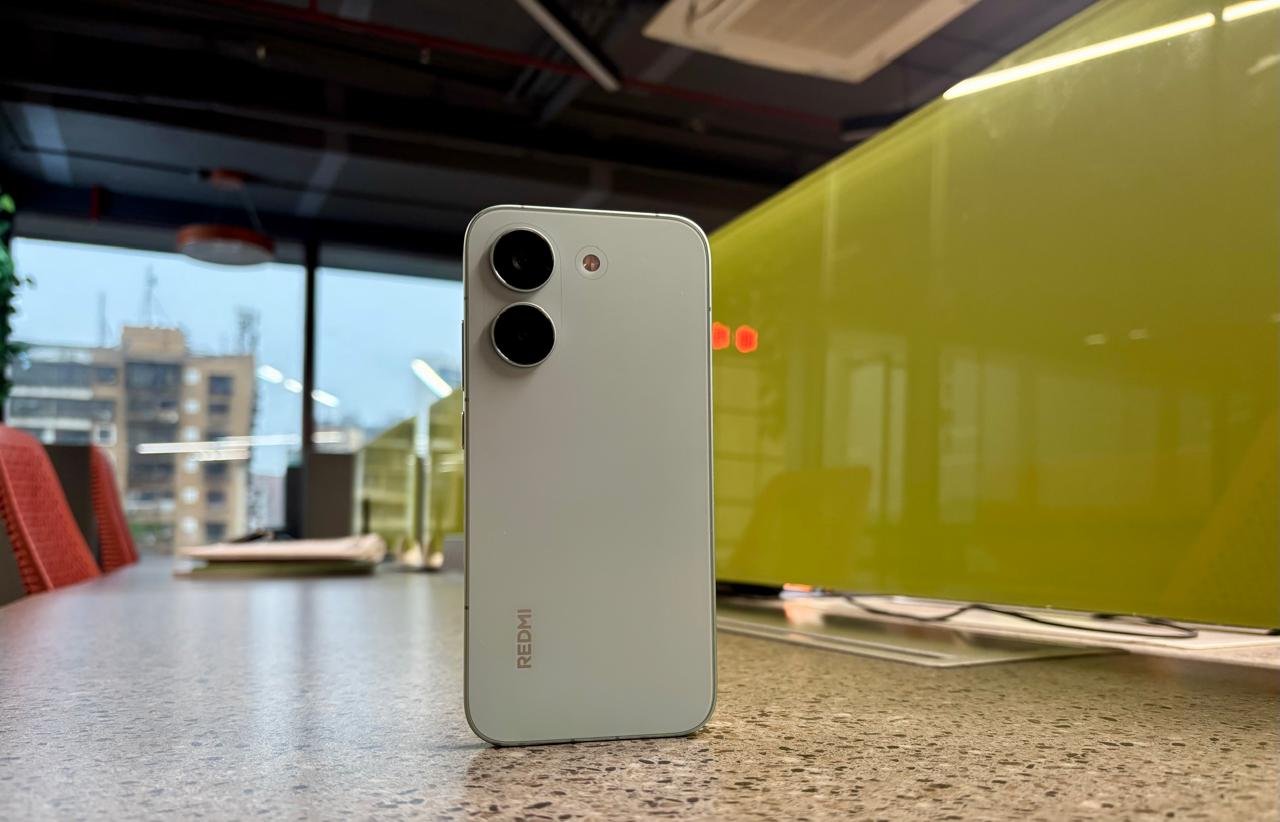
Over the past few years, Redmi has consistently punched above its weight by delivering high-performance devices at competitive prices. The Redmi Turbo 5 continues this legacy as a mid-premium performance flagship tailored for Indian power users, those who juggle gaming, content creation, multitasking, and daily hustle without compromise. After using the device as my primary driver for nearly three weeks, I can confidently share my experience. Like any device in this segment, it has areas for improvement. Here’s my detailed hands-on review.
Build & Design
The Redmi Turbo 5 immediately impresses with its premium aesthetic. At just 8.18mm thick and with a weight that feels perfectly balanced in the hand, it’s one of the most comfortable large phones I’ve used recently. It features dual-sided premium glass with Corning Gorilla Glass 7i on the front, paired with an aerospace-grade metal middle frame that delivers flagship-level rigidity. I tested it in the Nitro Blue variant, and the finish is clean and modern, with subtle branding that doesn’t scream for attention.
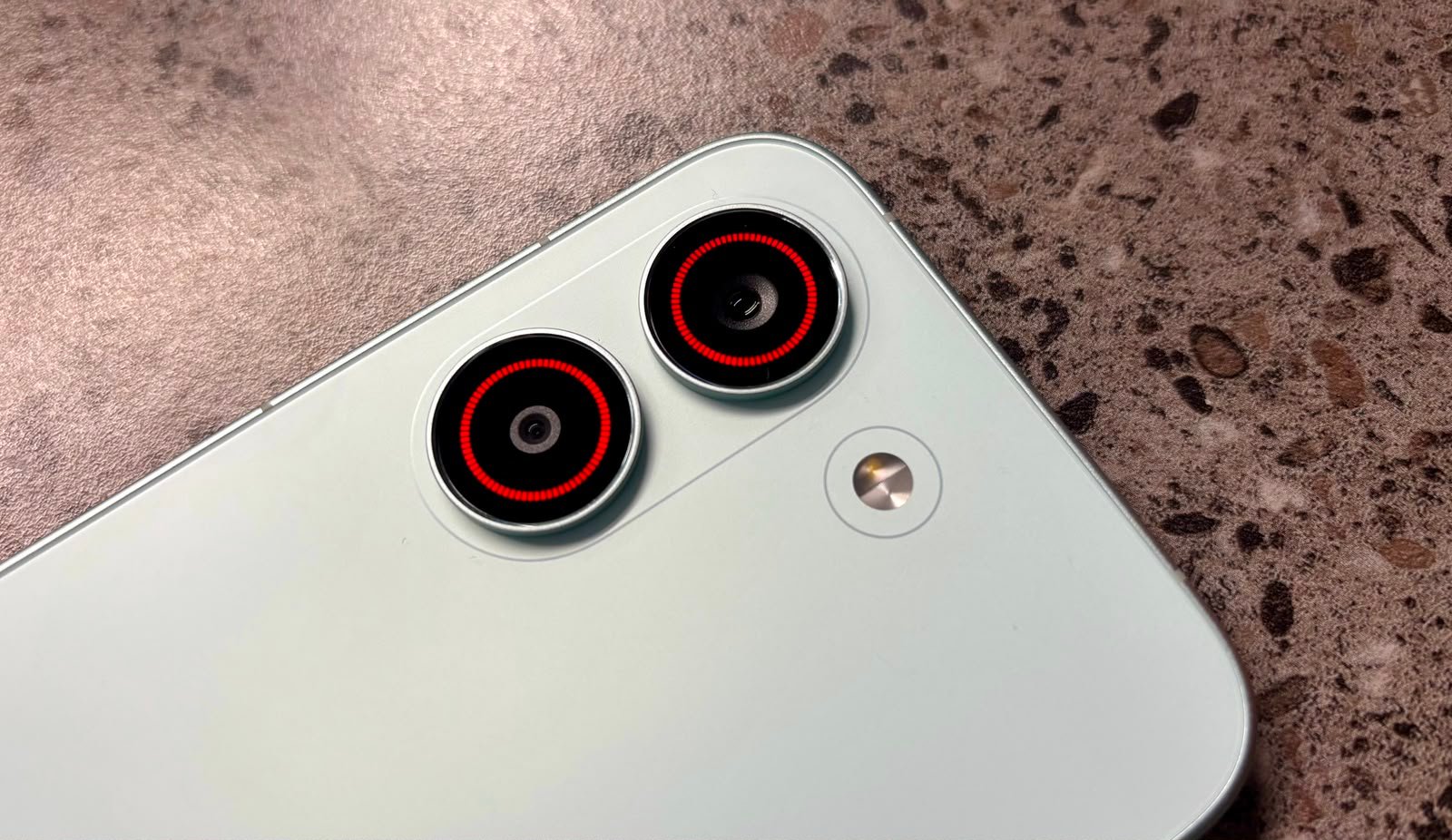
What truly amazed me is the RPM ring-style LED lighting around the camera module. Inspired by racing aesthetics, these Pixel Matrix rings light up dynamically in 8 built-in colours for notifications, calls, music, and games. It adds personality without being over-the-top. The camera bump is prominent but well-integrated, and the device feels sturdy despite the large battery inside.
Durability is another strong point. The phone carries IP68 and IP69K ratings, indicating resistance to dust, water, and high-pressure cleaning. I took it out in light rain and dusty conditions during a weekend trip, and it handled everything without issues, giving confidence in its long-term resilience for daily use and outdoor activities.
Performance
This is where the Redmi Turbo 5 shines brightest. Powered by the MediaTek Dimensity 8500 Ultra on a 4nm process with a peak clock of 3.4GHz, it delivers flagship-level performance. Paired with LPDDR5X RAM and UFS 4.1 storage, the device scored over 2.3 million on AnTuTu in my tests, impressive for its class.
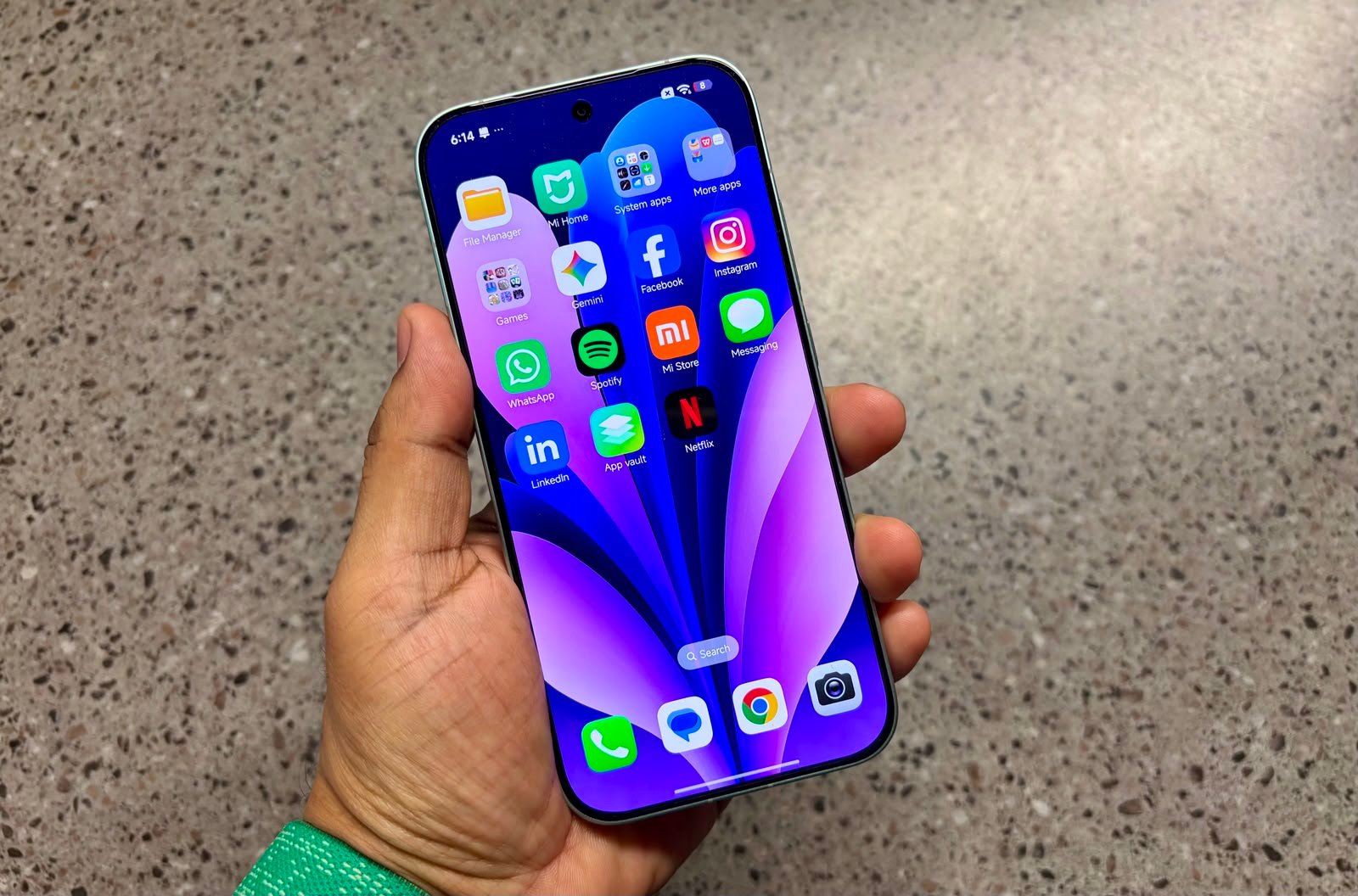
In real-world use, multitasking felt seamless. I routinely kept 8–10 apps open, including heavy ones like Chrome with dozens of tabs, Instagram, WhatsApp, and productivity tools, while switching between them instantly. Gaming is a highlight, with titles like Genshin Impact and BGMI running smoothly at high settings, thanks to Game Turbo Mode and WildBoost Optimization, which keep frame rates stable. The Advanced 3D IceLoop Cooling system truly works. I played extended sessions without noticeable throttling or excessive heat. The phone stayed comfortably warm even after 30–40 minutes of intensive play.
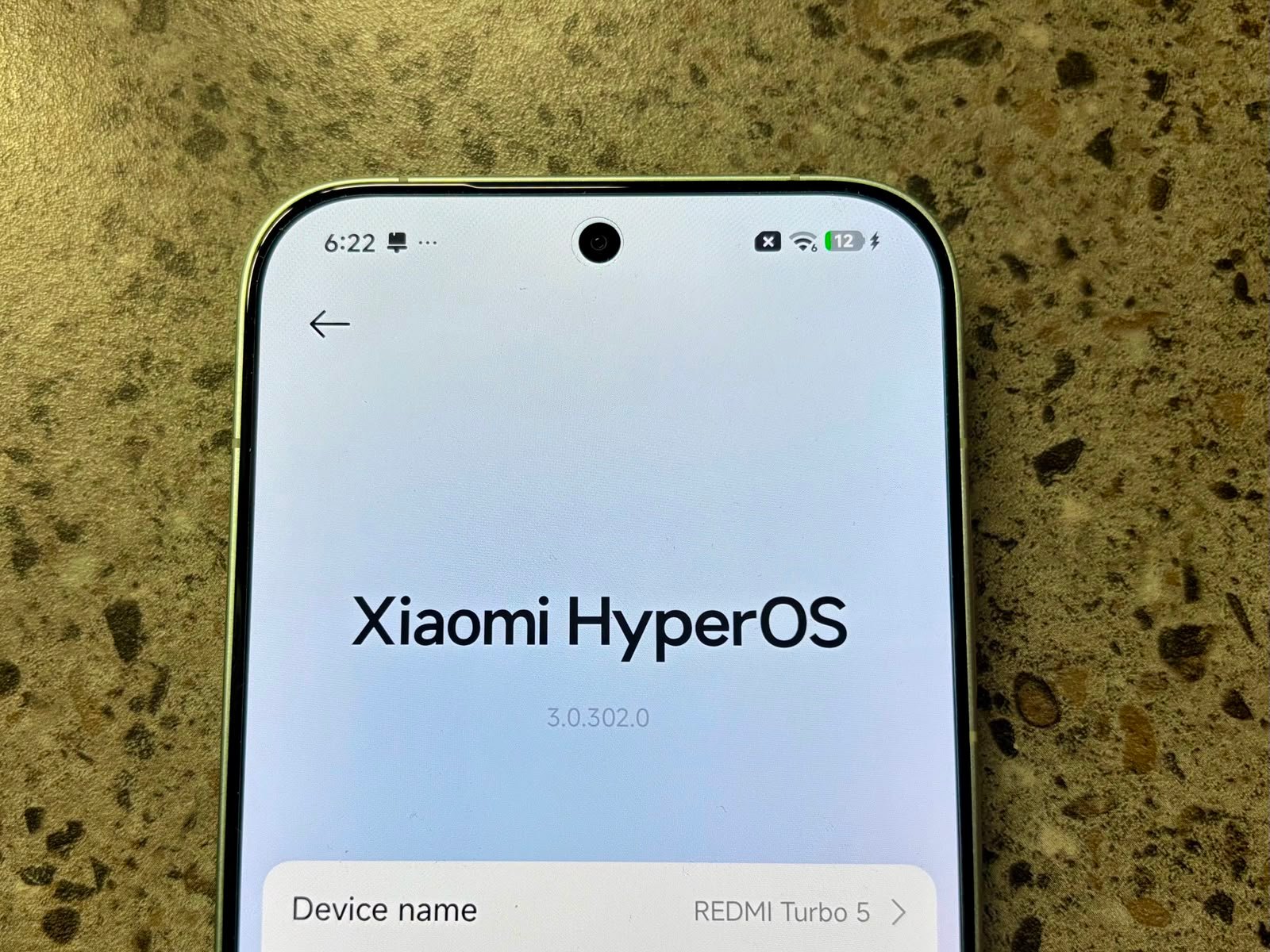
HyperOS (based on the latest Android 16) feels snappy with useful features like HyperConnect for seamless laptop-phone integration, HyperIsland, and AI tools, including Circle to Search. 120Hz AdaptiveSync on the 6.59-inch AMOLED screen makes scrolling and animations buttery smooth. Pre-installed apps (bloat) are present but manageable with HyperOS tools. Overall, this is one of the fastest Redmi devices I’ve tested, living up to the “Fastest REDMI Ever” claim.
Camera
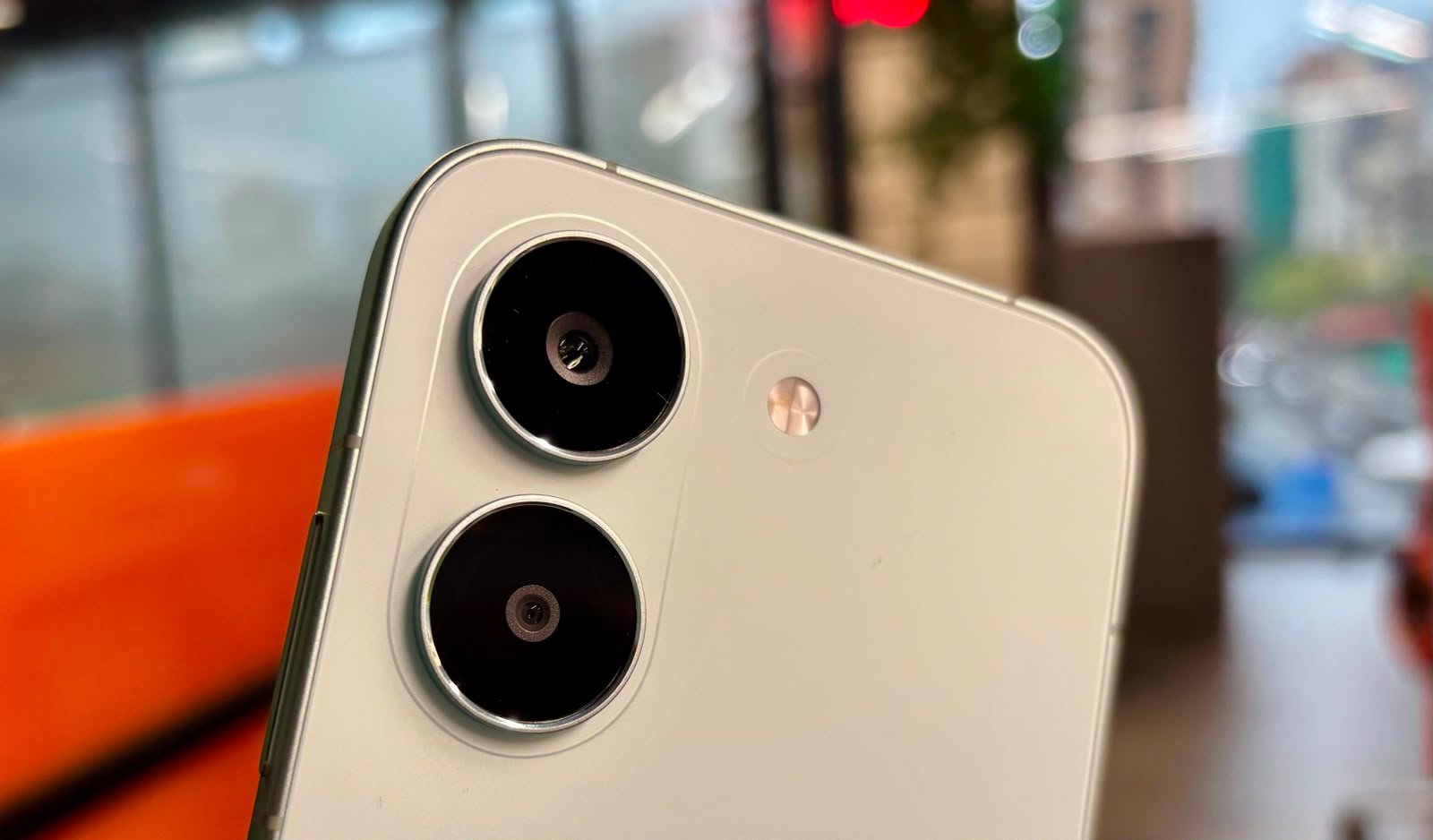
The camera setup prioritizes speed and versatility over sheer megapixel count. The 50MP main sensor with OIS + EIS delivers sharp, detailed shots in good lighting. Colours are vibrant yet natural, thanks to Xiaomi’s Imaging Engine. Low-light performance is solid with good noise control and accurate skin tones in night portraits.
The 8MP ultra-wide handles landscapes adequately, though detail drops compared to the main shooter. The 20MP selfie camera performs well for video calls and casual portraits. Video recording reaches 4K at 60 fps with stable footage, making it great for content creators on the go.
Turbo Snap is a standout feature that allows continuous capture of up to 100 photos in motion, even in HDR. It’s perfect for kids, pets, or sports. The AI Image Editing Suite (AI Erase, AI Expand, AI Beautify) works surprisingly well for quick edits directly on the device.
The camera system performs well in good lighting, with fast processing and reliable HDR for social media shots. Night shots retain decent detail but may show some smearing or noise in extreme low light, so don’t expect flagship-level low-light photography. Zoom beyond 2x is improved, but still limited compared to dedicated cameras. While not a photography flagship, the camera punches above expectations for a performance-oriented phone, making it suitable for casual photography and content creation.
Battery
Battery life is outstanding. The massive 7,540mAh cell is the biggest on any Redmi device and easily delivered 2+ days of heavy use in my testing, including gaming, streaming, photography, and constant notifications. With moderate use, it stretched to nearly three days.
Charging is impressive; the included 100W HyperCharge takes the phone from 0% to 51% in about 30 minutes and fully charges it in around 70 minutes. The Advanced Smart Battery Management System, with HyperOS optimizations, learns user habits and protects long-term health. The 27W wired reverse charging feature is incredibly helpful for charging accessories or a friend’s phone.
The Redmi Turbo 5 is a strong contender for Indian power users, offering flagship-grade performance, excellent battery life, and a bright display alongside fun design features like RPM ring lights. It consistently handled demanding tasks, including gaming and content creation, making it a great value for its price. While improvements could be made in software refinement, camera consistency, and low-light video capabilities, the overall experience remains highly positive. If you seek a fast, reliable, feature-rich smartphone that doesn't break the bank, the Redmi Turbo 5 is a highly recommended choice for multitaskers and gamers.
-
Build & Design
-
Performance
-
Camera
-
Battery