

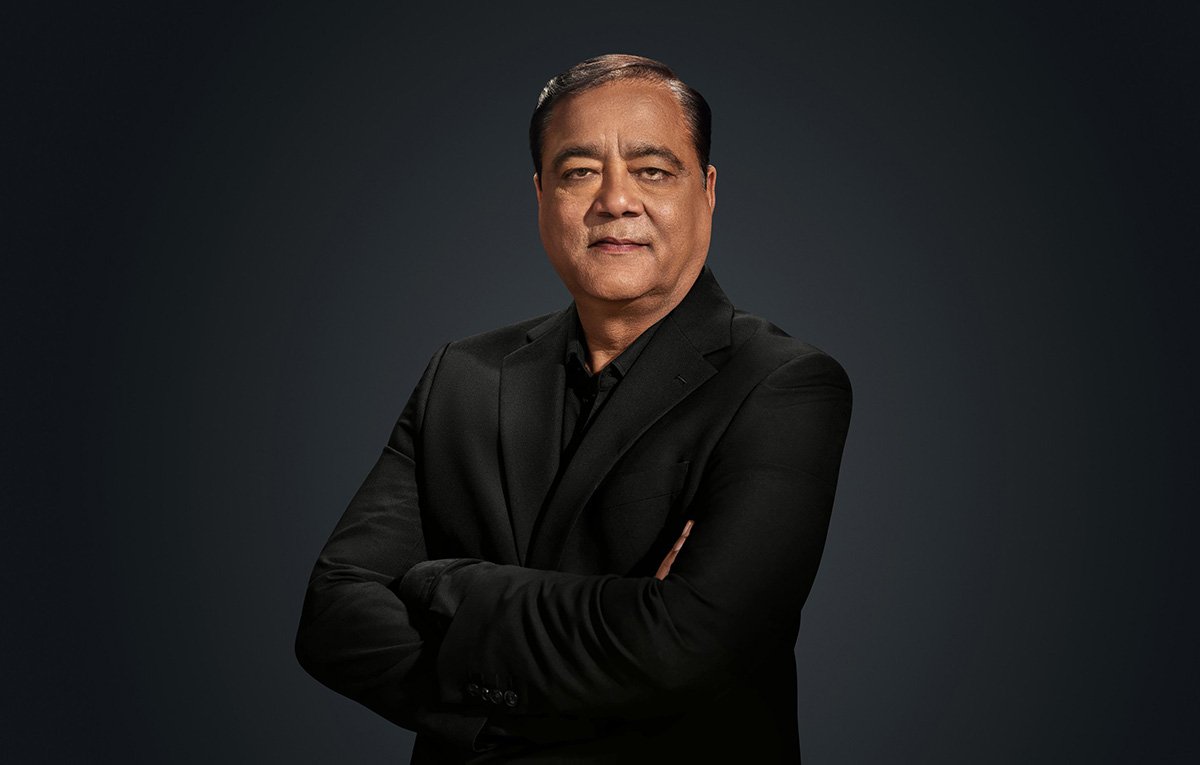
As Chief Operating Officer of Xiaomi India, Sudhin Mathur believes that enduring success isn’t built on speed alone—it begins with clarity. In an industry defined by relentless innovation and rapid product cycles, his leadership philosophy is rooted in questioning assumptions, making deliberate choices, and building brands that earn lasting trust rather than fleeting attention. In this edition of Tech Titans, Mathur shares how a simple question from his father shaped the way he approaches leadership, why Gen Z is pushing organisations toward greater transparency, and why AI should quietly improve everyday life instead of becoming a marketing buzzword. He also reflects on the career decision that changed his trajectory, the importance of building teams that outgrow their leaders, and why meaningful progress always starts with asking the right questions.
What’s a personal habit or ritual that quietly shapes how you make big decisions?
I’ve built a habit of “structured silence” – a short pause each day to cut through noise and focus on what truly matters.
Most bad decisions don’t come from lack of data, but lack of clarity. That space helps me think better, stay honest, and make decisions with conviction, not urgency.
What’s one childhood incident that shaped who you are today?
There wasn’t one dramatic moment, but a question my father asked often: “But why?”
Not casually, but genuinely. That habit became my system. It’s why I push teams to question assumptions, challenge defaults, rather than settle for “that’s how it’s done.”
The best insights, in my experience, usually sit just beyond the obvious.
What are your thoughts on Gen Z work culture, and how do you shape your work style to align with them?
Here’s an unpopular take: Gen Z doesn’t need a different style. They expect a better version of what everyone has always wanted – trust, clarity, and the freedom to fail. They challenge leaders to be more transparent and purposeful.
My approach as a leader is to create ownership; it’s less about having all the answers and more about enabling people.
What’s the biggest lie the industry is telling itself about AI right now?
The biggest misconception is that AI is a strategy. It’s not. It’s a capability, and without clear purpose, it becomes noise. True innovation isn’t about deploying AI as a feature but solving problems meaningfully.
At Xiaomi, we see AI as an invisible layer. You shouldn’t notice it – only wonder how you ever managed without it, as it seamlessly improves everyday experiences.
What problem in the world still frustrates you enough to keep you awake at night?
What concerns me is how often speed is prioritised over clarity. In fast-moving environments, decisions are made without fully understanding the problem. While speed matters, it can create complexity over time.
I’ve seen that a clear strategy and long-term thinking consistently deliver more meaningful outcomes than chasing quick wins.
What’s a decision you made that looked risky at the time but turned out?
Choosing to stay when the smarter answer was to leave. On paper, moving on made sense. But I believed in what we were building-a team, a culture, a direction. That decision – the unsexy one, the one no one writes case studies about-shaped everything that followed.
Not because it was dramatic, but because it was deliberate.
What brands of gadgets do you use every day?
I keep my ecosystem simple and functional – my Xiaomi 17 Ultra, Pad 8, and a Mini LED TV. I’m not a gadget collector, I’m a user. If it doesn’t make my day better, it doesn’t stay.
The best technology, for me, is the kind you stop noticing. That’s the real compliment.
When people look back at your work decades from now, what do you hope they say you changed?
I hope they say I made the brand matter. Not just bigger or louder, but meaningful.
In a crowded market, building trust and creating experiences people value.
And equally, that I built teams that didn’t need me, because the day the machine runs without you is the day you’ve actually built something.
What’s harder: taking a bold decision or sticking with it when things go wrong?
Sticking with it. Every time.
Taking a bold decision is the easy, visible part. The real test comes when results don’t follow, and pressure builds. That’s where conviction matters. I’ve learned it’s not about being right instantly, but being clear enough to stay the course – patience dressed as persistence.
What part of AI genuinely excites you—and what part quietly worries you?
What excites me is scale with soul. AI’s ability to solve problems at scale while staying human-centred.
What worries me is the automation of judgment. When we stop asking “should we?” and focus only on what AI can do, we risk losing that instinct. The balance is using AI to amplify thinking, not replace it.
Rapid Fire
- Books you swear by: Sapiens – because once you see civilisation as a shared hallucination, you can’t unsee it. Also, The Outsiders – the only leadership book that doesn’t feel like a TED Talk was written.
- Current car: I have a driver and strong opinions about the route. That counts, right?
- Dream car/bike: Honestly? A time machine. But since that’s not in production yet, the Xiaomi SU7 -because the best car is the one that makes your friends ask “wait, that’s a Xiaomi?” twice
- Fitness gadgets you use every day: I own a mirror. It tells me everything I need to know, no updates required. The Redmi Watch Move is impressive, though
- Go-to AI tool: Claude for when I need to think. Xiaomi AI for when I need to pretend, I already knew that
- Quote you live by: It is hard to fail, but it is worse never to have tried to succeed” – Roosevelt. My unofficial one: “This seemed like a good idea at the time” – for every decision that taught me something
- Podcast recommendations: How I Built This – because nothing humbles you faster than hearing a billionaire say *”we almost gave up in month three”)