


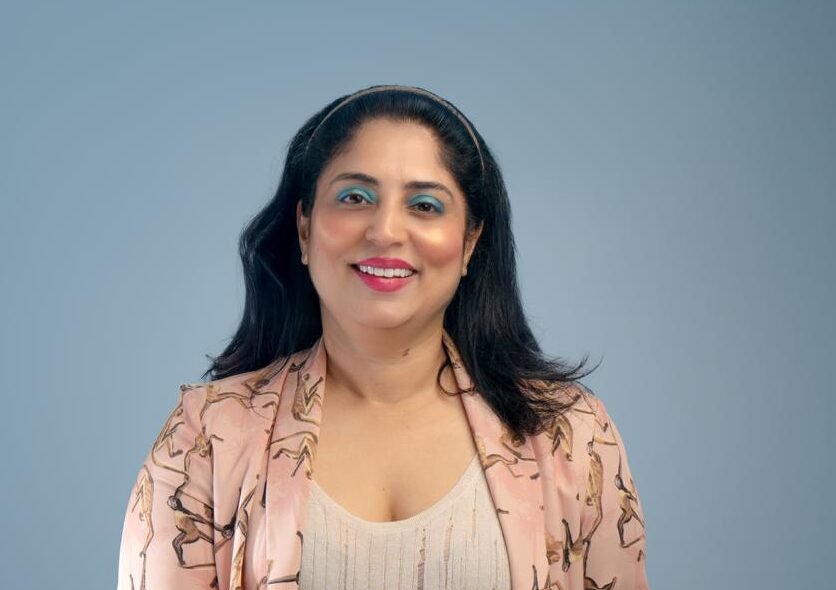
From championing nature-led beauty to building a homegrown wellness brand, Natasha Tuli, Founder of Soulflower, has carved a distinct space in India’s personal care industry. Her journey reflects a commitment to harnessing the power of botanicals and making conscious, ingredient-led beauty a way of life.
What did you have to unlearn?
That a “good woman” must be agreeable. I can be a good person and still make people uncomfortable with my decisions.
When did you know you belonged in the room?
When I stopped worrying about whether I looked like the kind of founder they expected. I knew my product, my customer and my business belonged there.
What were you told you were “too much” of?
Too intense! But that’s exactly why I’ll question a formula ten times until I’m happy putting my name on it.
What was your hardest no?
Saying no to anything that would make Soulflower bigger but take away its soul. Growth matters to me, but so does knowing why I started.
What risk looked irrational?
Starting a haircare brand after losing my own hair following a brain haemorrhage. I didn’t have a neat success story then. I had a problem I was determined to solve.
What tax do ambitious women pay?
A man is called decisive. A woman makes the same call and suddenly she has an attitude. I’d rather make the call.
What might we lose by making everything smarter?
Common sense and connection. You can have all the data in the world and still fail to listen to one customer.
What looked effortless but came at a cost?
My hair! People see it now and think it’s a beauty story. For me, growing it back was part of getting myself back.
What are you still figuring out?
How to build a much bigger Soulflower without becoming a founder who only sees her customers on a dashboard.
What room do you want to change?
The beauty industry’s boardroom. Why are we still deciding what customers should believe instead of showing them the ingredients and the proof?
What doesn’t Google know?
Google knows the milestones. It doesn’t know the days I was scared, stubborn, starting again or that sometimes being unstoppable simply meant getting up and doing one more thing.