


Verdict
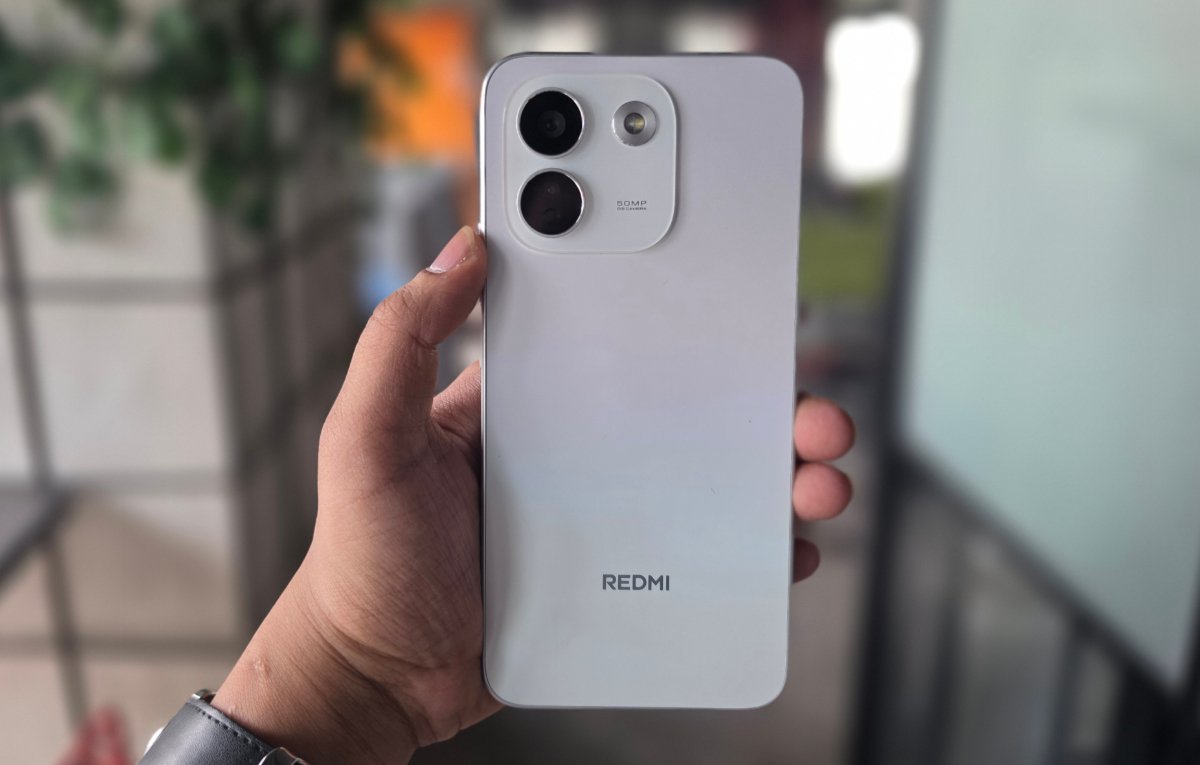
The Redmi Note 17 Pro Max was built around a clear priority: battery life. Its 10,000mAh battery, vibrant AMOLED display and extensive durability ratings made it a practical choice for users who wanted a phone that could last through long days without frequent charging. However, its Snapdragon 6 Gen 5 processor and inconsistent camera performance prevented it from being an equally strong option across every category. Everyday performance was generally adequate, but demanding games exposed its limitations. Similarly, the primary camera delivered decent photographs, although the overall camera system fell short of what some competitors offered. With the 12GB RAM and 256GB storage variant priced at ₹55,999 at launch, the Redmi Note 17 Pro Max faced considerable competition. Its appeal ultimately depended on how much importance a buyer placed on battery life. For those who valued endurance above all else, it offered a distinctive proposition. For users who expected balanced performance, versatile cameras and strong value across the board, the compromises were harder to overlook.
The Good
- Massive Battery
- Bright Display
- Excellent Durability
The Bad
- Average Performance
- Inconsistent Camera Quality
- Heavy and Bulky Build
-
Design
-
Display
-
Performance
-
Software
-
Camera
-
Battery
The Redmi Note 17 Pro Max takes a different approach to the mid-range smartphone market. Instead of prioritising camera megapixels or raw processing power, Xiaomi has focused on battery life, durability and the overall viewing experience. The result is a smartphone with a massive 10,000mAh battery and a bright AMOLED display. However, its performance and camera capabilities raise questions about whether it offers enough for its price.
Design and Display
 The Redmi Note 17 Pro Max has a 6.83-inch AMOLED display with a 1.5K resolution and a 120Hz refresh rate. The panel supports Dolby Vision and HDR10+, making it suitable for watching films, streaming videos and browsing social media. Colours look vibrant, while deep blacks and strong brightness make the display one of the phone’s stronger features.
 The Secret Sunrise variant adds some character to the design. Its rear panel changes appearance under direct sunlight, revealing different colours depending on the lighting. The phone also has a flat frame and slightly rounded edges, which help make its large dimensions easier to manage.
However, the 10,000mAh battery adds considerable weight. At approximately 229 grams, the phone is heavier than many conventional smartphones. Although its weight distribution makes it manageable to hold, users accustomed to lighter devices may need time to adjust. Durability is another advantage. The phone features Corning Gorilla Glass Victus 2 protection and IP66, IP68, IP69 and IP69K ratings for dust and water resistance.
Also Read: Redmi Note 17 review: Endurance That Lasts
Performance and Software
The Redmi Note 17 Pro Max runs on Qualcomm’s Snapdragon 6 Gen 5 processor, paired with up to 12GB of RAM and 256GB of storage in the variant reviewed here. This configuration is sufficient for everyday activities such as browsing, messaging, video streaming and switching between applications.
 However, performance was less impressive when the phone was pushed harder. Demanding games drop frame rates at higher graphics settings, and the phone heats up relatively fast. While the device handled casual gaming, it did not offer the same performance headroom as some competitors in its price segment.
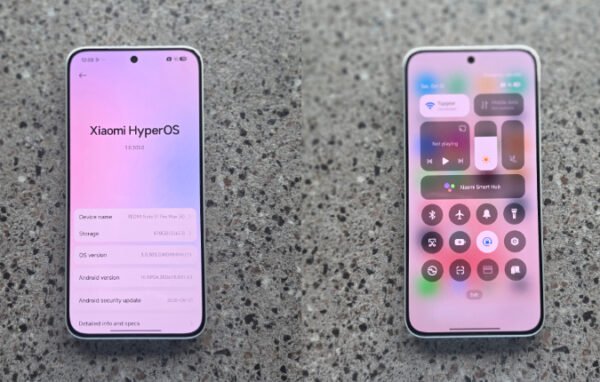 The software experience is built around HyperOS 3, based on Android 16. It includes several customisation options and AI-powered features. Xiaomi has also committed to four Android OS upgrades and six years of security updates, which should help extend the phone’s useful life. Nevertheless, the software experience had drawbacks. A bunch of pre-installed applications and additional features made the interface feel cluttered. Ads have been inserted wherever it seemed possible. Given the phone’s price, a cleaner software experience would have made the overall package more appealing.
Cameras
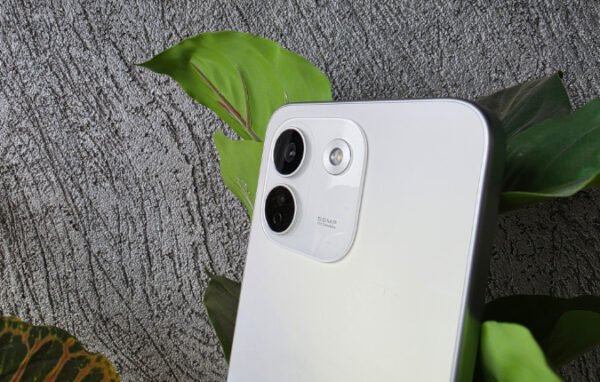 The camera setup includes a 50MP primary camera with optical image stabilisation, an 8MP ultrawide camera, and a 32MP front camera.
The primary camera delivered usable daylight results, with pleasing colours and a reasonable level of detail. However, its images weren’t always as sharp or detailed as those from competing smartphones. Image processing could also reduce facial detail in portraits, while low-light shots sometimes showed softness, noise and lens flare.
The ultrawide camera was a more noticeable limitation. Its lower-resolution sensor struggled to match the primary camera’s level of detail and colour consistency. Photos looked worse than those taken with the main camera and zoomed in. This became particularly apparent when switching between the two cameras in the same scene.







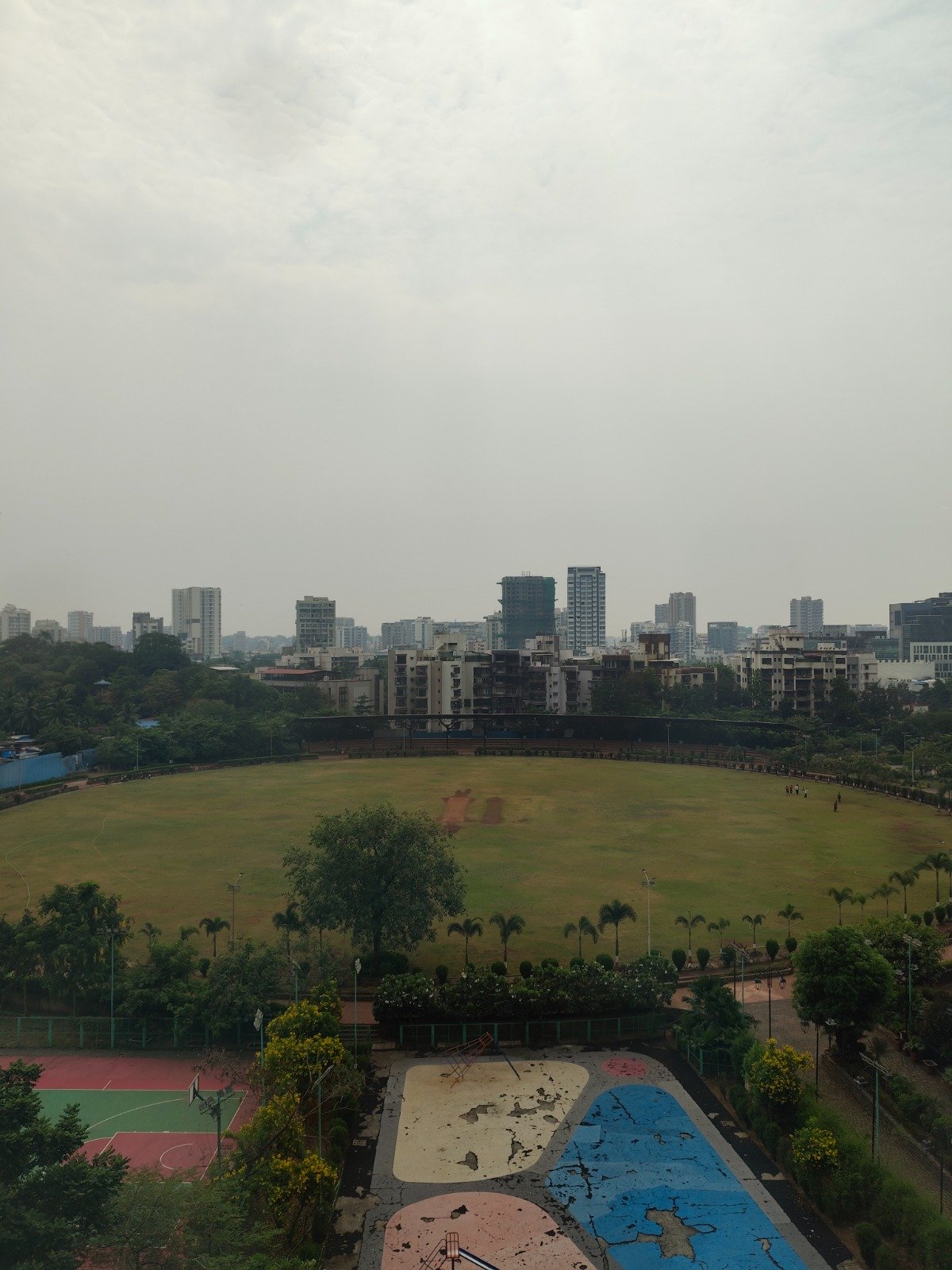

The front camera was suitable for selfies and video calls in favourable lighting, although skin smoothing could affect facial detail. Overall, the camera system handled everyday photography well, but it didn’t make the phone a leader in its price category.
Battery and Charging
The 10,000mAh silicon-carbon battery is the Redmi Note 17 Pro Max’s biggest selling point. It offers substantially more capacity than most smartphone batteries, letting the device last much longer between charges. Two days of use was the minimum, and it reached day 3 a few times, depending on screen time, gaming, and other activities. This makes the phone particularly appealing to users who spend long hours streaming videos, browsing the internet or travelling without convenient access to a charger.
The phone supports 100W wired charging, which I think is a must if you are making a phone with a 10,000 mAh battery. However, filling that big a battery takes longer than usual. Reverse charging is also available.
The combination of long battery life and fast charging made the Redmi Note 17 Pro Max a compelling option for users who prioritised endurance over performance or camera.