

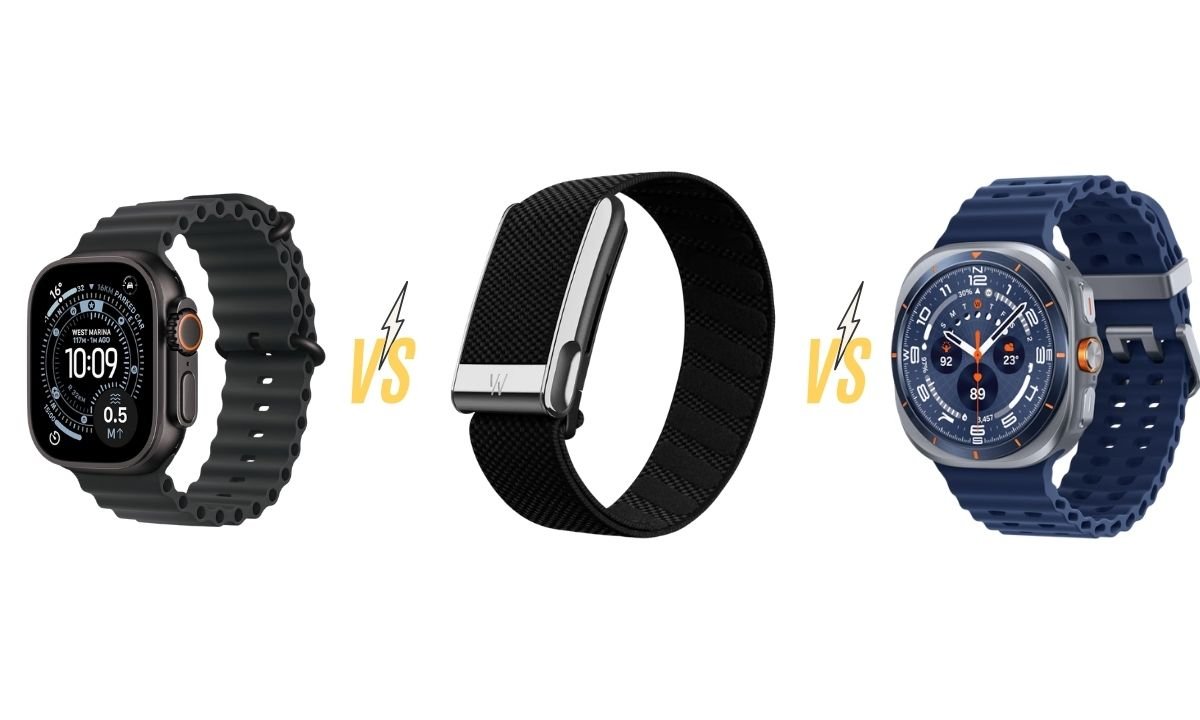
A big part of my job is to test wearables, and I’m still picky. That’s because my nights are sacred, my workouts are habitual, and I get suspicious of any gadget that hands me a score and calls it “recovery.” Over the last month, I wore a Whoop strap (Whoop 5 series), the Apple Watch Ultra 3, and the Samsung Galaxy Watch Ultra (2025) one after the other. I slept in all three, trained in all three, and let their companion apps narrate my rest, readiness and heart data. Below, I break down what each device does, what it actually means, and which one I’d rely on depending on your goals.
Short Primer on Hardware and Approach
- Whoop is a screen-less band designed to be worn 24/7. It samples heart rate continuously, emphasises HRV (heart-rate variability), sleep stages and strain, and presents recovery as a single daily metric. It ships with a membership model for full access to its coaching and analytics.
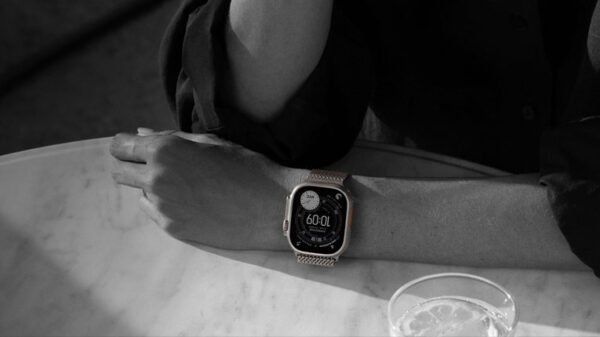
- Apple Watch Ultra 3 is a full smartwatch with an expansive sensor suite: an electrical heart sensor (ECG), an optical heart sensor, blood-oxygen (SPO2), wrist temperature, advanced accelerometers and an S-class chip that runs on-device ML. Apple’s approach is broad: clinical-grade features, first-party sleep tracking, and deep ecosystem integrations.
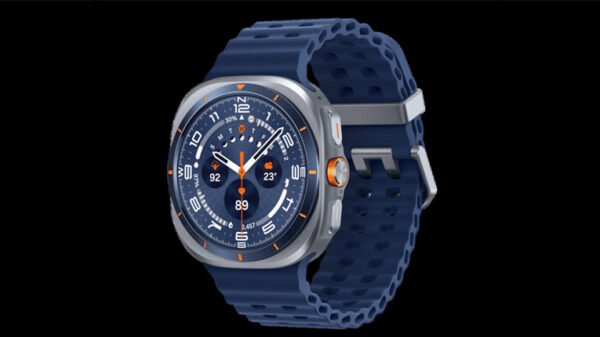
- Samsung Galaxy Watch Ultra (2025) positions itself as an enduring, outdoorsy “ultra” watch. It’s got a titanium build, huge battery modes, dual-frequency GPS, and Samsung’s updated BioActive sensor and Galaxy AI for insights. It aims to mix ruggedness with health insights and long battery life.
Sleep: Raw Tracking vs Meaningful Context
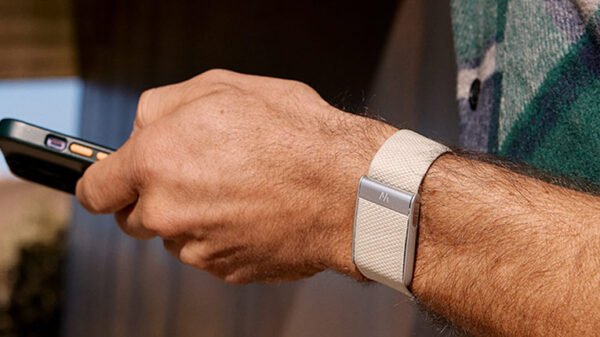
What I looked for during these tests were factors like accurate time asleep, reliable staging (light/REM/deep), how often wakeups are detected, and whether the device mislabels sedentary wakefulness as sleep.
- Whoop: This one nailed time asleep and sleep-onset detection in my testing. Because Whoop is devoted to this single job, it samples HR continuously and uses HRV patterns to infer sleep stages. The band rarely missed short naps or middle-of-the-night wakeups. Where it falls short is transparency. Whoop bundles staging into scores and algorithms that are not as visible as a stage-by-stage hypnogram you can interrogate. Clinically, Whoop has been shown to have acceptable accuracy for sleep and cardiac variables when baselines are available.
- Apple Watch Ultra 3: Sleep tracking has matured. The Ultra 3 adds improved temperature sensing for overnight context and continues Apple’s trend of prioritising user privacy and seamless integration. In my tests, the Ultra 3’s sleep start/end times matched my perceived sleep and the Apple hypnogram (via third-party validated apps) better than many generalist watches. Independent comparative work has shown Apple’s Ultra hardware performs strongly against chest-strap and lab devices in heart-rate and sleep staging tests. That matters if you want sleep stage fidelity.
- Samsung Galaxy Watch Ultra (2025): Samsung’s sleep staging is competent, and the long battery means you don’t sacrifice overnight tracking to save power. Galaxy AI does a fine job of pointing out irregularities (e.g., SPO2 dips), and Dual-frequency GPS is irrelevant to sleep but nice for activity logs. In raw staging, I found it slightly more conservative than Whoop about calling short awakenings full wake periods; the result is slightly smoother nights on paper than what I felt.
Verdict (sleep): If your priority is actionable sleep-centric coaching (and you’ll tolerate a subscription), Whoop’s laser focus and continuous sampling make it the best companion for athletes or people trying to tune sleep timing and HRV-driven recovery. If you want the most accurate single-device read combined with broader health features, Apple Watch Ultra 3 is the best all-rounder. Samsung sits in a useful middle ground, with great battery and solid staging, but less athlete-centric coaching.
Recovery and Readiness: HRV, Resting HR and the Story They Tell
Recovery in wearables is not a raw number; it’s a narrative stitched from HRV, resting heart rate (RHR), sleep and recent strain.
- Whoop leans into HRV as the primary signal. It measures HRV frequently and uses personalised baselines to calculate “recovery” and suggested strain. In practice, this meant Whoop flagged poor nights and recommended low-strain days more judiciously than the others. Several validation studies support Whoop’s HR and HRV measurements as acceptable for longitudinal use, especially when the device is worn consistently.
- Apple Ultra 3 provides HRV metrics (visible in Health), resting HR, and combines them with respiratory and temperature signals. My experience was that Apple’s recovery numbers are conservative, and the device is excellent at spotting acute anomalies. For people who want to marry day-to-day readiness with medical safety nets, Apple is superior.
- Samsung uses BioActive sensing and Galaxy AI to generate recovery-like insights. The radar here is wide. Samsung highlights stress, sleep quality and SPO2 trends; it’s good for trends but less granular in HRV sampling cadence compared to Whoop.
Verdict: For dedicated recovery guidance, Whoop wins. For clinical safety signals plus recovery context, it’s Apple for trend tracking with an excellent battery, Samsung.
Overall Health: Sensors, Clinical Features and Ecosystem
If you want a watch to also be your medical second pair of eyes, sensors and ecosystem matter.
- Apple Watch Ultra 3 packs ECG, SPO2, skin/wrist temperature and on-device analytics. Apple’s ecosystem pushes health data into the Health app. Independent comparisons show Apple’s hardware is highly competitive for heart-rate accuracy. If a single device must be the hub for health records, Apple leads.
- Whoop is not a smartwatch and does not offer ECG or on-wrist SPO2 waveform displays. Its strength is the depth of physiological metrics over time and coaching. The cost model, an ongoing membership, is the price of entry.
- Samsung Galaxy Watch Ultra (2025) gives you SpO₂, ECG (in supported regions), blood pressure estimates in some markets, and long battery safety for long trips. Combined with Galaxy AI, Samsung markets more contextually intelligent summaries. It’s a strong daily driver if you prefer an Android-first ecosystem.
Verdict: Apple Watch Ultra 3 for integrated clinical features and ecosystem. Samsung for Android users who need battery and ruggedness. Whoop for deep physiology, but not for clinical alerts.
Practicalities that Change the Winner in Real Life
- Battery & comfort: Whoop’s 14+ day battery and strap comfort make it easier to wear all night; no screen means no sleep disturbance. Samsung’s Ultra 2025 is built for multi-day adventures and wins on runtime in power-saving modes. Apple’s Ultra 3 is a smartwatch with more features and a shorter runtime than Whoop, but still respectable.
- Cost & subscriptions: Whoop requires a membership for the full analytics experience; it’s great if you value coaching, but annoying if you expect a one-time purchase. Apple/Samsung are one-time purchases with optional paid services.
- Data transparency & anxiety: There’s a real phenomenon of “orthosomnia,” which means obsessing over sleep numbers can worsen sleep. If you’re prone to anxiety, the constant stream of readiness scores (especially if you check them first thing) can be counterproductive. Use data to guide behaviour, not to police every hour of rest.
My Final, Personal Recommendation
After four weeks of wearing all three:
- If you’re an athlete or power-user focused on recovery and training load, and you’ll commit to wearing a band continuously and paying a subscription for coaching, Whoop is the instrument I’d reach for. Its continuous HRV sampling and strain/recovery model are purpose-built for training decisions.
- If you want the best combination of accurate physiological measures, clinical features (ECG), and an ecosystem that turns data into usable health actions, go with the Apple Watch Ultra 3. For me, it was the best single device to trust when sleep staging and medical safety both mattered. Independent tests place Apple hardware at or near the top for accuracy. And the first-gen Apple Watch still remains my daily watch, which I will go back to wearing after this test.
- If you want long battery life, a rugged design for outdoor adventures, and good health insights without the subscription model, the Samsung Galaxy Watch Ultra (2025) is the best middle ground. It’s the pick for travellers, multi-day hikers, and Android users.
Final Note
All three devices gave me different, but overlapping stories about the same nights. Where Whoop nudged me to rest after a hard block of workouts, Apple cautioned me when heart-rate irregularities appeared, and Samsung reminded me that a long travel day plus altitude changes dented my SPO2. No single device has perfect sleep staging; no algorithm replaces how you feel. These wearables are tools. Choose the one whose narrative encourages healthier choices without turning your life into a spreadsheet.