

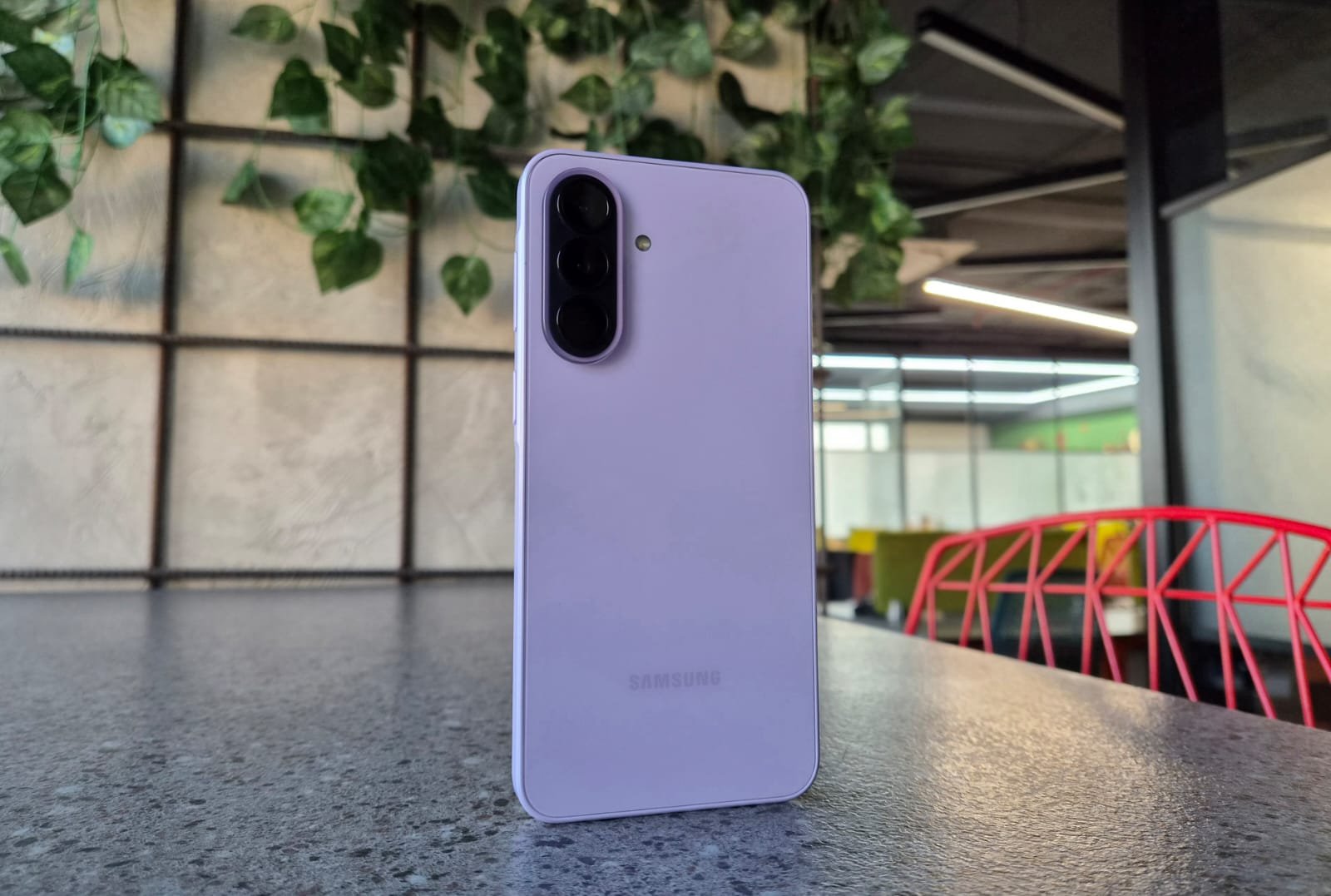
Samsung has introduced the Galaxy A57, with the A37 as its more budget-friendly counterpart. Priced starting from ₹41,999, is the A37 the right choice for you in 2026? In a market filled with competitive mid-range options from brands such as Vivo, OPPO, Xiaomi, and Google’s Pixel A-series, the Galaxy A37 entry offers features that help it stand out. Over the past two weeks of use, I have thoroughly tested the Galaxy A37. Here’s my detailed review.
Design & Build
The Galaxy A37 adopts Samsung’s signature A-series design language with a few noticeable compromises that immediately signal its budget positioning. The front is dominated by a 6.7-inch Super AMOLED display that stretches edge-to-edge, though it retains a small, noticeable chin at the bottom. It’s not a deal-breaker, but it does make the phone feel a generation behind. In the same price bracket, Vivo’s V-series, OPPO’s Reno series, and Xiaomi’s Redmi Note lineup offer near-bezel-less designs with punch-hole cutouts that disappear more seamlessly. The A37’s chin is about 3–4mm thick, which adds a subtle “budget smartphone” vibe when held side-by-side with those rivals.
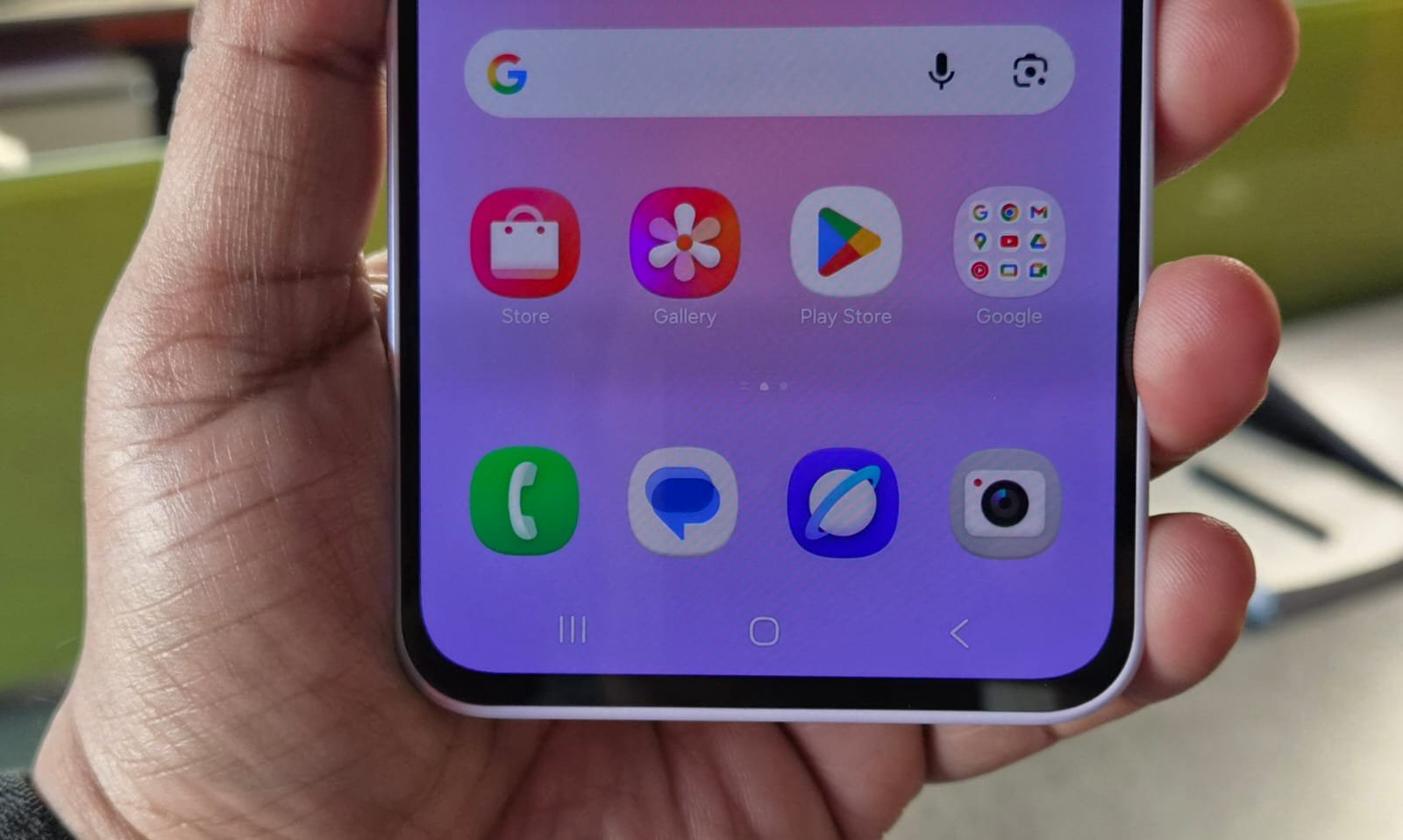
The device’s build quality is impressive for its segment. The back features a glossy polycarbonate panel that effectively hides fingerprints. The frame has flat edges, making it comfortable to use one-handed. Weighing 196 grams and measuring 7.4 mm thick, it is neither too light nor bulky, making it ideal for sliding into a jeans pocket during crowded local train rides in Mumbai.
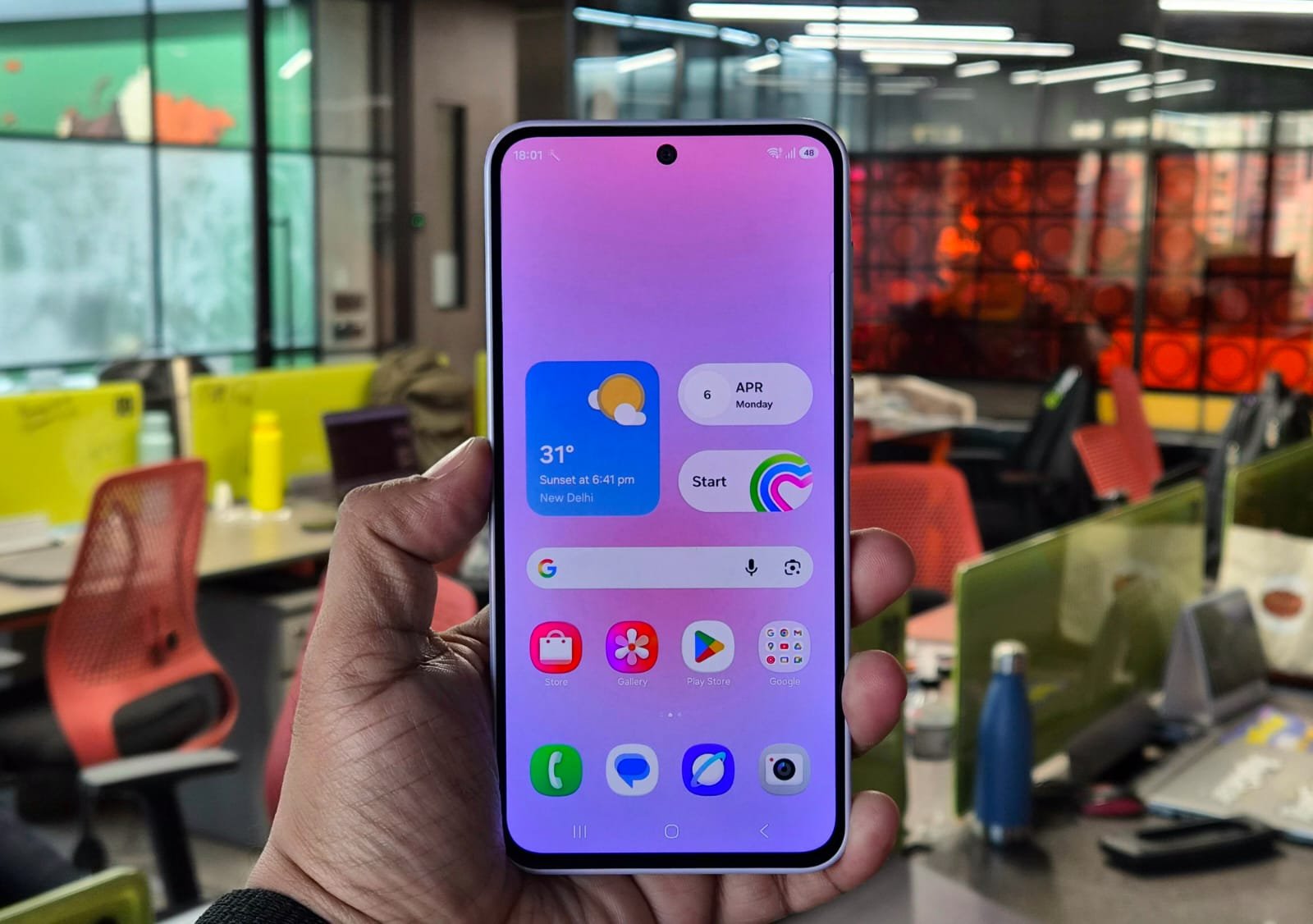
The display is a standout feature, offering Full HD+ resolution (1080×2340) with a 120Hz refresh rate and a peak brightness of around 1000 nits. Outdoor visibility in bright sunlight is excellent, allowing me to comfortably scroll through Instagram and check Google Maps while walking in the afternoon sun. The colours are vibrant, with deep blacks typical of AMOLED displays, and the always-on display functions flawlessly.
Additionally, the device boasts IP68, which is uncommon at this price point and provides peace of mind during the monsoon season or while relaxing at a beach resort. The on-display fingerprint scanner is quick and accurate, and the speakers deliver balanced audio with decent bass for videos and calls.
Performance
Under the hood, the Galaxy A37 packs Samsung’s in-house Exynos 1480 processor, which delivers balanced performance tailored for mid-range users. Gaming is surprisingly decent with no visible lag or frame drops in demanding titles. I played Battlegrounds Mobile India (BGMI) at HD+ 60 fps settings for 2-hour sessions and experienced smooth gameplay, even during intense firefights and vehicle chases. Genshin Impact ran comfortably at medium settings with occasional dips only in the most graphically intensive open-world areas, but never unplayable. Thermals stayed in check, though the phone warmed up mildly after 45 minutes and never throttled.
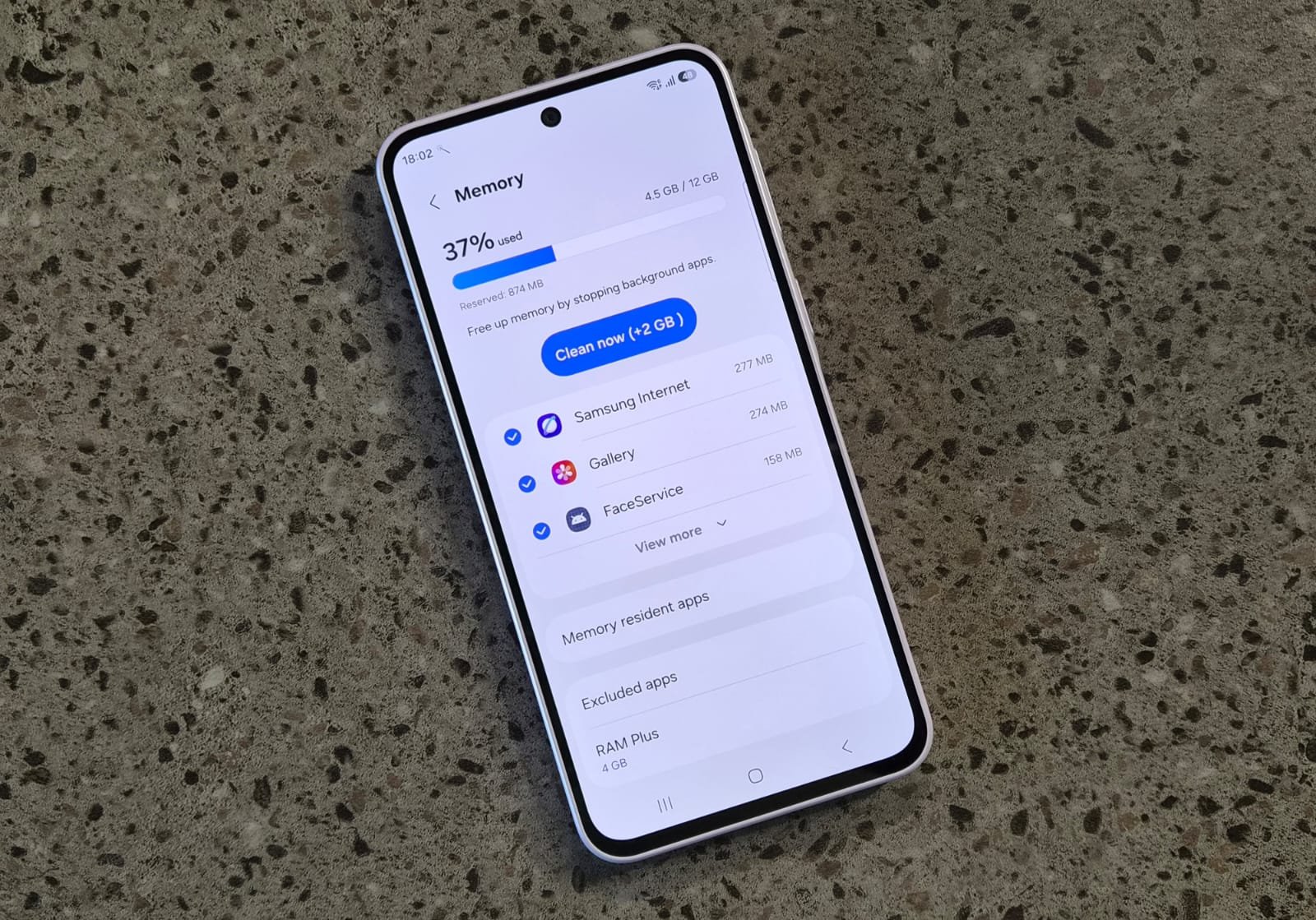
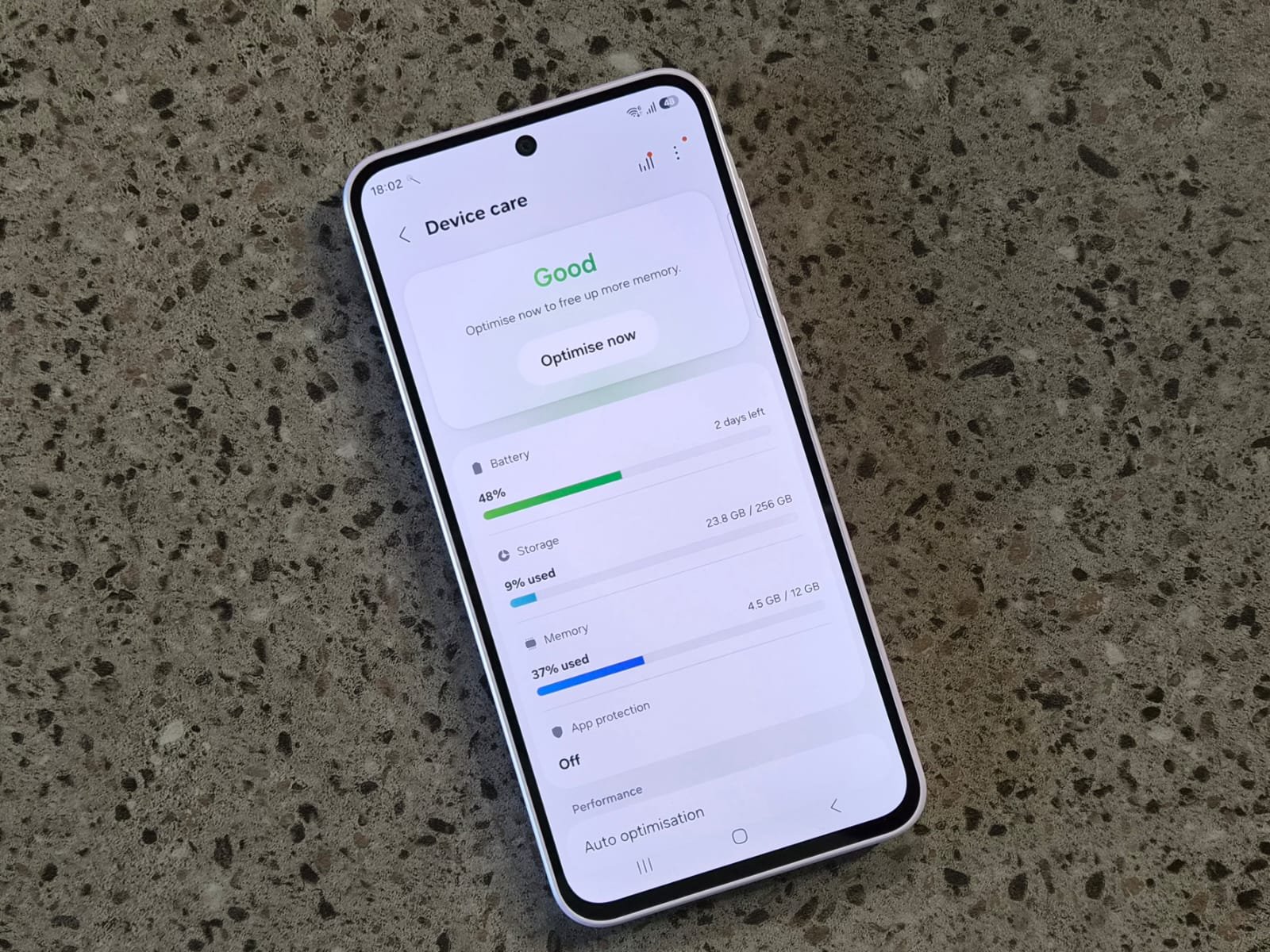
Multitasking is where the 12GB RAM really shines. I was able to run 15 to 18 apps simultaneously, including Chrome with 10 tabs open, WhatsApp, Instagram, Spotify, YouTube, and productivity apps like Google Docs, without any lag. However, after opening more than 20 apps and leaving them in the background for several hours, the device felt a bit sluggish when switching between apps. It eventually handled the load after a quick refresh, but power users with numerous tabs open might experience occasional stutters. On the other hand, daily tasks such as browsing, social media, and video calls remained fast and responsive, thanks to the optimizations provided by One UI.
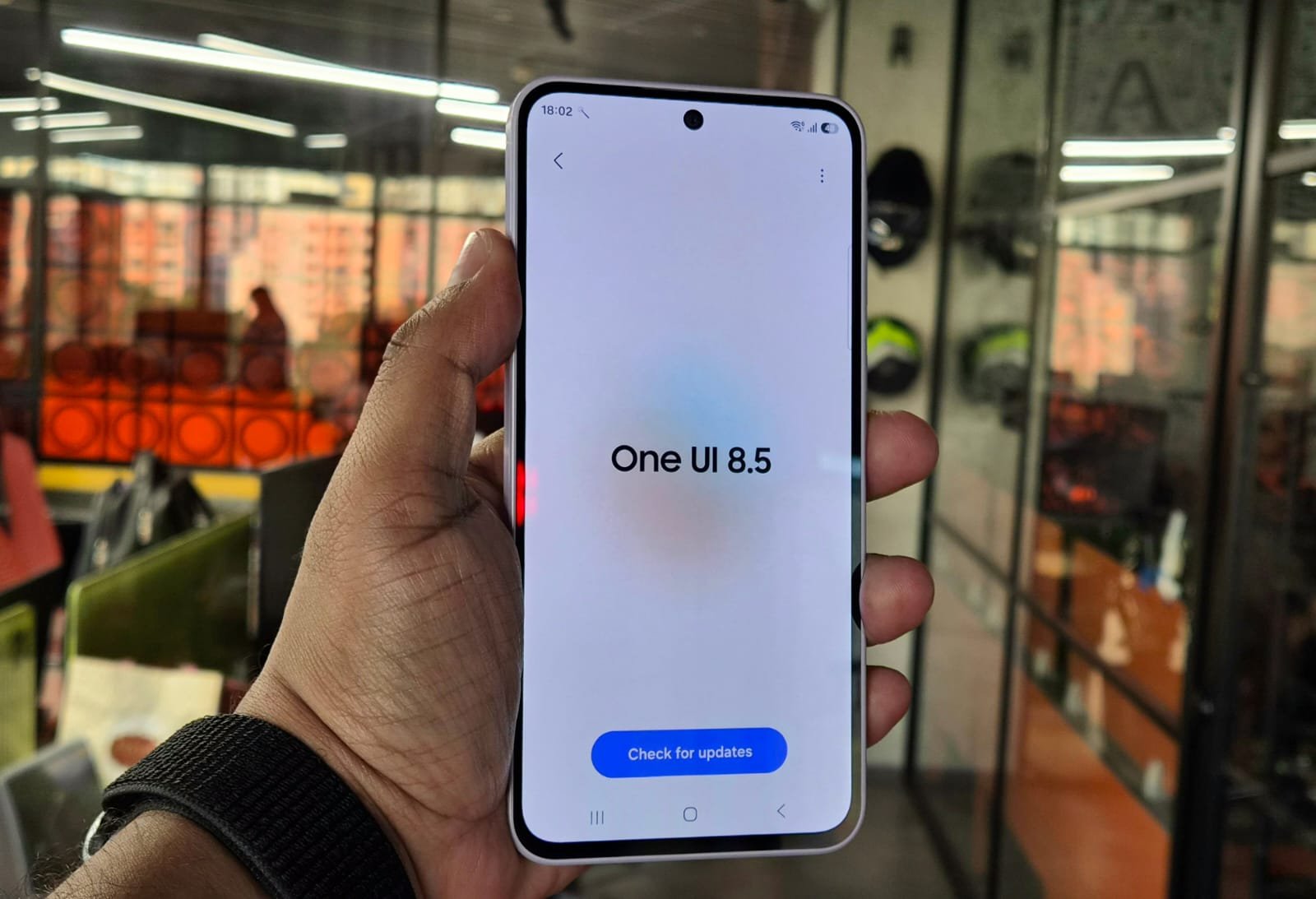
Speaking of software, One UI 8.5 (based on Android 16) is the real star here. Samsung has refined its skin further with smoother animations, better gesture navigation, and a host of AI-powered features, such as auto photo editing and call captioning. The interface feels clean and intuitive, with tons of customization options. Samsung promises 6 years of OS updates and 6 years of security patches, which is outstanding for a phone and future-proofs the device well into 2032. Bloatware is minimal compared to older A-series models. Pre-installed apps include the usual Samsung suite (Galaxy Store, Members, etc.), but most are uninstallable. A few third-party apps, like Snapchat and Netflix, are useful out of the box for quick access, though you can remove them if you don’t want them. No aggressive ads or spam, which is refreshing.
Camera
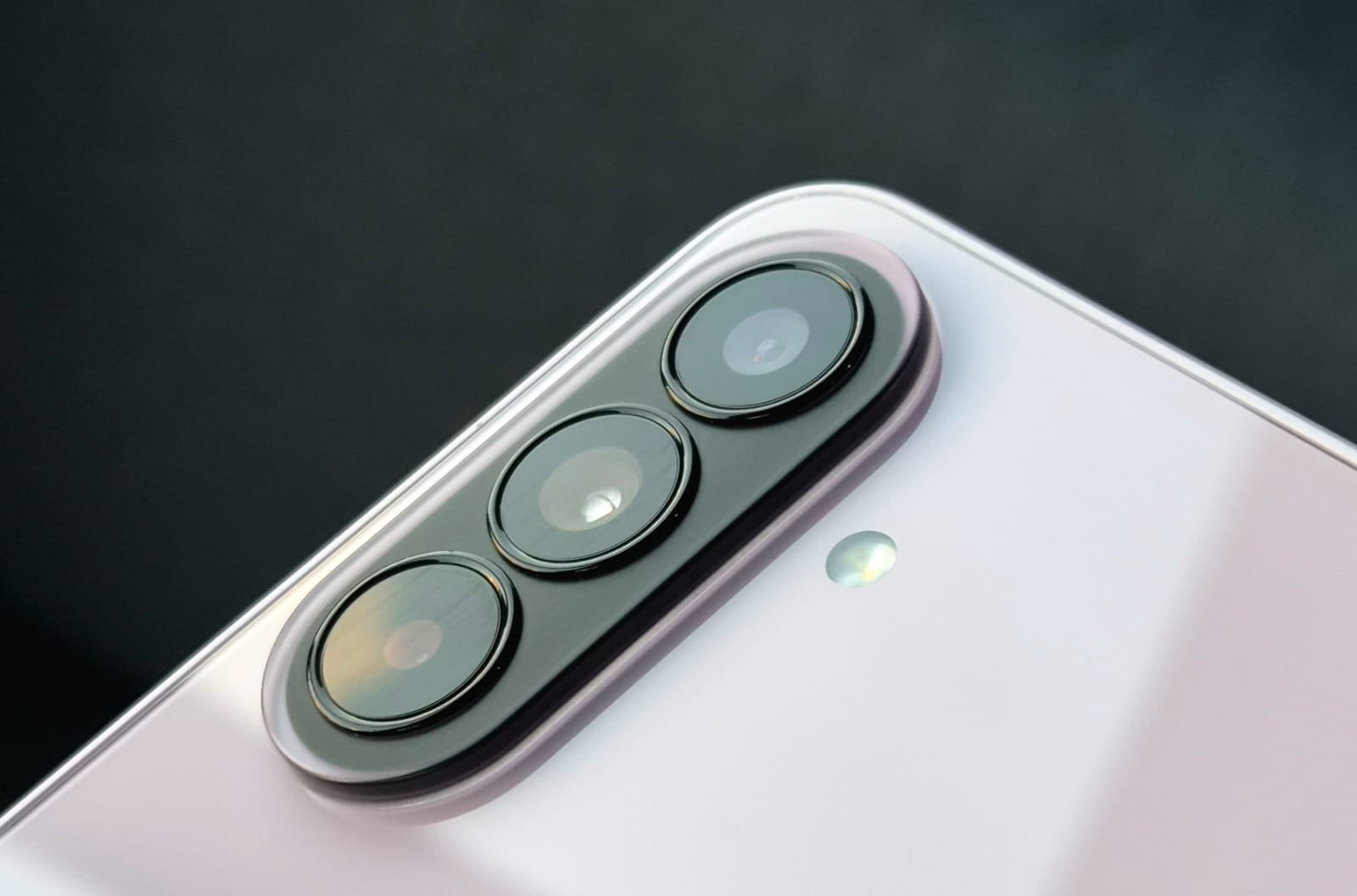
The rear triple-camera setup consists of a 50MP main sensor, 8MP ultrawide, and a 5MP macro. In daylight, the main camera captures sharp, vibrant photos with natural colour tuning, a feature Samsung is known for. Skin tones look accurate, and dynamic range handles Mumbai’s harsh sunlight well; shadows are lifted without blowing out highlights. The ultrawide is useful for group shots and landscapes, though edge distortion is visible. Macro shots are average at best and require steady hands. Low-light performance is the weak spot. Images become noticeably noisy, with some detail loss, though Night mode helps recover usable shots after 3–4 seconds of processing. It’s decent for social media but won’t match the flagship-level clarity of the Galaxy S26 series.
The 12MP front camera is “okish” as expected. Selfies are clear in good lighting with decent detail and natural bokeh from portrait mode. Video recording tops out at 4K/30fps with electronic stabilization that works well for casual vlogs, though low-light footage shows grain. Overall, the cameras are dependable for everyday tasks like family photos, food snapshots, and quick videos. However, enthusiasts who often shoot in low light might look for alternatives from Xiaomi or Vivo that have superior sensors.
Battery
Battery life is one of its strong points. The 5000mAh battery easily lasts a full day with moderate use, providing 4 to 5 hours of screen-on time while performing tasks like social media, streaming, navigation, and calls. For heavy gamers or binge-watchers, it can deliver 6 to 7 hours of battery life before needing a recharge.
It’s important to note that Samsung does not include a charger in the box, so you’ll need to purchase the 45W Super Fast Charging adapter separately, which adds an additional ₹1,500 to ₹2,000 to the overall cost. Once connected, the battery reaches 60% charge in about 30 minutes. This is respectable but not exceptional when compared to competitors with 120W chargers.
Furthermore, there is no wireless charging option available. In my 4K video playback test (using YouTube at maximum brightness in airplane mode), the battery only dropped by 6% after 30 minutes, indicating efficient power management. The standby drain is minimal, thanks to One UI’s deep-sleep optimizations.
Verdict
The Samsung Galaxy A37 aims to be a dependable phone in 2026, focusing on software longevity, a bright AMOLED display, solid gaming performance, and all-day battery life. While it has some design compromises and an average low-light camera, the 6-year update promise and Samsung’s strong after-sales service in India make it a solid choice. For those seeking sleek aesthetics and faster charging, consider the Vivo T4x or Xiaomi Redmi Note 15 Pro. However, if you prefer staying within the Samsung ecosystem and value future-proofing on a budget, the Galaxy A37 is a great recommendation. It’s not groundbreaking but practical.