

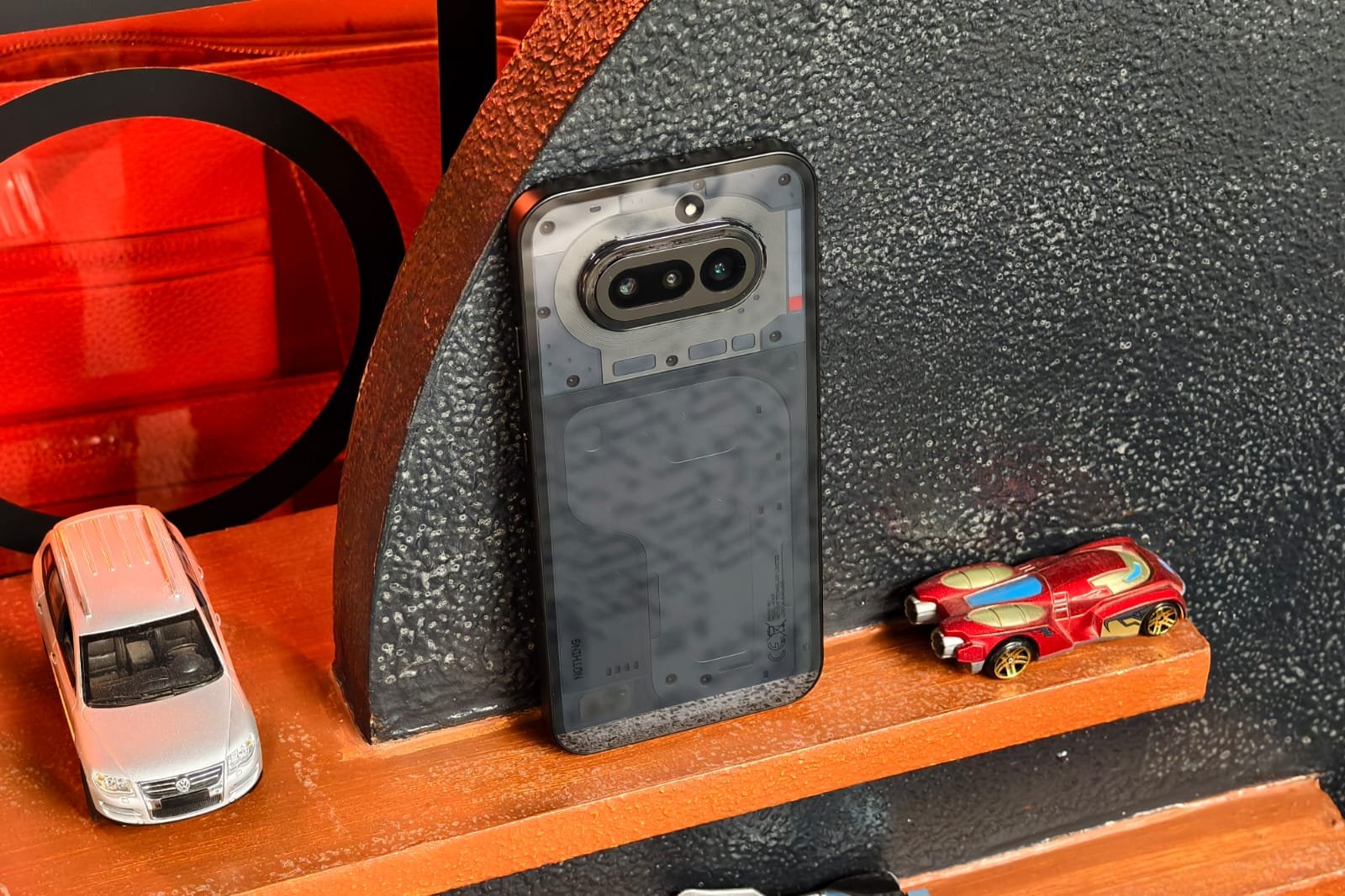
In the cutthroat world of smartphones, where flagships steal the spotlight with their eye-watering prices, Nothing is doubling down on what it does best by making the mid-range feel premium without breaking the bank. The Nothing Phone (4a), priced right around INR 30,000 for the base 8GB/256GB variant, is the company’s boldest bet yet in the budget mid-range segment. It’s not just about adding specifications; it’s about infusing that signature Nothing quirkiness. Building on the success of the Phone (3a), this iteration refines the formula with a revamped Glyph Bar interface that’s grown from a gimmick to something potentially game-changing. Is it really practical in everyday life or just a gimmick? After spending a week with the Phone (4a), I’m ready to share my thoughts. Spoiler: It’s more practical than you might expect, but let’s explore further.
Design & Build
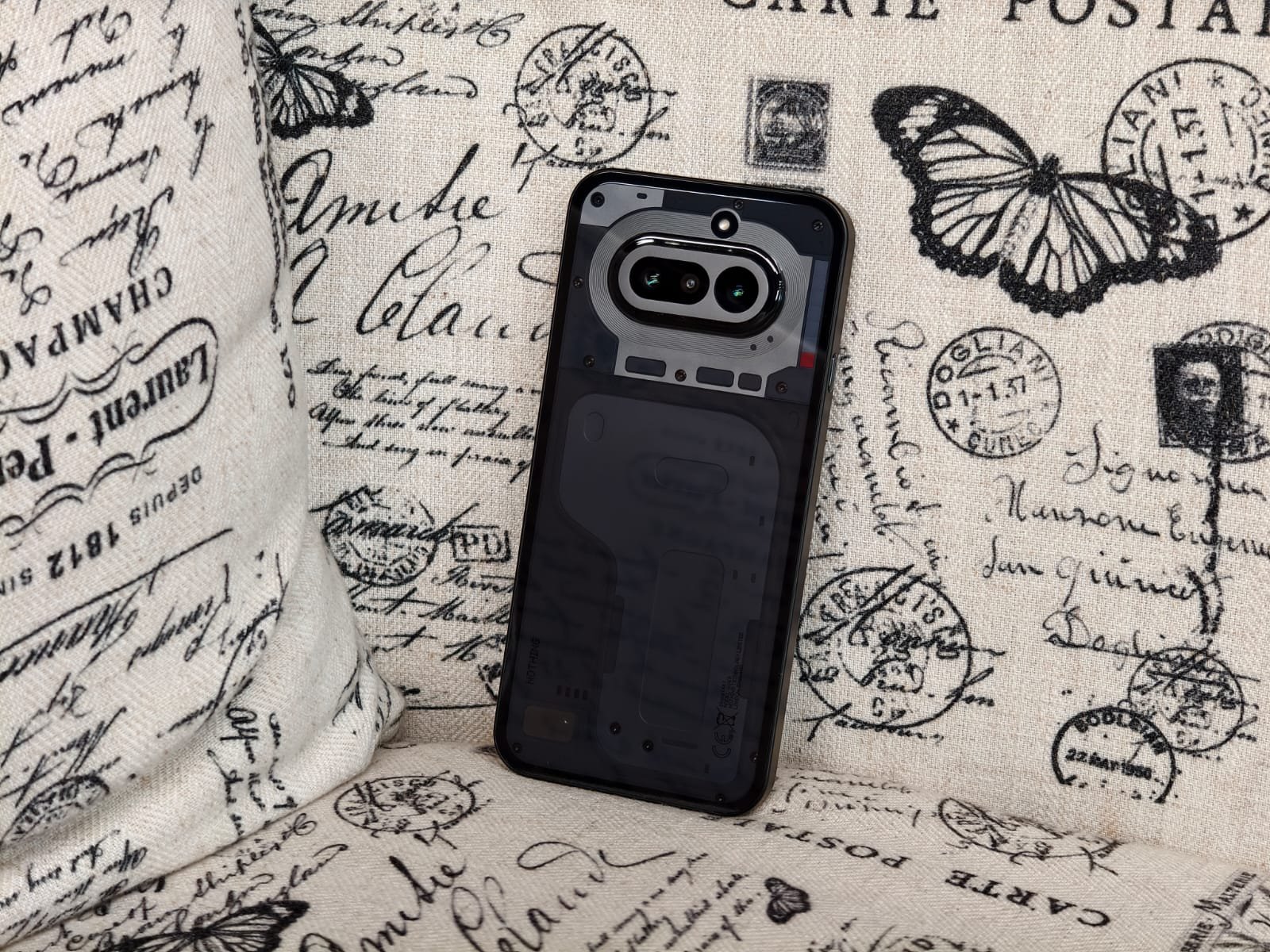
Nothing’s design language has always been its secret ingredient, and the Phone (4a) takes it to the next level. The transparent back, now offered in fun new colors such as Pink, White, Black, and Blue, is the standout feature. We received the Black variant. Looking through the clear glass feels like looking into the workings of a cyberpunk gadget, revealing the subtle wiring, and the all-new Glyph Bar. This design is not just about aesthetics; the pill-shaped aluminium camera module houses three lenses. At 163.95mm tall, 77.57mm wide, and 8.55mm thick, it weighs a manageable 204.5g, which is light enough for one-handed scrolling during my daily commute, yet powerful enough to feel premium.
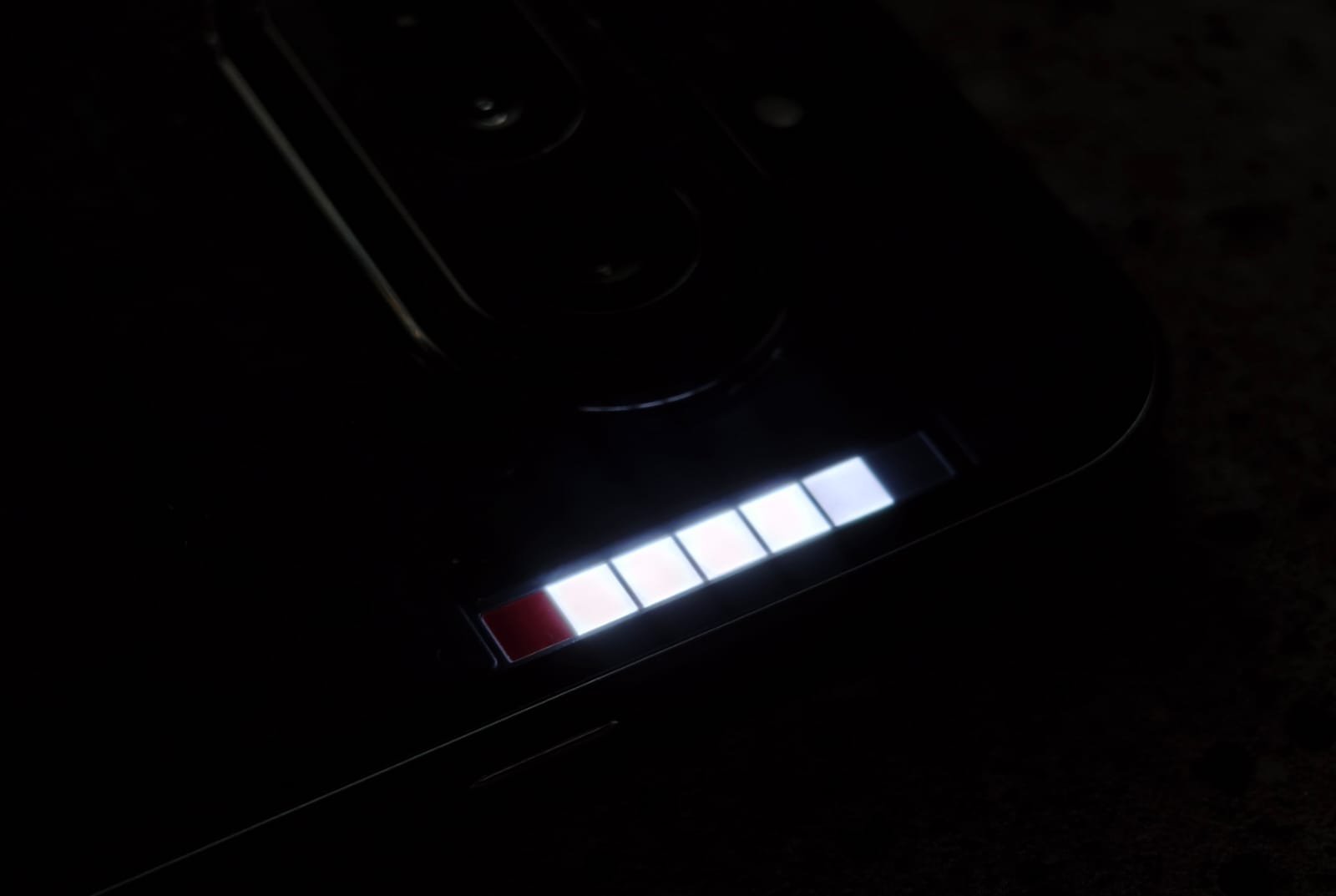
Now, let’s talk about the Glyph Bar. It got a rectangular strip of 63 mini-LEDs arranged in seven zones. It is now up to 40% brighter than before, reaching 3,500 nits with zero light leakage or yellow fringing, even at maximum output. In practical use, it’s surprisingly adaptable. Notifications pulse subtly without requiring you to flip the phone over, and features like Glyph Progress (which tracks Uber rides or Zomato deliveries) allow your device to act as a discreet status board during meetings. The red recording light, borrowed from the flagship Phone (3), is a thoughtful addition; while filming a quick vlog at a street food stall, I appreciated how it indicated “live” to passersby, reducing those awkward interruptions.
One minor drawback of this phone is that the transparent glass tends to show fingerprints like a mirror, so you should be prepared for frequent cleanings. However, this design is not only unique but also represents a functional revolution that makes the Phone (4a) stand out in a sea of similarity.
Performance
Under the hood, the Phone (4a) packs the Qualcomm Snapdragon 7s Gen 4, a 4nm chipset that’s a step up from the 7s Gen 3 in the Phone (3a). Clocking up to 2.7GHz on its Kryo 8-core CPU, it delivers buttery-smooth multitasking. I was able to juggle 15 Chrome tabs, Spotify, and Instagram Reels without a stutter. In benchmarks, it edges out the Realme GT 6T’s Dimensity 7300 by about 10% in GPU tasks, thanks to Nothing’s custom scheduler and OS tweaks.
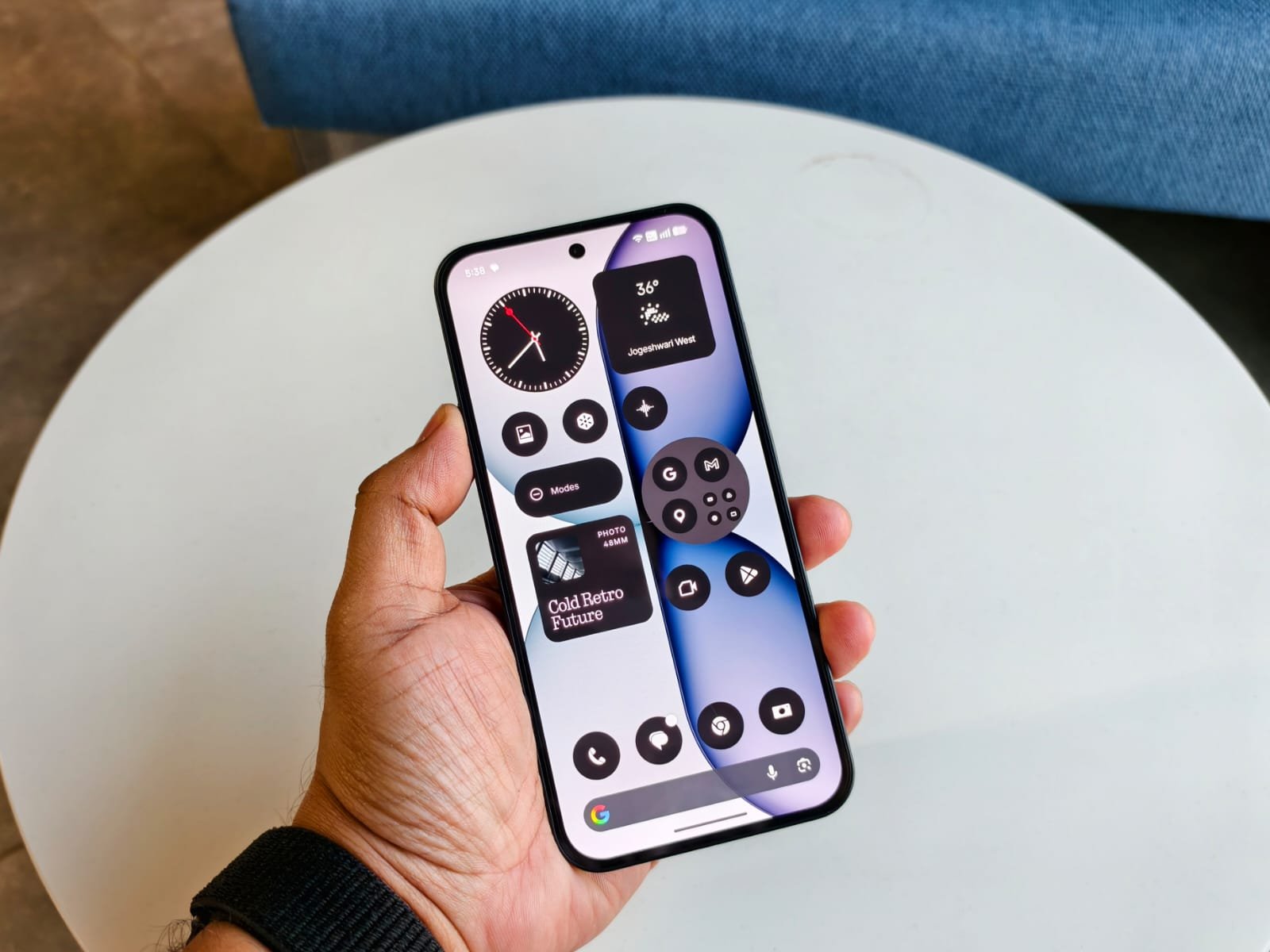
Storage excels with UFS 3.1, offering 147% faster reads and 380% faster writes than previous models, plus a RAM Booster that provides up to 20GB of virtual RAM on the 12GB variant. App switching is instant, and with Stable Diffusion 1.5, I generated a “Mumbai monsoon cyberpunk” wallpaper in under 10 seconds. Nothing OS 4.1, based on Android 16, shines with its clean design, fluid animations, resizable icons, and lock screen widgets. The Essential Key allows quick screenshots or voice notes, which are organized in Essential Space for easy access. I efficiently recorded and transcribed notes during a work call, and Essential Voice even translated my Hindi-English mix into polished email text.
That said, it’s no gaming beast. Heavy titles like Genshin Impact dipped to 45 FPS on high settings after 30 minutes, but for INR 30,000, it’s more than adequate. If you’re coming from a Poco X6 Pro, you might miss the raw horsepower, but Nothing’s optimizations make it feel snappier in real-world use.
Camera
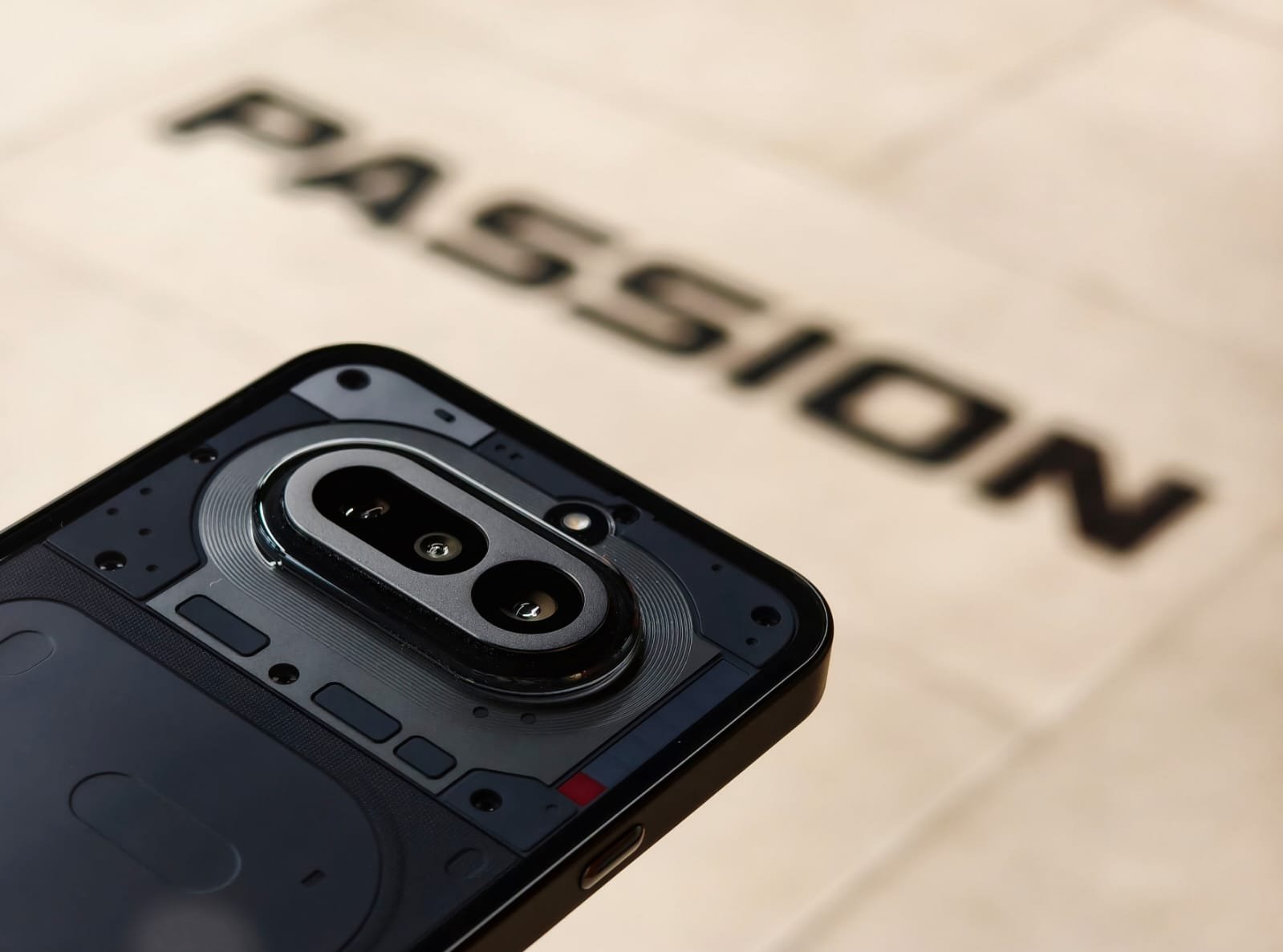
Nothing’s cameras have always punched above their weight, and the Phone (4a)’s triple setup is no exception. The 50MP main sensor with OIS capturing 64% more photons than typical 1/1.95″ rivals. Daylight shots are punchy and detailed, capturing Thane’s bustling markets, colours popping with natural vibrancy, and dynamic range handling harsh shadows without muddiness. Low-light performance shines too, night mode pulled crisp details from a dimly lit chai stall, outdoing the Galaxy A35’s noisier outputs.
The star feature is the upgraded tetraprism periscope telephoto lens, which boasts a 50MP sensor and 3.5x optical zoom, extending up to 70x for ultra zoom. This design utilizes a dual-prism fold that saves 32% in space and battery life compared to the traditional L-shaped design, making it excellent for portraits with an 80mm focal length. When zooming in on distant subjects, the edges remained sharp even at 7x lossless zoom, with minimal distortion. The 8MP ultrawide lens provides a 120° field of view, accommodating crowds in a single frame without the issues often seen with cheaper lenses. However, it is the weakest link, as 8MP feels outdated compared to the 12MP options available from competitors.
Software boosts everything, the TrueLens Engine 4 uses AI for enhanced scene tuning, while Ultra XDR combines 13 RAW frames for exceptional tonal depth. Video quality is impressive with 4K/30FPS and AI anti-shake, while 120FPS slo-mo in 1080p adds creativity. New presets allow quick tweaks, and importing community styles from Playground adds flair.
Battery
Nothing promised the largest battery in the series, but the 5,400mAh cell (designed for India) certainly delivers. I achieved 15 hours of mixed use and 7 hours of screen-on time with social media scrolling, calls, and light gaming on a single charge, which aligns with the performance of Nothing Lab’s DoU model.
The 50W fast charging is impressive, reaching 0-60% in just 30 minutes and fully charging in 64 minutes. A quick 10-minute charge provided 25%, which is great for emergencies and outperforms the Galaxy A35’s slower 25W charging. While the lack of wireless charging is disappointing, it can be overlooked considering the price point. Efficiency improvements from the Snapdragon processor and the operating system meant that there was no aggressive battery drain, even with the Glyph lights active.
Verdict
After extensive testing, the Nothing Phone (4a) stands out in the budget mid-range market at INR 30,000. With its unique design, practical Glyph features, and solid performance, it offers a premium feel. The camera performs well for daily use, especially with telephoto capabilities and impressive battery life. However, the ultrawide camera could be sharper, and heavy gamers might find it lacking in power. Still, for a fun and future-proof device with three years of Android updates and six years of security, it’s a great choice. Consider the pink version for an added vibe!
3 Comments
Pingback: vardenafil 20mg price
Pingback: Nothing Phone 4a Pro Review: Worth ₹39,999?
Pingback: dapoxetine hydrochloride 30 mg