

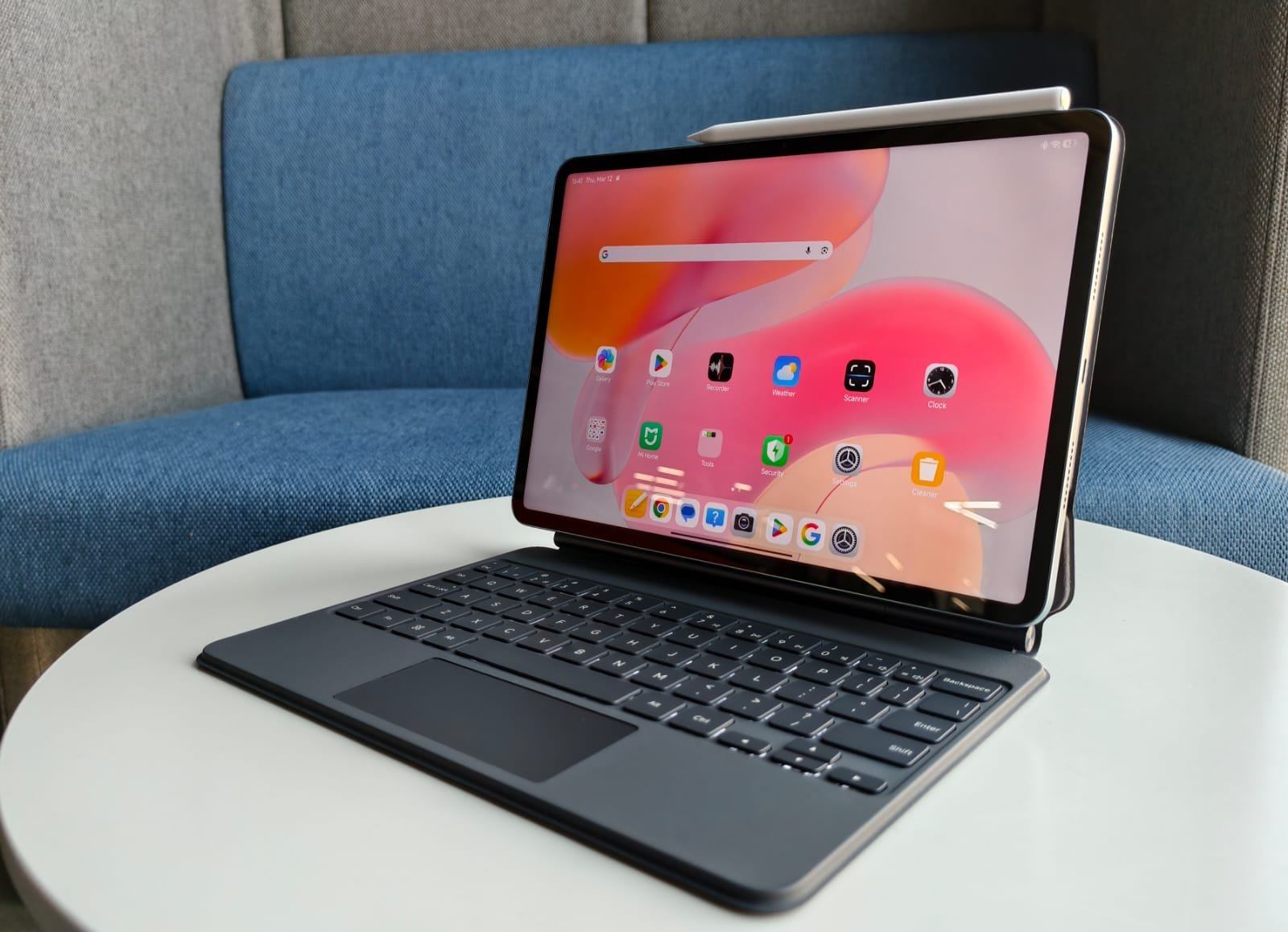
The Xiaomi Pad 8 is a premium tablet that combines entertainment and productivity at an affordable price, competing with the iPad Air and Samsung Galaxy Tab series. After a week of use, I highlight why the Pad 8 could be a game-changer for those looking for a balanced tablet experience.
DESIGN & BUILD
The Xiaomi Pad 8 features a premium aluminium build that is both sturdy and lightweight, weighing just 485g. Its unibody design is slim and comfortable for extended use, making it a clear upgrade over the bulkier Redmi Pad 2 Pro.
The device showcases uniform bezels around its 11.2-inch display, achieving an 86% screen-to-body ratio. Available in multiple colours, the minimalist design features a 13MP rear camera and an 8MP front-facing camera. While it lacks an IP rating for water and dust resistance, its aesthetics rival those of more expensive tablets.
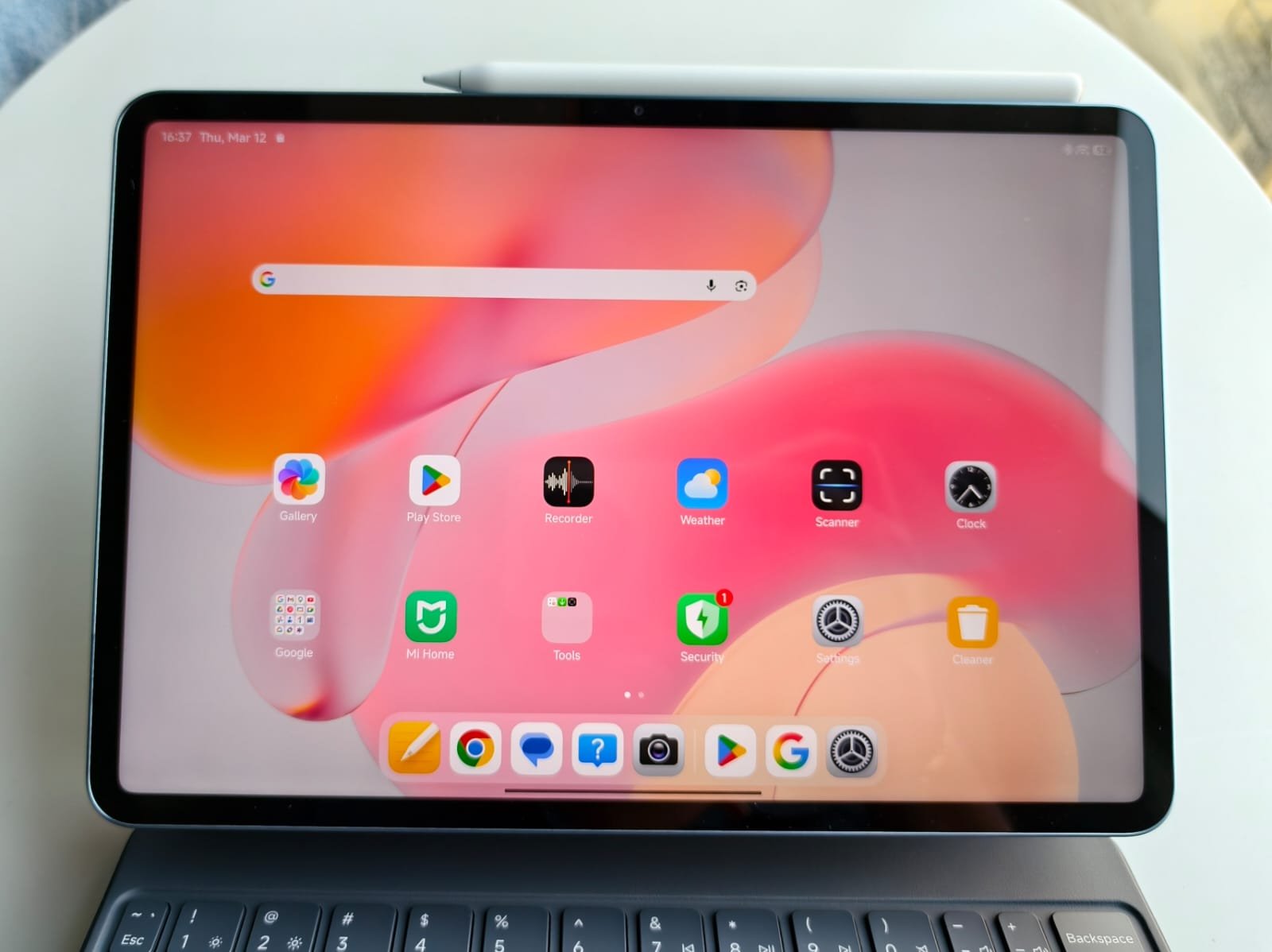
The 3.2K LCD display (3200×2136) offers vibrant colours, a 144Hz refresh rate, and peak brightness of 800 nits, making it suitable for outdoor use. Eye-care certifications help reduce blue light exposure, making it a practical option for on-the-go users. Overall, the design effectively combines functionality and style.
PERFORMANCE
The Xiaomi Pad 8 offers exceptional performance with the Qualcomm Snapdragon 8s Gen 4 chipset, featuring an octa-core design for efficiency and power. With options of 8GB or 12GB of LPDDR5X RAM and up to 256GB of UFS 4.1 storage, it excels in multitasking.
In practical use, it handles productivity apps, streaming, and light gaming remarkably well, thanks to HyperOS 3, based on Android 16, which provides a clean interface and features like multi-window support. Entertainment is enhanced with Dolby Vision and Atmos, and games like Genshin Impact run smoothly, though the device can get warm under load. The Adreno 825 GPU ensures good graphics performance, though it’s not purely a gaming device.
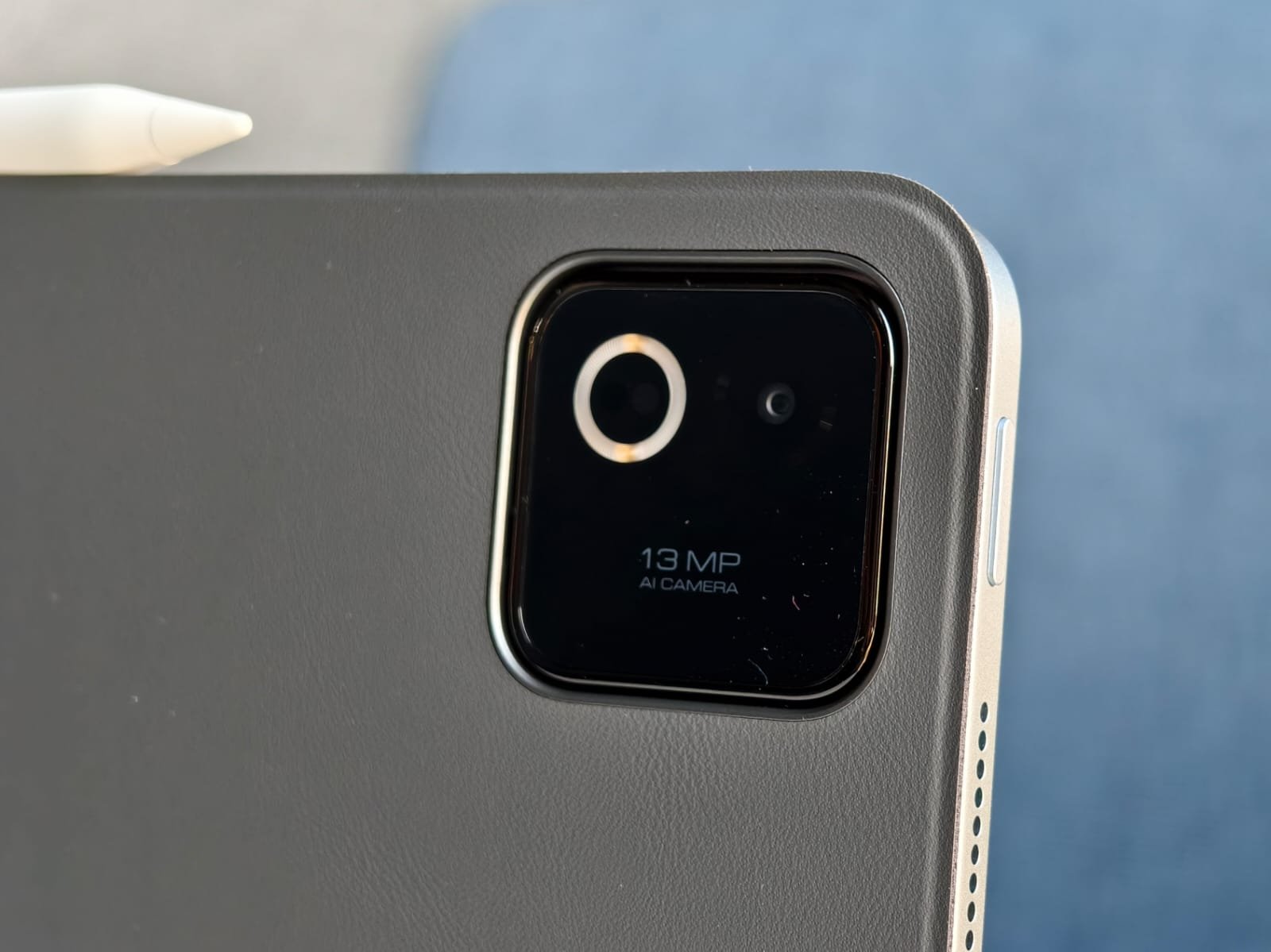
AI features in HyperAI, like object removal, add some novelty. The 13MP rear camera captures decent 4K video, while the 8MP front camera is suitable for 1080p calls. The quad speakers produce balanced sound, though the bass could be better. Minor software hiccups in HyperOS have been noted, but overall, the Pad 8 combines flagship-level performance with a compact design, suitable for both work and play.
BATTERY
The Xiaomi Pad 8 boasts impressive battery life with its 9200 mAh cell, lasting a full day of mixed use and up to 2 days with moderate use. It delivered remarkable runtimes, including 20 hours of under medium usage. Under heavy use, like gaming, it lasts 4-5 hours. Charging is quick with the included 67W charger, taking about 70 minutes for a full charge, but the charger isn’t included. It also features 22.5W reverse charging for accessories. With low power consumption, the Pad 8 outshines competitors like the Redmi Pad 2 Pro, making it ideal for travel and productivity.
ACCESSORIES
The Xiaomi Pad 8 transforms into a laptop-like device with its accessories, notably the Focus Keyboard, which features a full QWERTY layout and a responsive glass trackpad. It connects magnetically, has an adjustable hinge, and offers auto-backlighting, making it ideal for editing documents or emails.
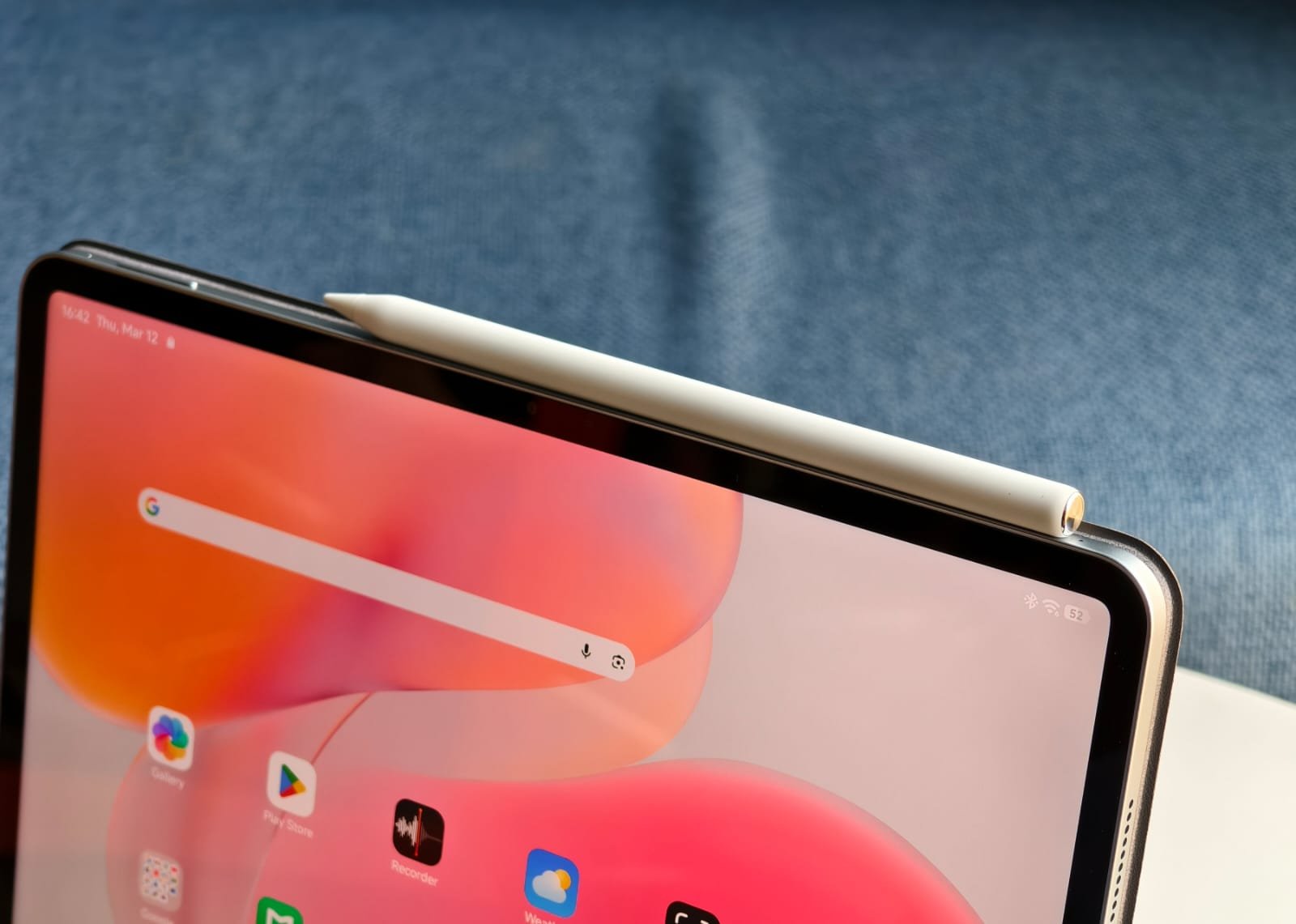
The Focus Pen Pro stylus boasts 16,384 levels of pressure sensitivity, haptic feedback, and wireless magnetic charging, making it excellent for note-taking and drawing. These accessories work well with HyperOS, adding features like floating windows. While there’s no cellular option, the Pad 8 remains a strong choice for Wi-Fi users needing a lightweight workstation, especially with USB-C display output for external monitors.
VERDICT
The Xiaomi Pad 8 is a premium tablet that effectively merges entertainment and productivity. With its solid aluminium build, impressive performance, excellent battery life, and useful accessories, it offers great value starting at ₹34,999, making it a competitive alternative to pricier options like the iPad Air and Samsung Galaxy Tab S10 FE. Key advantages include its slim design, vibrant display, and strong ecosystem, while drawbacks include a lack of OLED contrast, an absence of a fingerprint sensor, and some software quirks in HyperOS.
It’s lighter and more powerful than the Redmi Pad 2 Pro, making it a suitable upgrade. Although it’s not a full laptop replacement, it’s ideal for students, travellers, and casual professionals. If you want an adaptable device under ₹34,999, the Pad 8 is highly recommended for its blend of features and affordability.