

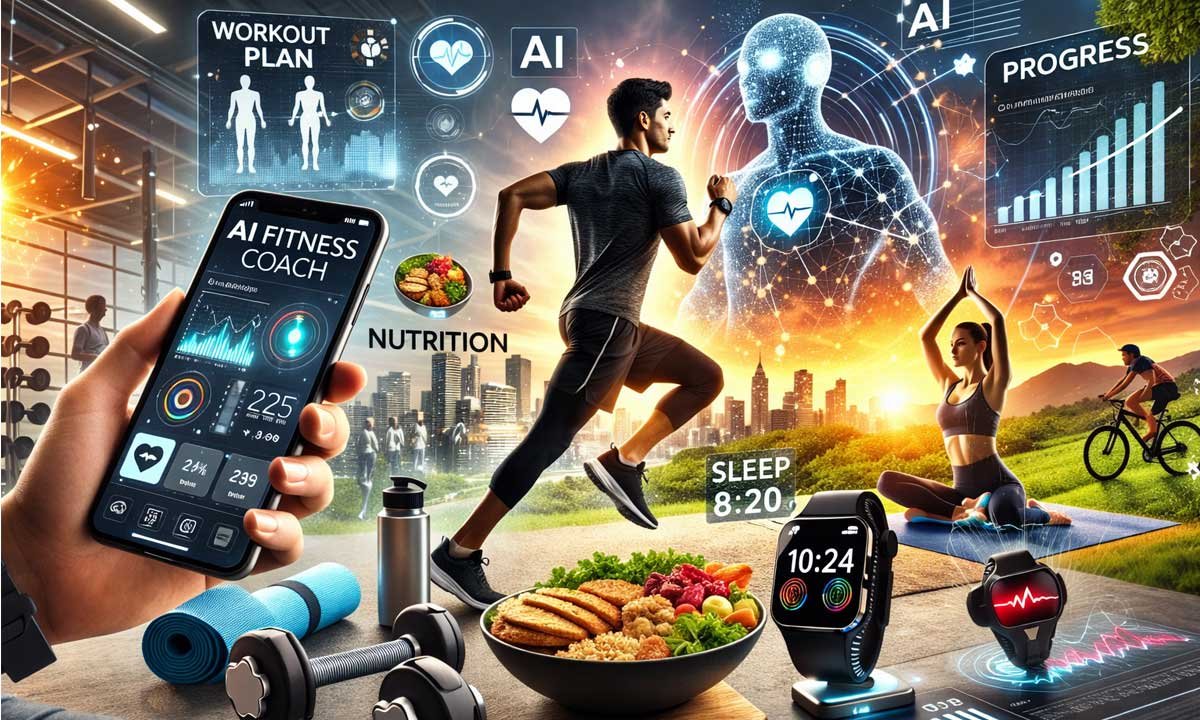
Starting a fitness journey has never been easier, or more overwhelming, for that matter. Between contradictory workout plans, fad diets, influencer advice, and unrealistic transformations on social media, many people don’t fail because they lack motivation, but because they lack clarity. This is where artificial intelligence (AI) could come to your rescue, as it did for me. I did not look at it as a futuristic gimmick, but as a practical, everyday tool that can help me start, sustain, and succeed in my fitness journey.
Tired of having lost my fitness drive due to the lack of clarity, I decided to take the help of AI to satisfy not just my health and fitness needs but also my curiosity. I have been following these plans for the last month and am already noticing changes in weight, my daily freshness, and my overall body shape.
I will start with a disclaimer that AI doesn’t replace discipline or effort. What it does exceptionally well is remove the friction involved in decision fatigue, guesswork, and inconsistency. Whether you’re a beginner trying to lose weight, a busy professional short on time, or someone returning to fitness after a long break, AI can act as a personal coach, planner, analyst, and accountability partner rolled into one. Here’s now.
Personalised Fitness Plans, Not One-Size-Fits-All
One of the biggest reasons people quit fitness routines is that generic plans don’t work for them. AI-powered fitness apps analyse your age, height, weight, goals, injury history, fitness level, and even lifestyle constraints to create highly personalised workout plans.
One way to do it is using a tool like ChatGPT, where you can enter all your body stats, age, etc. in detail. And also mention what the exact result you want along with the amount of time you can set aside for your workouts. Add to these whatever other little details you want, and you’re set.
Instead of blindly following a “30-day shred,” AI adapts workouts to you. If your knees are weak, it avoids high-impact movements. If you’re short on time, it designs efficient 20 to 30-minute sessions.
This dynamic personalisation mirrors what a good personal trainer does, but at no cost and with far more data points.
Smarter Goal Setting That Feels Achievable
Many people set goals that are either too vague (“I want to get fit”) or too aggressive (“Lose 10 kg in a month”). AI helps translate ambition into realistic, measurable, and sustainable goals.
By analysing your baseline data, AI can project achievable timelines and milestones. Instead of fixating on weight alone, it may emphasise improvements in strength, endurance, body composition, sleep quality, or consistency. These smaller wins build momentum and keep motivation alive, which is something traditional fitness plans often ignore.
AI also helps you understand why progress may slow down, preventing frustration and burnout.
Nutrition Guidance Without Diet Extremes
Nutrition is often the most confusing part of fitness. AI-driven nutrition platforms simplify this by analysing your dietary preferences, cultural habits, allergies, and calorie needs.
Take an app like MyFitnessPal, for instance. It’s incredibly useful for counting calories and making sure your nutrition journey is on track. This app now uses AI very effectively, allowing you to just point your camera at the food you’re eating so that it can scan it and log it.
Rather than forcing rigid meal plans, these apps also suggest flexible food choices, portion sizes, and substitutions. They can track your intake, identify nutrient gaps, and recommend adjustments in real time.
For beginners, this removes the fear of “eating wrong” and replaces it with informed decision-making.
Real-Time Feedback Through Wearables
AI truly comes alive when paired with wearables like smartwatches and fitness bands. These devices collect data on heart rate, steps, calories burned, sleep cycles, stress levels, and workout intensity.
AI processes this data to provide actionable insights. It might tell you that you’re training too hard and need recovery, or that your sleep quality is affecting fat loss. Instead of guessing whether you’re doing “enough,” you get objective feedback.
This real-time loop of action and feedback helps beginners learn how their body responds to exercise—something that traditionally takes years of trial and error.
Technique Correction and Injury Prevention
Poor form is one of the biggest reasons people get injured or stop working out. AI-powered motion tracking and computer vision tools can now analyse your posture and movement using just a smartphone camera.
Apps like AI Form Check flag incorrect form, suggest corrections, and even slow down exercises to help you learn safely. Over time, AI can identify movement imbalances, tight muscle groups, or patterns that increase injury risk.
For someone starting out, especially without access to a personal trainer, this can be the difference between long-term consistency and an early setback.
Time Efficiency for Busy Lives
One of the most common excuses for not exercising is lack of time, and often, it’s valid. AI excels at optimising efficiency.
By analysing your schedule and activity patterns, AI can recommend the best time to work out, the shortest effective workouts, and even micro-sessions spread across the day. Instead of demanding an hour at the gym, it helps you extract maximum benefit from limited windows of time.
This makes fitness accessible to people who previously felt excluded by traditional routines.
Data-Driven Progress Tracking Beyond the Scale
Weight is a poor standalone metric. AI shifts focus toward holistic progress by tracking multiple data points: strength gains, endurance improvements, resting heart rate, VO2 max estimates, sleep quality, and consistency.
By visualising trends over weeks and months, AI helps you see progress even when the scale stalls. This data-driven reassurance keeps people committed during inevitable plateaus.
More importantly, it reframes fitness as a long-term process, not a short-term transformation.
Mental Fitness and Stress Management
Fitness isn’t just physical. Stress, anxiety, and burnout directly impact motivation, recovery, and results. Many AI fitness platforms now integrate mindfulness, breathing exercises, and stress monitoring.
By correlating stress levels with sleep, workouts, and nutrition, AI helps you understand when to push and when to pull back. This balance is crucial for beginners who often overtrain out of enthusiasm, only to quit due to fatigue or injury.
Learning Your Body Faster Than Ever Before
Perhaps the most underrated benefit of AI is education. Over time, AI teaches you how your body works, what foods fuel you best, what workouts you enjoy, how much rest you need, and how your mood affects performance.
This self-awareness empowers you to eventually rely less on apps and more on intuition, supported by data. Fitness stops being intimidating and starts feeling personal.
The Human Element Still Matters
It’s important to clarify that AI is not a magic solution. You still need to show up, move your body, and make better choices. What AI does is remove unnecessary complexity and help you focus on execution.
Think of AI as a smart co-pilot. It won’t fly the plane for you, but it will guide, correct, and support you throughout the journey.
Final Thoughts: A Smarter Way to Start
Starting a fitness journey is often less about willpower and more about systems. AI provides those systems. For beginners, especially, AI lowers the entry barrier to fitness. It replaces confusion with clarity, extremes with balance, and guesswork with insight. In a world where quitting fitness is easy, AI makes sticking with it just a little more achievable. And sometimes, that’s all you need to get started.