


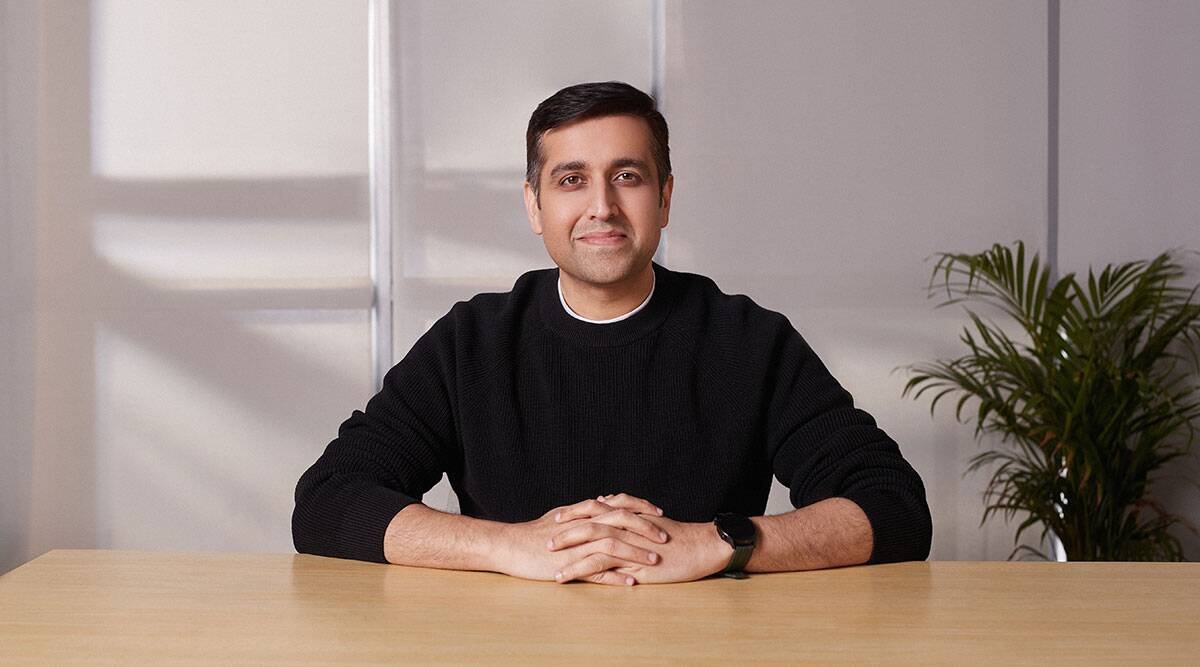
After helping build some of India’s most recognisable smartphone brands, Madhav Sheth, CEO of Ai+ Smartphone and Founder of NxtQuantum Shift Technologies, has embarked on a new mission: creating technology that puts users back in control of their digital lives. At a time when AI is rapidly becoming part of everyday devices, Sheth believes the industry’s biggest challenge isn’t making AI more powerful, but making it more transparent and trustworthy. In this edition of Tech Titans, Sheth discusses why clarity of intent drives every major decision he makes, how unequal access to opportunity shaped his entrepreneurial journey, and why Gen Z is changing the way companies innovate. He also shares his views on AI’s limitations, the importance of protecting user data, and the bold decision to walk away from an established path to build a company around his own vision for the future of consumer technology.
What’s a personal habit or ritual that quietly shapes how you make big decisions?
A habit that quietly shapes my biggest decisions is taking a step back to find absolute clarity of intent before moving forward. No matter how urgent or complex the situation is, I make it a point to ask myself a few simple questions: what are we really trying to build, why does it matter, and what impact it will create over time.
What’s one childhood incident that shaped who you are today?
Growing up, I remember seeing how access was never equal whether it was education, opportunity, or even technology. That stayed with me. It made me realise early on that potential is universal, but access isn’t. A lot of what I’m building today comes from that belief that the role of technology should be to close that gap, not widen it.
What are your thoughts on Gen Z work culture, and how do you shape your work style to align with them?
Gen Z is redefining work with a clear focus on purpose, speed and authenticity. They care about real impact, not hierarchy. At Ai+ Smartphone, we reflect this by empowering early ownership and keeping decision making agile. Ideas matter more than titles, and momentum matters more than process.
As a leader, I focus on being collaborative and transparent, enabling the team rather than directing it. At its core, we are not managing Gen Z, we are building with them.
What’s the biggest lie the industry is telling itself about AI right now?
That AI can replace human judgment. It can’t. AI can process, predict, and optimise but it still needs intent, context, and accountability, which only humans can provide. At Ai+, we look at AI as applied intelligence something that works alongside people, not instead of them.
What problem in the world still frustrates you enough to keep you awake at night?
The lack of transparency in how personal data is used. Most people carry devices that know everything about them, but they don’t know what their devices are doing in return. That imbalance is something we’re actively trying to solve with Ai+ bringing visibility and control back to the user.
What’s a decision you made that looked risky at the time but turned out?
Choosing to build something new instead of continuing on a path that was already working. Walking away from scale to build from scratch is never the safe choice but sometimes it’s the necessary one if you want to build with conviction. Looking back, that decision allowed us to define our own philosophy instead of inheriting someone else’s.
What brands of gadgets do you use every day?
I use a mix, depending on the use case but increasingly, I try to rely on what we’re building at Ai+. It keeps me close to the product, close to the gaps, and honest about what needs to improve. If you’re building for people, you have to live with what you’re building every day.
When people look back at your work decades from now, what do you hope they say you changed?
I’d hope they say we made technology more trustworthy. Not just more powerful or more accessible but more transparent. If people feel more in control of their digital lives because of what we built, that would matter more than anything else.
What’s harder: taking a bold decision or sticking with it when things go wrong?
Taking a bold decision
What part of AI genuinely excites you—and what part quietly worries you?
What excites me about AI is its ability to dramatically improve productivity. It can simplify workflows, accelerate execution, and unlock efficiencies across industries. What worries me is the growing dependence on it for thinking itself. When people start outsourcing judgment, creativity, and reasoning to AI, that’s when it becomes dangerous. There must be a balance, where AI augments human capability, not replaces it.
Rapid Fire
- Books you swear by: The Art of War by Sun Tzu
- Quote you live by: Consistency builds credibility