

-
Can you take us back to the moment you decided not to “wait your turn” and instead take the lead in your space?
There wasn’t a single dramatic moment. It was a quiet rebellion.
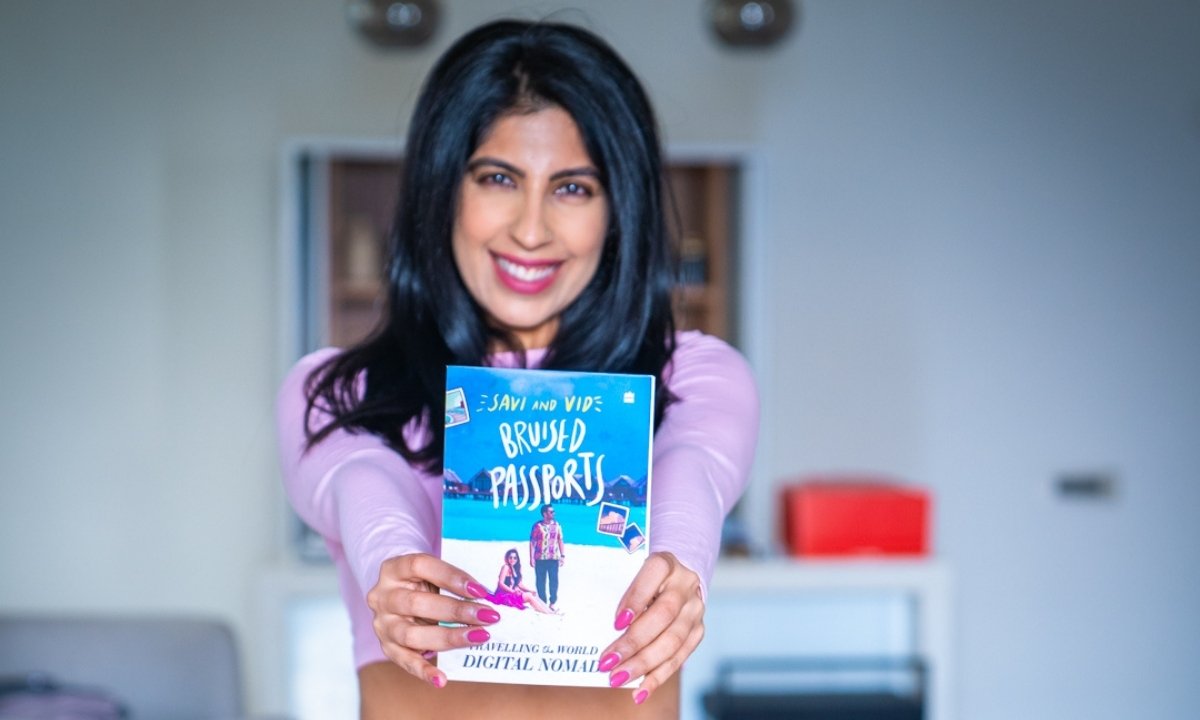
When we started Bruised Passports, there was no roadmap. No one was telling Indian women that travel could be a career, a calling, or a creative canvas. I realised early on that if I kept waiting for permission from the industry, from society, or from people around me, I would be waiting forever.
So I stopped asking. I stopped waiting for travel blogging to be validated as a profession. I stopped waiting to be taken seriously as a businesswoman simply because I was sharing my life online.
Sometimes leadership isn’t about stepping onto a stage. It’s about deciding you won’t stand in the wings anymore.
-
What does power mean to you personally, and how has that definition evolved through your journey?
My definition of power has evolved significantly over the years. In my early thirties, I thought power was visibility closely tied to numbers, growth, and recognition.
Today, I know power is a choice.
The choice to take a break without guilt.
The choice to say no to a lucrative project that doesn’t align.
The choice to protect my mental health.
Power once meant being unstoppable. Now, it means being intentional. It means designing a life I don’t have to escape from constantly.
-
Every path has unseen challenges. What’s one obstacle you faced that shaped the leader you are today?
Burnout.
For years, I romanticised hustle. We were building a global travel brand from scratch, managing partnerships, deadlines, and constant movement. While it was exciting and rewarding, it was also relentless.
Being on this journey with a partner has been invaluable. Conversations with Vid made me confront an important truth early on: success without sustainability is self-sabotage.
That realisation forced me to redesign not just my schedule, but my definition of ambition. Today, I lead with boundaries. I build with longevity in mind. And I speak openly about rest on social media because leadership that costs you your well-being isn’t leadership, it’s survival.
-
In a world that often tries to box women into roles, how have you carved out your own identity and voice?
The world loves tidy narratives, and women are often asked to shrink themselves into one.
From a young age, my parents encouraged me to dream big. Later, I met a partner who empowered me in ways I never imagined. They taught me that ambition doesn’t require apology.
I carved my identity by being authentic and consistent. I’ve often spoken about how strange it felt when people were surprised that I could discuss analytics in a boardroom and care deeply about aesthetics on a shoot, as if intelligence and femininity couldn’t coexist.
I refused to fragment myself for comfort. I chose to show both the polished and the vulnerable sides of life, from five-star hotels to honest conversations about the work relationships require. Identity is layered, and I chose to tell mine fully.
-
Was there a pivotal failure or setback that became a turning point in your growth? What did it teach you?
Like any business, there have been campaigns that didn’t land, ideas that flopped, and seasons where growth plateaued.
But the most pivotal setback wasn’t public; it was personal. There was a phase when I felt disconnected from the very thing I loved: travel. As the influencer industry grew, experiences began to feel content-first, with joy second.
That scared me.
So I went back to basics. I reclaimed joy by travelling without documenting every moment. I started creating without chasing metrics. We slowed down, became more intentional, and stopped saying yes to everything.
The lesson was simple but profound: growth that costs you joy is too expensive.
If you don’t protect the soul of what you build, the world will reduce it to numbers, and numbers alone are never enough.
-
Who are the women or mentors who have influenced your journey, and how have they shaped the way you lead?
My mother first and always. She shaped my understanding of resilience. She didn’t speak about ambition loudly; she lived it quietly. Watching her balance strength with grace taught me that leadership doesn’t need aggression to be powerful.
With a background in English Literature, I’ve also been deeply inspired by rebellious authors and artists who refused to conform to societal expectations.
And the women in our community continue to shape me every day. When someone tells me, “I booked my first solo trip because of you,” that’s mentorship in reverse. It keeps me accountable. Leadership isn’t about being ahead, it’s about lifting others as you move forward.
-
What change are you most proud of driving—whether in your industry, community, or within yourself?
I’m proud that we helped make travel feel accessible to Indian audiences at a time when it felt distant and unattainable. We spoke openly about visa processes, budgets, mistakes, and planning. We demystified international travel.
On a personal level, I’m proud of normalising nuance. Travel isn’t always picture-perfect. Marriage isn’t effortless. Entrepreneurship isn’t always glamorous. And mental health doesn’t automatically improve with success.
If Bruised Passports has done anything meaningful, I hope it has shown women that you can design a beautiful life with intention, perseverance, and honesty.
-
For the next generation of women looking up to you, what is one piece of advice you’d give about owning their space and taking the lead?
Don’t follow stereotypes. Don’t wait for validation.
You don’t need societal approval to fulfil your dreams; you need conviction. And endurance.
Building something meaningful takes longer than social media suggests. There will be seasons where growth is invisible, doubt is loud, and comparison creeps in. Keep building anyway.
Define success on your own terms. The goal isn’t to take someone else’s seat at the table. The goal is to build your own table and leave space for others to sit beside you.
1 Comment
Pingback: propecia medication