


A bumpy auto-rickshaw ride in India may seem like an unlikely test for a smartwatch, but for Samsung’s Noida R&D team, it became a useful lesson in how wearable technology needs to account for local conditions.
Samsung Research Institute-Noida (SRI-N) is contributing to health and wellness capabilities on the Galaxy Watch9 and Galaxy Watch Ultra2, while also testing software against conditions and behaviours specific to India. The centre, established in 2007, works across Samsung’s global Galaxy ecosystem, with digital health among its key areas of focus.
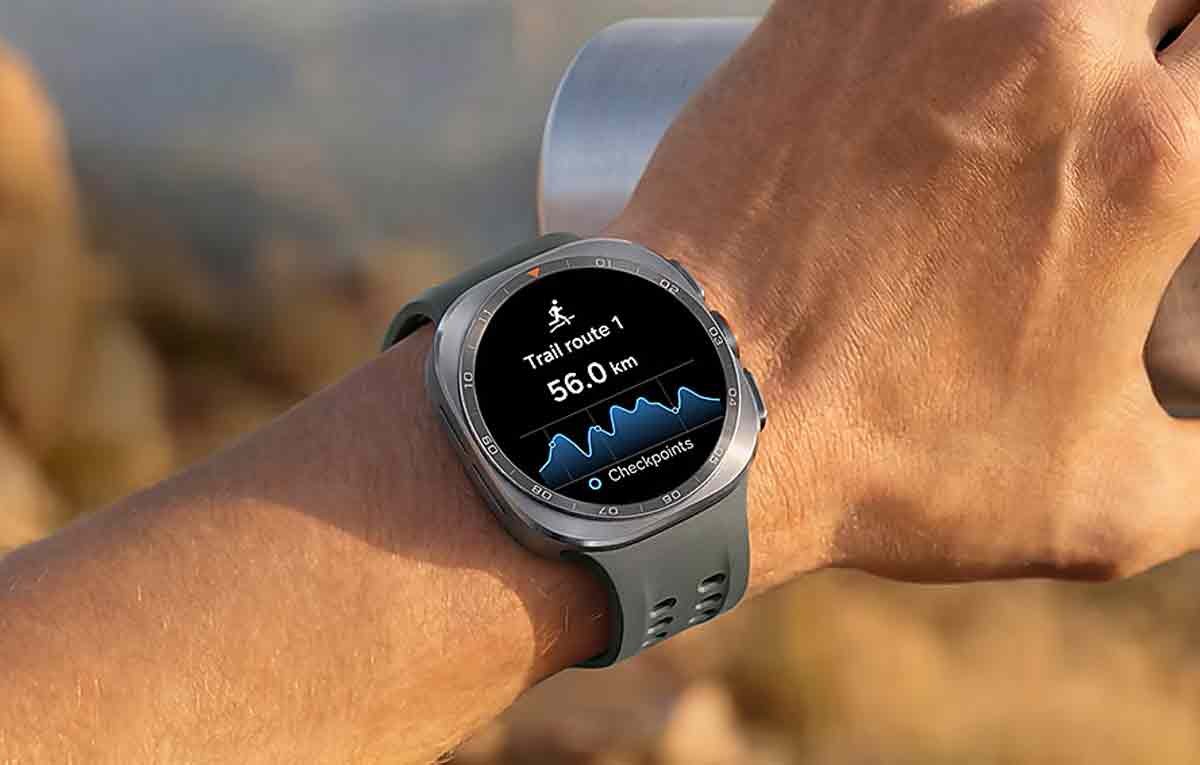
Among the features receiving contributions from the Noida team are Vital Tracker, Daily Cardio Load, Hearing Health and Trail Running. Vital Tracker analyses metrics including heart rate, heart-rate variability, skin temperature, respiratory rate and blood oxygen during sleep, while Daily Cardio Load combines activity and recovery data to provide a more personalised picture of exercise intensity.
The Indian environment also serves as a real-world testing ground. During trials, Samsung engineers discovered that movement from auto-rickshaws travelling over bumpy roads could be incorrectly interpreted as bicycle rides by the watch’s auto-cycle detection system. The team investigated these false positives and refined the algorithm. Some of the sensor improvements developed in India have subsequently been incorporated into Samsung’s global products.
Also Read: Samsung Unveils 2026 Bespoke AI Appliance Range in India
The Noida centre’s work extends beyond wearable software. Samsung has developed India-specific services within Samsung Health, including an ABDM-compliant digital health record with Eka Care, medication tracking with Tata 1mg, and Find Care services with Tata 1mg and PharmEasy for consultations, medicines and lab tests.
With user consent, health records can be shared with ABDM-compliant providers, while prescriptions can be processed by Samsung Health’s AI to extract medication information and feed it into the Medication Management tracker.
The result is a two-way role for Samsung’s India R&D operation: developing technology for a global product portfolio while using India’s roads, behaviours and healthcare infrastructure to refine how that technology works.
1 Comment
Pingback: Samsung Wallet Adds Fingerprint UPI Payments in India