

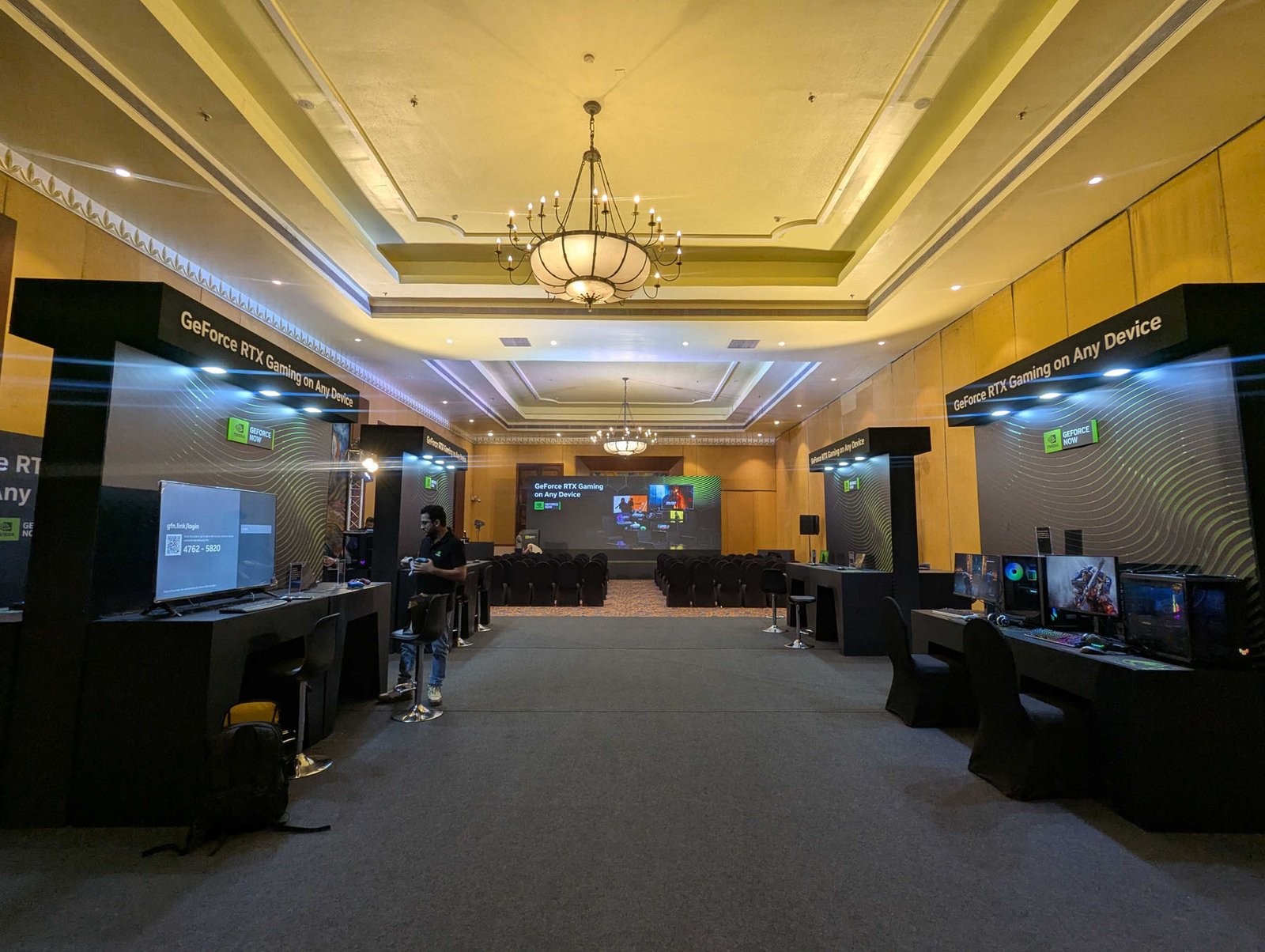
NVIDIA’s GeForce Now cloud gaming service is finally making its way to India, with servers firing up in Mumbai. Although the full commercial launch is slated for later in Q1 2026, an open beta is coming, and we were lucky enough to get an exclusive hands-on preview at a media event in Mumbai on February 6, 2026. The experience was nothing short of revolutionary. As someone who’s been following the gaming scene in India, this feels like a seismic shift that could democratize high-end gaming for millions.
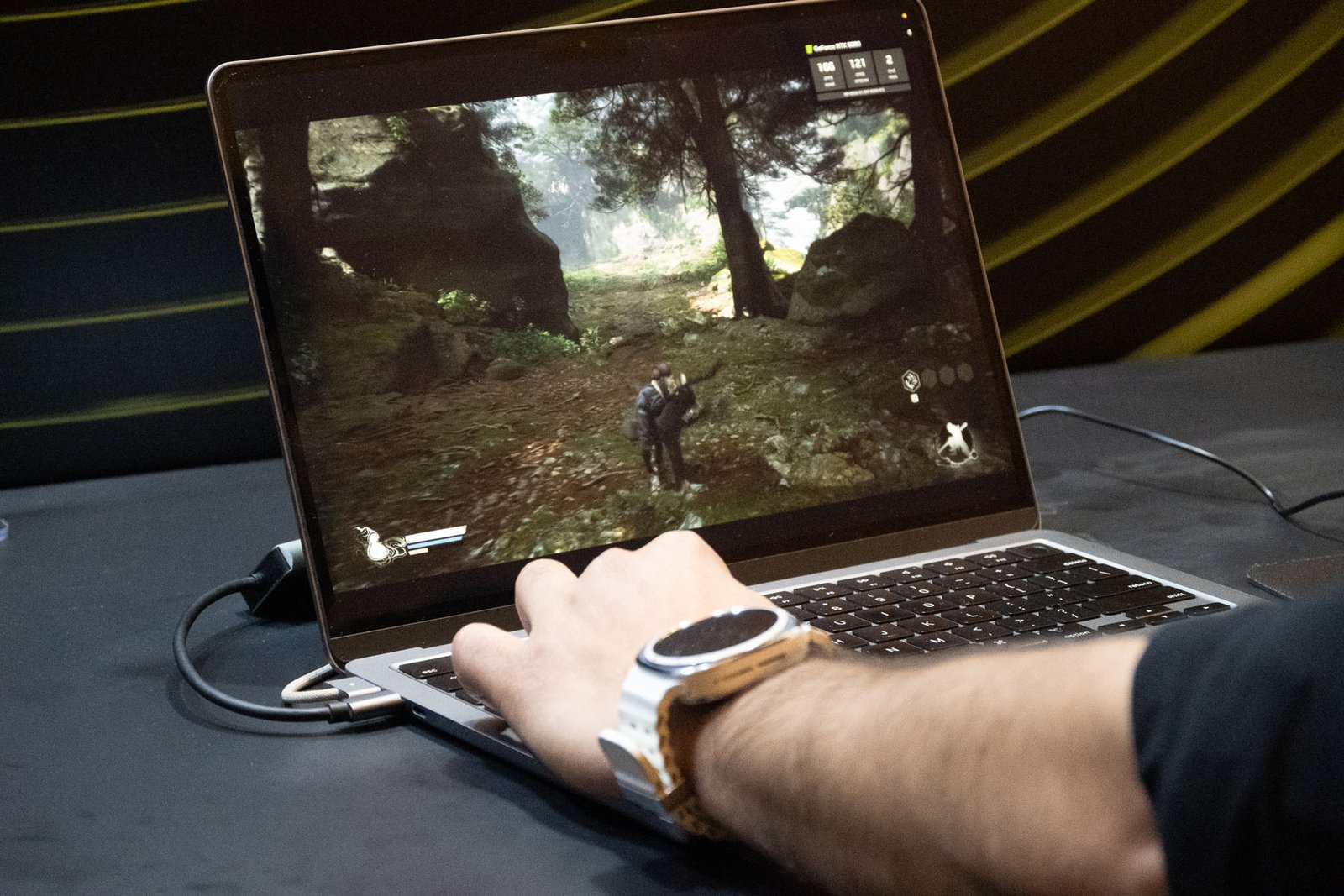
For the new, GeForce Now isn’t your typical game streaming platform. Unlike services that require you to buy games, it lets you play titles you already own from libraries like Steam, Epic Games Store, and Xbox, powered by NVIDIA’s RTX servers in the cloud. During our hands-on session, we tested it on a variety of devices: from a modest Chromebook to a MacBook and even an entry-level smart TV. The setup was simple, log in via browser or app, connect a controller, and start playing. We fired up demanding games like Cyberpunk 2077 and Alan Wake 2, running at 4K with ray tracing enabled, all streamed with cinematic colour accuracy. The latency? Impressively low, clocking in under 20ms thanks to the local Mumbai servers, making it feel like local hardware. It was amazing how fluid everything ran; no stuttering, no compromises, it was like having an RTX 5080 rig in your pocket.
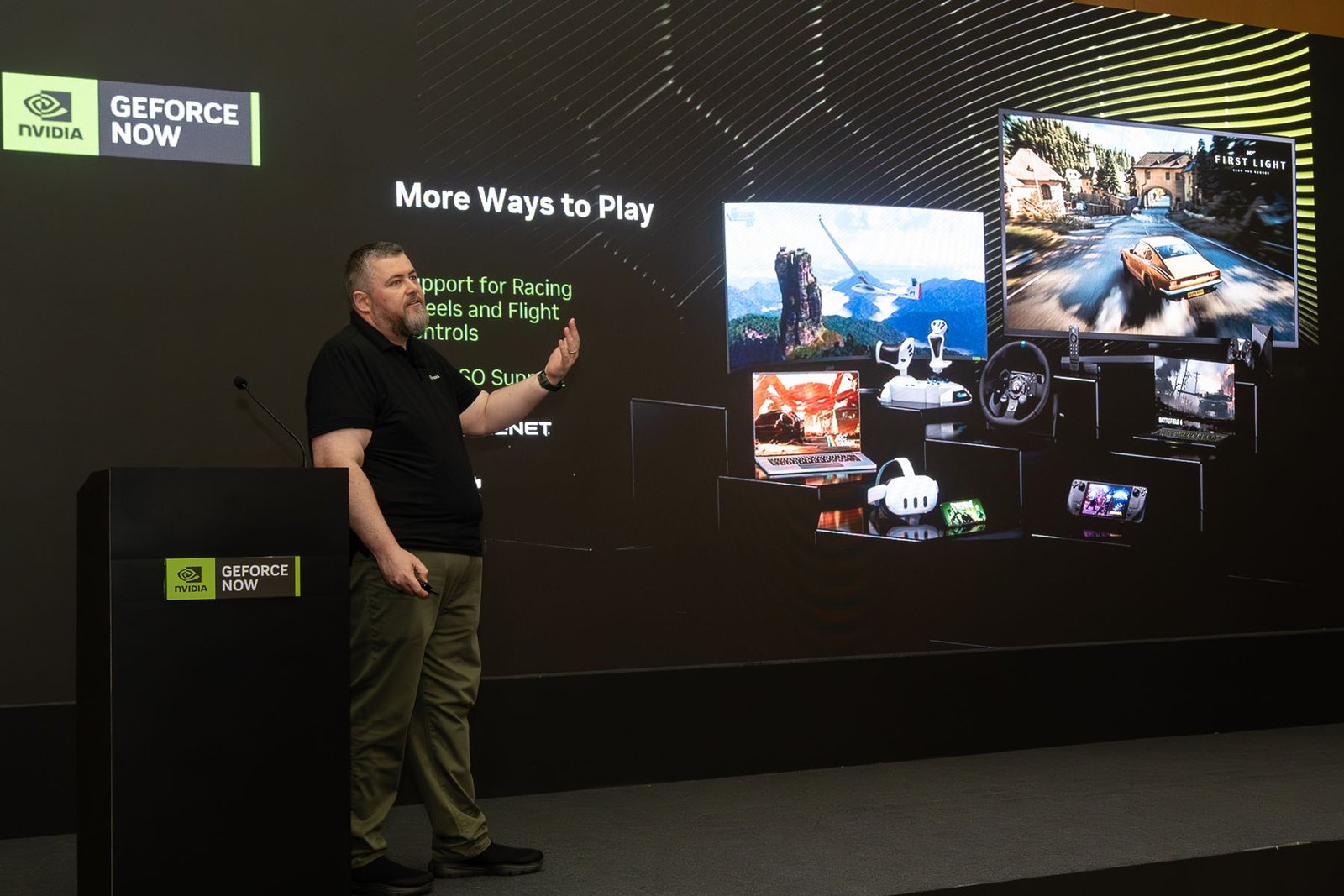
This hands-on left us buzzing about how GeForce Now could transform the Indian gaming market. India’s gaming industry is booming, with over 600 million gamers projected by 2026, but high-end PC gaming remains a niche due to costs. Building a capable rig today can easily set you back ₹1,00,000 or more, factoring in skyrocketing RAM prices amid global shortages and inflation. Components like an RTX 5060 ti alone cost upwards of ₹50,000, not to mention the rest of the build like CPU, RAM, storage, and cooling. For many in India, where average incomes hover around ₹15,000-20,000 monthly in urban areas, this is a prohibitive barrier. Mobile gaming dominates, but it can’t match the depth of AAA PC titles.
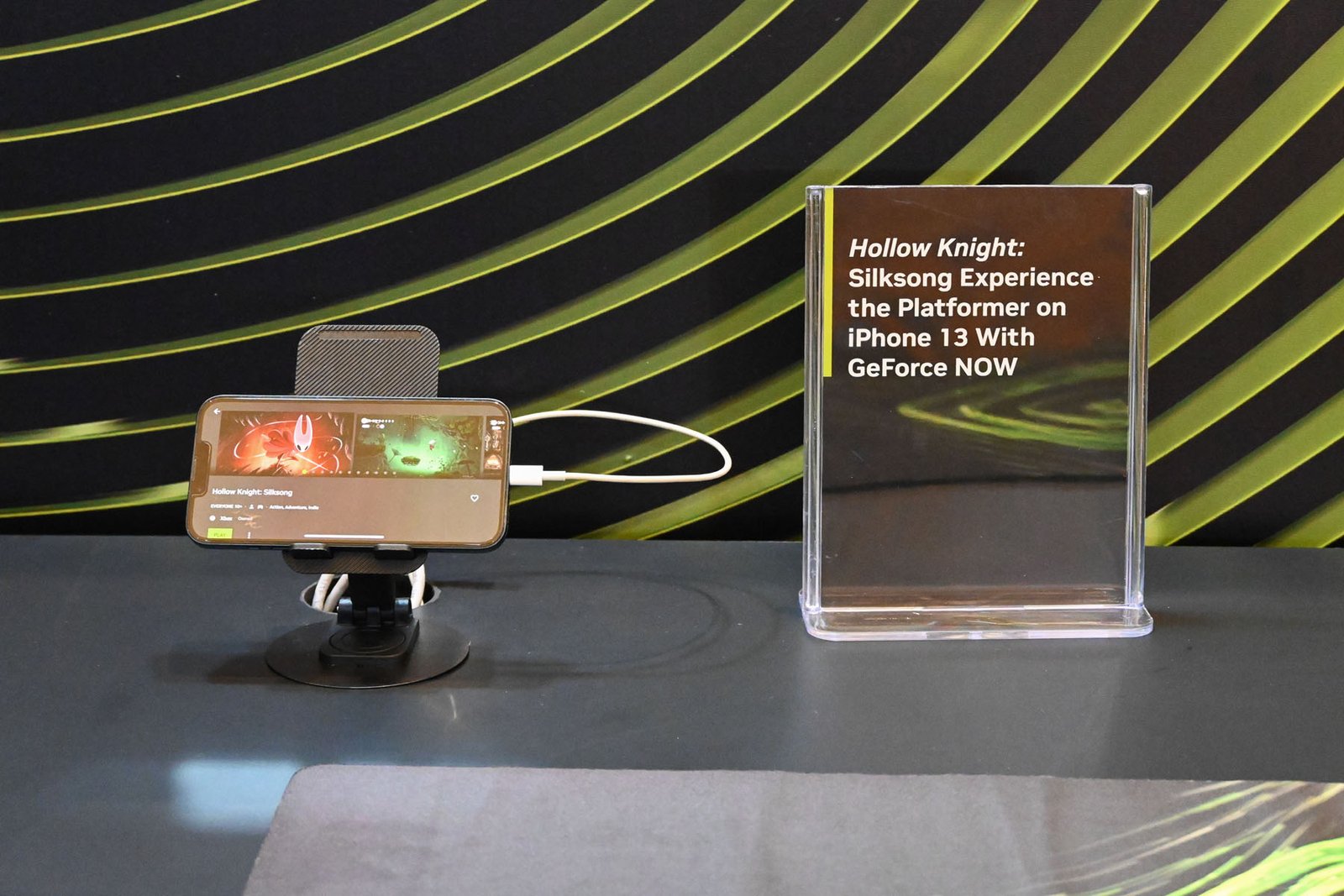
With GeForce Now available, you no longer need that expensive hardware. All the heavy lifting happens on NVIDIA’s RTX 5080 SuperPods in Mumbai, streaming the game to your device over the internet. As long as you have a stable broadband connection of 50 Mbps or higher, you’re good to go. In our preview, games loaded in seconds, with visuals that rivalled dedicated consoles. This means students, casual gamers, and even professionals can access top-tier experiences on their existing laptops or phones. Imagine playing Fortnite or Genshin Impact at max settings on a ₹20,000 budget laptop, no upgrades required.
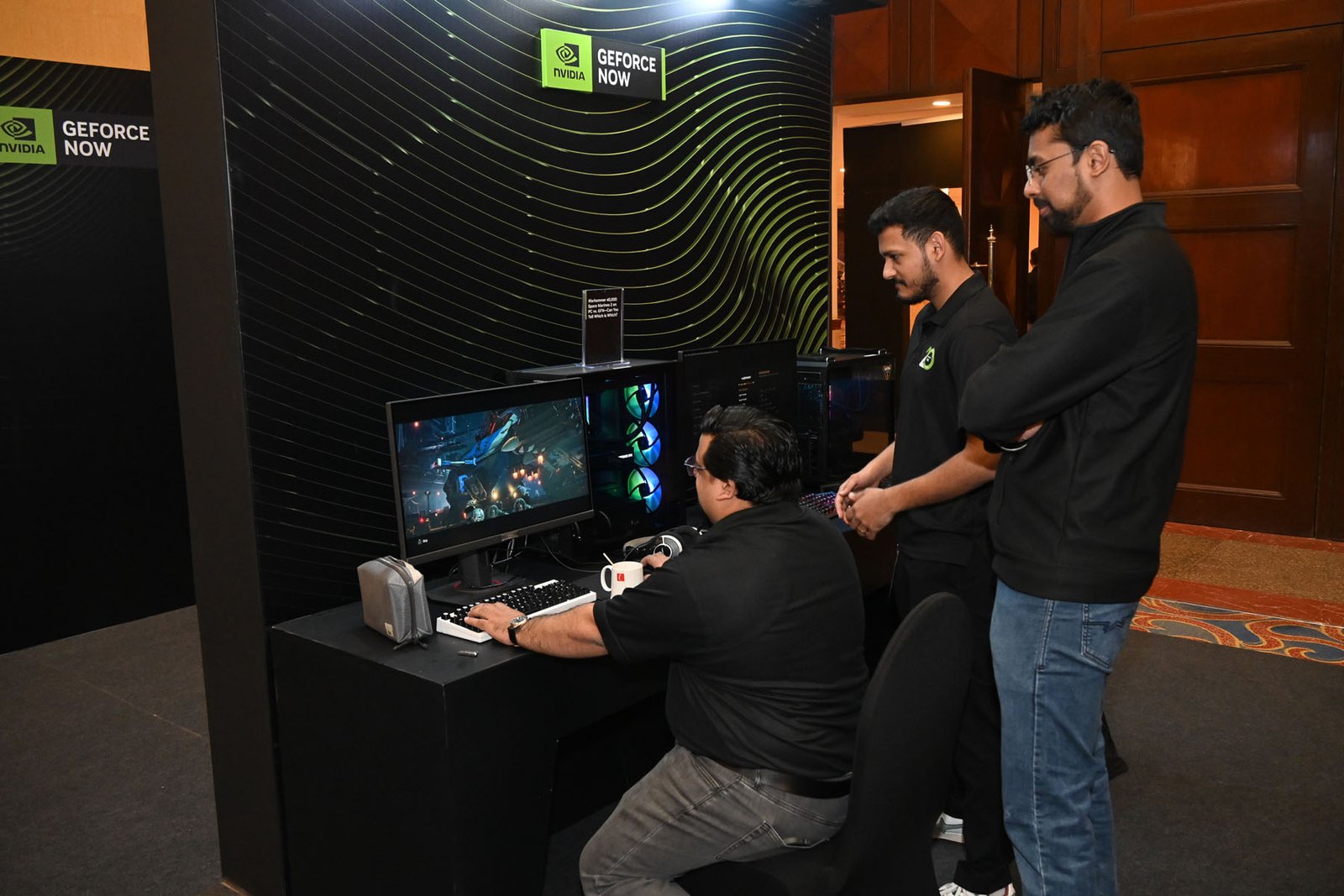
The impact on the market could be deep. Currently, India’s PC gaming segment is limited to enthusiasts who can afford to import or build their own systems. Cloud gaming like this levels the playing field, potentially expanding the market by tapping into the massive mobile-first audience. According to industry reports, cloud gaming could grow the Indian sector to $5 billion by 2028, driven by services like GeForce Now. It also bypasses hardware obsolescence: as NVIDIA upgrades its servers to newer tech like Blackwell RTX, users get those benefits automatically, without having to buy new cards.
Moreover, with servers in Mumbai, latency issues that plagued international services will be minimized. Previously, Indian gamers relying on foreign cloud services faced ping times of 100-200ms, leading to laggy gameplay. Now, with local infrastructure, it’s optimized for the region. NVIDIA’s decision to operate directly, without third-party ISPs, ensures consistency. This could promote competition, encouraging rivals like Xbox Cloud Gaming and successors to Google Stadia to invest more in India.
Of course, challenges remain. Broadband penetration is improving, but rural areas lag behind urban centres like Mumbai. Data caps could be an issue for heavy streamers, though NVIDIA optimizes for efficiency. Pricing will be key, as globally subscriptions start at $9.99/month for the the Priority tier. Still, India-specific plans are expected to be more affordable, perhaps around ₹500-800/month, tailored to local economics. The open beta will give us a taste and allow us to gather feedback to refine the service.
During our session, switching between devices was seamless. We started a game on a MacBook, paused it, and resumed it on a TV, all synced via the cloud. Ray-traced reflections in Control looked stunning, and DLSS upscaling kept frames buttery smooth. It was exciting to imagine this could become the norm in Indian households, turning any screen into a gaming powerhouse.
GeForce Now is not just a service; it’s a game-changer for accessibility. Gamers no longer need to spend years saving up to build an expensive PC. With the open beta launching soon, Indian gamers are about to enter a new era in gaming. Based on our hands-on experience, we can confidently say it’s going to be amazing.