

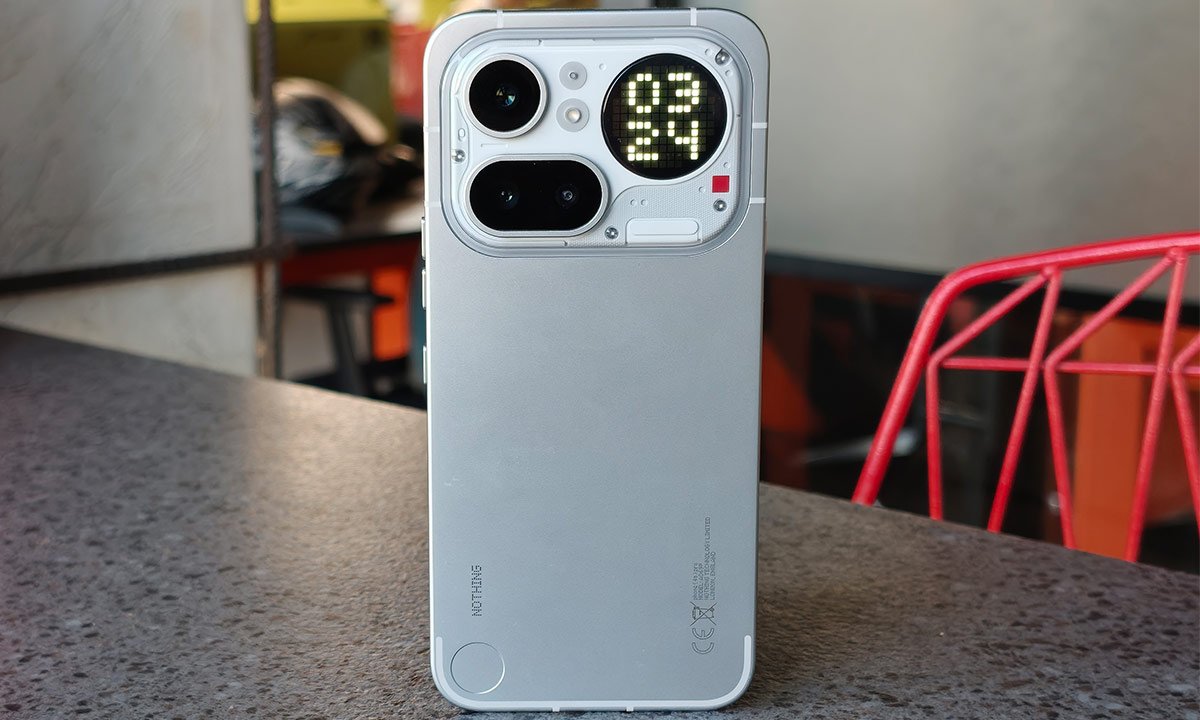
Verdict
The Nothing Phone 4a Pro represents a significant maturation of the brand’s approach. It no longer relies solely on visual identity or software minimalism to stand out. Instead, it delivers a more balanced, considered experience that aligns more closely with its pricing. It is not without its compromises. Performance does not lead the segment, video capabilities lag behind some rivals, and certain hardware elements feel less ambitious than expected. However, it compensates with a strong design language, a notably improved camera system, and a software experience that remains among the cleanest in Android. From my perspective, the Phone 4a Pro feels less like a statement piece and more like a product designed for sustained, everyday use. It may not dominate every category, but it integrates its strengths in a way that feels cohesive. And in a segment where many devices excel in isolation but falter as a complete package, that counts for more than it might initially seem.
The Good
- Premium metal build
- Excellent telephoto camera
- Clean software experience
The Bad
- Average performance
- Weak video quality
-
Design
-
Display
-
Sound
-
Performance
-
Camera
-
Software
-
Battery Life
At ₹39,999, the Nothing Phone (4a) Pro is no longer playing the underdog. This is a segment where expectations are unforgiving, and the competition is sharply defined. You’re looking at credible alternatives like the Google Pixel 10a, known for its computational photography prowess, and even entry-premium devices like the Apple iPhone 17e, which bring ecosystem strength and brand gravity into the equation. And the Nothing handset is undercutting both devices by big margins.
The brand has historically leaned on design and software differentiation, but at this level, that alone doesn’t suffice. The Phone (4a) Pro needs to feel complete, and more importantly, justified. Having spent time with it as a daily driver, what becomes apparent is that this is not just an iterative update. It’s a philosophical shift in how Nothing wants to be perceived in the premium conversation.
Design
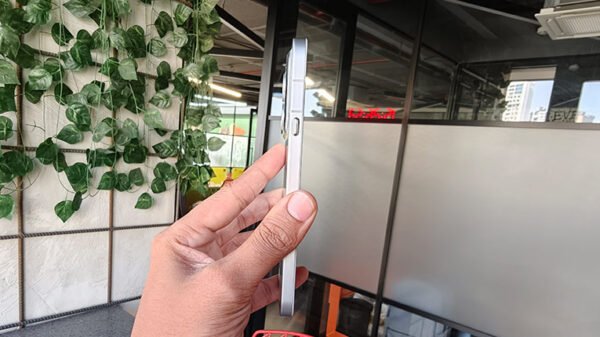
The most immediate, and perhaps most important, change is in the industrial design. Nothing has moved away from its mid-range experimentation into something far more resolved. The transition to an aircraft-grade aluminium unibody fundamentally alters how the device feels in hand. It is slimmer, more cohesive, and significantly more premium than its predecessor, even if the weight difference on paper is negligible.
What I particularly appreciate is the restraint. The transparent design language is still present, but it has been scaled back and refined. The new contoured camera module, with its bubble-like polycarbonate dome, feels like an evolution rather than a gimmick. It still carries the brand’s identity, but without trying too hard to stand out. Over the course of usage, I found it surprisingly durable in day-to-day handling, though I would still be cautious about more severe drops given its exposed nature.
Also Read: Nothing Phone (4a) Review: Betting Big on Budget with a Glyph Twist
There are, however, minor inconsistencies that reveal themselves on closer inspection. The curvature of the camera dome does not perfectly align with the geometry of the metal frame, and the inner edges around the display glass feel slightly sharp under certain grips. These are not deal-breakers, but at this price point, they are noticeable. That said, this is easily the most mature and premium-feeling Nothing phone to date.
The Glyph Matrix, while a scaled-down version of what’s available on higher-end models, adds a layer of functional novelty. With support for live updates and glanceable information, it transitions from being a purely aesthetic feature to something that can occasionally be useful in everyday scenarios.
Display & Sound
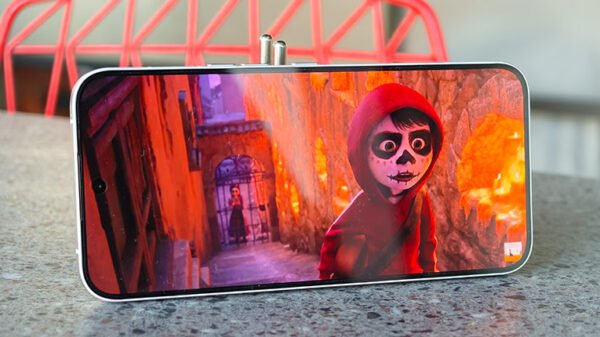
The display is another area where Nothing has made a meaningful leap. The 6.83-inch AMOLED panel, with its 1.5K resolution and high peak brightness, delivers a viewing experience that feels appropriately premium. In outdoor conditions, particularly under harsh sunlight, it remains legible without strain, which is critical in real-world usage.
Colour reproduction leans towards accuracy rather than vibrancy, which aligns well with the phone’s broader philosophy. Blacks are deep, contrast is strong, and the uniform bezels contribute to a clean, immersive visual experience. While the panel is marketed with a 144Hz refresh rate, in practice, the device operates at a maximum of 120Hz. In isolation, this is not a drawback, because the experience remains fluid and responsive, but it does raise questions about the relevance of the higher claimed figure.
HDR performance, however, is somewhat inconsistent. While the hardware is capable, app-level support does not always deliver the expected dynamic range or brightness, which slightly undercuts the otherwise strong display credentials.
Audio output is functional but not particularly nuanced. The stereo speakers are loud and clear, but the soundstage feels skewed towards the bottom-firing unit, resulting in a less balanced output when consuming media. It is serviceable, but not immersive.
Performance
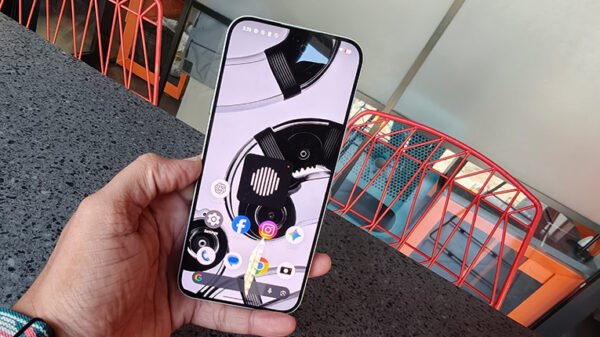
Performance remains the Phone (4a) Pro’s most measured aspect. Powered by the Snapdragon 7 Gen 4, it delivers a level of responsiveness that is perfectly adequate for everyday usage. Navigating the UI, multitasking between apps, and handling routine workloads are all executed without friction.
However, in the context of its pricing, the chipset does not push boundaries. Competing devices in and around this segment are beginning to offer significantly more powerful silicon, and that gap becomes evident under sustained load. Gaming performance illustrates this clearly. Titles like Call of Duty: Mobile run comfortably at higher settings, aided by the display’s responsive touch sampling, but more demanding games such as Genshin Impact require a step down to medium settings to maintain stability. Thermal buildup is present, though controlled, and does not lead to crashes or severe throttling.
In essence, the Phone (4a) Pro prioritises consistency over peak performance. For the majority of users, this approach works, but for enthusiasts or heavy gamers, it may feel conservative.
Camera
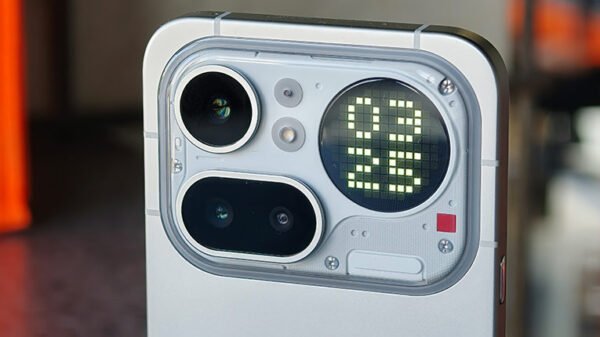
If there is one area where the Phone (4a) Pro genuinely exceeds expectations, it is in imaging. The inclusion of a 3.5x periscope telephoto lens fundamentally enhances the camera system’s versatility, and more importantly, its usability.
The primary sensor produces images that are impressively balanced. There is a clear shift towards natural colour science, avoiding the oversharpening and saturation that often plague this segment. Dynamic range is well controlled, and detail retention holds up even under closer inspection. This results in images that feel more authentic and less processed.
The telephoto camera is the standout. At 3.5x optical zoom, it delivers sharp, detailed results and even extends effectively into higher digital zoom ranges without falling apart. I found myself relying on it far more than expected, particularly for street photography and tighter compositions. Low-light performance remains competent, though some AI-driven sharpening becomes apparent.
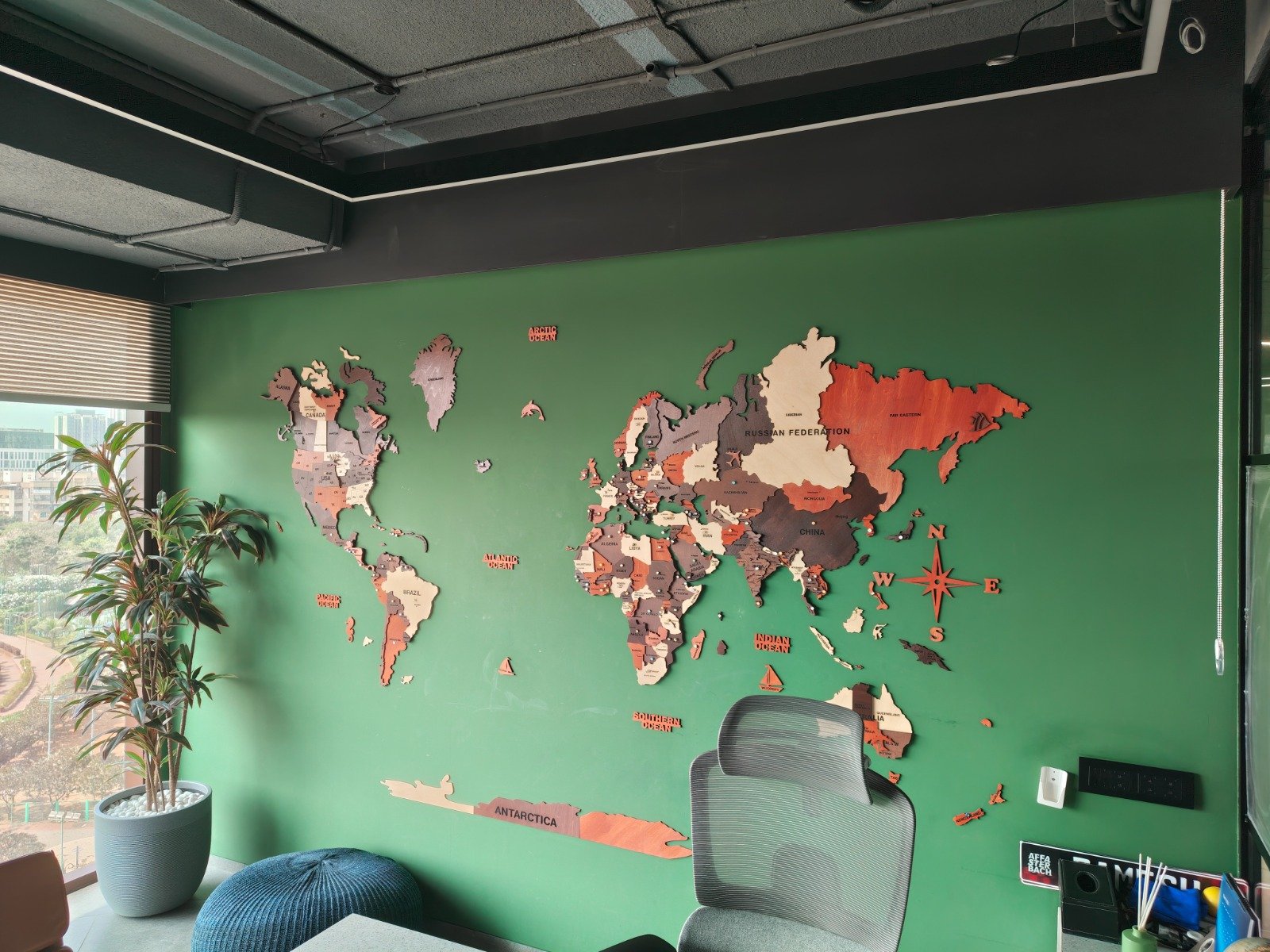
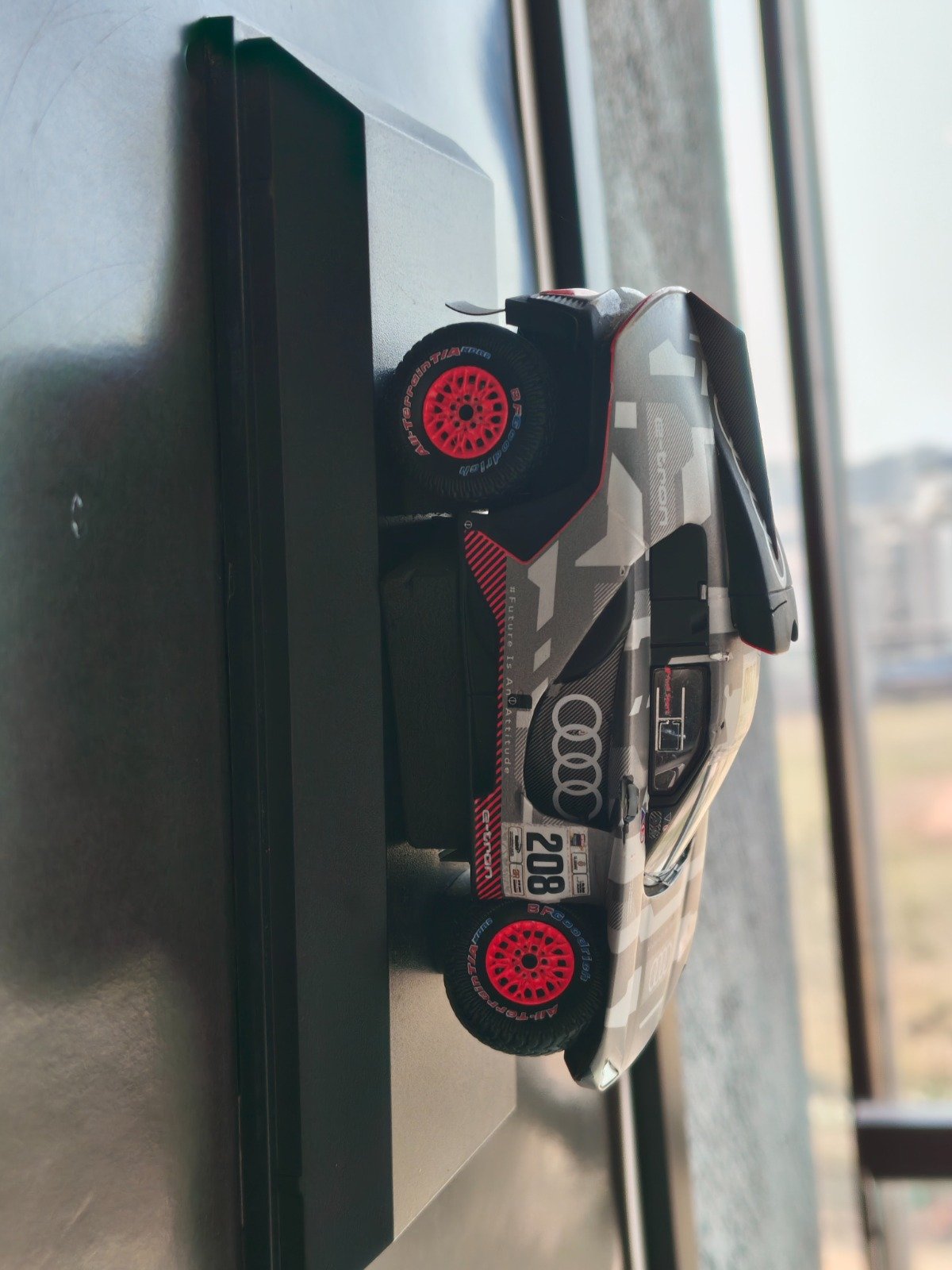
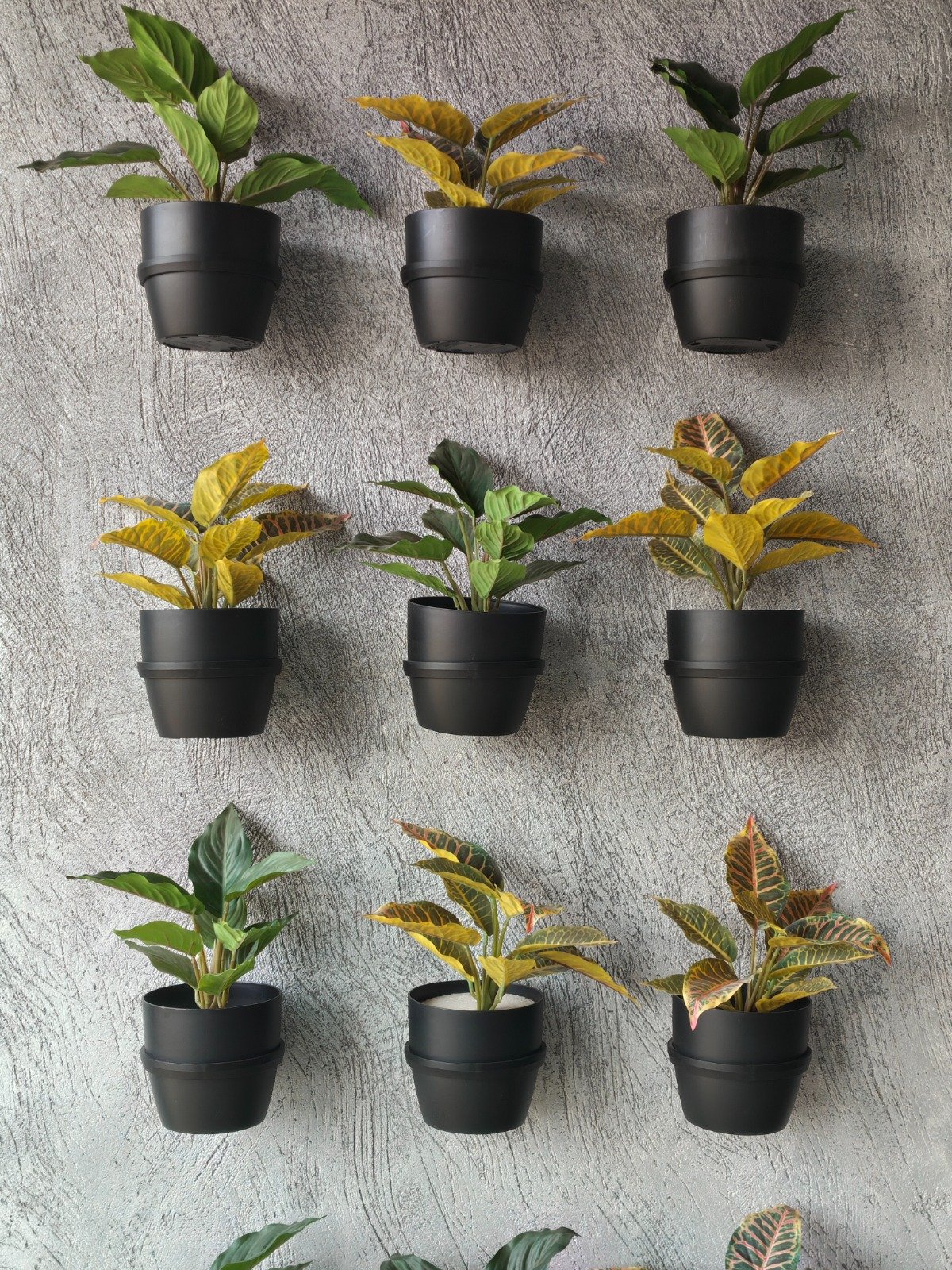

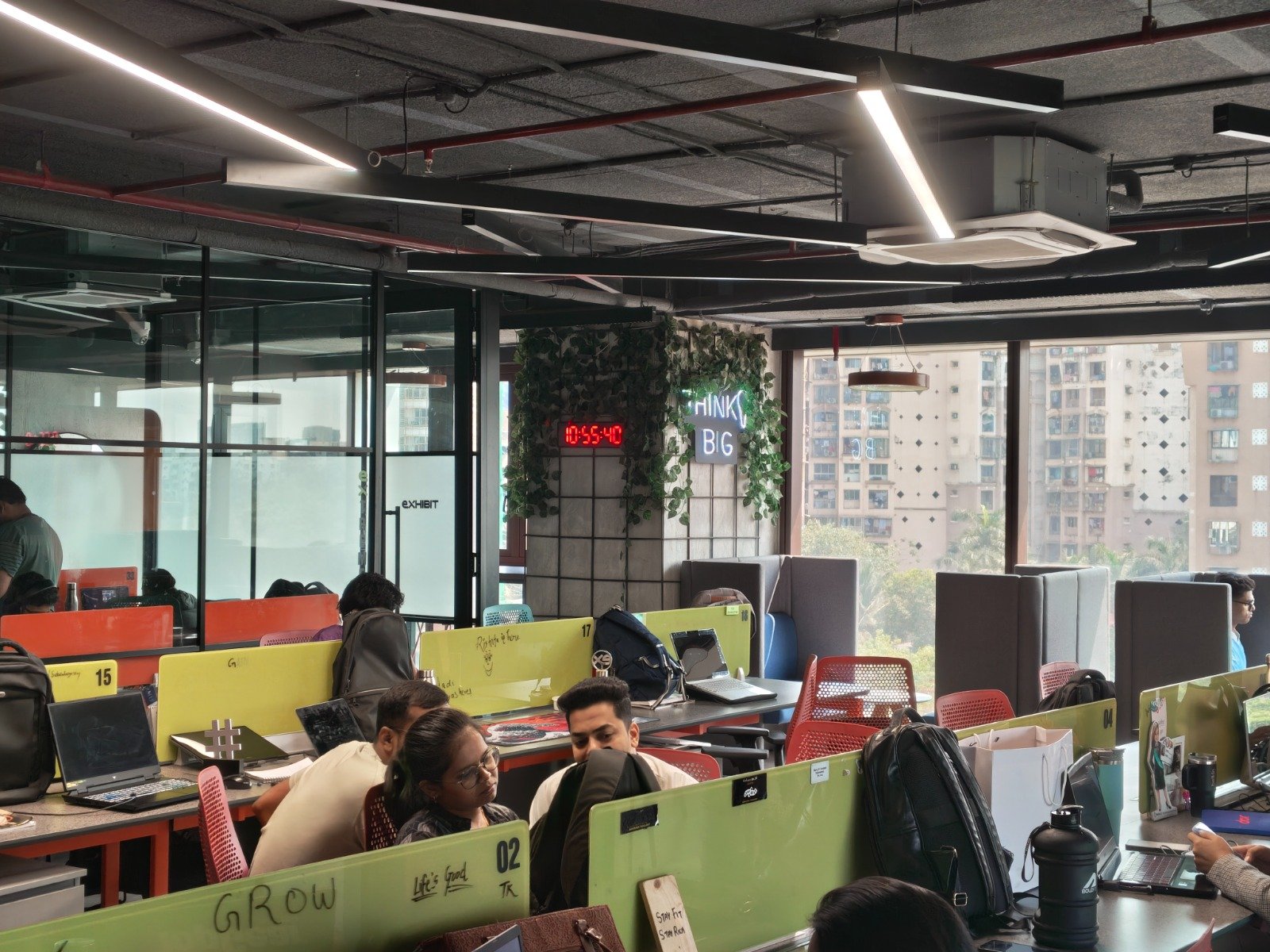
The ultrawide camera, by contrast, feels like a compromise. It is usable, but lacks the dynamic range and detail consistency of the primary sensor. Selfie performance is similarly unremarkable, producing images that are slightly softer than expected for this price range.
Video recording is where the system shows its limitations. While 4K footage is acceptable in well-lit conditions, highlight handling is inconsistent, with noticeable overexposure in high-contrast scenes. Stabilisation also lacks refinement, particularly during motion. It is clear that Nothing has prioritised still photography over video, and it shows.
Software
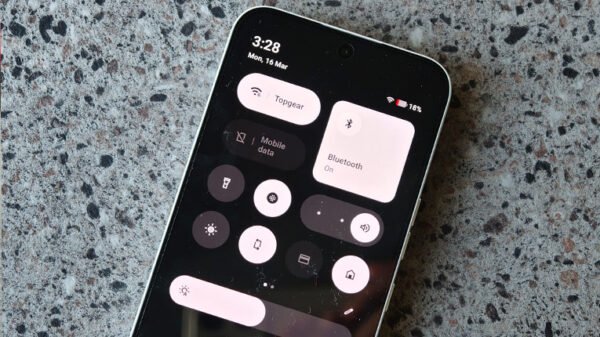
Nothing OS continues to be one of the device’s strongest differentiators. In an ecosystem increasingly crowded with heavy, derivative Android skins, its approach remains refreshingly distinct. The interface is clean, typography-driven, and largely free of unnecessary clutter.
There are subtle shifts, however. The inclusion of a couple of third-party apps indicates a slight departure from the brand’s earlier purist stance, though these can be removed. The broader experience remains fluid and cohesive, with smooth animations and thoughtful design elements.
Battery Life
Battery performance is one of the Phone (4a) Pro’s more reassuring traits. Even with the smaller international variant, the device comfortably delivers a full day of usage with moderate to heavy workloads. There is a sense of efficiency here that aligns well with the overall tuning of the hardware and software.
The Indian variant, with its larger 5,400mAh battery, should only improve upon this foundation. Charging speeds are reasonable rather than exceptional, and the absence of a bundled charger is in line with current industry trends, even if not particularly consumer-friendly.
1 Comment
Pingback: Samsung Galaxy A57 Review: Dependable But Not Competitive