


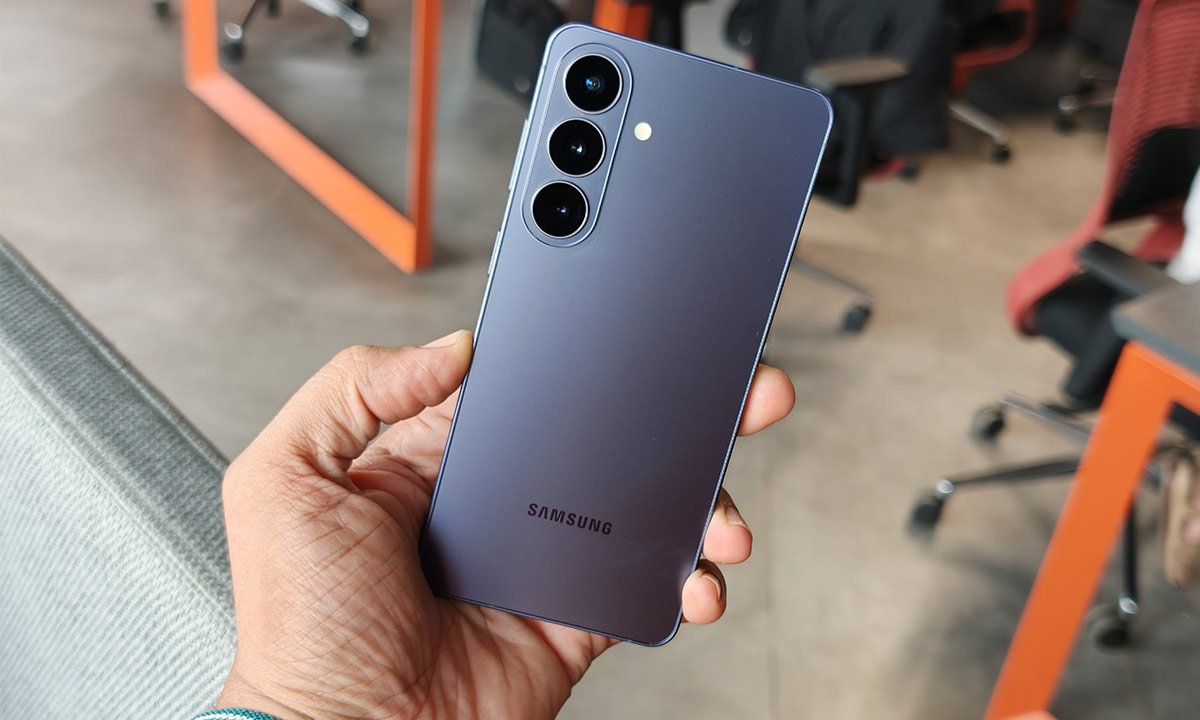
Verdict
Here's why the S26+ feels like a ladder phone. It exists right between the affordable flagship meant for compact phone lovers and the no-compromise flagship. And when buyers compare the options, the decision tree often looks like this: Spend less and get the S26 with almost the same cameras and performance, or spend a little more and get the S26 Ultra with dramatically better cameras and extra flagship features. Which makes the S26+ feel like the step in between that quietly pushes people upward.
The Good
- Solid build and design
- Great large display
The Bad
- Shoddy battery life for a flagship
- Overall performance not up to the mark
- Average camera experience
- Annoying software traits
-
Design
-
Display
-
Sound
-
Camera
-
Performance
-
Battery Life
-
Software
The Samsung Galaxy S26+ sits in the familiar tricky position in Samsung’s flagship lineup. Priced at ₹1,09,999, it’s neither the entry point into the S26 series nor the headline-grabbing flagship offering you such knick-knacks as Privacy Display and a 200MP camera. Instead, it occupies the middle ground between the Samsung Galaxy S26 and the Samsung Galaxy S26 Ultra, and that’s exactly why it feels like a ‘ladder phone’ rather than something Samsung seriously wants to sell people.
Consider this: you want to buy a flagship Samsung phone. Your eyes hover toward the Galaxy S26, which is priced at ₹87,999. But then you go, “I can spend a little more, and get a larger display.” Alright then, your decision is now leaning towards the Galaxy S26+, which costs ₹1,19,999. But you know which phone has an even larger display and those knick-knacks I just mentioned up there? The Galaxy S26 Ultra, and it costs ₹1,39,999, which doesn’t sound like that big a number, given you’re already spending more than a lakh on the, say it with me again… “ladder phone.”
This is how Samsung, Apple, and almost all other tech companies strategically position some of their products. They don’t expect much in terms of sales from them, but they do the job of softening the blow that a consumer feels when coughing up extraordinary amounts of cash. With that out of the way, and with the fact that we’ve already reviewed the Galaxy S26 and the Galaxy S26 Ultra, there’s a quick lowdown on what the Galaxy S26+ really brings to the table.
Display: A Bigger Canvas
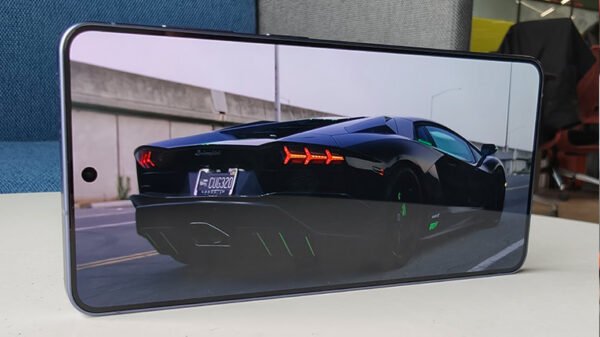
The biggest upgrade over the standard S26 is size. The S26+ features a 6.7-inch Dynamic AMOLED display, giving you more screen real estate for everything from Netflix binges to multitasking. It’s bright, smooth, and unmistakably Samsung in its colour tuning. If you’ve watched or read our Samsung Galaxy S26 review, you’ll know the base model already delivers a great display experience.
Read our full Samsung Galaxy S26 review here
Performance: Leading-edge Hardware but No Oomph
Here’s what sets the Galaxy S26+ apart from the Ultra. Beating at its heart is the Exynos 2600, the world’s first 2nm chip, against the Snapdragon 8 Elite Gen 5 (3 nm) chip of the Ultra. Yet, it still falls short in terms of benchmarks. In the real world, the difference is not massive. You still get lightning-fast speeds for gaming, 4K editing, and whatnot. But where this device felt short, and where the disadvantages of the Exynos processor were visible, were in battery management. I experienced a drain issue once, wherein my phone went from 5 percent to 0 percent in the span of just 30 minutes, during which I hadn’t even touched the device once.
Battery: Leaves You Wanting for More
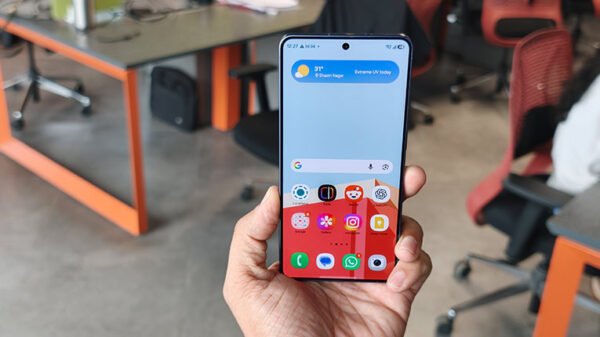
Battery life is satisfactory, to say the least. If you’re a heavy user, don’t expect it to last you an entire day. This phone’s 4900mAh battery is not helped by its Exynos CPU, and I often found myself looking for a charger in the middle of the day, because I didn’t have enough confidence that it would last an entire day. Its 45W fast charging is a good compensation, though.
Cameras: Where the “Plus” Stops
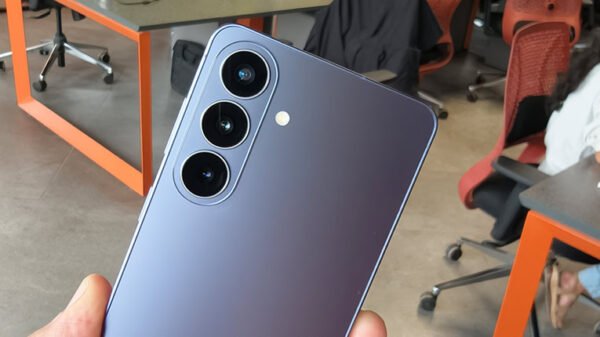
And this is where the S26+ starts to feel like the middle child of the lineup. Despite its higher price, the camera setup is identical to the standard S26, a capable but familiar combination of a main sensor, ultrawide, and telephoto lens. That means image quality is good, consistent, and reliable, but it doesn’t push the boundaries. If cameras are a major factor in your purchase decision, the real upgrade lies with the S26 Ultra, which brings far more advanced imaging hardware.
Read our detailed Samsung Galaxy S26 Ultra review here.
Software: Bunch of Annoyances
I don’t expect much from mid-range Android devices when it comes to software. After all, their entire model is nowadays built on integrating ads, dark patterns, and unnecessary apps to offset costs. But with a phone costing as much as this one, I’m going to have to be picky. Apps, once installed, get lost in the app menu, warranting at least three to four scrolls before you find them. The Settings menu is still an absolute maze, and basically, nothing is where you need it to be. That said, the AI features, which basically saw no new exciting additions this year, are still solid and enjoyable to you.
3 Comments
Pingback: Samsung Highlights Tools That Make Switching to Galaxy Easier
Pingback: finpecia tablet uses in tamil
Pingback: Samsung Opens Registrations for 2026 Vision AI TVs in India