

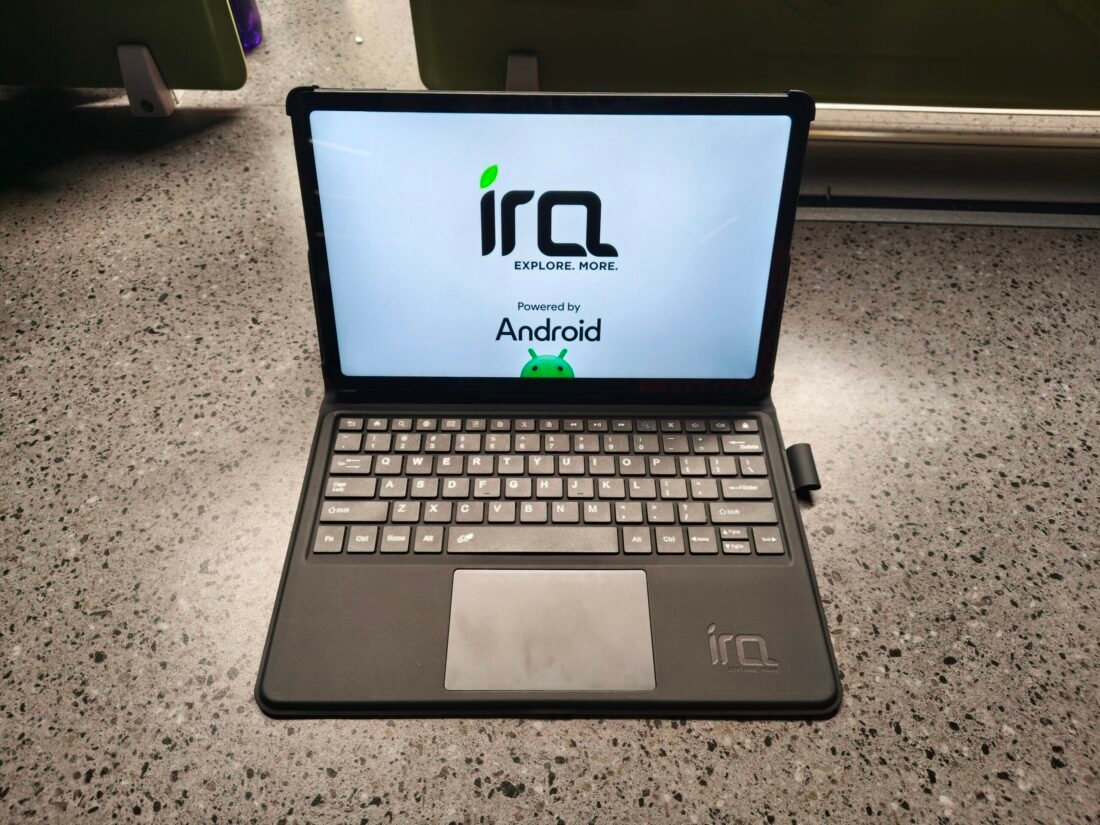
In a tablet market dominated by global giants such as Samsung, Apple, and Lenovo, and by fast-rising Chinese brands such as Xiaomi, OnePlus, and Realme, Indian brand IRA (by Wishtel) is carving out a meaningful niche. As one of India’s top 5 tablet PC brands in the Android commercial segment, according to IDC reports, IRA focuses on affordable, feature-packed 2-in-1 devices tailored for students, professionals, educators, and small businesses. They offer bundles that include a keyboard, stylus, case, and more, along with strong after-sales service across India and enterprise-friendly features like MDM support. Priced competitively (around ₹35,000–₹45,000 depending on configuration and offers), it targets users seeking a laptop alternative without premium pricing. But is it worth buying in 2026? Let’s dive deeper.
DESIGN & BUILD
The IRA Duo Pro 5G feels like a practical workhorse rather than a fashion statement. Its 12-inch form factor strikes a good balance between portability and usability, weighing around 690g for the tablet alone. The build quality is okay, decent enough for daily use, but not flagship-level premium. It uses a sturdy plastic-metal hybrid chassis that resists fingerprints reasonably well and feels solid in hand, though it lacks the sleek unibody refinement of higher-end competitors.
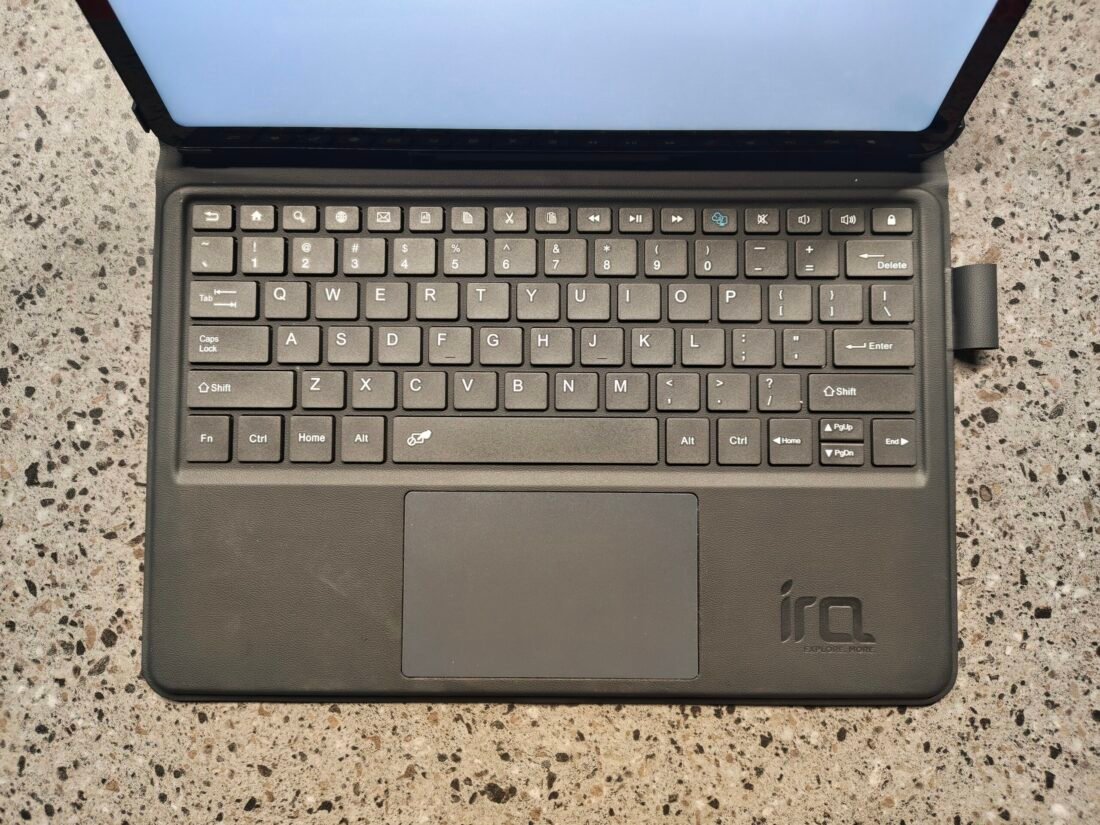
The standout here is the bundled Pogo Pin soft keyboard. It attaches magnetically and seamlessly, transforming the tablet into a mini-laptop without the need for a separate charger. Typing on it is responsive and comfortable for extended sessions, quiet key travel with decent feedback, making it suitable for students taking notes, professionals drafting emails, or content creators.
PERFORMANCE
The Duo Pro 5G features a 2.2 GHz octa-core processor, 8GB of LPDDR4 RAM, and 128GB of storage. For everyday tasks like web browsing, document editing, video streaming, online classes, and light multitasking, it performs decently without major hiccups. The 5G connectivity with dual SIM support ensures fast, reliable internet on the go, a big plus in India where network coverage varies.
The 12-inch Incell FHD display (2000 x 1200 resolution) offers a wide canvas ideal for productivity and entertainment. It’s sharp enough for reading, spreadsheets, and watching videos, with good viewing angles. However, colours appear a bit washed out, lacking the vibrancy and contrast of IPS panels on premium tablets. Brightness is adequate indoors but struggles in direct sunlight. Blacks aren’t deep, and HDR support is absent, so it’s more functional than immersive.
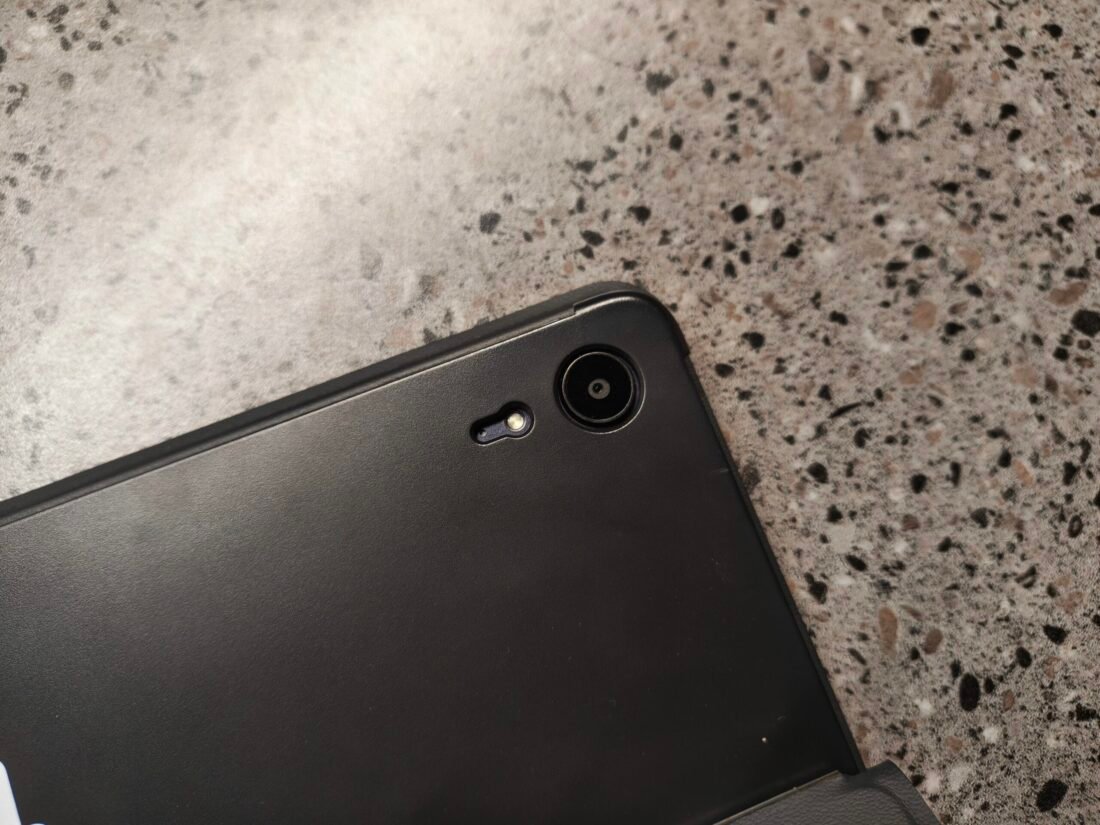
The major concern is the software experience. It runs Android 14, which is acceptable but feels dated in mid-2026 when competitors like OnePlus and Xiaomi are shipping tablets with Android 15 or even 16 out of the box, along with longer update promises. While it’s Google-certified and enterprise-recommended with zero-touch MDM integration, the lack of cutting-edge optimizations may affect future-proofing. Performance remains smooth for core apps, but heavier games or intensive editing apps show limitations compared to Snapdragon-powered rivals. Cameras (13MP rear, 8MP front) are basic, fine for video calls and quick scans, but not for photography enthusiasts.
Battery
Battery life is one of the Duo Pro 5G’s stronger suits. The 8000mAh cell easily delivers a full day of mixed usage, several hours of productivity, streaming, and browsing with 5G or Wi-Fi. In moderate use (web, docs, occasional video), it can stretch to 10–12 hours on a single charge. Fast charging support helps top up quickly during breaks. The standby drain is well managed, making it reliable for students or field professionals who can’t always plug in. Compared to some thinner rivals with smaller batteries, this is a clear advantage for all-day reliability.
VERDICT
The IRA Duo Pro 5G with Keyboard offers great value for budget-conscious buyers in India looking for a versatile 2-in-1 device. It comes with a solid accessory bundle, dependable 5G connectivity, a large screen, a responsive keyboard, and good battery life, making it ideal for students and small business users.
However, it has its drawbacks. The display lacks vibrancy, it runs on an outdated Android 14 version with uncertain updates, and the processor is average. For those prioritizing visuals, future-proof software, or flagship performance, alternatives from Xiaomi, OnePlus, or Lenovo may be better, even if they cost similarly or require additional accessories.