

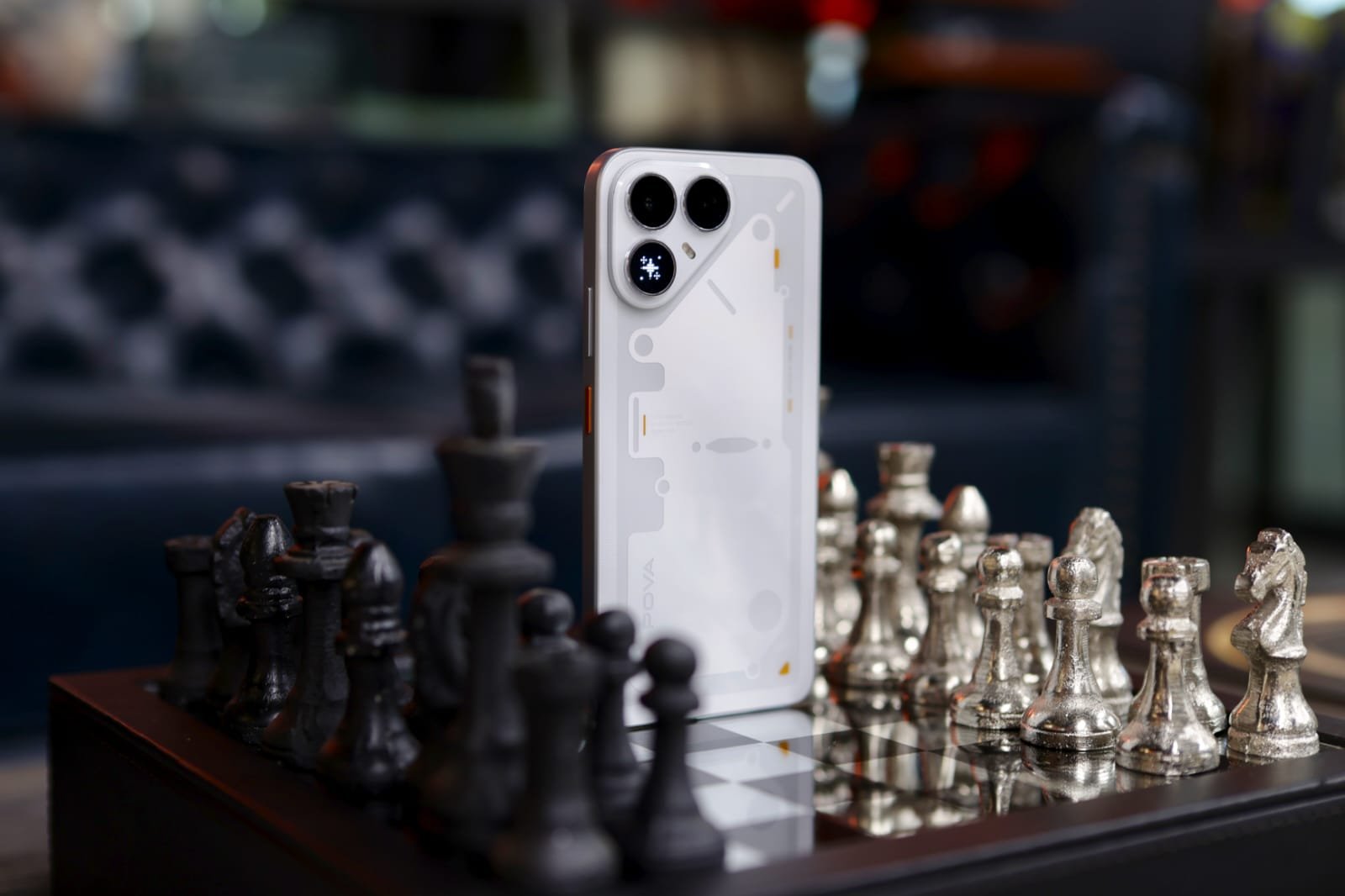
The POVA 8 steps into the crowded mid-range smartphone market with a bold statement. It borrows the transparent, glyph-inspired aesthetic popularized by Infinix and Nothing. Still, it adds its own twist with an “Alive Matrix Display”, a dot-matrix LED setup integrated into the camera island. This isn’t just another rectangular slab; it’s a gaming-oriented device highlighting massive battery life, smooth visuals, and distinctive styling. Priced at ₹29,999 for the 6GB + 128GB variant and ₹31,999 for the 8GB + 128GB model, it targets users who prioritize endurance and flair over premium refinements. But does the novelty translate into a compelling daily driver? Let’s break it down.
BUILD & DESIGN
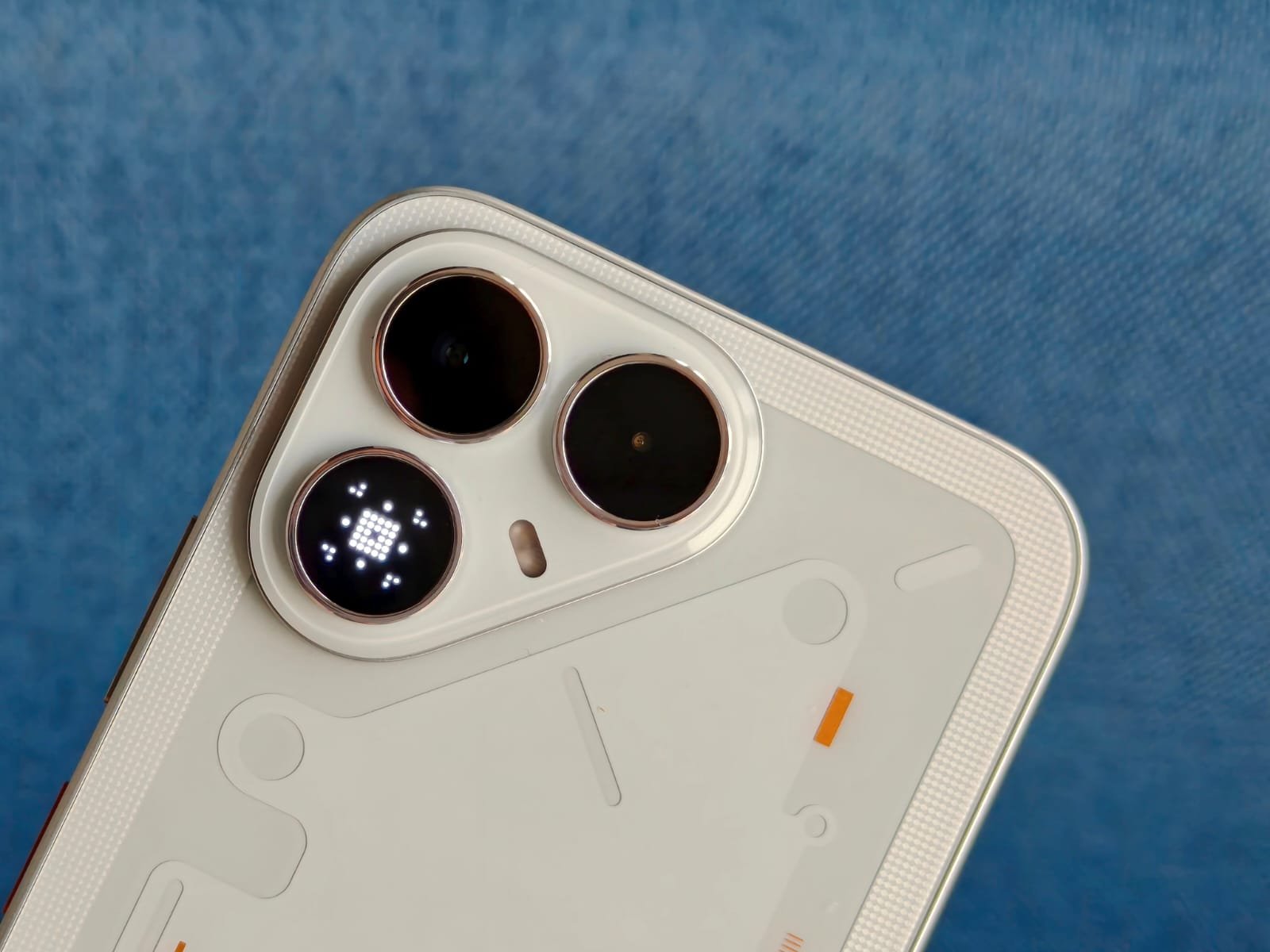
The POVA 8 makes a strong first impression with its futuristic rear panel. It features a transparent-style glass-like finish with geometric patterns that catch the light beautifully, reminiscent of Nothing’s transparent designs but executed with POVA’s gaming DNA. The standout element is the triangular camera island, which houses a 50MP main camera, an 8MP ultrawide, and, crucially, the Alive Matrix Display, which appears to be a third “lens.” This small dot-matrix LED panel lights up for notifications, charging animations, music visuals, and customizable effects, adding personality that sets it apart from generic black slabs.
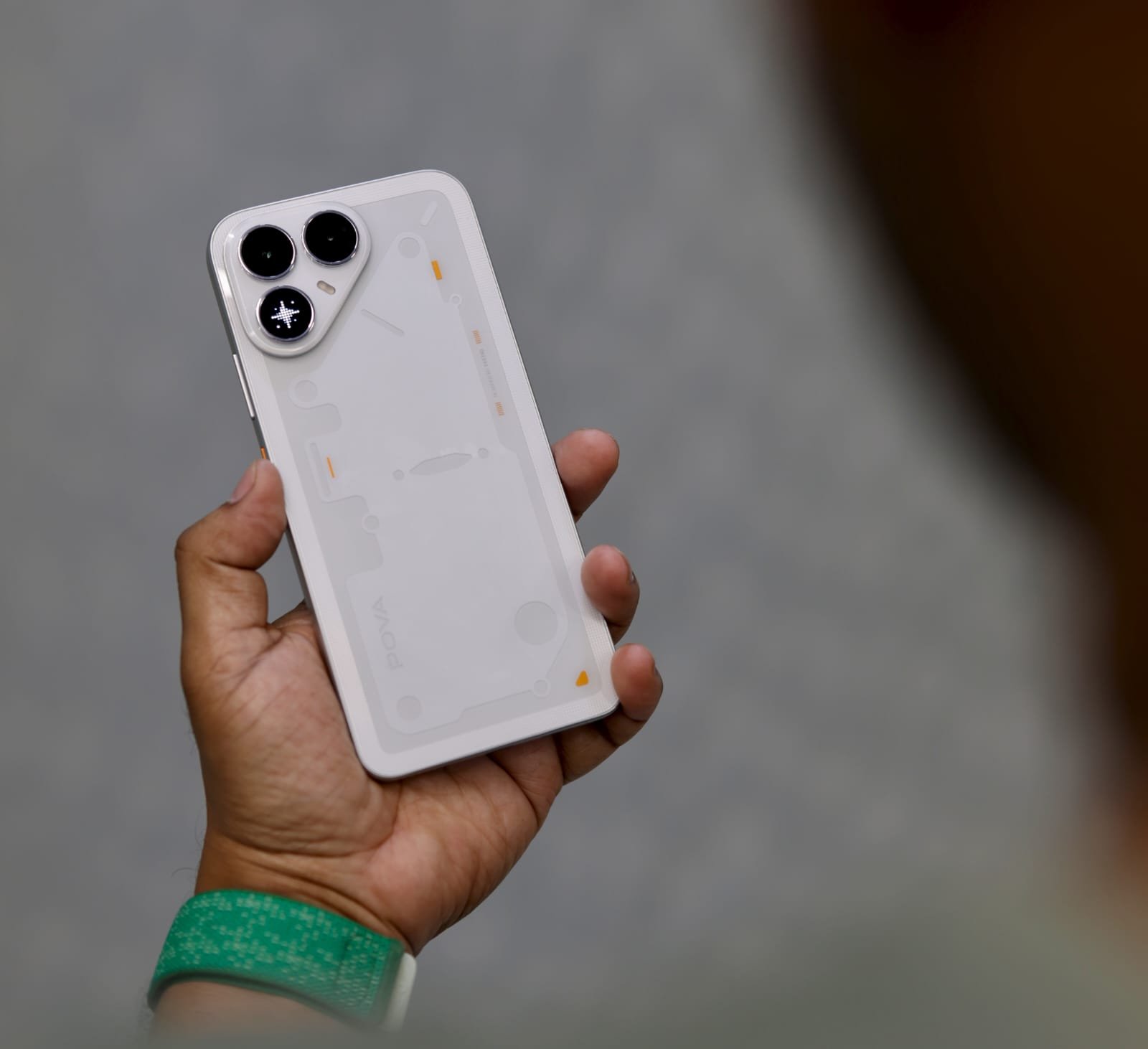
At around 6.78 inches, the phone has a substantial footprint, but the slim profile (aided by smart engineering for the huge battery) makes it manageable. Build quality feels solid with Gorilla Glass protection on the front and an IP rating for dust and splash resistance. The side-mounted fingerprint sensor is fast and reliable, though we expected an on-screen fingerprint sensor at this price. However, we understand that IPS technology cannot accommodate it.
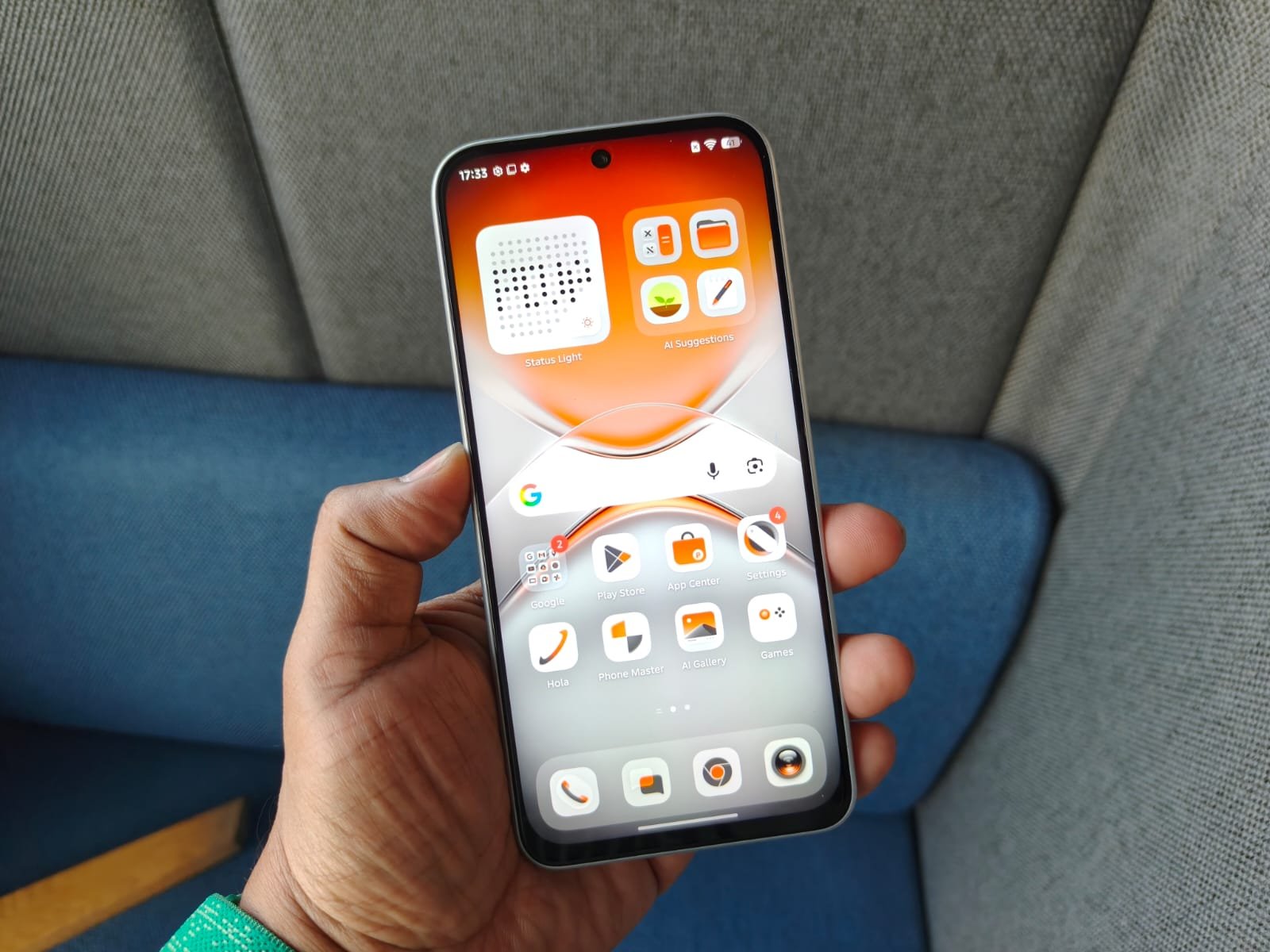
However, it’s not flawless. The display is an IPS LCD rather than AMOLED, which means blacks aren’t as deep, and there’s a noticeable chin (bezel) at the bottom. The punch-hole cutout for the 13MP selfie camera is centered and unobtrusive, but overall, the front looks a bit dated compared to competitors with slimmer bezels and curved edges. In-hand, it feels premium enough for the price, with good weight distribution despite the battery heft. The design successfully differentiates it; the LED matrix isn’t just a gimmick; it adds functional flair for notifications without needing to flip the phone. For users tired of boring designs, this is refreshing. Yet, fingerprint magnets on the glossy back and the large camera bump (which rocks on flat surfaces) are minor annoyances.
PERFORMANCE
Powering the POVA 8 is the MediaTek Dimensity 7100 chipset, built on a 6nm process. Paired with up to 8GB of RAM, it delivers capable performance for a mid-ranger in 2026. Multitasking is smooth, apps launch quickly, and it handles everyday tasks like browsing, social media, and streaming without hiccups. In benchmarks, it sits comfortably in the upper mid-range, suitable for moderate gaming.
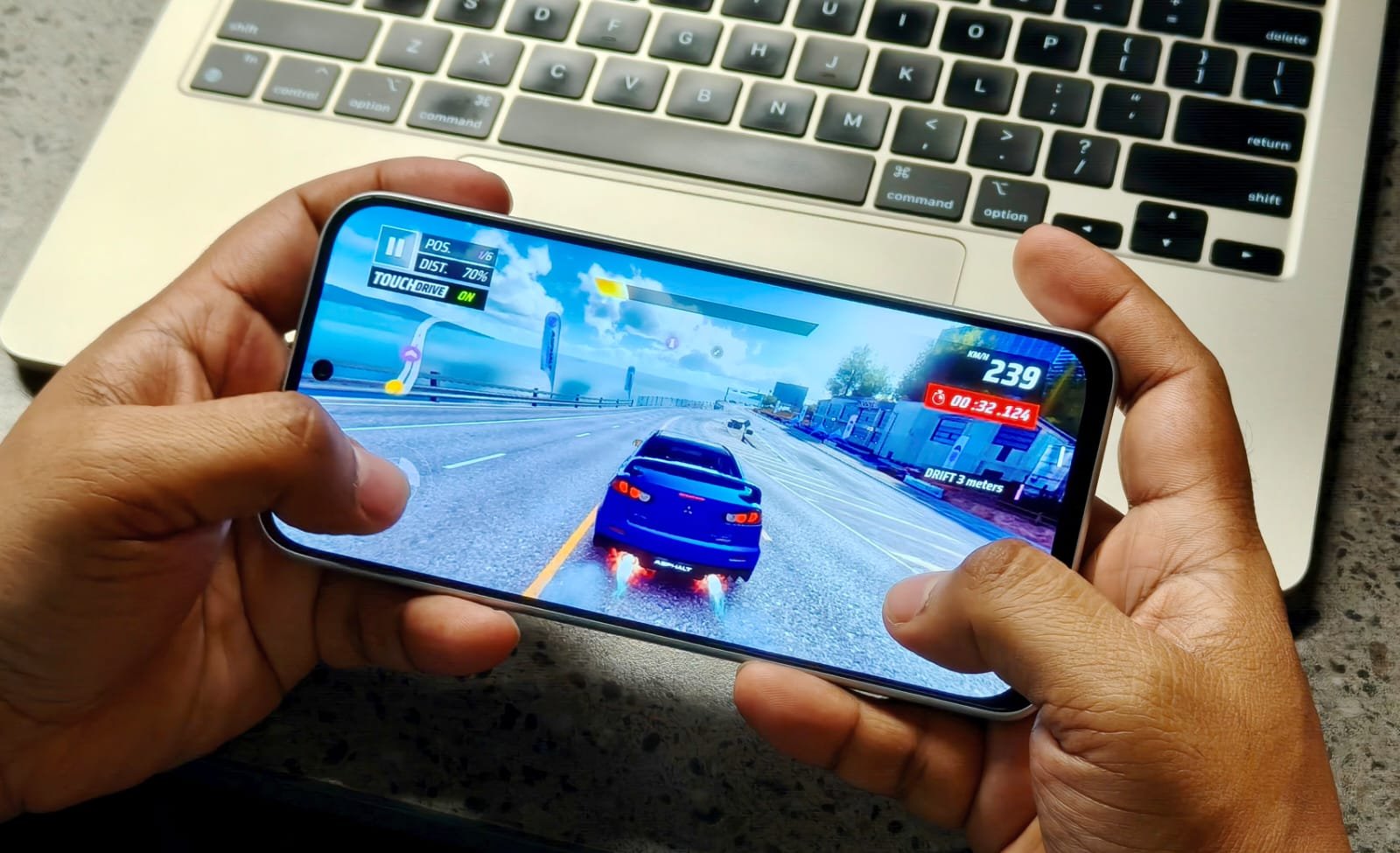
Gaming is where the POVA series shines. The 144Hz refresh rate on the 6.78-inch FHD+ (1080×2344) IPS display ensures fluid visuals in titles like BGMI, COD Mobile, Asphalt Legends, or Genshin Impact at medium-to-high settings. The high refresh rate makes scrolling and animations buttery smooth, though the IPS panel’s colour vibrancy and contrast lag behind AMOLED rivals. Peak brightness is adequate for indoor use but struggles in direct sunlight. Stereo speakers with decent tuning enhance the immersive experience, and cooling seems optimized to prevent excessive throttling during extended sessions.
Software-wise, it runs Android 16 with HIOS 16 overlay. The interface is feature-rich with gaming modes, but it includes some bloatware and occasional ads typical of the brand’s skin. Updates should be decent for the segment. Overall, performance is reliable for its class, not flagship-level, but it won’t disappoint gamers or heavy users who value smoothness over raw power. The Dimensity 7100 manages heat well thanks to its large chassis and vapour chamber elements, common in POVA devices.
CAMERA
The camera setup is respectable but not class-leading. The 50MP main sensor (Sony Lytia or similar, with PDAF) captures detailed daylight shots with good dynamic range and natural colours. The 2x in-sensor zoom works decently for portraits. Low-light performance is average. Noise creeps in, but night mode helps salvage usable images. The 8MP ultrawide adds versatility for landscapes, though detail drops off noticeably.

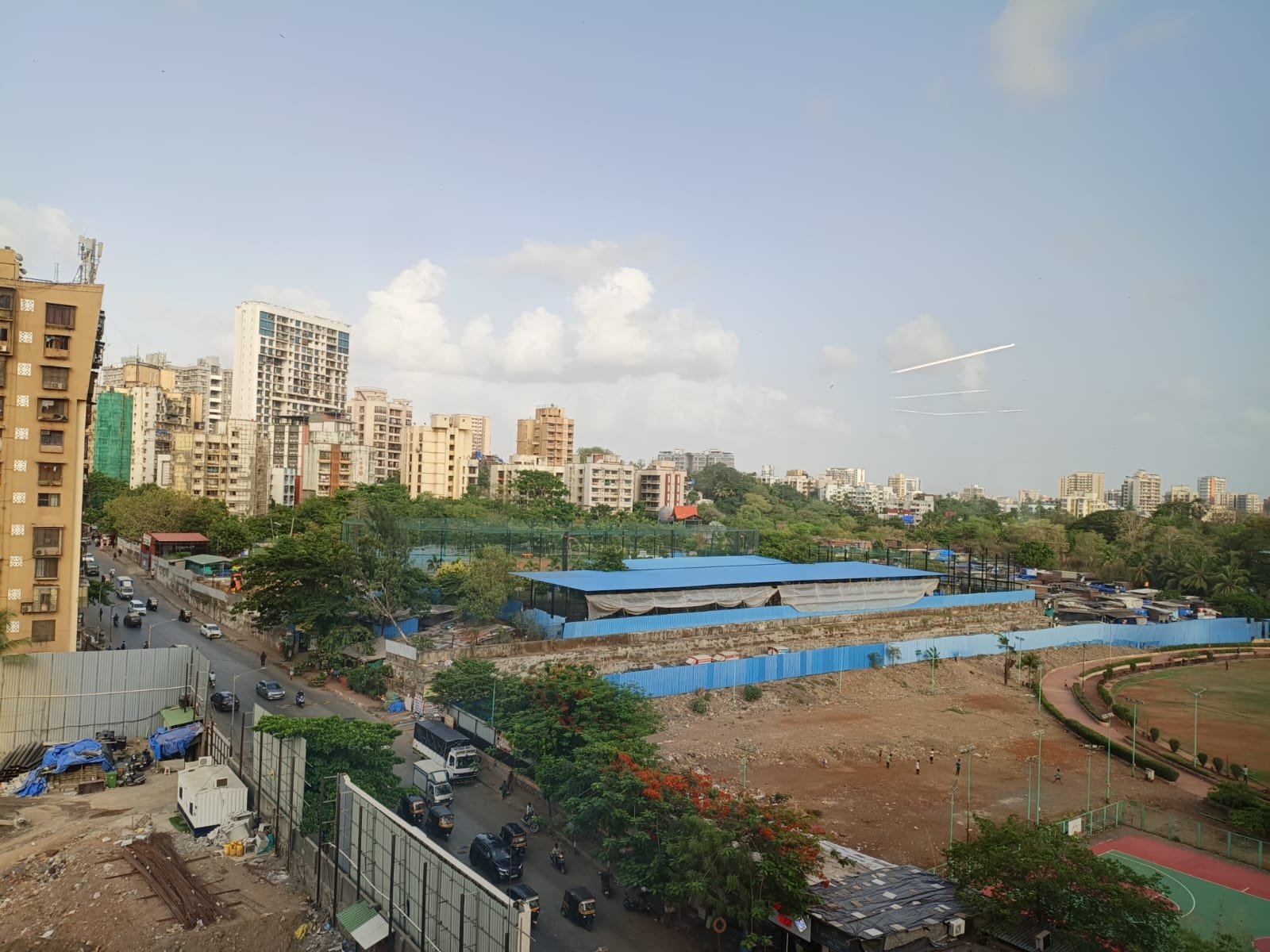
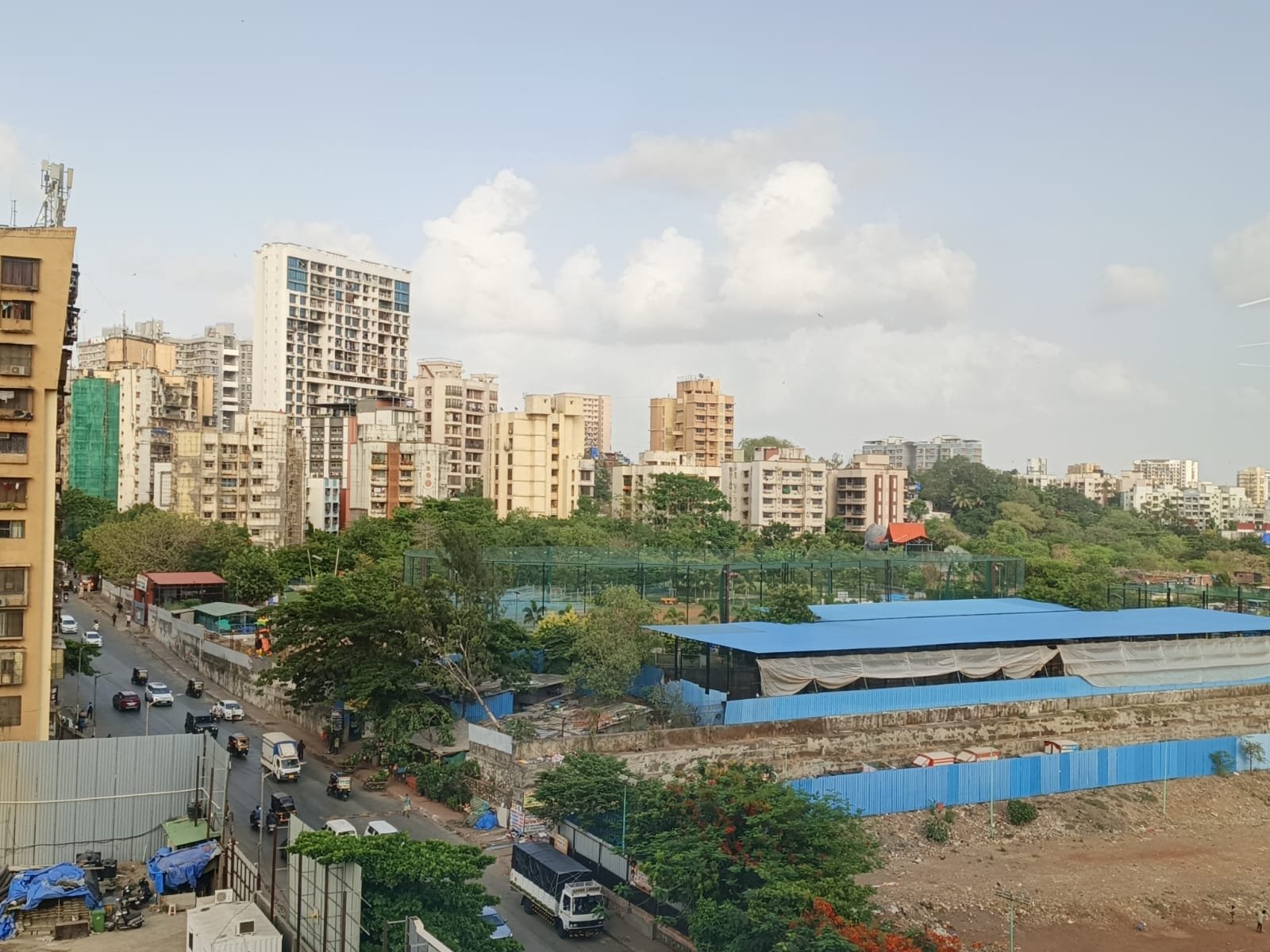
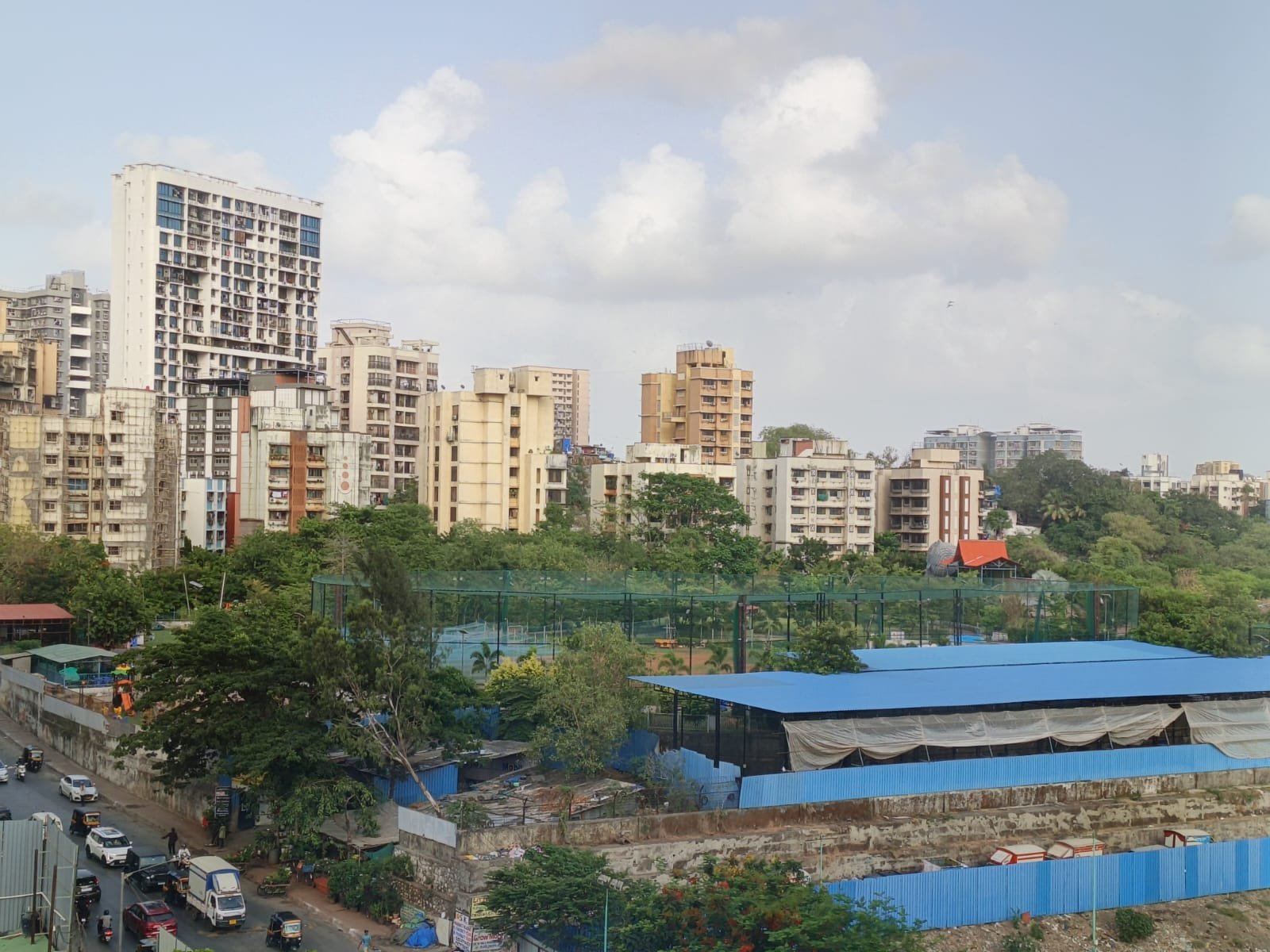


Video recording tops out at 4K@30fps or 1080p with stabilization that’s functional but not exceptional. The 13MP front camera handles selfies well, with decent skin tones and portrait effects, making it suitable for video calls and social media. AI enhancements in HIOS help with scene optimization, but it lacks the computational photography power of pricier rivals.
The unique camera bump with the LED matrix doesn’t directly impact photo quality but enhances the user experience through fun animations and feedback. For a ₹30k phone, the cameras are good enough for casual photography and vlogging, excelling in well-lit conditions. Don’t expect it to rival dedicated camera phones or flagships in consistency, especially in challenging lighting.
BATTERY
This is the POVA 8’s biggest strength. The massive 8000mAh battery is a game-changer, easily delivering 2+ days of heavy use or even more for moderate users. With a 144Hz display, gaming, and streaming, it still lasts impressively long thanks to efficient chipset tuning and software optimizations. Standby drain is minimal.
Charging is supported via 45W wired, plus reverse charging capabilities. This flexibility is excellent for users on the go. In real-world tests, it outperforms most competitors in endurance, making it ideal for travellers, gamers, or anyone who hates hunting for chargers. The large capacity doesn’t significantly compromise the phone’s slimness, a notable engineering win.
The POVA 8 stands out with its Alive Matrix LED display, transparent design, and impressive 8000mAh battery, offering solid performance and fun features for gamers and daily use. However, at ₹29,999–₹31,999, it feels overpriced due to its IPS display and noticeable bottom bezel. Competitors like the Realme 15 Pro, Nothing Phone 4a, and Vivo T5 Pro provide better displays and features in the same price range. If you value uniqueness and battery life over display quality, the POVA 8 is worth considering, but it doesn't fully dominate its segment.
The Good
- Unique Alive Matrix Display.
- Long battery life.
- Smooth 144Hz refresh rate.
The Bad
- IPS LCD underwhelms vs. AMOLED.
- Fingerprint magnet on back.
- Average low-light performance.
-
Build & Design
-
Display
-
Camera
-
Battery
-
Performance