


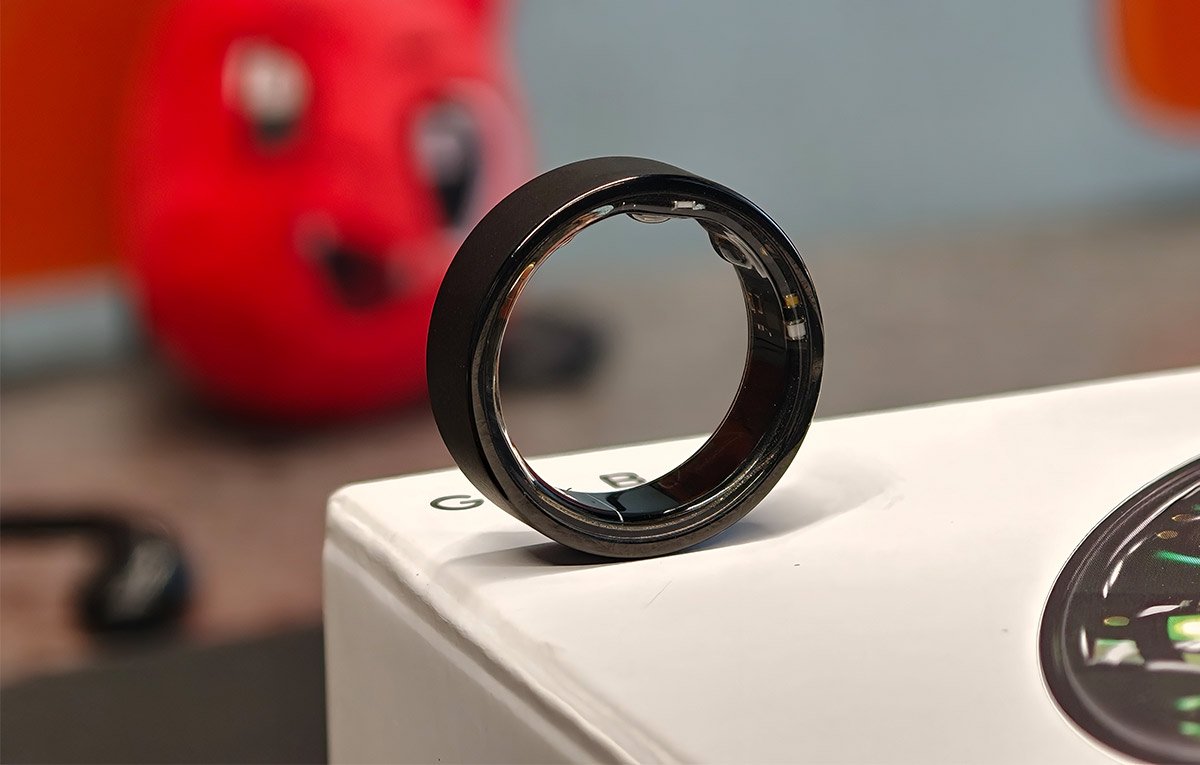
Verdict
The Gabit Smart Ring changed my opinion of smart rings. Not by doing something revolutionary, but by making health tracking feel less intrusive. It quietly gathers meaningful information in the background without asking you to wear a watch around the clock or pay a subscription to unlock some of its best features. It's not perfect. The app could benefit from a cleaner interface, and the charging case feels less premium than the ring it houses. But once you look beyond those shortcomings, there's a genuinely compelling product, especially at its ₹14500 price tag.
The Good
- Excellent sleep tracking
- Useful Recovery Score
- No subscription for basic insights
- Clean lightweight design
The Bad
- Cluttered interface
- Flimsy case lid
-
Design
-
Functionality
-
Battery Life
I’ll admit it. I never really understood the appeal of smart rings. For the past few years, my Apple Watch Ultra has done everything I could ask of a wearable. It tracks workouts, records my sleep, keeps an eye on my heart rate and nudges me to stay active. So when Gabit approached me to try its Smart Ring, my first thought was simple: Why would I need another health tracker? Then I realised there was one thing I never enjoyed doing, which is sleeping with a smartwatch strapped to my wrist. No matter how comfortable the Apple Watch is, it’s still a watch. A ring, on the other hand, seemed like a far less intrusive way to collect the same data. After spending some time with the Gabit Smart Ring, I can say this wasn’t a gadget I expected to like as much as I did.
Design
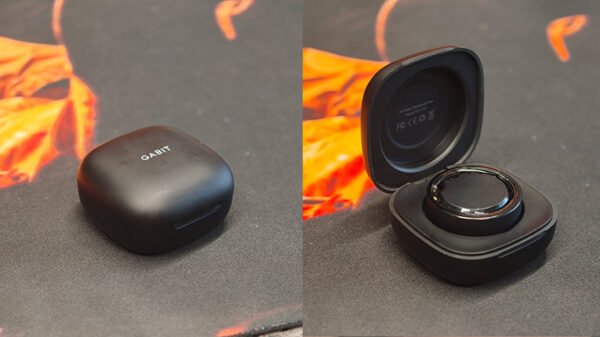
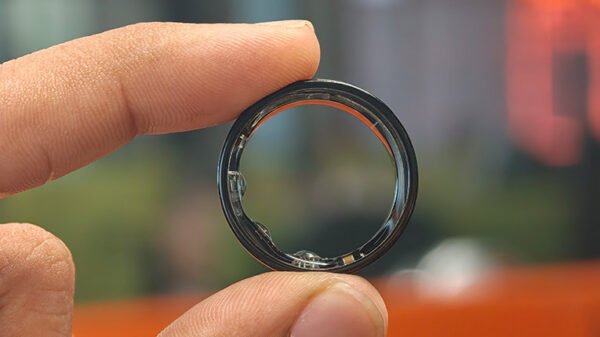
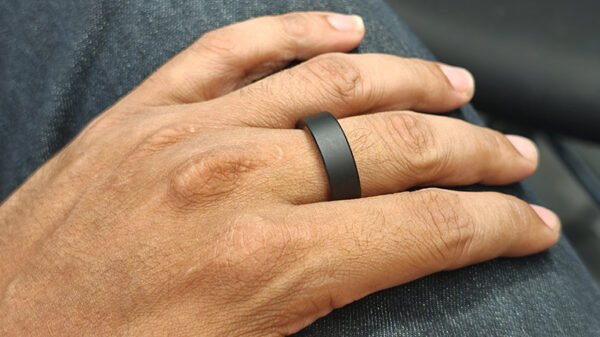
The Gabit Smart Ring is refreshingly understated. I’m wearing the Matte Black variant in Size 12, and at roughly 4 grams, it’s incredibly light. Unlike many smartwatches that scream “tech”, the Gabit looks like an ordinary matte-finished ring. It doesn’t attract attention, yet it still looks premium enough to wear throughout the day. Its charging case deserves a mention too. The pebble-shaped design looks elegant and feels like something you’d happily leave on your bedside table. Unfortunately, the lid doesn’t inspire the same confidence. The hinge feels slightly flimsy and lacks the reassuring snap you’d expect from an otherwise well-designed product.
Functionality
This is where the Gabit starts making a convincing argument for itself. Like every smart ring worth considering today, it tracks your sleep, heart rate, heart rate variability (HRV), blood oxygen (SpO₂), skin temperature, stress, activity, calories burned and daily movement. It also monitors resting heart rate and provides trends over time instead of simply dumping numbers on a dashboard.
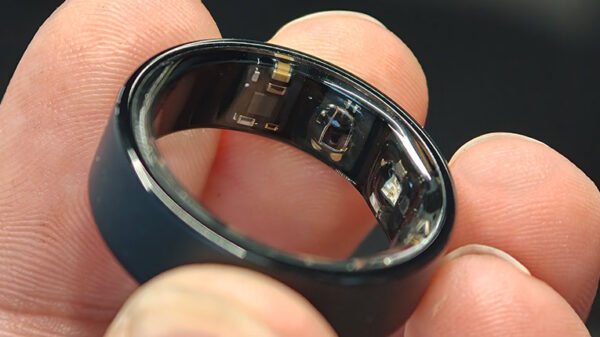
But the feature I found myself checking most often was the Recovery Score. Unlike platforms such as WHOOP, where recovery insights are tied to a subscription, Gabit includes this without any recurring fee. The score combines your sleep quality, activity levels, stress and heart vitals into a single number that quickly tells you how prepared your body is for the day ahead. More importantly, it accompanies that score with useful explanations and suggestions rather than expecting you to interpret the raw data yourself.
The app, however, takes some getting used to. At first glance, it feels cluttered. There are cards, graphs, scores and recommendations everywhere, making it easy to feel overwhelmed. After spending a few days with it, though, things begin to make sense. Once you’re familiar with the layout, it becomes one of the more informative health dashboards I’ve used, surfacing meaningful trends instead of simply presenting isolated metrics.
One feature I genuinely didn’t expect to use was food logging. Instead of forcing you to rely on another calorie-counting app, Gabit lets you log meals directly within its own ecosystem. Even better, it recognises a surprisingly wide variety of Indian dishes, making nutrition tracking feel practical rather than tedious. It’s a small touch, but one that contributes to a more complete health platform.
Another aspect of this smart ring I found surprisingly useful is Personal Energy Pal (PEP), Gabit’s built-in AI assistant. Think of it as a health-focused chatbot that lives within the app, ready to answer questions about your sleep, recovery, heart rate, stress levels or even explain broader health concepts in simple language. Whether you’re wondering why your Recovery Score dropped, what HRV actually means, or how to improve your sleep quality, PEP provides contextual explanations without forcing you to jump between apps like ChatGPT or Claude. It’s a thoughtful addition that makes the data feel more actionable, especially for users who don’t want to decipher health metrics on their own.
Throughout my testing, I wore the Gabit Smart Ring alongside my Apple Watch Ultra to see how closely the numbers matched. The results weren’t identical, but they were close enough to inspire confidence. There were slight differences in daily step counts, and sleep tracking occasionally varied by a few minutes. Interestingly, on one particular morning I woke up around 8 AM, fell back asleep for another half hour, and the Gabit captured that second sleep session while my Apple Watch didn’t. On other days, the watch and ring were almost perfectly aligned.
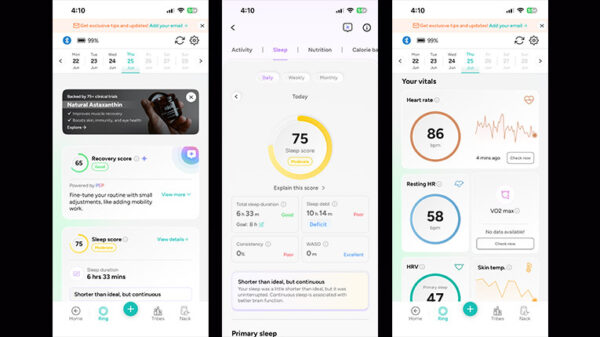
That said, I wouldn’t treat one isolated instance as proof that either device is inherently more accurate. Across several days of use, the differences remained relatively small, and both painted a very similar picture of my daily activity and recovery.
Battery Life
Battery life is one of the biggest advantages of moving from a smartwatch to a smart ring. I consistently managed around six days on a charge, which meant I wasn’t constantly thinking about battery percentages or squeezing in charging sessions before bed. More importantly, because the ring spends so little time on the charger, it misses fewer opportunities to collect health data. The charging case itself is compact enough to carry around easily, making top-ups effortless whenever needed.