

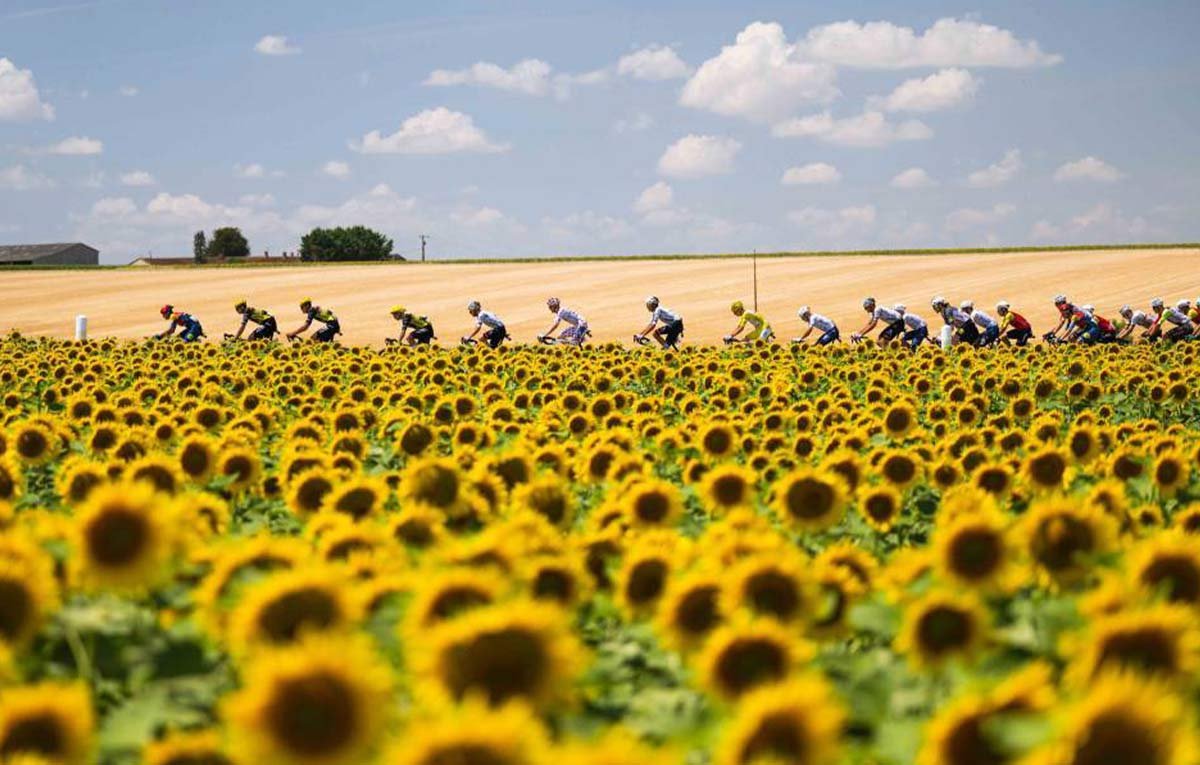
As a youngster, I desperately wanted to get into cycling. Not because I was a cyclist. Not because I owned a fancy road bike. But every sports fan eventually comes across those iconic images from the Tour de France. Riders climbing impossible mountains, crowds (some impossibly stupid and unruly) lining narrow roads, helicopters capturing stunning French rural landscapes, and athletes pushing themselves beyond what seems humanly possible. And there, of course, was the rise (and eventual fall) of Lance Armstrong.
The problem was that every time I tried to understand the sport, it somehow became more confusing. I’d switch on the television and see one rider crossing the finish line first, only to discover that somebody else was apparently still leading the race. How was that possible? In every sport I followed, the winner was the winner. In cycling, however, a rider could finish third, fifth, or even further down the order and still remain at the top of the standings. Then there were the jerseys. Yellow. Green. White. Polka dots. Everyone seemed to know what they meant except me.
Add team tactics, time gaps, breakaways, domestiques, mountain classifications, sprint classifications, and the fact that the race lasts three weeks instead of a single afternoon, and I was completely lost. So, like many people, I admired the Tour de France from afar without ever truly following it.
The YouTube Highlights That Changed Everything
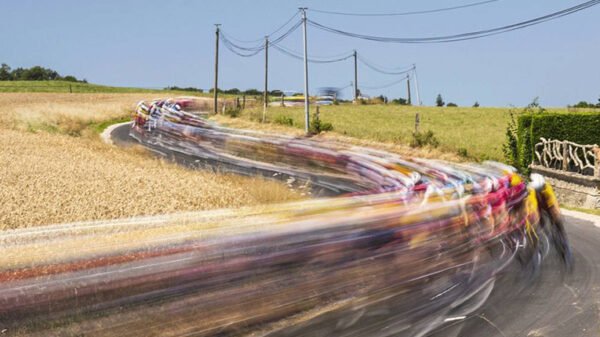
That changed two years ago. For reasons I still can’t fully explain, I decided to give the sport another chance. Instead of trying to understand everything at once, I started watching daily highlights. Not the full five-hour broadcasts. Not every minute of every stage. Just the highlights. And that’s when the magic clicked. The official Tour de France YouTube channel does an incredible job of packaging each day’s action into digestible videos. In a matter of minutes, you understand the key attacks, the strategic decisions, the major crashes, the heroic rides, and the consequences for the overall standings. The commentary provides context, the editing keeps things moving, and suddenly the sport becomes remarkably accessible. Before long, I found myself eagerly waiting for each new stage.
It’s Not One Race But Several
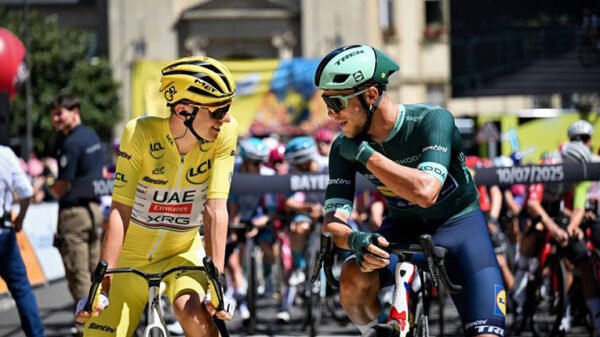
What surprised me most was discovering that the Tour de France isn’t really a race. Or rather, it isn’t just one race. It’s several races happening simultaneously. The most famous battle is for the yellow jersey, awarded to the rider with the lowest cumulative time across all stages. That’s why a rider doesn’t necessarily need to win a particular day to remain in the lead. Consistency often matters more than individual victories. Then there’s the green jersey for the best sprinter, the polka-dot jersey for the best climber, and the white jersey for the best young rider. Suddenly those mysterious colours started making sense. More importantly, I began appreciating the extraordinary complexity of the sport.
A Three-Week Chess Match on Two Wheels
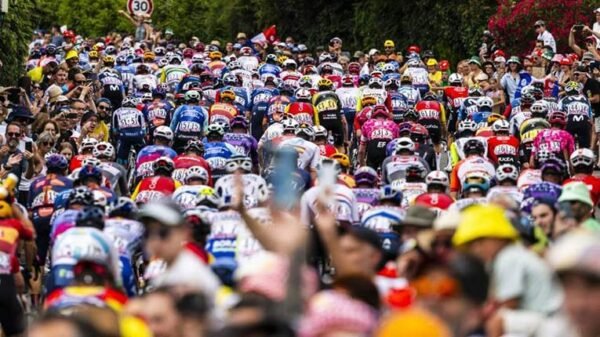
Formula One fans often talk about strategy. Cricket fans discuss field placements and match situations. Cycling operates on an entirely different level. You can have an entire team sacrificing itself for one rider. A breakaway can spend hours building an advantage only to be caught metres before the finish line. Riders can lose minutes because of a badly timed mechanical issue. A mountain stage can completely transform the general classification. One brilliant attack can undo weeks of careful planning. The Tour is part athletic contest, part chess match, and part survival challenge.
The Rivalry That Makes This Year’s Tour Unmissable
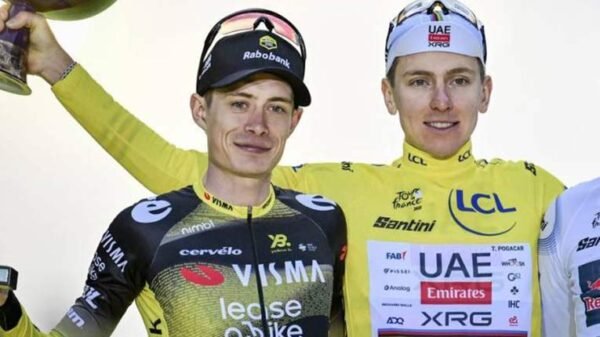
And this year promises to be another spectacular chapter. Much like last year, the rivalry between Tadej Pogačar and Jonas Vingegaard is set to dominate the conversation. For newcomers, think of them as the Messi and Ronaldo of modern cycling, except they’re competing directly against each other over three relentless weeks.
Pogačar is the explosive, attacking superstar who seems capable of doing the impossible whenever he decides to accelerate. Vingegaard is the relentless, calculated challenger whose resilience and tactical intelligence have already produced some of the greatest performances in recent Tour history.
Their battle has elevated the Tour to a level of excitement that cycling fans will talk about for decades. Every mountain stage becomes a potential showdown. Every time trial feels significant. Every second matters. And unlike many sports where the stars only truly appear in the biggest moments, these riders are constantly visible. You watch them suffer, attack, defend, recover, and fight the next day again. By the end of three weeks, you feel like you’ve experienced the journey alongside them.
Why The Tour Keeps You Hooked
What I also love about the Tour is its unpredictability. The strongest rider doesn’t always win. The biggest team doesn’t always succeed. Weather, tactics, crashes, fatigue, terrain, and pure human determination can completely alter the script. In an era where many sporting events feel increasingly predictable, the Tour remains wonderfully chaotic.
My Advice: Just Start Watching
So if you’ve ever been curious about cycling but felt intimidated by its complexity, trust me: I understand. I was that person. I was the guy wondering why the race leader hadn’t won the stage. I was the guy staring at coloured jerseys without the faintest idea what they represented. I was the guy who switched channels because it all seemed too complicated. The secret is not trying to learn everything on day one. Start with the highlights. Watch ten minutes a day. Use Google to understand what you didn’t understand.
Learn a little more with each stage. Before long, you’ll find yourself debating tactics, calculating time gaps, analysing mountain attacks, and checking the general classification before breakfast. That’s exactly what happened to me. And now, every July, the Tour de France has become one of the sporting events I look forward to most. Not because I fully understand every tactical nuance. But because I finally understand enough to appreciate just how brilliant it really is.