

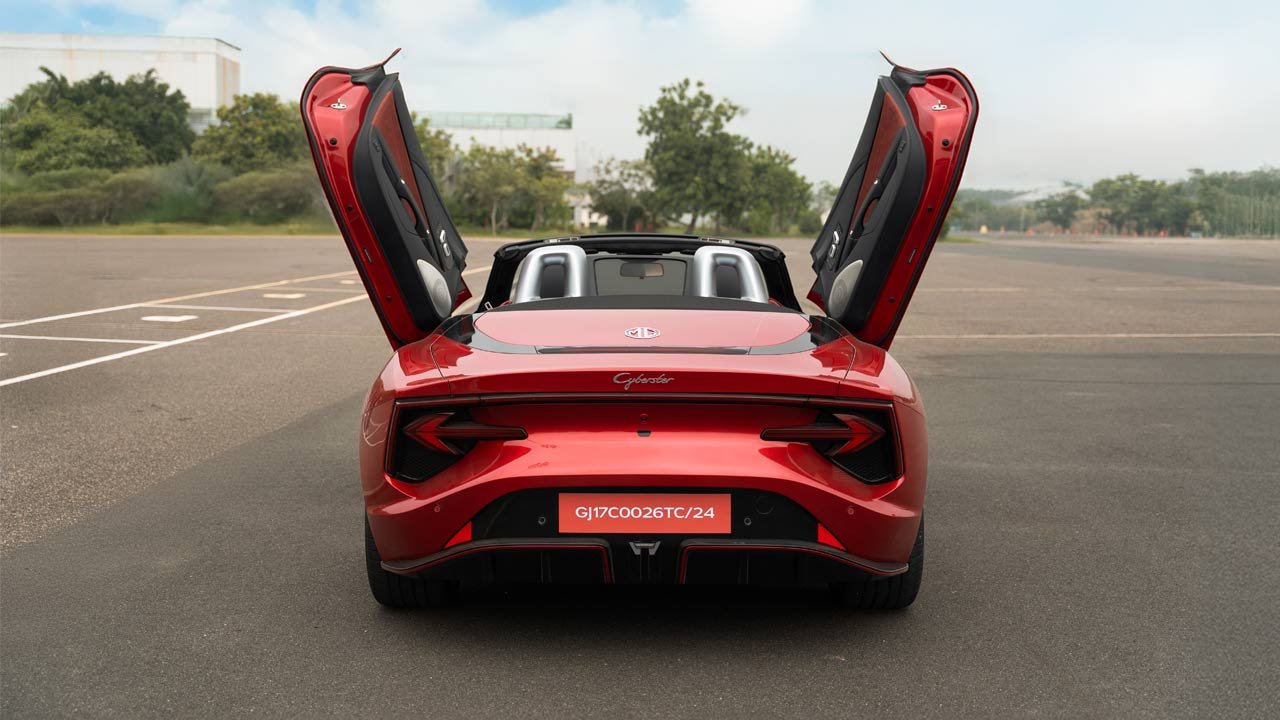
The luxury car has entered its software era. The conversation is no longer dominated by horsepower or even heritage badges. Today’s most coveted vehicles are defined by intelligent technology, immersive experiences, seamless connectivity, and a new kind of sophistication powered by electrification. Luxury is being reimagined. Here are five signs that the automotive playbook is being rewritten.
1. Luxury Is Becoming More Experiential Than Exclusive
Luxury is no longer just about ownership. It’s about belonging. This shift is reflected in MG SELECT, MG’s dedicated channel designed to create a differentiated ecosystem for luxury mobility buyers. From elevated retail experiences to personalised engagement and curated ownership journeys, the focus extends far beyond the vehicle itself. The same trend is evident across the global luxury automotive industry. Porsche has built thriving owner communities around driving experiences, while BMW and Mercedes-Benz continue to invest in exclusive events, curated engagements, and tailored ownership programmes. Increasingly, the relationship between customer and brand doesn’t end at purchase; it’s only just beginning.
For today’s affluent consumers, experiences, access, and meaningful connections can be just as valuable as the vehicle they drive.
2. The Cabin Is Becoming a Digital Sanctuary
As consumers spend more time on the move, the in-cabin experience is taking centre stage.
Spacious interiors, wellness-focused features, intuitive technology, and lounge-like comfort are increasingly influencing purchase decisions. The MG M9 reflects this evolution, combining space, comfort, and technology to create an experience-led approach to luxury mobility.
Similar thinking can be seen in vehicles such as the Lexus LM, Mercedes-Benz EQS, and BMW i7, where the focus is shifting from simply getting somewhere to enjoying every moment of the journey.
3. The Dashboard Is the New Statement Piece
Luxury was once expressed through chrome accents, wood trim, and handcrafted interiors. Today, it’s increasingly expressed through screens, software, and seamless connectivity. Models such as the BMW i7, Mercedes-Benz EQS, and Porsche Taycan have turned the dashboard into a technology hub, integrating immersive displays, AI-powered interfaces, connected ecosystems, and advanced driver assistance features. For many buyers, the quality of the digital experience now carries as much weight as the quality of the leather upholstery.
4. Performance Is Becoming Effortless
The old definition of performance revolved around engine size and exhaust notes. The new definition is centred on instant response, precision, and refinement. Electrification has transformed expectations, delivering smooth acceleration and effortless power. The MG Cyberster exemplifies this shift, combining the thrill of a roadster with the advantages of electric performance. Vehicles such as the Porsche Taycan Turbo, Audi e-tron GT, and BMW i5 M60 further demonstrate how luxury performance is becoming quicker, smarter, and more intuitive. Today, performance doesn’t have to shout to make an impression.
5. Sustainability Has Become Aspirational
Luxury and sustainability are no longer competing priorities. They are increasingly going hand in hand. Vehicles such as the Audi e-tron GT, MG Cyberster, MG M9, BMW i7, and Mercedes-Benz EQS show how electrification has evolved from an alternative powertrain to a symbol of innovation and progress. Affluent consumers increasingly expect brands to combine responsibility with aspiration. As a result, sustainability is becoming a core pillar of modern luxury, influencing how vehicles are designed, built, and experienced.