


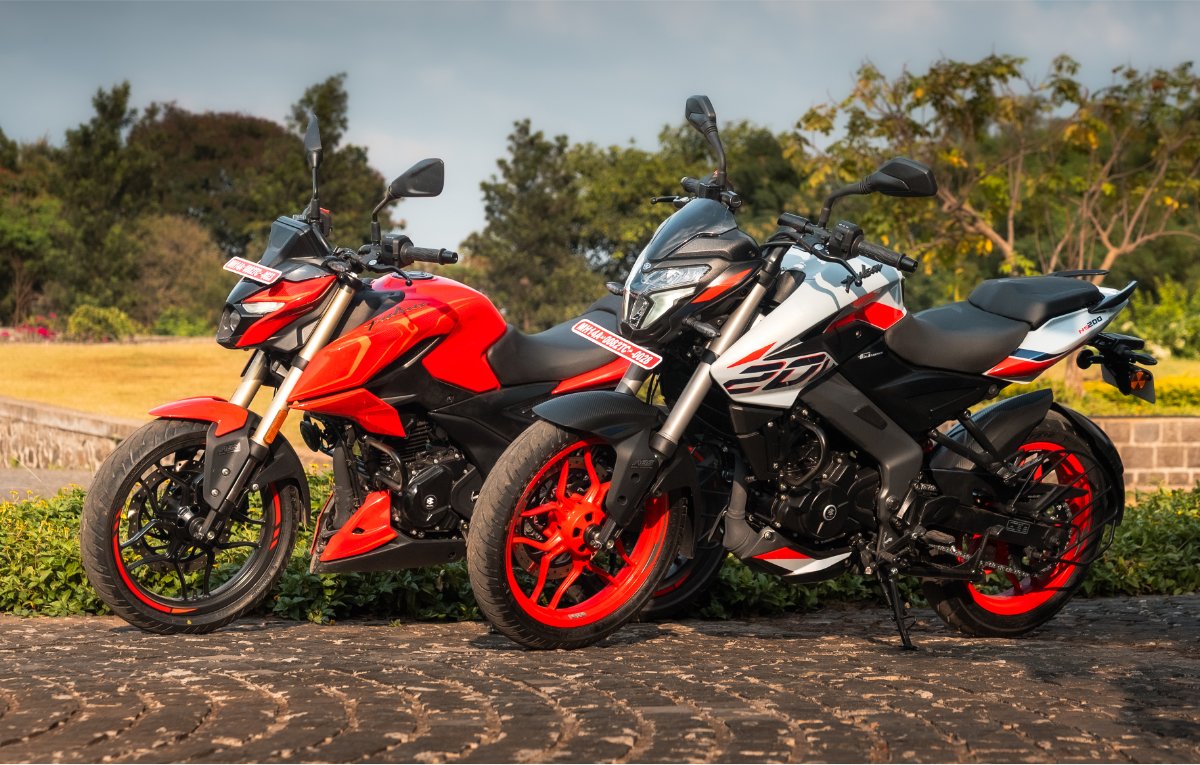
There is a habit among Indian motorcycle buyers that I have never quite understood. When two motorcycles fall within the same budget, the comparison often begins with engine capacity. If one has a bigger engine and costs roughly the same, it is automatically considered the better deal. But a bigger number on the spec sheet does not necessarily mean a better motorcycle for you.
That is exactly why I wanted to ride the updated Bajaj Pulsar NS200 and N250SS back to back. Both now get an electronic throttle body, riding modes, traction control, a five-inch TFT display with Google Maps mirroring and a quickshifter. They are also priced remarkably close, at ₹1.60 lakh for the NS200 and ₹1.59 lakh for the N250SS, ex-showroom.
However, these aren’t two motorcycles trying to do the same thing. They are siblings with different personalities, and the latest updates make both more complete without taking away what makes them distinct.
NS200: MORE REFINED, STILL THE SPORTIER CHOICE
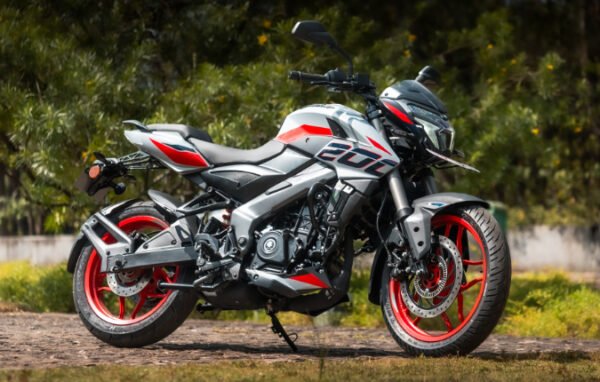 The NS200 has been around since 2012, with its identity built around an eager engine and agileaff handling. Bajaj has wisely retained that character while improving the overall package.
The most noticeable improvement for me is refinement. The motorcycle feels smoother than before, with fewer vibrations making their way through the bike. Its 199.5cc, liquid-cooled single-cylinder engine produces 25.2hp and retains its spirited nature, but now feels more mature.
The quickshifter makes clutchless gear changes during supported shifts, which is particularly useful on a motorcycle that encourages you to explore its rev range. Bajaj has also equipped it with thicker, 37mm upside-down front forks. The front end feels more composed and confidence-inspiring, particularly when picking up the pace through a series of bends. The rear suspension, however, doesn’t feel quite as well resolved, and I would have liked it to offer the same composure as the front.
The NS200 remains light, agile and eager to change direction. Its approximately 158kg kerb weight makes it feel more responsive, particularly on winding roads. It encourages you to work through the gears and enjoy the engine.
The design, however, could do with a more substantial update. The familiar streetfighter silhouette has served it well, but after more than a decade, parts of it are beginning to look dated.
BajajOverall, the NS200 is a better version of the motorcycle it has always been. It is more refined, better equipped and has improved front suspension, without losing its sporty identity.
Also Read: Aprilia Tuono 457 Special Edition Review: Fixing What Matters
N250SS: A MORE COMPLETE EVERYDAY MOTORCYCLE
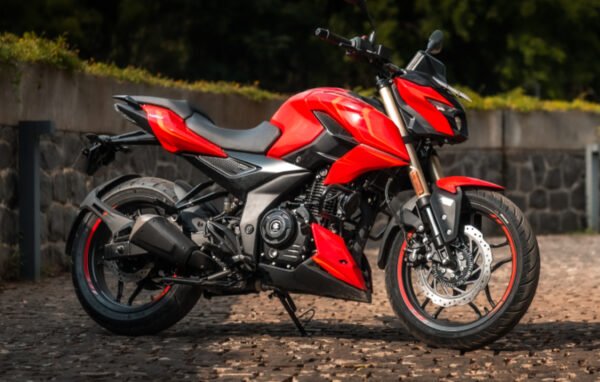 If the NS200 is about enjoying performance, the N250SS takes a more relaxed approach. The N250 has always been about accessible torque and usable performance, and the latest updates build on those strengths.
The earlier two-valve engine has been replaced by a four-valve configuration, producing 24.7hp and 22Nm of torque. It is now paired with a six-speed gearbox, replacing the earlier five-speed unit.
The additional gear is particularly useful when cruising. Unlike the NS200, which feels eager to build speed and explore its rev range, the N250SS is content to settle into a rhythm. Its stronger mid-range torque makes it easier to move through traffic without constantly changing gears.
The engine also has a deeper, bassier exhaust note that gives it character without demanding an aggressive riding style. During my ride, I found it less prone to heating up than the NS200, although this can vary with traffic and riding conditions.
The quickshifter adds to the riding experience, while the TFT display, Google Maps mirroring, riding modes and traction control bring useful modern technology to the package.
More importantly, these updates complement its intended role. The N250SS feels better suited to everyday commuting, relaxed weekend rides and highway cruising. It doesn’t demand that you push the engine hard to enjoy the motorcycle. The four-valve engine and six-speed gearbox make it a more rounded package rather than changing its fundamental character.
THE RIGHT MOTORCYCLE DEPENDS ON YOUR PURPOSE
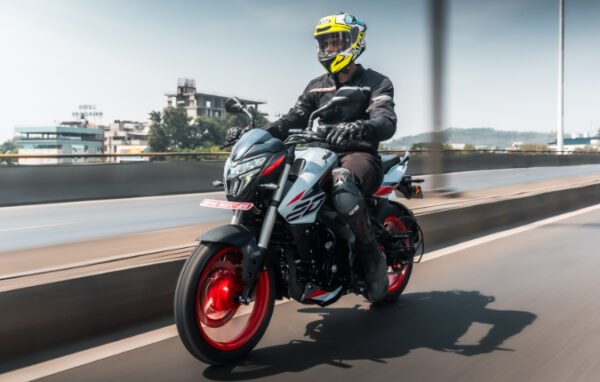 On paper, the difference between these two motorcycles is interesting. The NS200 produces 25.2hp and 18.74Nm from its 199.5cc engine, while the 249cc N250SS produces 24.7hp and 22Nm. The NS200 has a marginal advantage in peak power, while the N250SS offers considerably more torque.
Weight adds another dimension. At approximately 158kg, the NS200 is around 7kg lighter than the 165kg N250SS. This, combined with its power delivery, explains why it feels more agile and eager when ridden enthusiastically. The N250SS, meanwhile, uses its additional torque and six-speed gearbox to deliver a more relaxed riding experience.
At ₹1.60 lakh and ₹1.59 lakh respectively, the price difference is just ₹1,000. It is tempting to let that decide your purchase or assume that the larger-capacity motorcycle offers a better deal. But I wouldn’t.
The NS200 is better suited to spirited rides, quick direction changes and winding roads. It feels lighter and more eager, rewarding riders who enjoy working the engine.
The N250SS makes more sense if most of your riding involves daily commuting, traffic, relaxed weekend outings and highway cruising. Its accessible torque and calmer nature make it easier to live with.
What is important is that both motorcycles have received significant updates, and both are considerably better equipped and more complete than before. The NS200 has become more refined while retaining its sporty character, whereas the N250SS has gained a more versatile engine and gearbox along with modern electronics.
They may cost almost the same, but that doesn’t mean they need to be judged against each other purely on price. These are two different interpretations of what a Pulsar should be.
Before choosing, think about where you ride, how you ride and what you expect from your motorcycle. Don’t buy the bigger engine simply because it appears to offer more for your money. Choose the motorcycle that fits your purpose.
Because the best motorcycle isn’t necessarily the one with the bigger engine. It’s the one that makes the most sense for you.