


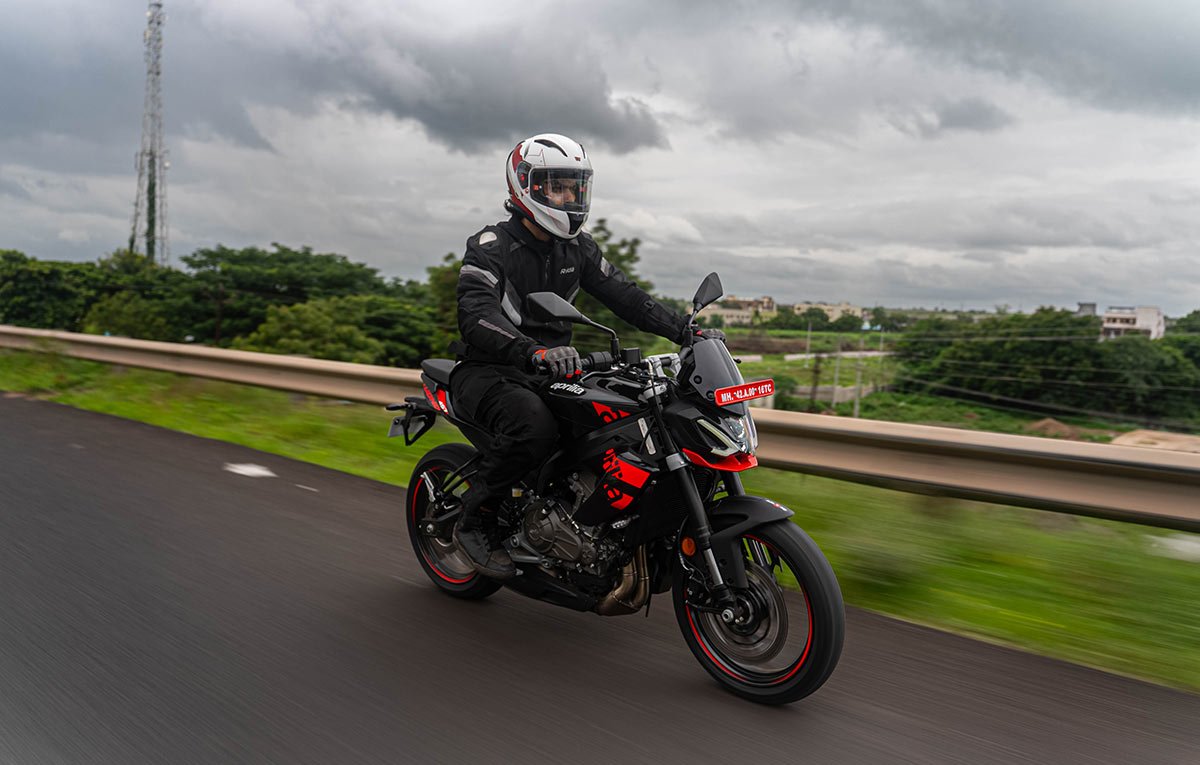
Motorcycle manufacturers have a curious habit. They launch a new bike, invite journalists to ride it, collect months of feedback from owners and reviewers, and then proceed as if none of it happened. A new colour arrives, perhaps a new decal, but the issues that kept coming up remain firmly on the checklist. Aprilia has taken a different approach with the Tuono 457 Special Edition.
Calling it a “Special Edition” is slightly misleading because it replaces the previous Tuono 457. Think of it as a thoughtful facelift rather than a limited-run celebration. The engine remains the same 457cc parallel-twin, producing 47.6 bhp and 43.5 Nm, while the aluminium frame, six-speed gearbox, TFT display and electronics package continue unchanged. And that’s perfectly fine. The original Tuono 457 already had an excellent mechanical foundation. What it needed was refinement.
The Things People Wanted
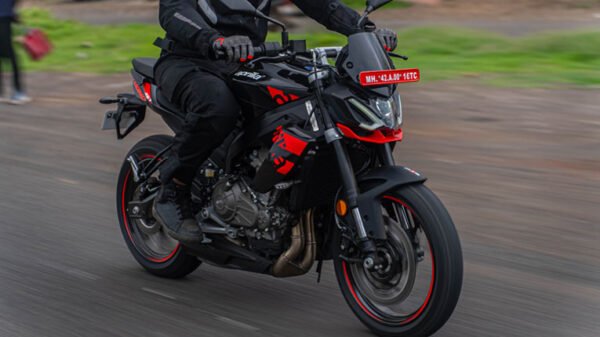
The Tuono 457 was never short of talent. Its engine was one of the most entertaining in the segment, the chassis felt properly engineered, and the aluminium frame gave it a level of sophistication that is unusual at this price. But spend enough time riding one and a familiar list of complaints emerged.
The seat could have been more comfortable. The suspension could feel busy on rough surfaces. The riding position could be a little more relaxed. And the absence of an adjustable brake lever seemed like an unnecessary omission. These weren’t fundamental flaws. They were the sort of little irritations that become increasingly noticeable the longer you own a motorcycle. The Special Edition addresses most of them.
More Comfortable, Still a Tuono
The redesigned seat gets additional cushioning and better support. It doesn’t dramatically alter the seat height, but the difference becomes apparent after an hour in the saddle rather than during a five-minute showroom ride. I experienced that first-hand during a roughly 75 km ride around Baramati, where Piaggio India’s headquarters are located. There was enough smooth highway to let the Tuono stretch its legs, plenty of flowing sections to enjoy its chassis and enough broken tarmac to expose weaknesses in the suspension.
The latter is where the biggest improvement lies. Aprilia has retuned the suspension to offer greater compliance over rougher surfaces. The previous setup was excellent at dealing with smaller imperfections but could become a little unsettled when the road got properly rough. The revised calibration makes the Tuono more composed without taking away its eagerness to change direction.
The handlebar is also positioned slightly higher. For someone my height, the difference is difficult to appreciate, but an average-height rider should find the revised riding triangle more accommodating. And finally, the brake lever is adjustable. It should have been adjustable from the beginning, but at least it is here now.
A Sharper Face
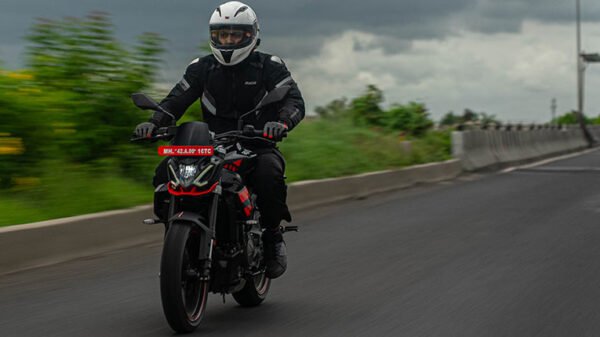
The visual changes are easier to spot. The Tuono gets two new colour schemes: Mamba Black with red detailing and Puma Grey with white and red accents. Fresh graphics and redesigned wheel-rim detailing give it a more contemporary appearance. The flyscreen has also been redesigned. It looks sharper and, more importantly, provides some additional wind deflection on the highway. It won’t turn the Tuono into a touring motorcycle, but it takes a little pressure off your chest at speed. It’s a small example of what this update does well: visual changes that have some functional purpose behind them.
Why Change What Already Works?
The 457cc parallel-twin remains untouched, and I think that’s the right decision. With 47.6 bhp and 43.5 Nm, it remains one of the more compelling engines in its segment. The aluminium frame, six-speed gearbox and overall chassis architecture are unchanged because they didn’t need fixing. The electronics remain familiar too, with Ride-by-Wire, three riding modes, adjustable traction control, dual-channel ABS and the 5-inch TFT display. There is no extra horsepower. No new riding mode. No attempt to manufacture excitement through a specification-sheet arms race. This feels more like Version 1.2 than Version 2.0.
The Checklist Isn’t Complete
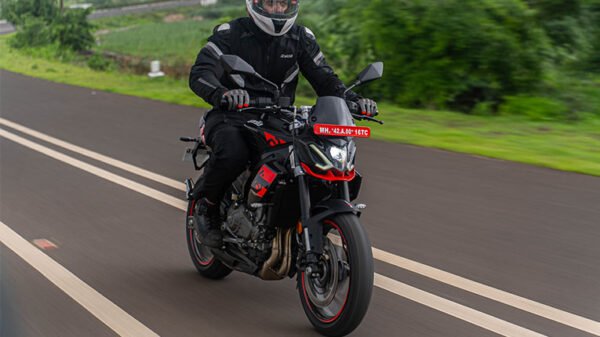
There are still a couple of things missing. The quickshifter remains an accessory, as does TPMS. Some riders have also questioned the front brake setup, although I wasn’t among them. Those looking for additional bite can opt for sintered brake pads as an accessory. So, no, Aprilia hasn’t addressed every possible complaint. But that’s almost beside the point.
What matters is that the company appears to have paid attention to how people actually use the Tuono. A better seat, a more accommodating riding position, revised suspension and an adjustable brake lever aren’t headline-grabbing upgrades. They are the things that become valuable when you’re 100km into a ride. And that is what makes the Tuono 457 Special Edition interesting.
The price remains ₹3.99 lakh ex-showroom, while the excellent engine and chassis remain intact. Aprilia hasn’t tried to reinvent a motorcycle that didn’t need reinventing. It simply listened. For a motorcycle manufacturer, that might sound like a fairly basic thing to do. In reality, it’s surprisingly rare.