


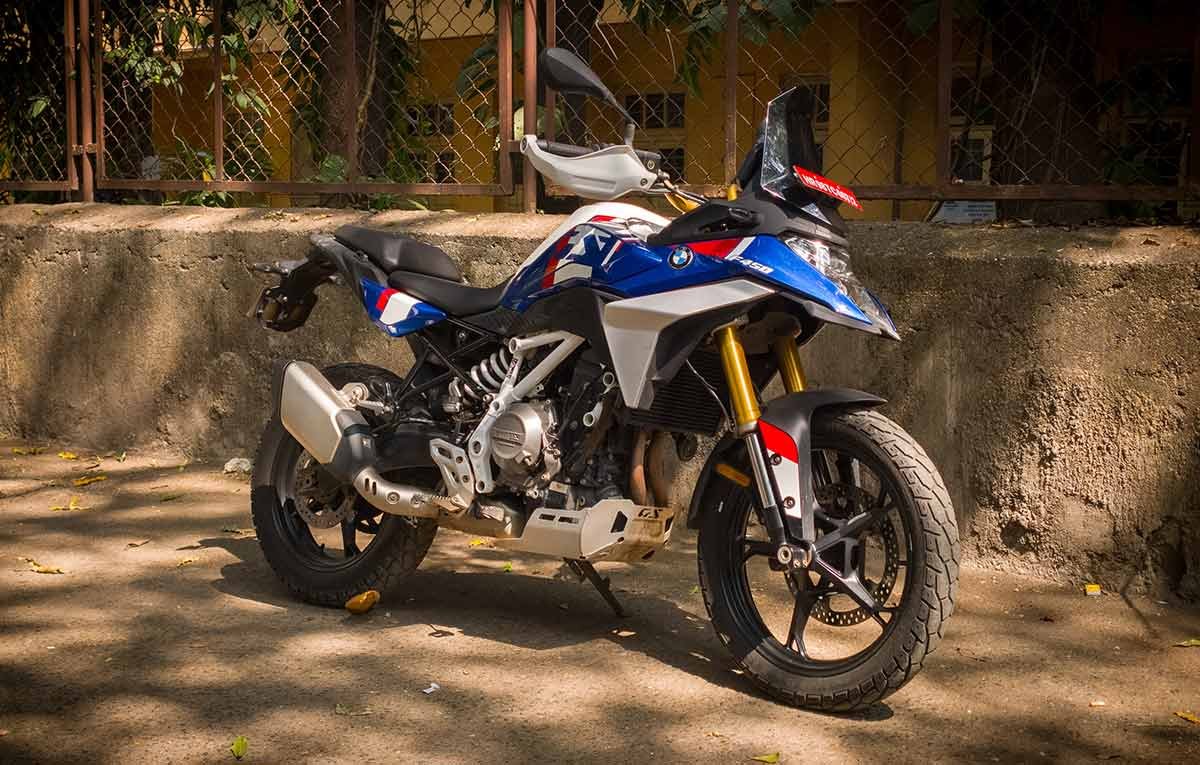
Two hours. That’s how long I had with the BMW F 450 GS before I had to hand back the keys and make a dash for the airport. Media bikes are often in short supply, and sometimes you have to make the most of whatever time you get. My colleague Atharva was staying back to shoot some content with the motorcycle, so I had a fairly straightforward plan: get acquainted with the bike, but spend most of my time figuring out one particular piece of technology. The Easy Ride Clutch, or ERC.
I’d already seen videos explaining how it worked. My colleague Mandar had ridden the F 450 GS during its first ride, so I wasn’t going in completely blind. I knew the broad idea: ERC takes care of clutch engagement, allowing you to pull away and come to a stop without having to operate the clutch lever. But knowing what a system does and actually using it are two very different things.
The first few minutes were, frankly, a little strange.
No Clutch Needed
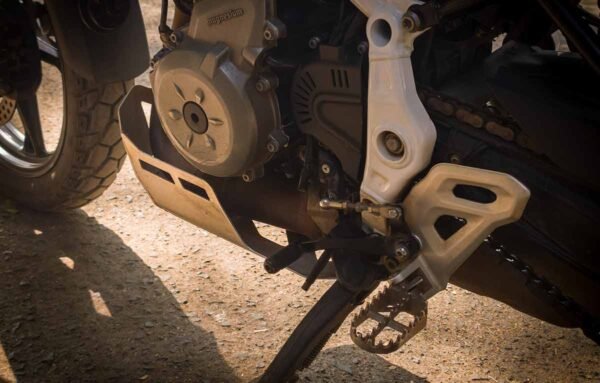
If you’ve ridden motorcycles for years, your left hand has a mind of its own. You instinctively reach for the clutch when slowing down, pull it in before coming to a halt and find the biting point before setting off again. It’s muscle memory, and breaking that habit isn’t particularly easy. With ERC, you can release the clutch lever, open the throttle and let the system do its thing. The bike doesn’t move simply because you’ve let go of the lever. It waits for you to get on the throttle. That little pause is enough to make you question whether you’re doing something wrong.
Once I got past that initial hesitation, the system began to make more sense. The idea is to let the electronics manage clutch engagement according to engine speed, rather than having the rider constantly modulate the lever. You can focus on the throttle and your line, particularly when moving slowly or negotiating situations where frequent clutch work would otherwise become second nature.
And that’s where ERC could prove particularly useful. Think about crawling through traffic, making tight turns or picking your way through a tricky section of an off-road trail. These are situations where managing the clutch, throttle and rear brake simultaneously can become quite a handful, especially for less experienced riders. ERC takes one of those variables out of the equation. It doesn’t make riding entirely effortless, nor does it replace good throttle control, but it could make certain situations considerably less intimidating.
Overall Package
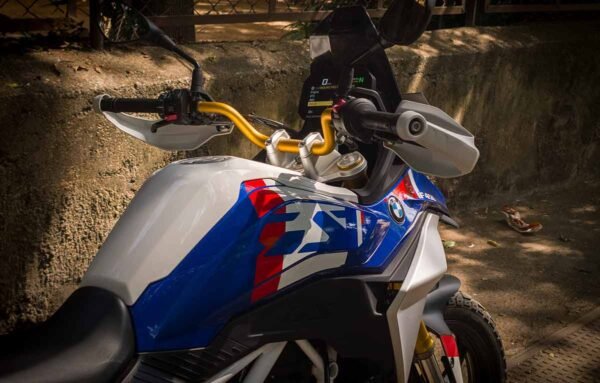
The F 450 GS also gets BMW’s Shift Assistant Pro, which allows clutchless gear changes, so the ERC is part of a broader effort to reduce the amount of manual intervention required from the rider. Importantly, the conventional clutch lever is still present for those who prefer taking matters into their own hands.
Of course, there’s considerably more to the F 450 GS than its clutch technology. Power comes from a newly developed 420cc parallel-twin engine producing 48hp and 43Nm, paired with a six-speed gearbox. The engine uses a 135-degree crankshaft offset, while the motorcycle gets a 6.5-inch TFT display, multiple riding modes and a proper adventure-bike stance. It’s a compact middleweight ADV with the sort of hardware and electronics you’d expect from the GS family.
I won’t pretend I came away with a definitive verdict on the motorcycle’s handling, suspension or long-distance comfort. Two hours simply aren’t enough for that, and I didn’t want to manufacture impressions just to fill a review. My time was better spent understanding what BMW might consider one of the F 450 GS’s most interesting talking points.
A Difficult Goodbye
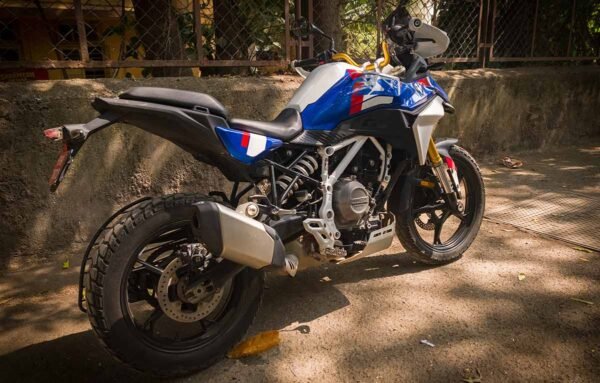
By the time I handed the bike over to Atharva, I was considerably more comfortable with ERC than I had been when I first got on. I wouldn’t say two hours made me an expert on the system, but they did make me curious about spending more time with it.
And perhaps that’s the point. Technology on motorcycles is most interesting when it changes something you’ve taken for granted. For years, the clutch has been an inseparable part of the riding experience. The BMW F 450 GS asks you to let go of that habit, quite literally. And while it takes a little getting used to, it’s an intriguing glimpse of how adventure motorcycling could become more accessible without necessarily taking the fun out of it.