

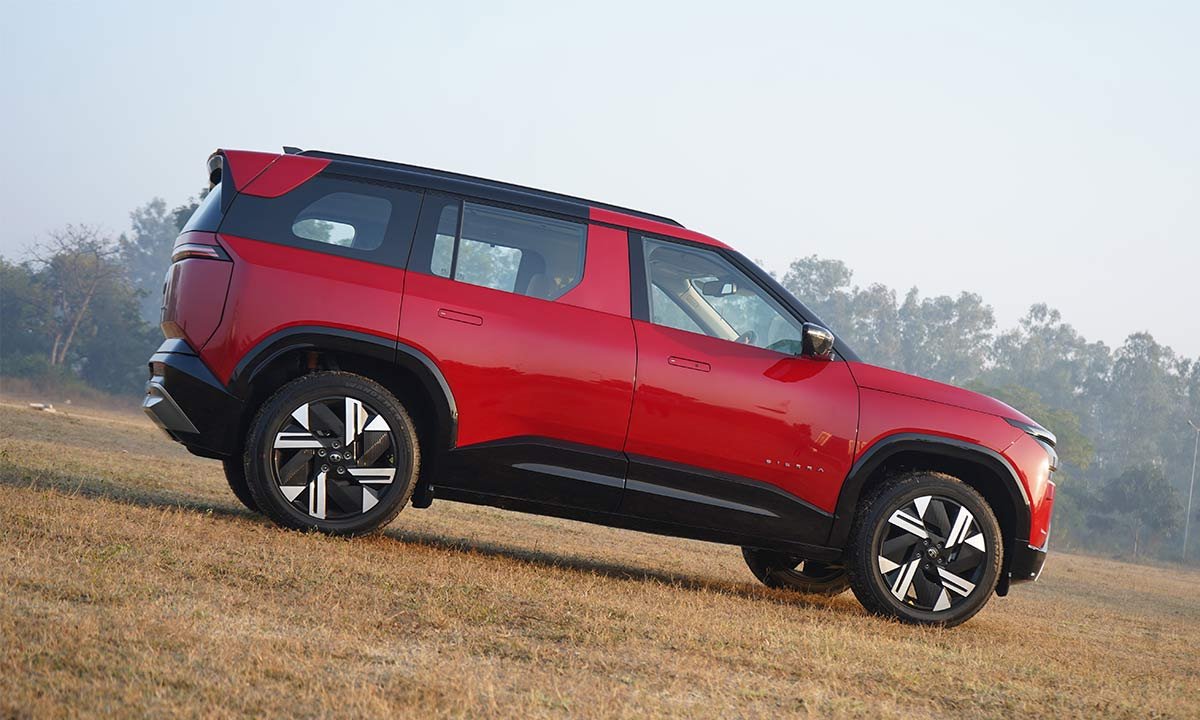
At 6 degrees Celsius, Chandigarh has a way of waking you up without warning. The kind of cold that cuts through your jacket before you’ve even thought of coffee. And yet, on this particularly chilly morning, it wasn’t the weather that got the city buzzing. It was the car. The Tata Sierra, parked quietly at our shoot location, had already begun attracting a crowd. Chandigarh’s love affair with cars is well-known, but what stood out was not just the attention; it was the quality of it. Instead of the inevitable “kitne ki hai?”, I was met with questions about drivetrain options, screen sizes, ICE vs EV possibilities, the rear-seat experience, and even safety tech. It felt less like a curious crowd and more like a pop-up auto expo audience.
Retro Shape With Modern Swagger
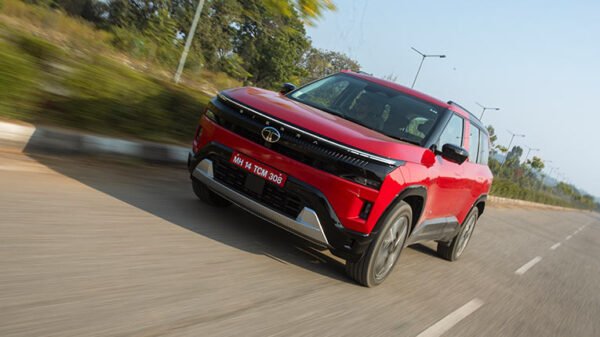
Much of that magnetism comes from its design. In a world full of lookalike compact SUVs, the Sierra looks as if it has confidently walked in from another room altogether. The Defender-like upright stance, clean surfacing, squared proportions and that unmistakable greenhouse-style glass area instantly give it a presence that’s both muscular and elegant. Then there’s the nostalgia factor. If you’ve grown up in the ’90s, the Sierra is less a car and more a memory.
Also Read: Tata Harrier EV: One Week, One Charge
One associated with success, style, and that rare Indian-made vehicle that genuinely looked premium back in the day. Tata has cleverly retained the “glass house” DNA while reimagining everything else. It doesn’t feel like a reboot; it feels like a respectful revival that remembers the original fondly, but is not trapped by it.
Modern Interiors
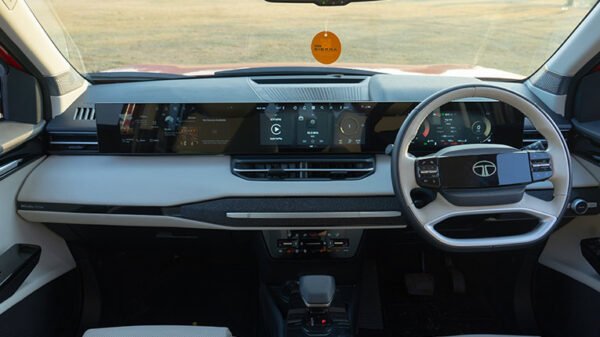
Any remnants of the old Sierra have evaporated. This is not a retro cabin. The three-screen experience immediately changes the way you think about interiors in this price segment. You don’t just sit in the Sierra. You interact with it. The passenger screen is not a garnish; it is fully functional, offering YouTube, gaming, and multiple entertainment apps. Pairing a controller transforms the front passenger seat into a gaming console on wheels, while Bluetooth headphones mean the driver is not dragged into a FIFA soundtrack while navigating traffic. It’s futuristic, indulgent, and surprisingly well-executed.
But that said, I have to talk about the flimsy nature of the plastic used in the interiors. Leaving aside the exquisite dashboard, the rest of the interiors suffer from finishing issues. The floating grab handles on the doors are wobbly, and the plastic pieces on the doors, the unrefined stitching on the seats, and other such aspects pull the car back a bit.
Smart Safety
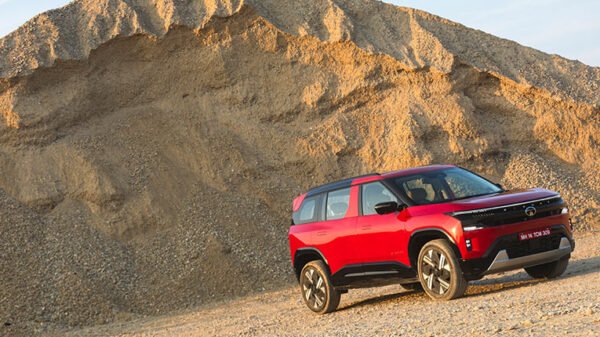
But the Sierra is more than just screen-deep cleverness. One safety feature that genuinely caught my attention, and deserves applause, is the seatbelt-linked electronic parking brake. The car simply refuses to disengage the handbrake unless the driver is buckled up. No warning chimes. No polite reminders. Just a firm, “Not happening unless you’re safe.” In a country where seatbelts are still hard to enforce, this small but smart feature could easily save lives. It’s the kind of thoughtful innovation that doesn’t shout for attention but quietly does the right thing.
Punching Above Weight
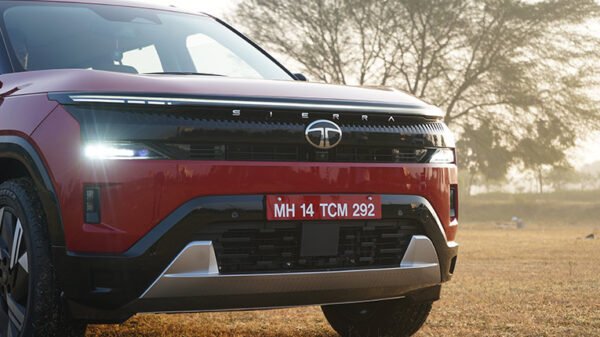
Then came the driving — the real test. The Sierra lineup includes three engines: a 1.5-litre naturally aspirated petrol (106 hp/145 Nm), a 1.5-litre turbo petrol (160 hp/260 Nm), and a 1.5-litre turbo diesel (118 hp/260 Nm). I got into both the turbo petrol and the diesel variants fully expecting competence, but not excitement. After all, how thrilling can an SUV priced from Rs 11.49 lakh really be? But as it turns out, quite a bit.
The turbo petrol is the one that steals the show. There’s urgency in the throttle, an eagerness to surge forward, and a punch that genuinely catches you off guard in the best possible way. Switch to Sport mode and the Sierra suddenly wakes up like it’s late for an important meeting. Acceleration sharpens, overtakes become effortless, and the engine delivers an enthusiastic mid-range that’s outright fun.
Also Read: Tata Nexon EV: Navigating Mumbai’s Urban Maze As A First-time EV Driver
The diesel, in contrast, is calmer and more measured. It doesn’t indulge in theatrics, but it rewards you with relaxed cruising and a wave of torque that makes highway stints easy. It’s the engine for someone who wants confidence more than excitement, and it executes that brief perfectly.
Steering Could Do More
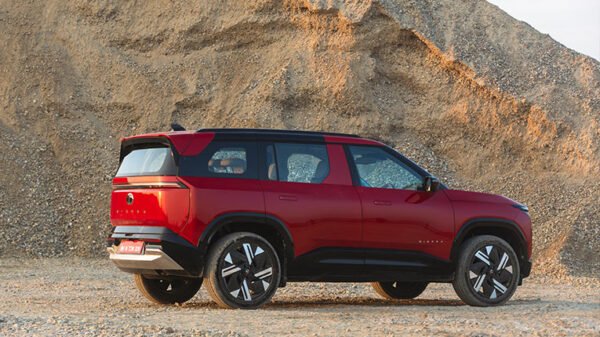
Handling is another pleasant surprise. The Sierra feels planted, composed, and willing through corners. It doesn’t wobble, doesn’t pitch, and responds faithfully to steering inputs. Through Chandigarh’s broad roads and quicker sections, it never felt flustered, which brings me to my only gripe: the Sport mode’s steering tuning. On paper, switching to Sport should tighten things up, add weight, and make the wheel feel more direct. In reality, it doesn’t quite go far enough. While navigating the city after a long day of shooting, I found myself wishing the steering matched the engine’s enthusiasm. The powertrain was ready to play, but the steering felt like it missed the memo.
Made for Today
And yet, by the end of the day, that gripe felt like a small footnote in an otherwise very impressive package. The new Sierra succeeds because it doesn’t try to be just one thing. It is emotional without being gimmicky. High-tech without being cold. Nostalgic without being outdated. It reminds you why you fell in love with cars in the first place. And then shows you what that love looks like in 2025.
Retro Revival Done Right
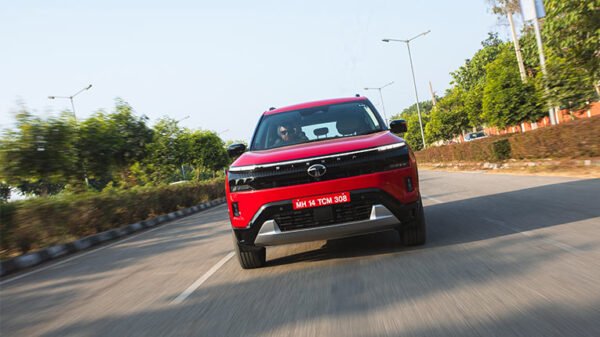
The Tata Sierra is not just a comeback but also a reinvention. It blends its iconic design cues with modern tech, real-world practicality, and genuinely enjoyable driving manners. Sure, it has its flaws, but everything else feels remarkably well-judged. For a starting price of Rs 11.49 lakh, the Sierra doesn’t just offer value, but also emotion, and that gives it a very real edge in the market.