


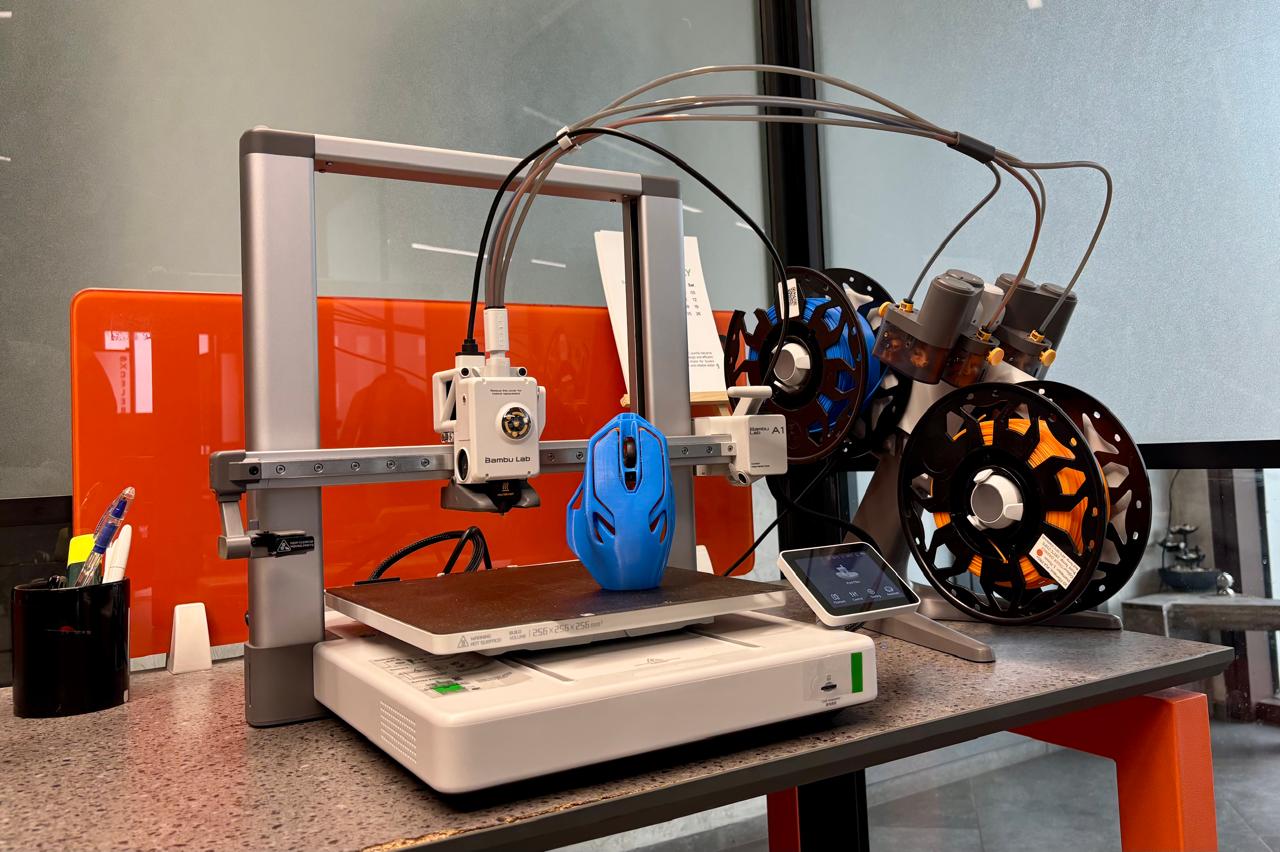
Six months ago, I wrote an enthusiastic initial review of the Bambu Lab A1 Combo powered by Wol3D, highlighting its groundbreaking accessibility to multi-colour 3D printing at an affordable price of ₹49,990. Back then, after a month of use, I was impressed by its speed, precision, and the seamless integration of the AMS Lite system for up to four colours of materials. It felt like a significant upgrade from my old Creality Ender 3 V2, blending premium features with a user-friendly design. Now, with over 500 print hours logged, countless projects completed, and a deeper understanding of its quirks, it’s time for a long-term perspective. Has it held up under daily demands? How has it evolved my creative workflow and daily life? And what about those unavoidable hiccups? Let’s dive in.
Long-Term Performance: Reliability Meets Real-World Challenges
In the past six months, the A1 Combo has proven itself as a workhorse. I’ve pushed it through a variety of tasks, from rapid prototyping custom phone stands and mechanical parts to intricate multi-colour models like personalized keychains and decorative coasters. The core specs include 256 x 256 x 256 mm build volume, max speeds up to 500 mm/s (though I typically stick to 250 mm/s for quality), and the all-metal hotend capable of 300°C, have remained consistent. Print quality hasn’t degraded; if anything, I’ve fine-tuned my settings in Bambu Studio to achieve even sharper details and smoother surfaces.
The AMS Lite, which enables effortless multi-material printing, has been a standout. Using Wol3D’s in-house PLA filaments (derived from corn starch and biodegradable), I’ve experimented with vibrant colour combinations without the need for constant manual swaps. The Wol3D spools ssavetime, and even with third-party filaments, manual calibration is straightforward. Noise levels have stayed impressively low at around 48 dB, making it suitable for home offices. I’ve printed overnight without disturbing the household.
However, it’s not all smooth sailing. About four months in, I encountered a significant breakdown: filament got stuck in the extruder during a heavy multi-colour print session. It started with inconsistent extrusion, leading to a complete jam that clogged the hotend. After some YouTube tutorials, I was able to clear it with cleaning filament and nozzle tools. The process took a few days. It turned out to be a brittle filament due to moisture. Since then, I’ve been more active with maintenance, including regular purge-tower cleanups and the use of high-quality filaments to prevent similar issues.
Overall, uptime has been about 95%, which is impressive for a consumer-grade printer. The built-in camera, though still limited to 0.5 fps for timelapses, has been handy for remote monitoring via the Bambu Handy app, catching potential failures early.
How It Changed Our Lives: From Hobby to Essential Tool
The A1 Combo hasn’t just been a gadget; it’s transformed how I approach creativity and problem-solving. In the last six months, it’s shifted from an occasional toy to a daily utility. For instance, I’ve printed custom coasters for our office, saving us trips to the store and reducing plastic waste from mass-produced items. My colleagues have used it for projects, like a horseshoe for a mic and a camera lens protector.
Positives & Negatives
Beyond the initial wow factor, I’ve come to appreciate several aspects of the printer. Its durability impresses; the unibody frame and metal components show minimal wear after heavy use. The removable textured PEI bed grips print well and allow for easy removal. Reliable auto-calibration features save time compared to older models.
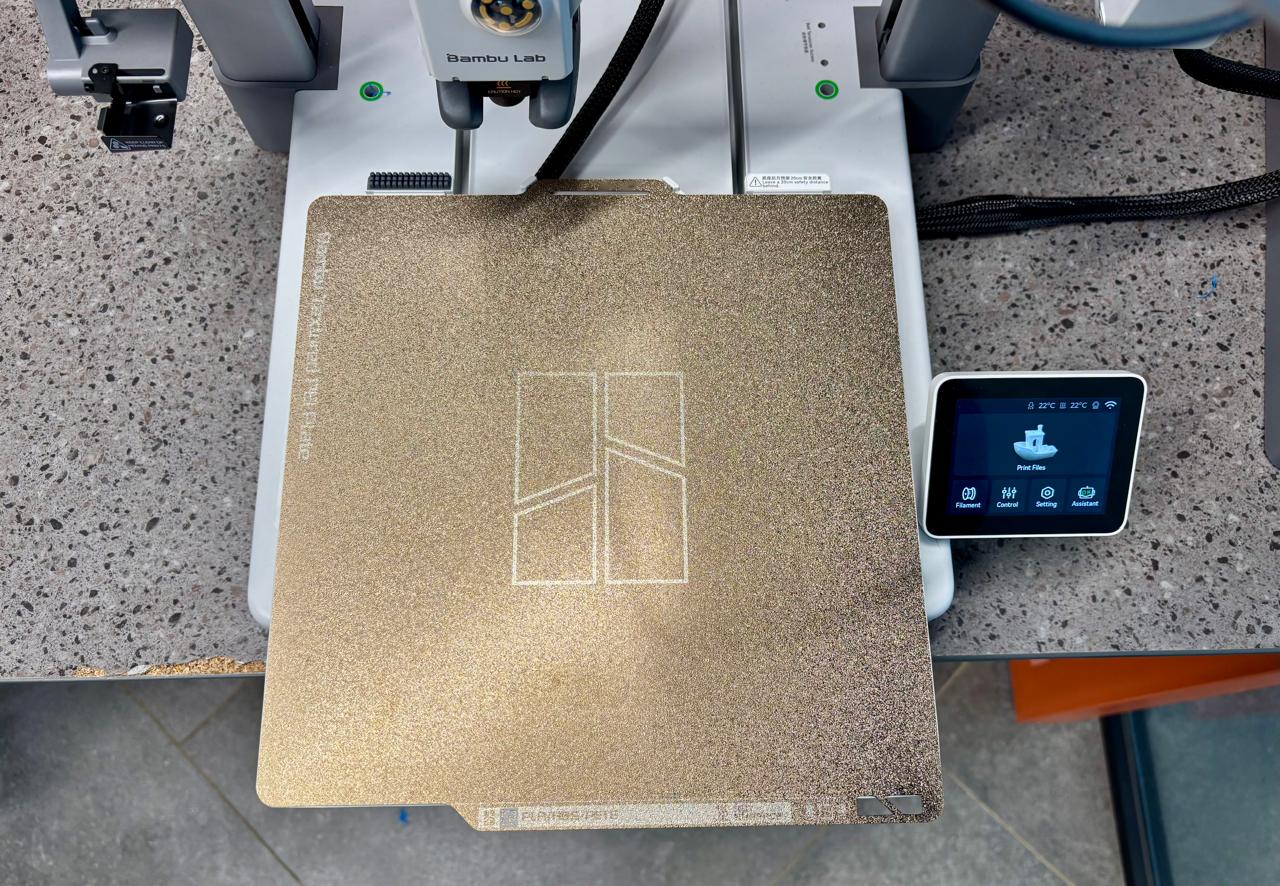
Multi-colour printing with AMS Lite is fun, with crisp colour transitions and modular upgrades. Wol3D filaments perform excellently and are readily available in India. The software, particularly Bambu Studio, has improved significantly, making slicing intuitive, while community profiles enhance versatility. Its quiet operation and compact design make it suitable for living rooms, and the camera’s time-lapse feature is great for social media.
At ₹49,990, it has already paid for itself. The wide filament compatibility allows for a variety of projects, from flexible grips to durable parts.
However, no printer is perfect. Filament costs can add up, especially for larger prints, with waste from multi-colour jobs reaching up to 20%. Maintenance can be a hassle; clogs require tools to fix, and the open-frame design limits ABS printing without an enclosure, leading to warping in humid conditions. The AMS Lite increases the printer’s footprint, affecting portability.
Occasional software glitches occur after updates, and the low-res camera feels outdated. While the printer is quiet, the fan noise increases during long prints.
Verdict
After six months, the Bambu Lab A1 Combo powered by Wol3D earns a solid 9/10 in my long-term books, a slight dip from my initial 9.3 due to maintenance realities, but still a recommendation for hobbyists and pros alike. It’s revolutionized our lives by embedding creativity into everyday routines, delivering consistent performance with room for growth. If you’re okay with occasional servicing and budgeting for filament, it’s a powerhouse. For those in India, Wol3D’s support seals the deal. Just remember: great tools require care to shine in the long term.