

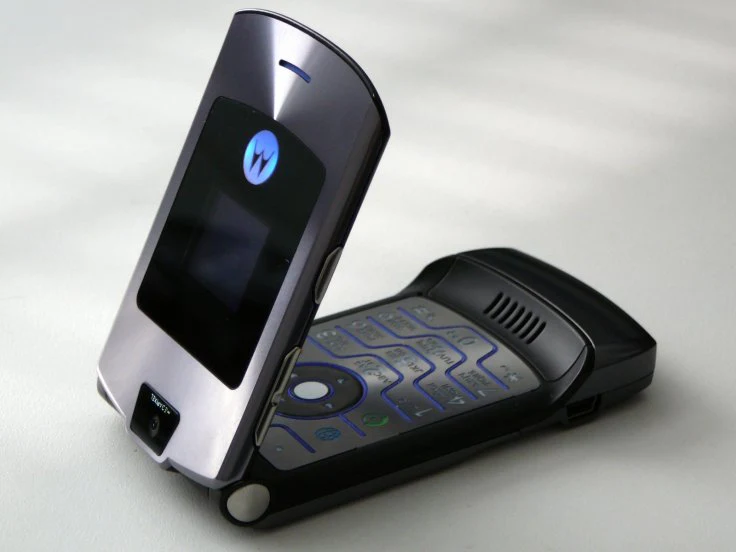
I still remember the day the Motorola RAZR V3 crashed into my life like a shiny meteor. It was around 2005, maybe early 2006, and I was in my early teens, hanging out at a cousin’s place in the city. He had just gotten one, the silver one, of course, the classic that looked like it was carved from liquid metal. He flipped it open with that satisfying click, and I swear the room went quiet for a second. The keypad lit up like a spaceship dashboard, with a blue glow everywhere, and the external screen showed a tiny photo of his girlfriend. I had never seen anything so impossibly thin, so effortlessly cool.
Back then, in India, most of us were still rocking bulky Nokia bricks or those candy-bar Samsungs that felt like holding a remote control. Phones were tools, not accessories. Then came the RAZR V3, launched globally in late 2004 and hitting our shores around 2005 at a price that felt like a small fortune (I think it was around ₹10,000–₹15,000 at first). It was marketed as a fashion phone, and it lived up to it. People didn’t buy it for specs; they bought it because owning one made you look like you belonged to the future.
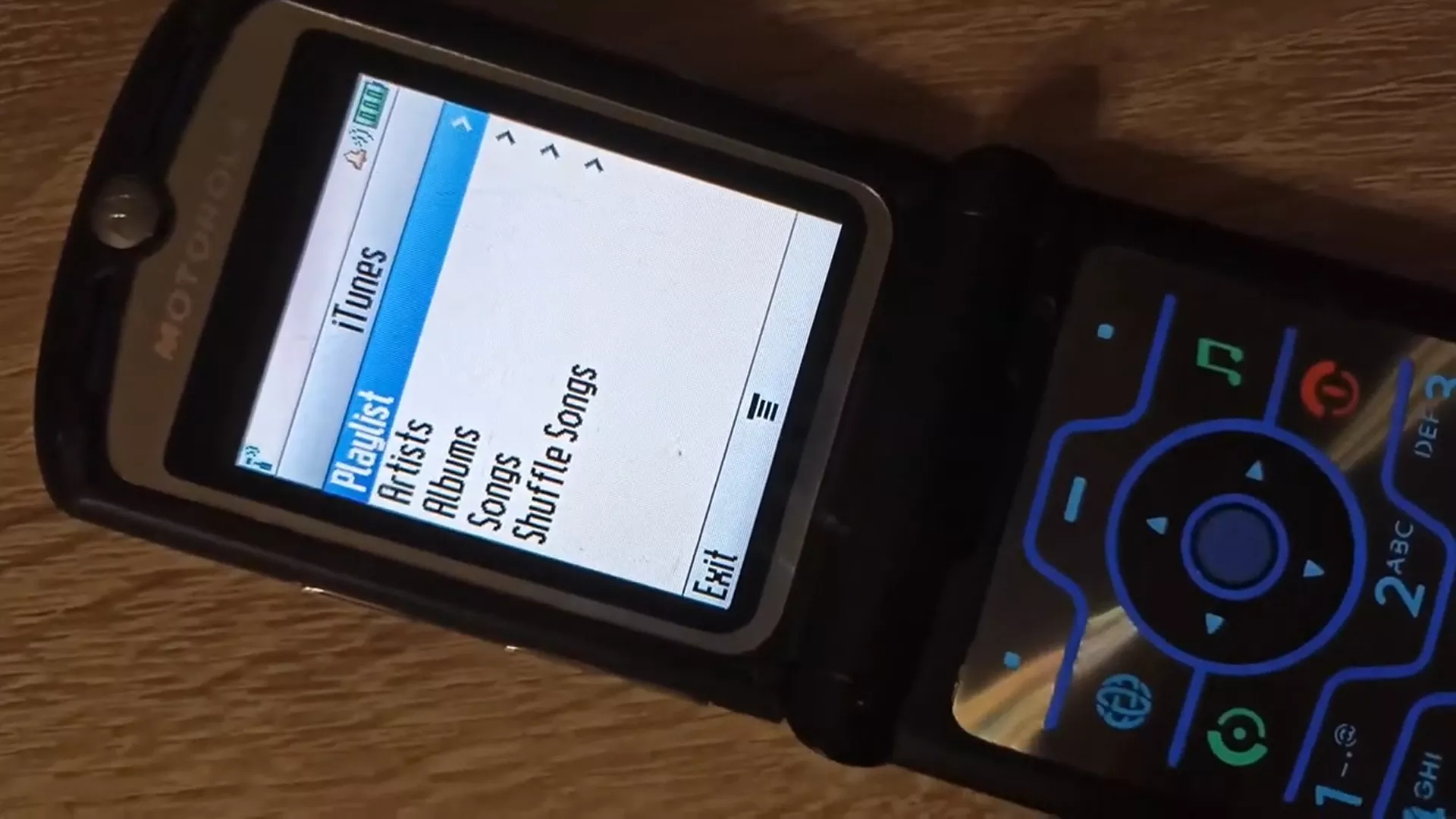
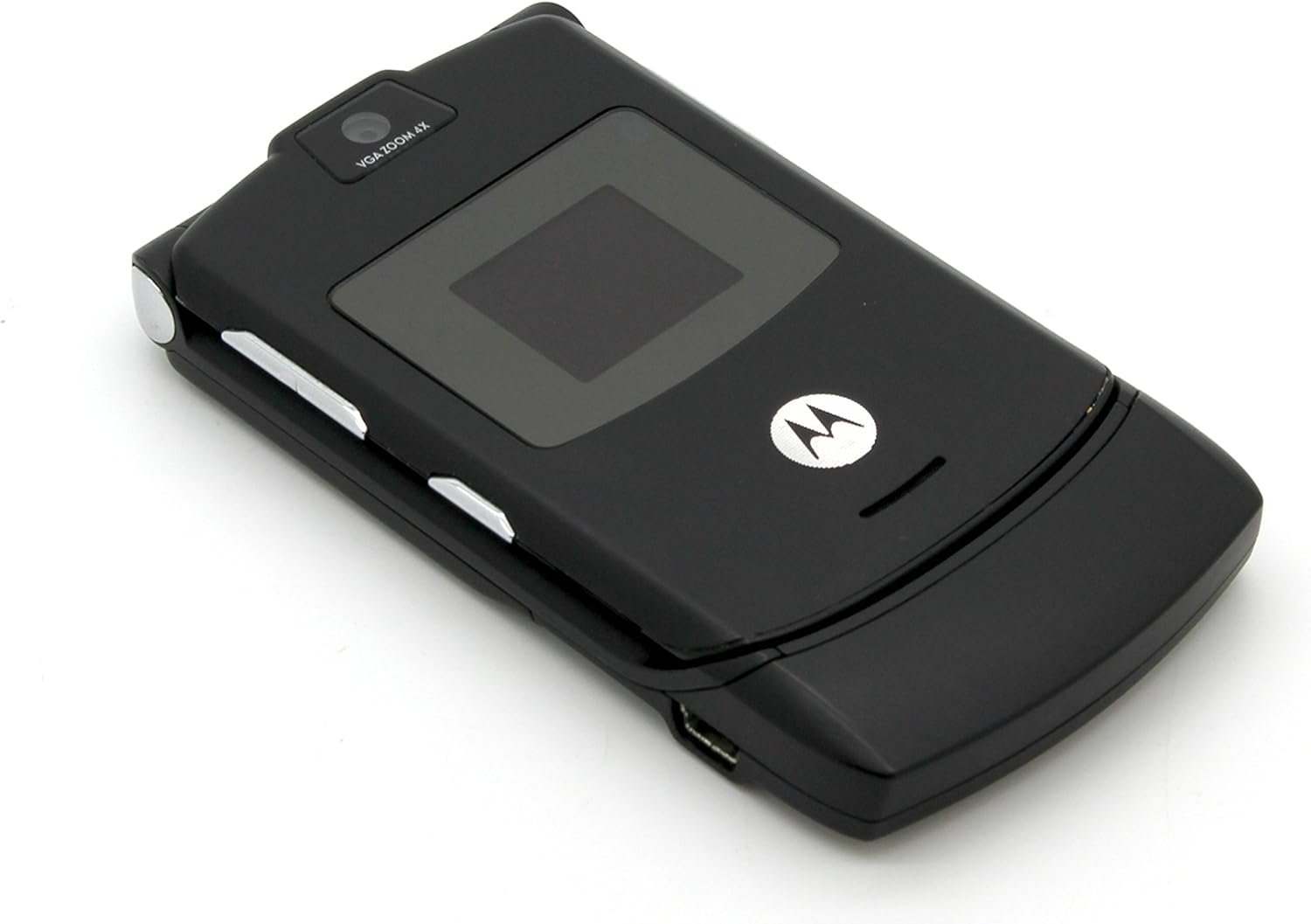
That slim aluminium body, just 13.9 mm thick when closed, slid into the tightest jeans pocket without a bulge. The flip mechanism was smooth and precise, and the way it snapped shut with a metallic clack was pure satisfaction. Inside, a 2.2-inch colour display that felt huge compared to the tiny screens on other phones. The keypad was flat, laser-etched metal, no buttons sticking out, just this glowing blue sheet that looked futuristic. The camera? Only VGA (0.3 megapixels), grainy photos that looked like they were taken through fog, but who cared? You could take a selfie by flipping it closed and pressing the side key. Bluetooth for sharing ringtones and photos with friends in class. Polyphonic ringtones that actually sounded decent. And that battery, a tiny 680 mAh pack that somehow lasted days if you weren’t flipping it open every five minutes.
The real magic was the status. In school, if you had a RAZR, you were the cool kid. Girls asked to borrow it just to flip it open and feel that premium click. We’d trade wallpapers and MIDI ringtones over Bluetooth during lunch breaks.
I never owned one. Money was tight, and by the time I could afford it, everyone had moved on to camera phones with better resolution or the first touchscreens. But the RAZR V3 stayed in my mind as the phone that proved gadgets could be beautiful, not just functional. It sold over 130 million units worldwide, became a pop culture icon, appeared in movies, was carried by celebrities, and, for a brief moment, made Motorola the king of cool again.
Today, in 2025, when I see the new foldable Razrs, I smile. They’re trying to recapture that magic, but nothing will ever beat the original V3’s pure, analog charm. The way it felt in your hand, the drama of flipping it open to answer a call, the blue glow lighting up a dark room. It wasn’t smart. It didn’t have apps or social media. It was just perfect.
Sometimes I still search for one on OLX, just to hold it again and hear that iconic flip. The RAZR V3 wasn’t a phone. It was a statement. And for a kid in small-town India dreaming of something more, it was the ultimate symbol of aspiration.