


Verdict
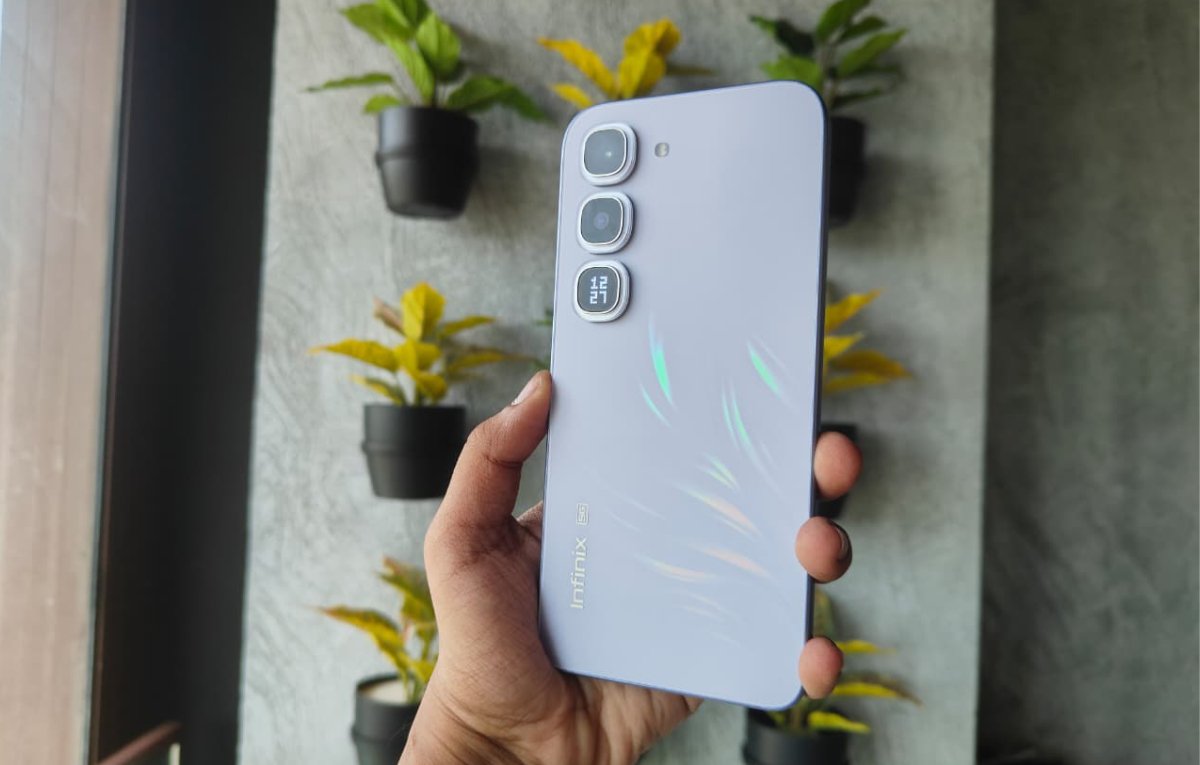
I went into this review expecting another spec-sheet phone with a marketing gimmick bolted on. I came out actually liking the Hot 70 Pro. The phone felt light and gave on-par performance, with a design that felt cared for. But design carries this phone further than the rest of it does. The Active Matrix Cube feels like an idea that needed one more feature, an always-on mode, to justify the space it takes up on the back. The bloatware on first boot is genuinely annoying, not just the usual couple of extra apps. And the AI camera processing you can't turn off outside Pro mode will frustrate anyone who just wants a plain photo. None of that ruins the phone, but it's worth setting expectations before you buy. Where the Hot 70 Pro earns its price is the battery and software add-ons. A 6000mAh cell that comfortably lasts several days on light use, and useful AI implementation.
The Good
- Solid Battery Life
- Light-weight Build
- Multiple Design Options
The Bad
- Significant Bloatware
- Big, Bright Display
- Low-Res Photos
-
Design & Build
-
Display
-
Performance
-
Camera
-
Battery
The Infinix Hot 70 Pro starts at ₹24,999 for the 6GB+128GB variant. That’s the variant I tested. At that price, the Hot 70 Pro competes with the Poco X7 Pro (₹24,499) and the Vivo T5x 5G (₹22,499), both of which match it in chipset and battery. Infinix is betting on design and software extras to stand out instead. I spent time with the phone to see if that bet pays off.
Design and Build
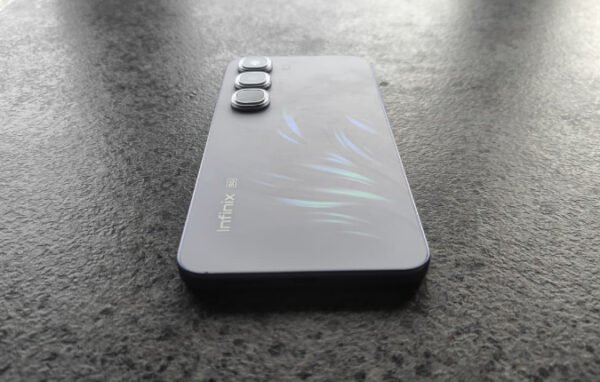 The Hot 70 Pro’s headline feature is what Infinix calls “Dynamic Shine Design”: four colourways, each with a distinct look. I had the Silk Glow Purple unit, where the texture shifts depending on viewing angle. It’s a genuinely unique effect in a sea of phones with matte finishes, and it’s noticeable in regular handling, not just under studio lighting. Infinix’s other three colours claim different party tricks: Thermo Orange shifts colour with heat, Mirage Green glows under UV light, and Dive Blue skips the effects for a plain matte finish.
The phone measures 7.85mm thick. In hand, it feels light rather than dense, and it doesn’t slip around the way glossy-backed phones in this segment often do. The back also resisted fingerprint smudging.
On the back is the Active Matrix Cube, a small light panel that Infinix carried over from the Note 60 Pro. At first glance, it almost looks like a third camera. It lights up for calls, notifications, and charging, and it doubles as a mini game console, with a Lucky Wheel and a Lucky Numbers game built in. In daily use, it felt more like a novelty than a genuine utility, nice to show off once, easy to forget about afterwards. The Lucky Wheel and Lucky Numbers concepts are fun for a few minutes, but they don’t change how you’d actually use the phone day-to-day. The Active Matrix Cube also didn’t have an always-on option for battery or notifications, which I think would have added more utility to what essentially takes up as much space as the camera.
One neat addition is the One-Tap AI Button below the power key. It’s got a good tactile texture and can be mapped to over 50 apps or to Gemini. I set it up as a mute/unmute shortcut, effectively using it as an alert slider, but its main draw is the quick AI screen search where you can circle an object on screen and ask AI about it.
Infinix also lists an IP68 rating for the Hot 70 Pro, making it both dust- and water-resistant, a first for the HOT series.
Display
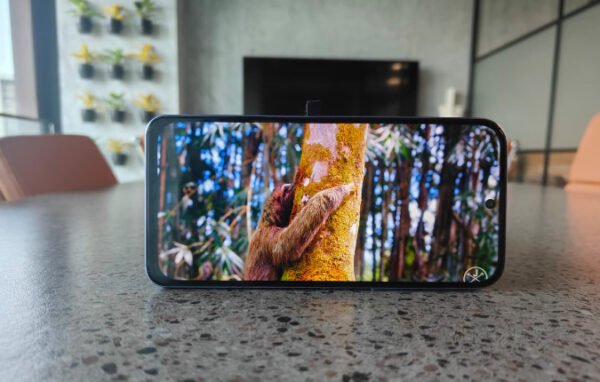 The display is unremarkable but gets the job done. The Hot 70 Pro has a 6.76-inch panel at 144Hz, with 240Hz touch sampling and a claimed peak brightness of about 910 nits. Outdoor visibility holds up well; the screen stays legible in bright light, in line with that brightness figure. Colour leans more on saturation than contrast, so images look vivid but lack depth. HDR video streaming at 1440p introduces noticeable lag and lacks the colour range of other phones in a similar price range. It has a motion sickness mode, meant to ease discomfort when reading or watching video on the move.
The punch-hole selfie camera is standard, stays out of the way and isn’t distracting in daily use. The bottom bezel is slightly thicker than the rest, but it doesn’t stand out unless you’re looking for it.
Performance
 The Hot 70 Pro runs on MediaTek’s Dimensity 7100 5G with a Mali-G57 GPU and UFS 2.2 storage. On paper, that’s a step below the Dimensity 8400 Ultra in the Poco X7 Pro, and roughly in the same tier as the Dimensity 7400 Turbo in the Vivo T5x 5G.
In everyday use, app switching, multitasking, and scrolling, the phone held up well. It’s not the smoothest phone I’ve used at this price, but there wasn’t any noticeable lag either. The one exception: streaming HDR video at 1440p introduced some considerable lag. In BGMI, it ran consistently well, with a stable frame rate through extended sessions. Turning on HDR graphics settings introduced some choppiness but didn’t significantly compromise frame rate; the phone otherwise handled the game comfortably. Infinix claims up to 90fps in supported titles; playing only BGMI didn’t push that specific number.
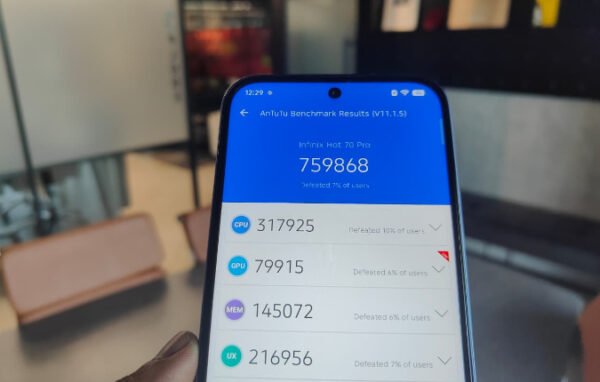
The Hot 70 Pro scored 759,868 on AnTuTu, not the most impressive, but a reasonable number for a Dimensity 7100 5G, and in line with what the chipset is capable of. The benchmark was comparable to that of the Galaxy S21 5G and the Poco X5 Pro 5G
The phone runs Android 16 on Infinix’s XOS. It’s intuitive to navigate, and the promise of three years of major OS upgrades is a genuine plus at this price point. The trade-off is bloatware; there’s a considerable and annoying amount of pre-installed and suggested software to clear out on first setup.
Camera
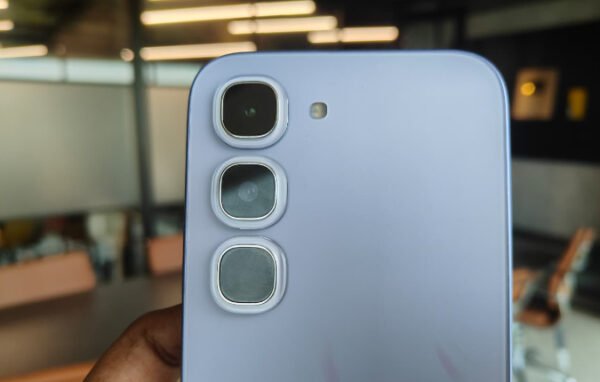 The Hot 70 Pro’s 50MP Sony IMX882 main camera is decent for the price, but one thing to flag: there’s no plain “regular” camera mode. Every shot runs through Infinix’s AI camera processing unless you switch into Pro or manual mode. That’s a meaningful difference from phones that let you toggle AI processing on and off within the standard shooting mode. Live Photo Mode works well and delivers on its promise. The AI Eraser and expansion tools, on the other hand, worked well but felt more like gimmicks, useful if you specifically need to remove an object from a shot or expand a frame, but not something you’ll look for often.
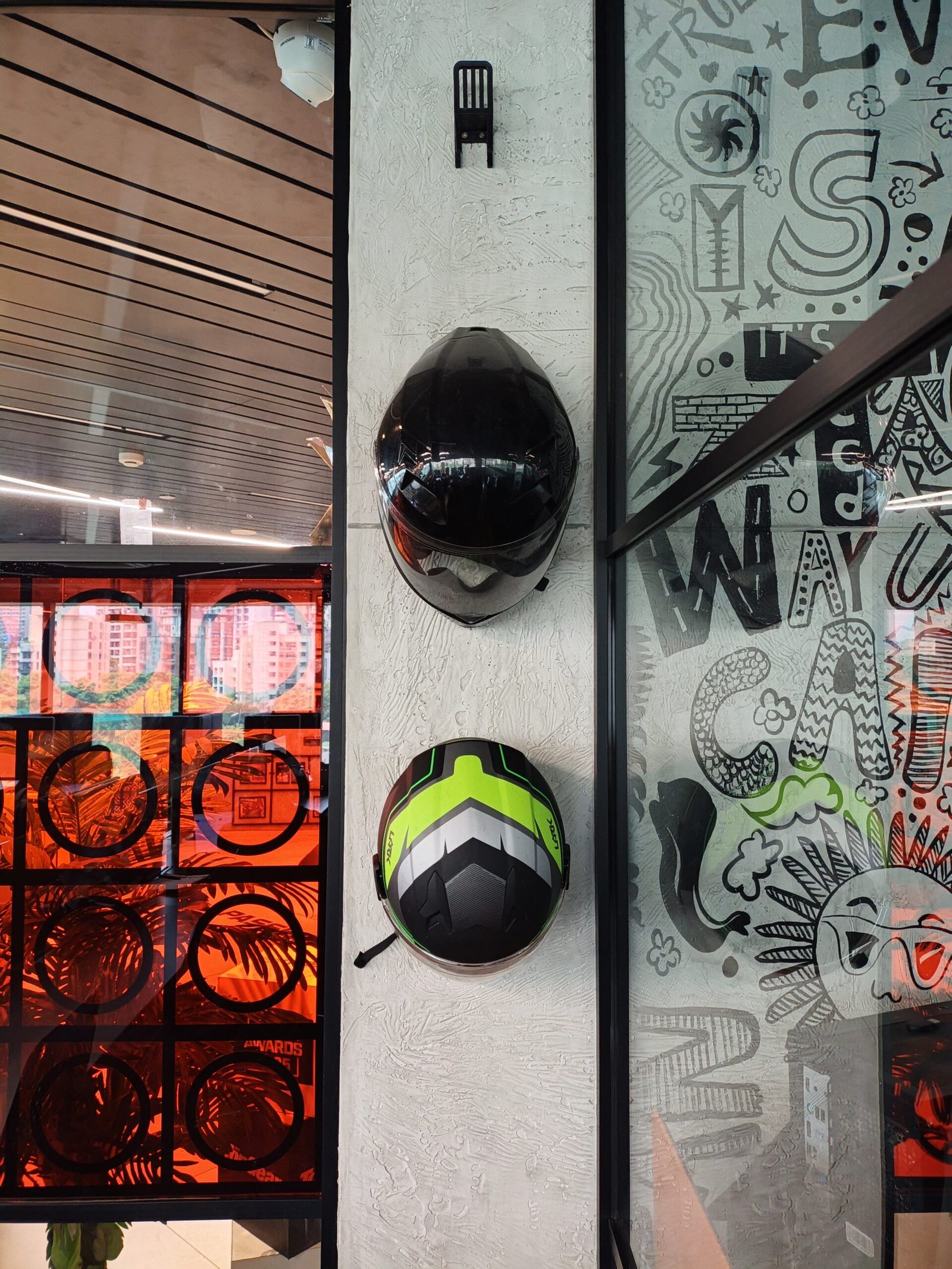



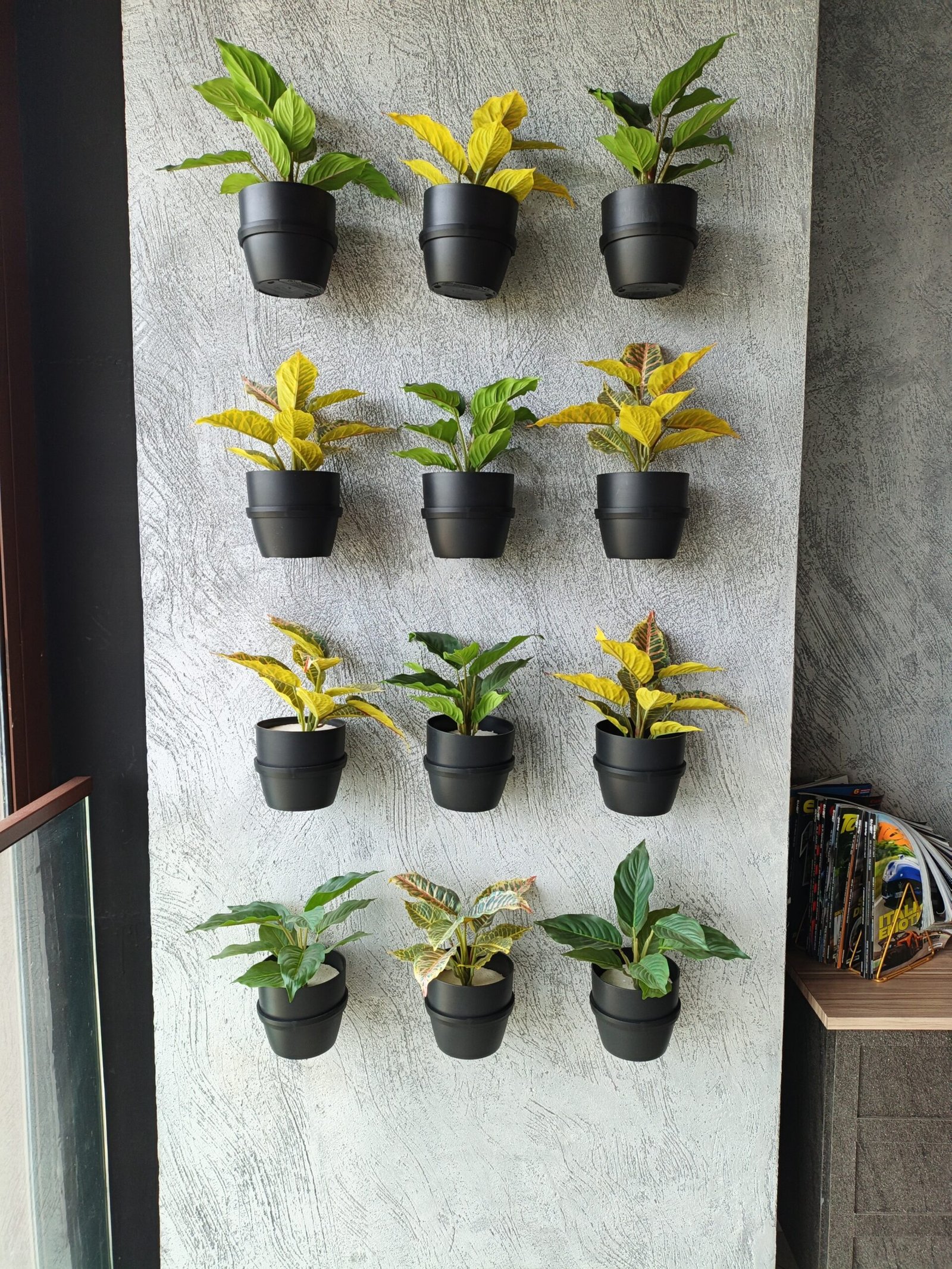




The 8MP front camera produces smooth photos that work fine for selfies and video calls. Video recording itself doesn’t stand out in any particular way, but Infinix has bundled a Vlog mode that gives on-screen shot guides and uses AI to edit footage and select the best clips automatically, a big plus for anyone shooting casual video content.
Battery
The Hot 70 Pro packs a 6000mAh battery with 45W FastCharge, and Infinix claims 50% in around 25 minutes and a full charge in about 63 minutes; testing gave similar results. This stands out at the price point.
While testing, a full charge comfortably lasted several days of light, minimal use, which meant standby drain was low. Under heavier load – 30 minutes of HDR video streaming at high brightness – the battery dropped from 93% to 85%, an 8% drain for a fairly demanding half-hour. Infinix has 3 three charging modes: Smart, Low Temp, and Hyper, all of which function as described. However, when measured with a voltage/ammeter, the phone topped out at 32–33W using the bundled charger and cable, well short of the claimed 45W.
On the plus side, the phone didn’t run noticeably hot during charging, gaming, or extended video streaming.
A colour-shifting design, a light-up back panel, a 50MP camera that holds its own, and a battery that comfortably lasts multiple days – all of it comes packed into a phone that costs ₹24,999. The Hot 70 Pro isn’t chasing flagship specs at that price; it’s betting that design and software extras will do the talking where the Poco X7 Pro and Vivo T5x 5G play it safer.
1 Comment
Pingback: Infinix Hot 70 Series – TomFlash News