


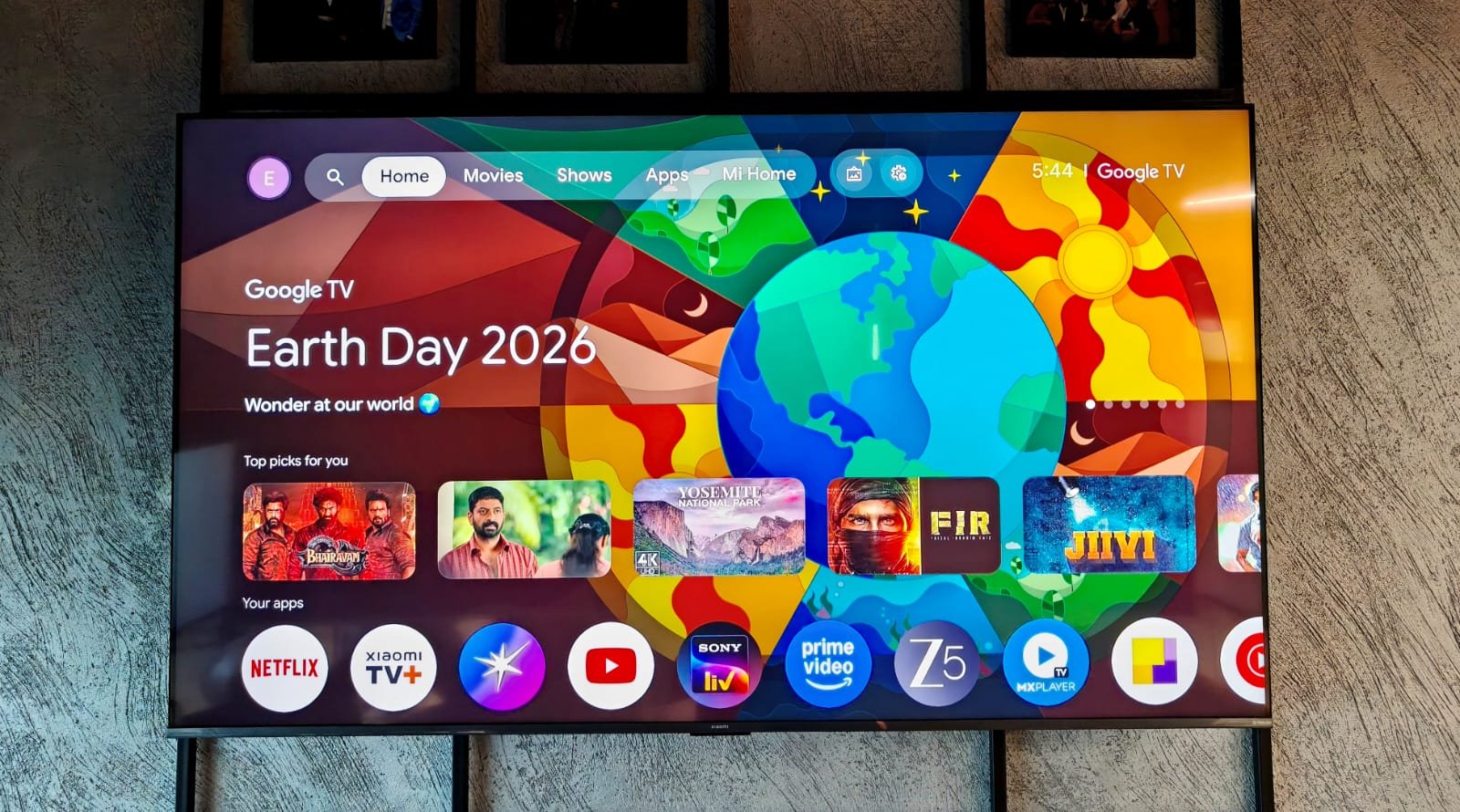
The 65-inch Xiaomi TV S Mini LED is a defining moment for the brand in India. Known for dominating the budget segment, Xiaomi is now aggressively moving into the premium territory, challenging the established OLED and high-end QLED dominance of giants like Sony and Samsung. By bringing Mini LED technology, once reserved for six-figure price tags, down to a competitive bracket, Xiaomi isn’t just offering a TV; it’s offering a flagship experience for the masses. Having spent significant time with the 65-inch unit, here is our deep dive into why this might be the most important TV launch of the year.
DESIGN & BUILD
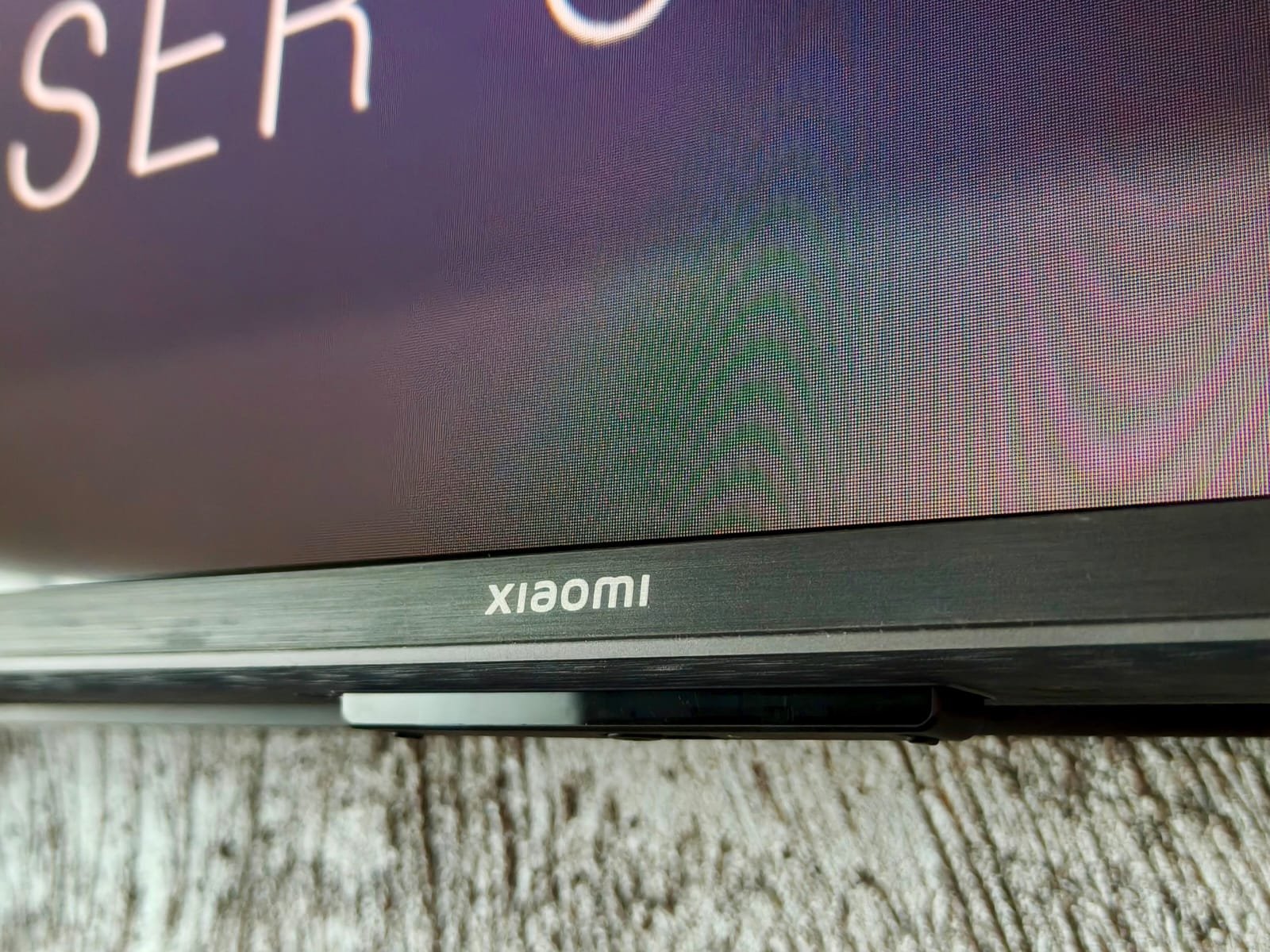
Right out of the box, the Xiaomi TV S Mini LED displays the premium craftsmanship. The 65-inch panel is wrapped in a sleek, metallic unibody frame that feels exceptionally sturdy. Xiaomi has opted for a “bezel-less” design, where the ultra-slim borders disappear during dark scenes, creating a highly immersive “floating” effect.
The TV is supported by dual-sided metallic stands that are minimal yet robust. While they do require a wide cabinet to sit on, they provide excellent stability for the massive 65-inch frame. If you like to mount it on the wall, the slim design ensures that it won’t stick out awkwardly. Around the back, the ports are thoughtfully recessed to the side, making them accessible even when the TV is mounted.
FEATURES & SOFTWARE
Xiaomi has packed this TV with “future-proof” specifications. The heart of the display is the QD-Mini LED technology, featuring up to 512 local dimming zones on the 65-inch model. This allows for surgical precision in light control, delivering deep, OLED-like blacks without the “halo effect” or light bleed typically seen on standard LEDs.
For gamers, this is a dream come true. It supports a 144Hz refresh rate (with a 240Hz Game Boost mode) and features HDMI 2.1 ports, VRR (Variable Refresh Rate), and ALLM (Auto Low Latency Mode). Playing high-octane titles on a PS5 or Xbox Series X is a buttery-smooth experience with virtually zero input lag.
On the software side, it runs Google TV, offering a refined, content-first interface. It’s snappy, thanks to the Quad-core A73 processor and a generous 3GB RAM / 32GB storage combo. Xiaomi’s own PatchWall+ is also present, which remains the gold standard for content discovery in India, aggregating over 200+ live channels and deep-linking into every major streaming app.
The inclusion of Apple AirPlay 2 alongside Chromecast is a welcome addition for Apple ecosystem users.
PICTURE QUALITY & PERFORMANCE
The visual performance is where the Xiaomi TV S truly shines. With a peak brightness of 1200 nits, HDR content literally pops off the screen. Whether it’s the blinding sun in a desert scene or the neon lights of a futuristic city, the highlights are searingly bright while maintaining detail. The AI Picture Engine does a respectable job of upscaling 1080p content to near-4K quality without over-sharpening. However, it’s the Mini LED backlighting that steals the show. In a dark room, the contrast is breathtaking; black bars in movies stay “ink black,” providing a cinematic depth that standard QLEDs cannot match.
SOUND
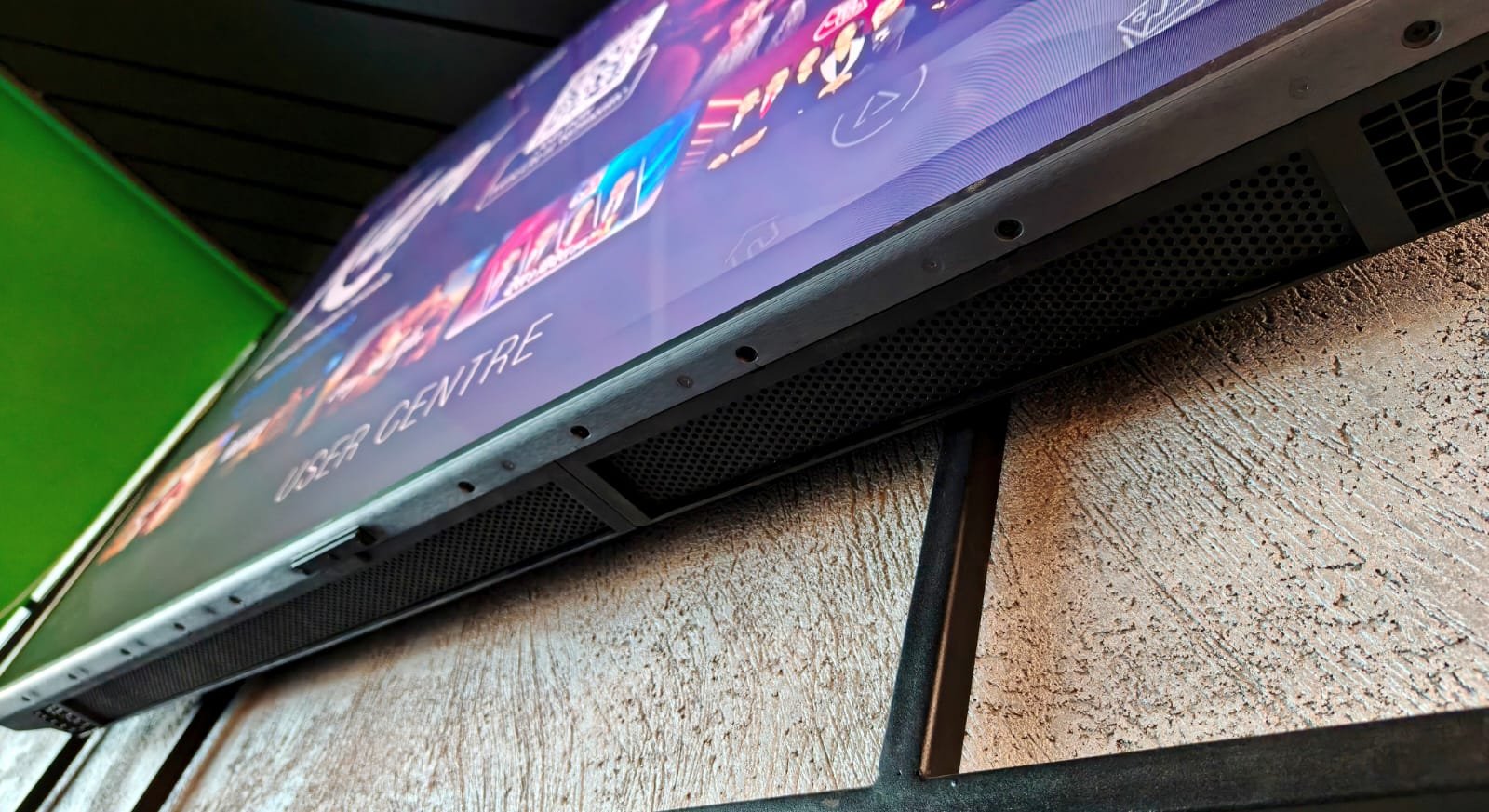
Xiaomi hasn’t ignored the audio. The TV features a 34W Quad-speaker system that supports Dolby Atmos and DTS:X. The soundstage is surprisingly wide for a flat-screen TV. Dialogue is crisp and well-separated from background scores, and there is a noticeable “thump” in the lower frequencies that adds weight to action sequences. While enthusiasts might still want a dedicated soundbar for a true home theatre experience, the built-in speakers are more than capable of filling a medium to large-sized living room with clear, distortion-free audio.
VERDICT
The Xiaomi TV S Mini LED 65-inch disrupts the market by providing a balance between affordable LED technology and costly OLEDs. It combines the brightness of QLED, the contrast of OLED, and high-end gaming features, all housed in a premium metallic design. If you’re seeking a large-screen TV that excels in picture quality and smart features, this model represents excellent value and sets a new standard for premium televisions in 2026.