


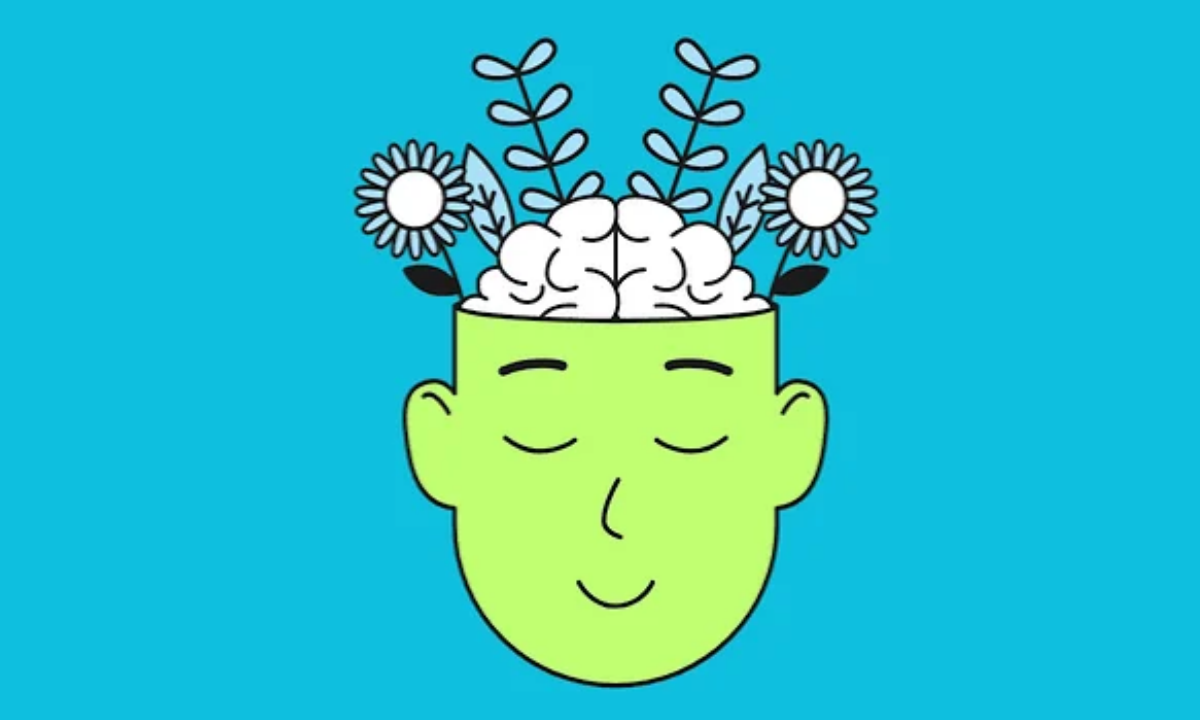
Between packed schedules, endless notifications and the pressure to keep up with everything, taking care of our mental health can often take a backseat. We have become so used to being busy that slowing down feels almost unfamiliar. But looking after our minds does not have to be complicated. Sometimes, it starts with making a few small changes to how we live, work and spend our time.
One of the easiest ways to begin is by creating a little distance from the digital world. Constantly scrolling through social media can leave us feeling overwhelmed, distracted or caught up in comparisons. Setting aside some screen-free time, especially before bed, gives the mind a chance to unwind. A short walk without your phone or a quiet morning without notifications can make a difference to how the day feels.
Movement is another underrated mood booster. You do not need an intense workout or a perfectly planned fitness routine to feel the benefits. A walk around the neighbourhood, a dance session in your room or a quick stretch between meetings can help release tension and improve your mood. Pair that with a consistent sleep routine and regular meals, and you have a few simple ways to support your overall well-being.
Sometimes, the best thing you can do is step away from the pressure to constantly be productive. Reading a book, trying a new hobby, listening to music or simply spending time with friends can help create a healthier balance. The idea is not to turn relaxation into another task on your to-do list, but to give yourself permission to enjoy moments without feeling guilty about them.
When things feel overwhelming, it can also help to put your thoughts into words. Journalling, talking to someone you trust or taking a few slow breaths can offer a little perspective when your mind feels crowded. You do not need to have everything figured out before reaching out for support.
And while these everyday habits can help, they are not a substitute for professional care when you need it. If anxiety, low mood or emotional distress begins affecting your daily life, speaking to a mental health professional is a meaningful step towards feeling better.
Ultimately, looking after your mental health is not about having a perfect routine or eliminating every stressful moment. It is about recognising what you need, making room for yourself and understanding that asking for help is part of taking care of yourself. In a world that constantly asks us to do more, sometimes the most important thing we can do is give our minds a little space to breathe.