


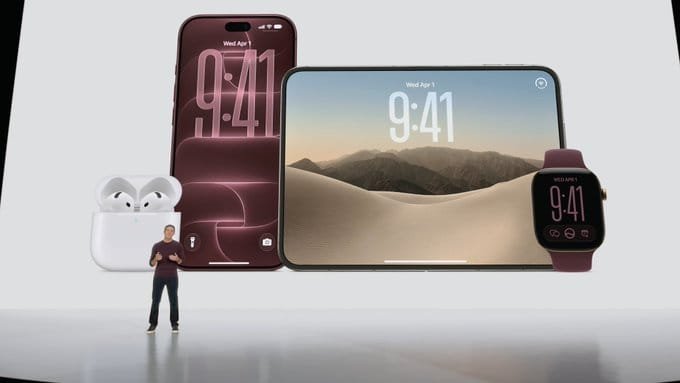
I just finished watching Apple’s keynote live from my bedroom, and it made me jump out of bed because this year’s event was packed with surprises. One of the biggest takeaways was that Apple completely skipped the standard iPhone 18 and instead dedicated the entire keynote to its premium lineup. While that might come as a surprise to casual consumers, it lines up with the supply chain rumours we’ve been hearing over the past few months.
From the very beginning, it was clear Apple wanted this event to showcase the future of its ecosystem. Between the new iPhone 18 Pro lineup, Apple’s first-ever foldable iPhone, major Siri AI upgrades, iOS 27, and refreshed wearables, this keynote felt less like a routine annual refresh and more like the beginning of a new chapter for the iPhone.
iPhone 18 Pro and iPhone 18 Pro Max: Reaching for the Moon
Apple introduced the iPhone 18 Pro and iPhone 18 Pro Max by asking a simple but ambitious question: “Once you’ve been to the Moon, where do you go next?”
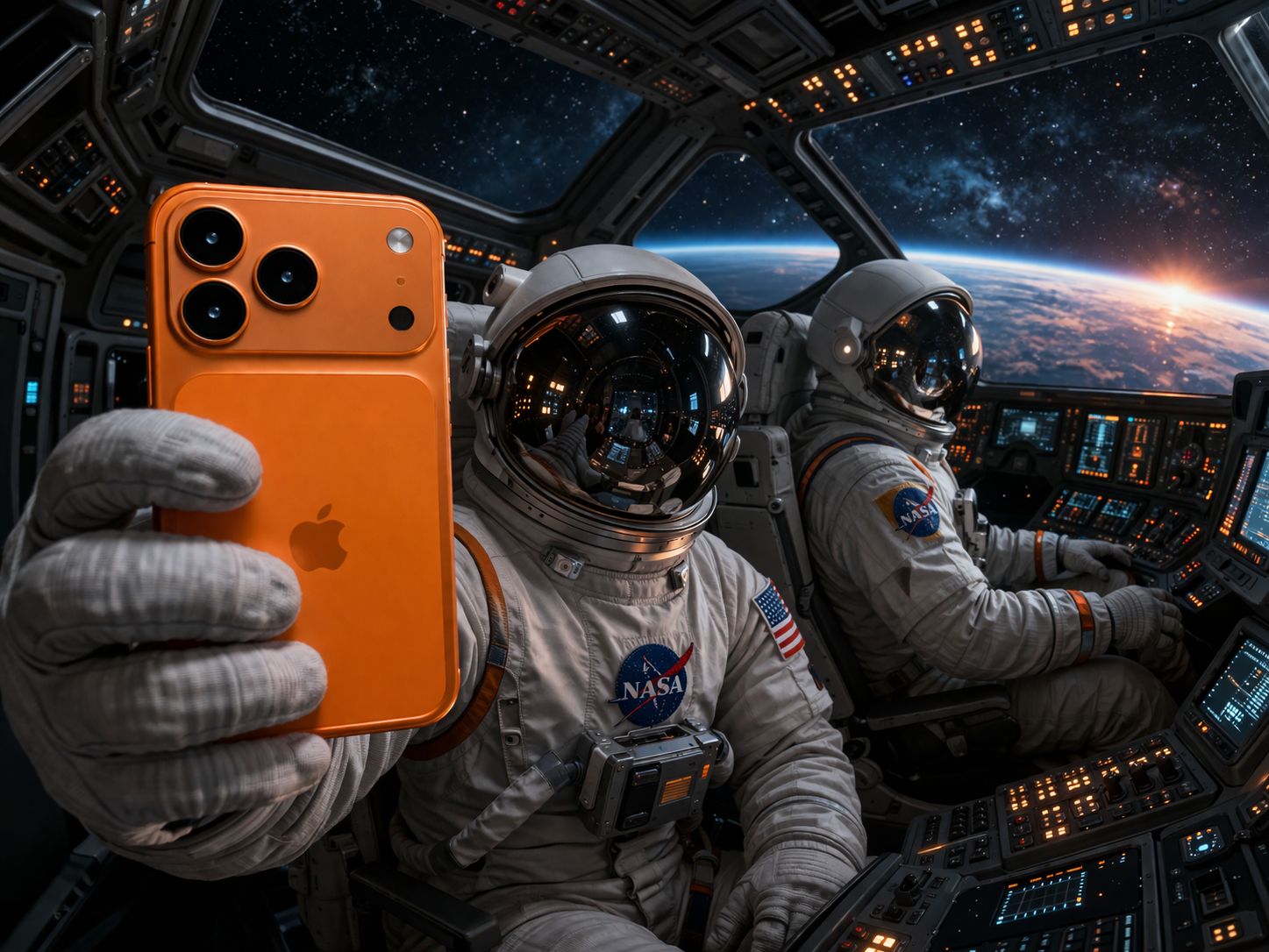
According to Apple, the answer was rebuilding the iPhone from the inside out into what it calls the ultimate “intelligent personal hub.” The biggest leap comes from an entirely new custom silicon platform featuring redesigned CPU and GPU architectures alongside a second Neural Engine. Apple says this dual-engine approach makes it the fastest chip ever inside an iPhone, delivering a substantial jump over last year’s A19 Pro found in the iPhone 17 Pro Max.
Battery life has also taken another step forward. Apple repeatedly highlighted that despite the iPhone 17 Pro series’ impressive endurance, the new iPhone 18 Pro lineup now officially delivers the longest battery life ever on an iPhone.
Photography received one of the event’s biggest upgrades. Apple unveiled what it calls its most advanced Pro camera system to date, with redesigned primary and ultrawide sensors capable of gathering significantly more light. The result is dramatically improved low-light photography with reduced digital noise and far better detail in darker scenes. Video improvements include enhanced stabilization and built-in real-time colour-grading profiles directly inside the Camera app.
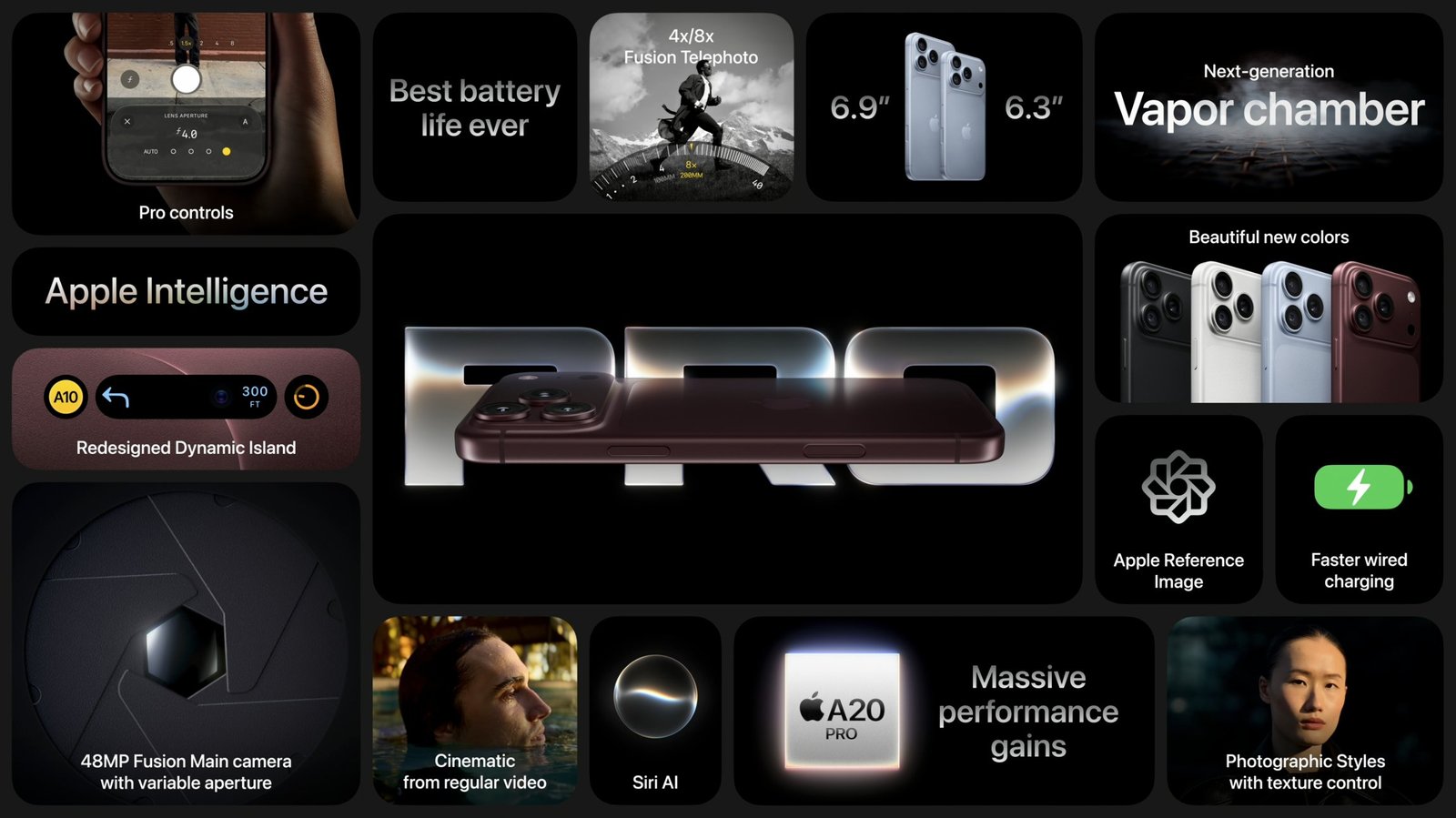
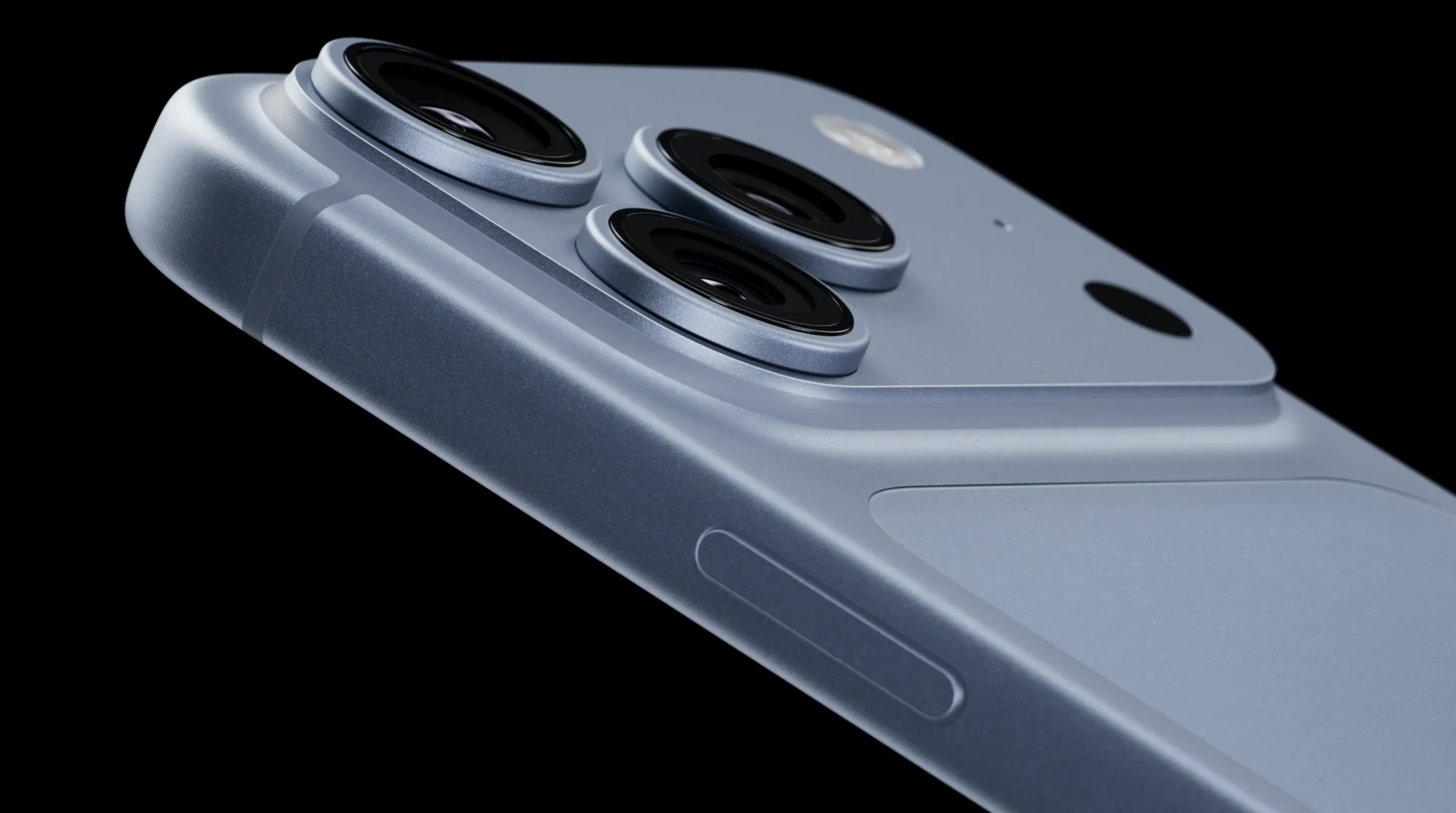
One unexpected design change was Apple’s move away from titanium. Instead, the company introduced a refined aerospace-grade aluminium frame paired with colour-matched rear glass, giving the phones a cleaner, more unified appearance.
The new colours include:
- Black
- Silver
- Glacier
- Burgundy
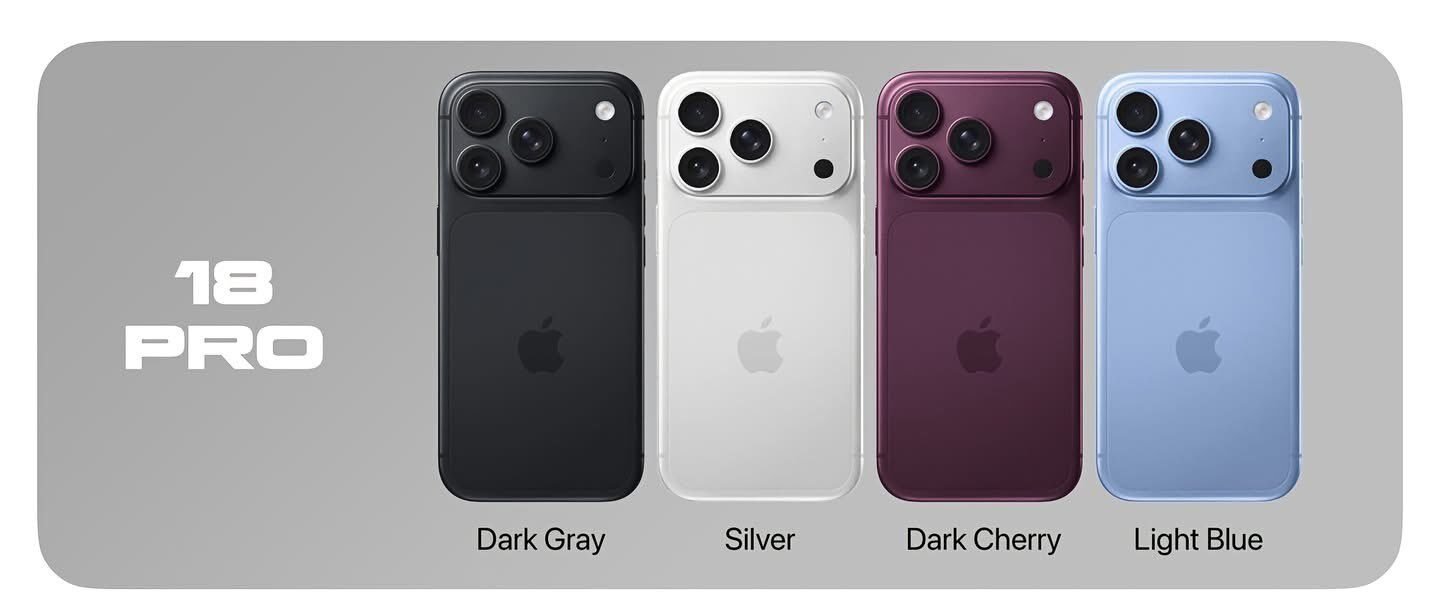
Personally, Burgundy stood out the most during the presentation and looked especially premium under the Apple Park lighting.
The Foldable Era Begins: iPhone Duo
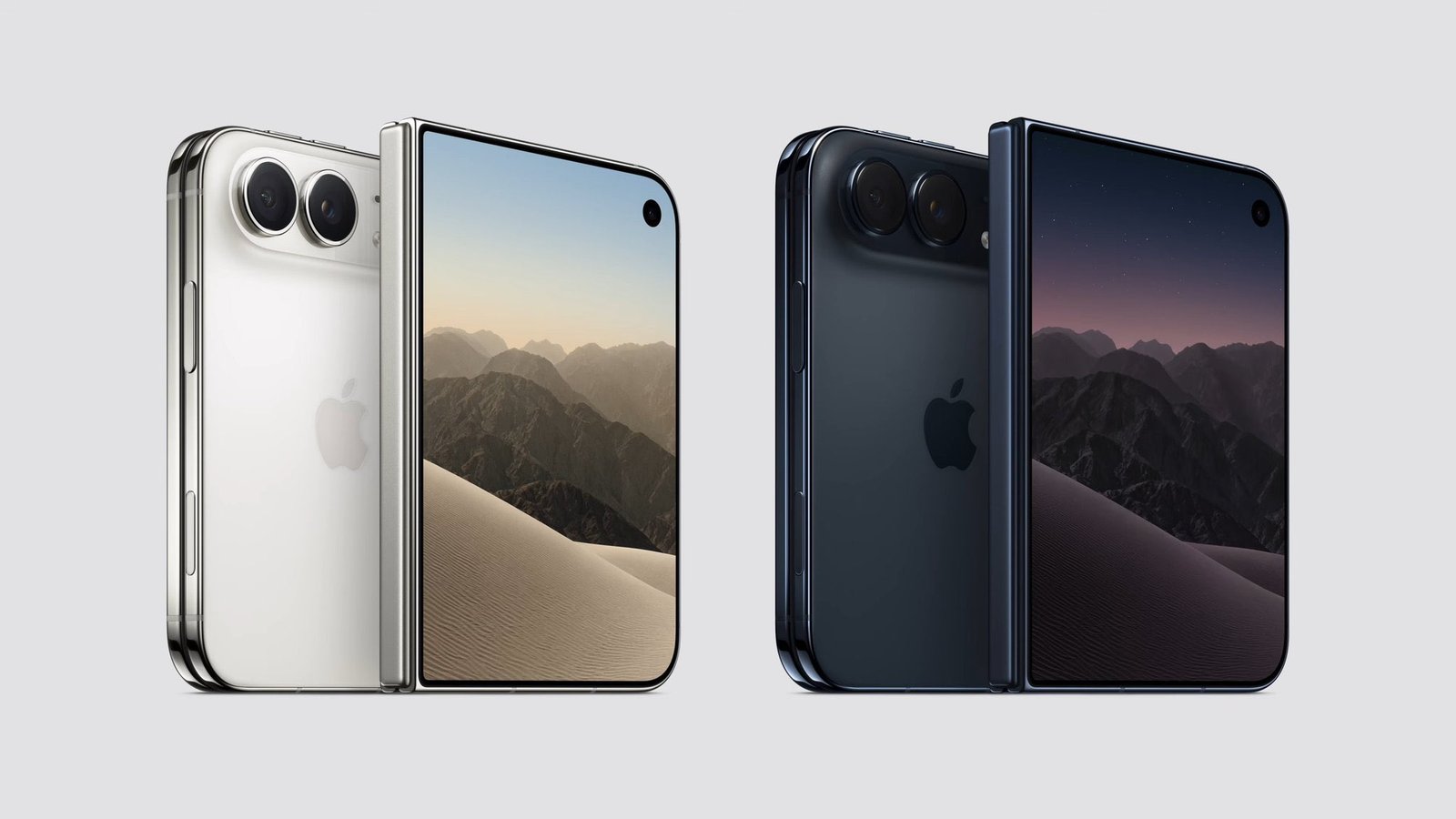
The biggest surprise of the keynote arrived midway through the presentation when Apple officially introduced its first foldable smartphone, the iPhone Duo.
While rumours had been circulating for months and we even got an early look at a dummy unit last month, seeing the finished product on stage was a completely different experience. The polished hinge design, fluid animations, and software integration made it feel like Apple took its time to perfect the category rather than rushing into it.
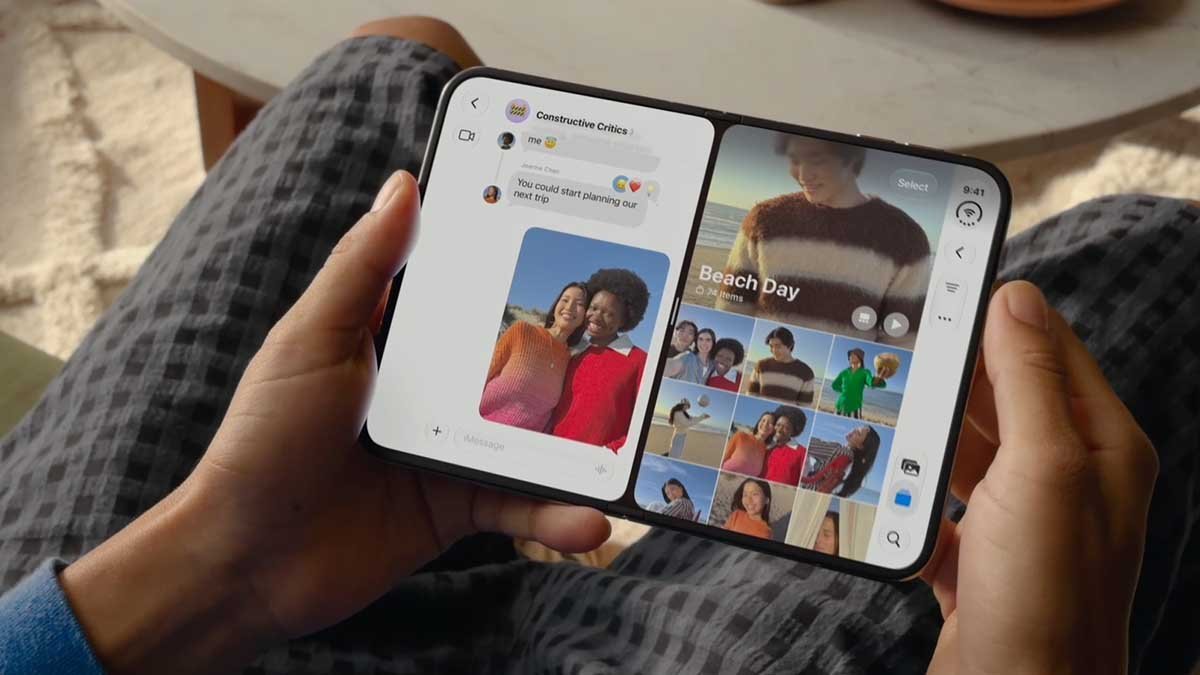
Apple described the iPhone Duo as the biggest transformation of the iPhone since the original model. When unfolded, the Duo offers the largest display ever on an iPhone, creating a tablet-sized workspace for multitasking, reading, creative work, gaming, and media consumption. What impressed me most, however, wasn’t just the large display; it was how much thought Apple put into the outer screen.
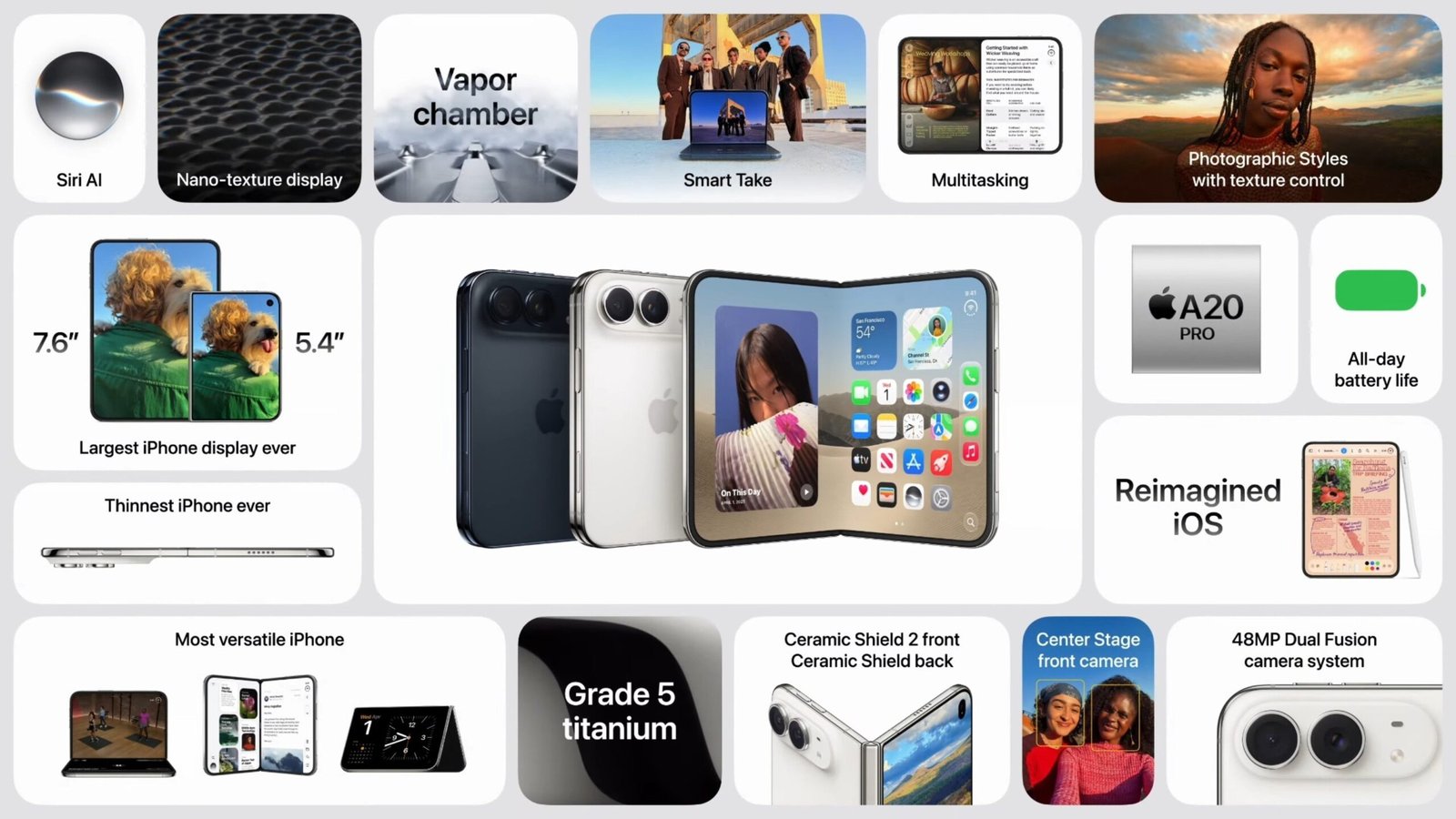
Powered by the new A20 Pro chip and Apple’s latest on-device AI models, the Duo introduces several intelligent camera experiences. The first is Duo Preview, which lets subjects see themselves on the outer display while you’re taking photos with the rear cameras, making high-quality selfies much easier. Apple also introduced Kid Cue, a feature that displays playful animations on the outer screen to grab a child’s attention while taking pictures. It’s a surprisingly clever feature that should make family photography much easier. Another standout announcement was Smart Take. Instead of relying on a timer, Smart Take continuously analyzes the scene and automatically captures the photo the moment everyone is smiling, looking at the camera, and properly framed. It genuinely feels like having a personal photographer built into the phone.
Apple also showed how the folding hinge can act as its own tripod, opening up new shooting angles for selfies, time-lapses, and group photos without extra accessories.
To complement the device, Apple introduced dedicated accessories including the iPhone Duo Folio with an integrated kickstand and a protective two-piece case designed specifically for the folding mechanism.
iOS 27 and a More Personal Siri AI
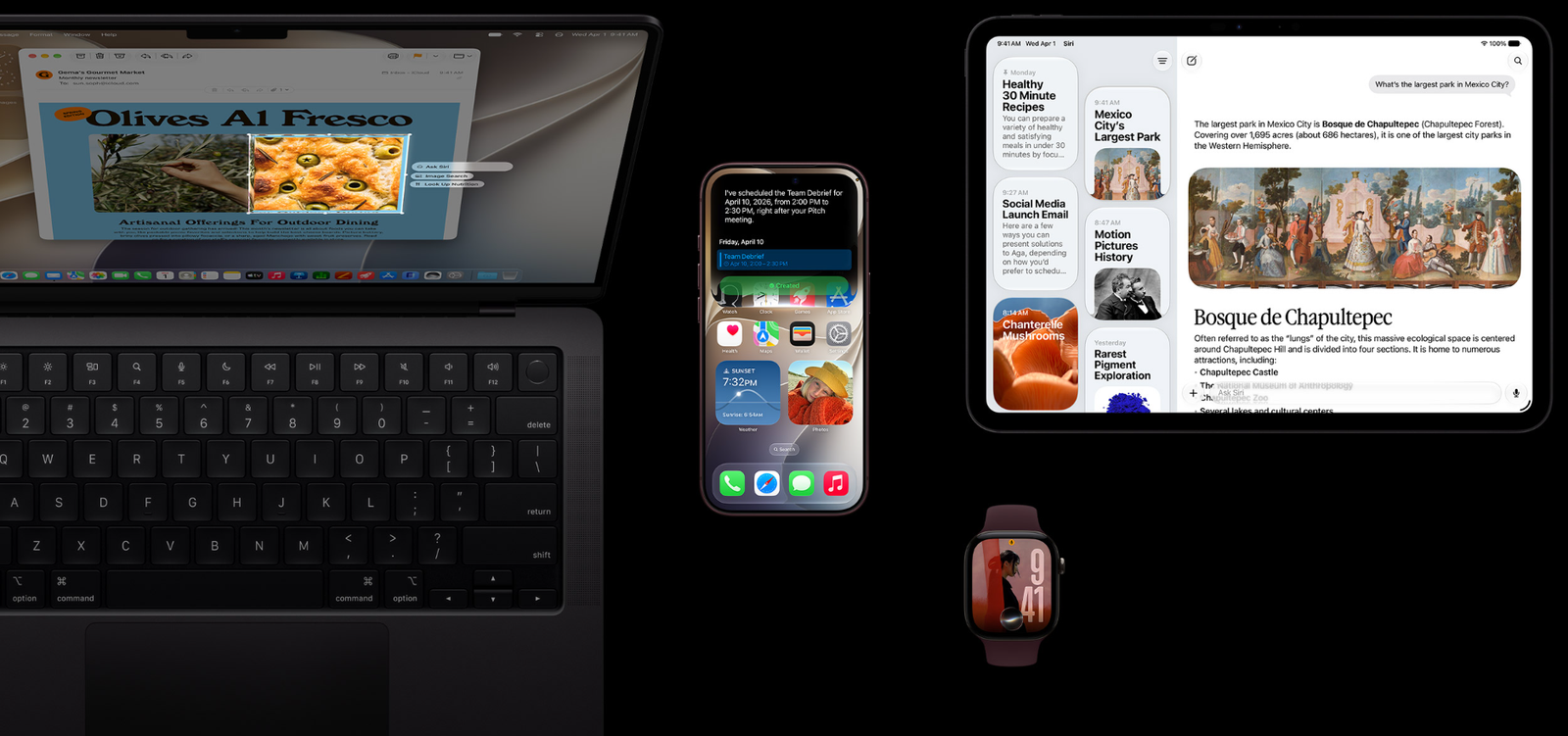
Hardware wasn’t the only focus of today’s keynote. Apple spent considerable time showcasing iOS 27, which introduces one of the biggest personalization updates the operating system has seen in years.
One feature that immediately caught my attention was the ability to customize the transparency of Apple’s new glass interface. Users can now adjust the opacity, blur intensity, and tint of widgets, folders, Control Center panels, and various system menus, allowing for a far more personalized look than previous versions of iOS.

The real headline, however, was Siri. Apple’s next-generation Siri is powered by updated Apple Foundation Models alongside Private Cloud Compute, making it significantly more context-aware than before.
During the presentation, Apple demonstrated how Siri can understand personal context across apps by referencing your calendar, relationships, reminders, routines, and other information while keeping your data private.
Rather than simply answering commands, Siri now reasons through your daily activities to provide proactive and more useful responses. Apple confirmed these new Siri capabilities will also arrive on supported older iPhones through a software update later this fall, although the iPhone 18 Pro lineup and iPhone Duo will benefit the most thanks to their newer silicon.
Expanding the Ecosystem: AirPods 5
Apple didn’t stop with the iPhone. The company also announced the new AirPods 5, bringing several features previously reserved for the Pro lineup.
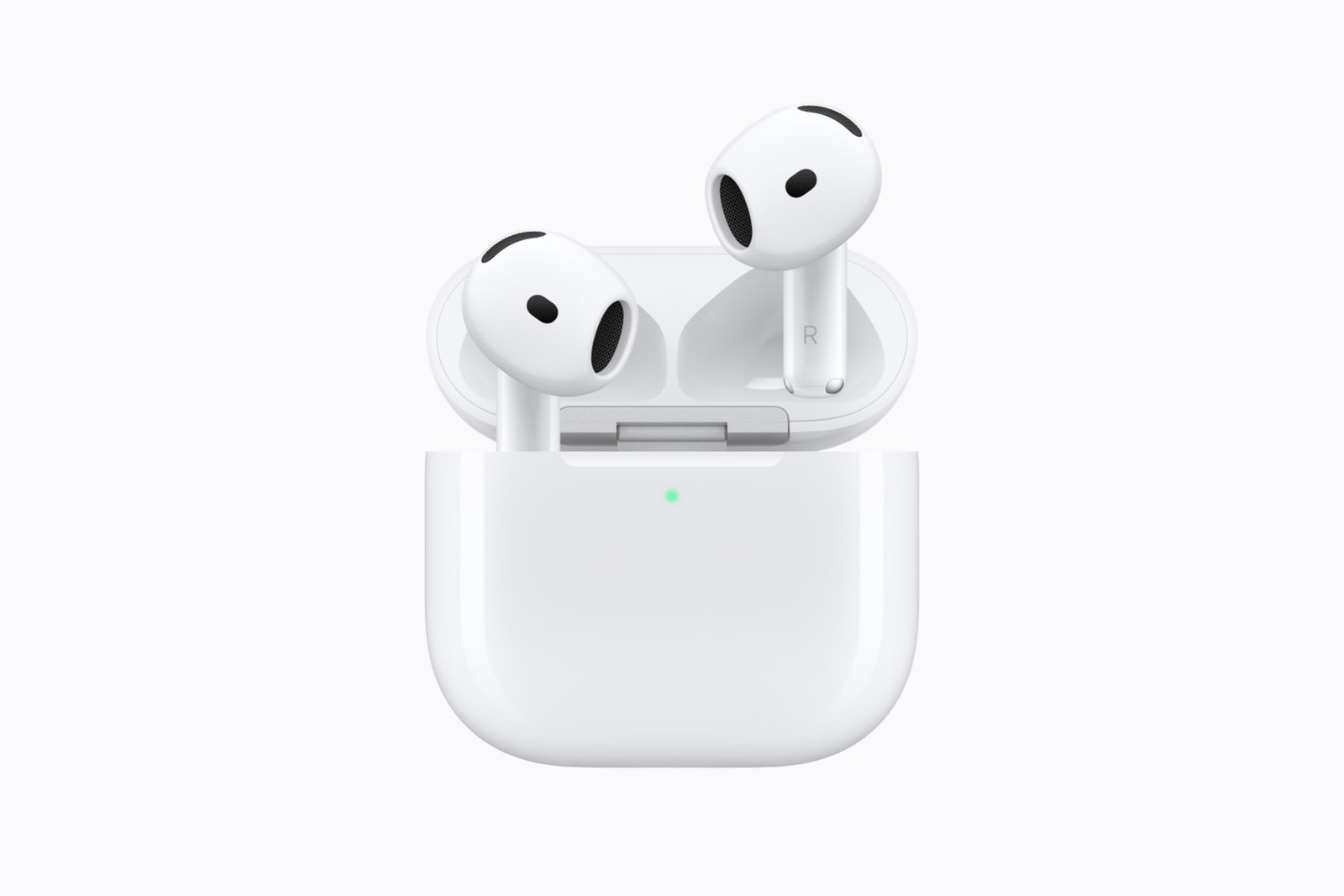
The new additions include enhanced computational audio, improved noise isolation, upgraded Spatial Audio, and the most exciting feature: Live Translation. Using on-device neural processing, AirPods 5 can translate conversations in real time directly into your ears, transforming them from wireless earbuds into a genuinely useful communication tool for multilingual conversations and travel.
Apple Watch Series 12 & Apple Watch Ultra 4
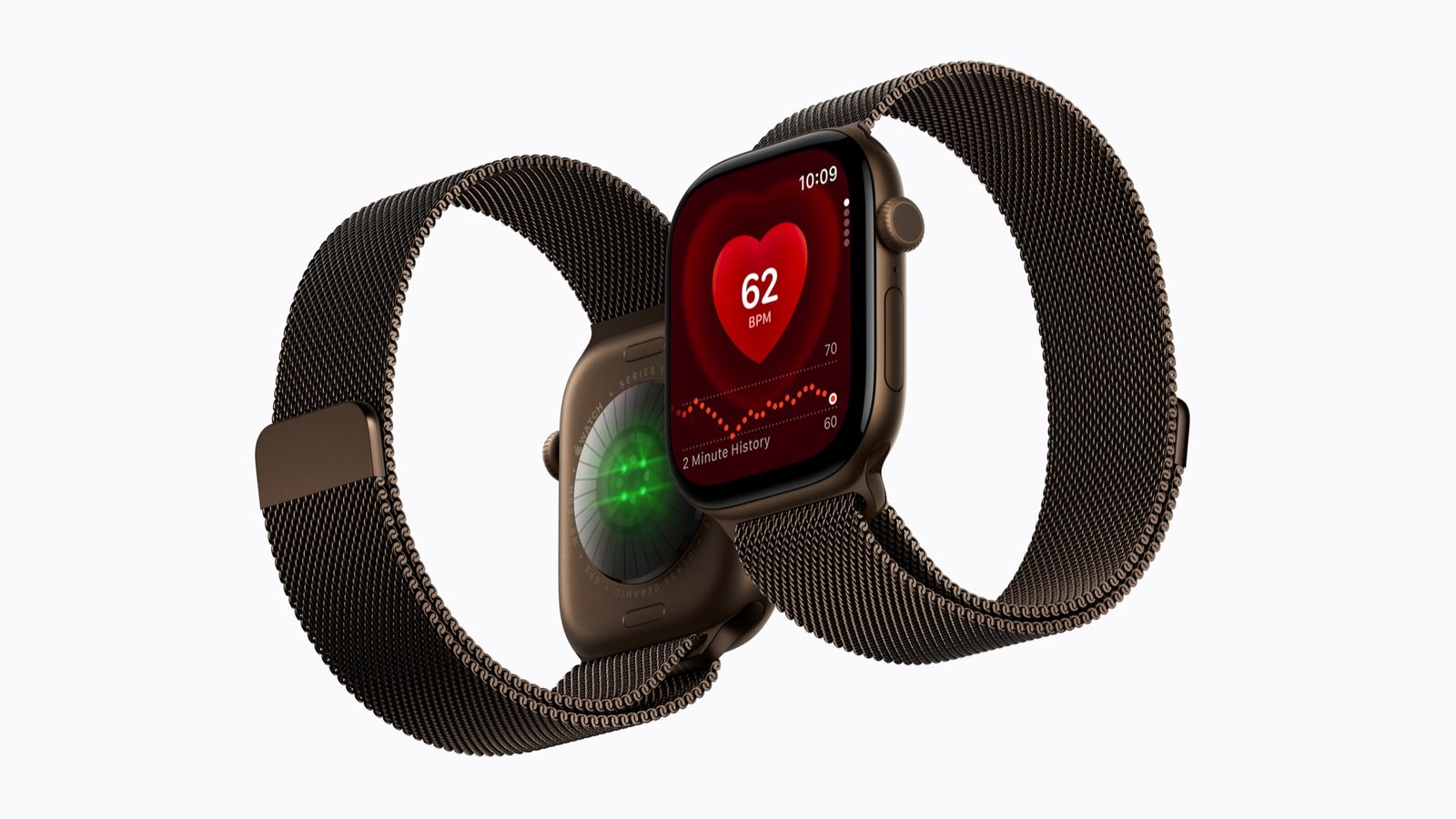
Apple also refreshed its smartwatch lineup with the introduction of Apple Watch Series 12 and Apple Watch Ultra 4. Series 12 continues Apple’s refined edge-to-edge design while introducing upgraded health sensors that deliver deeper health insights, particularly for cardiovascular monitoring and stress tracking.
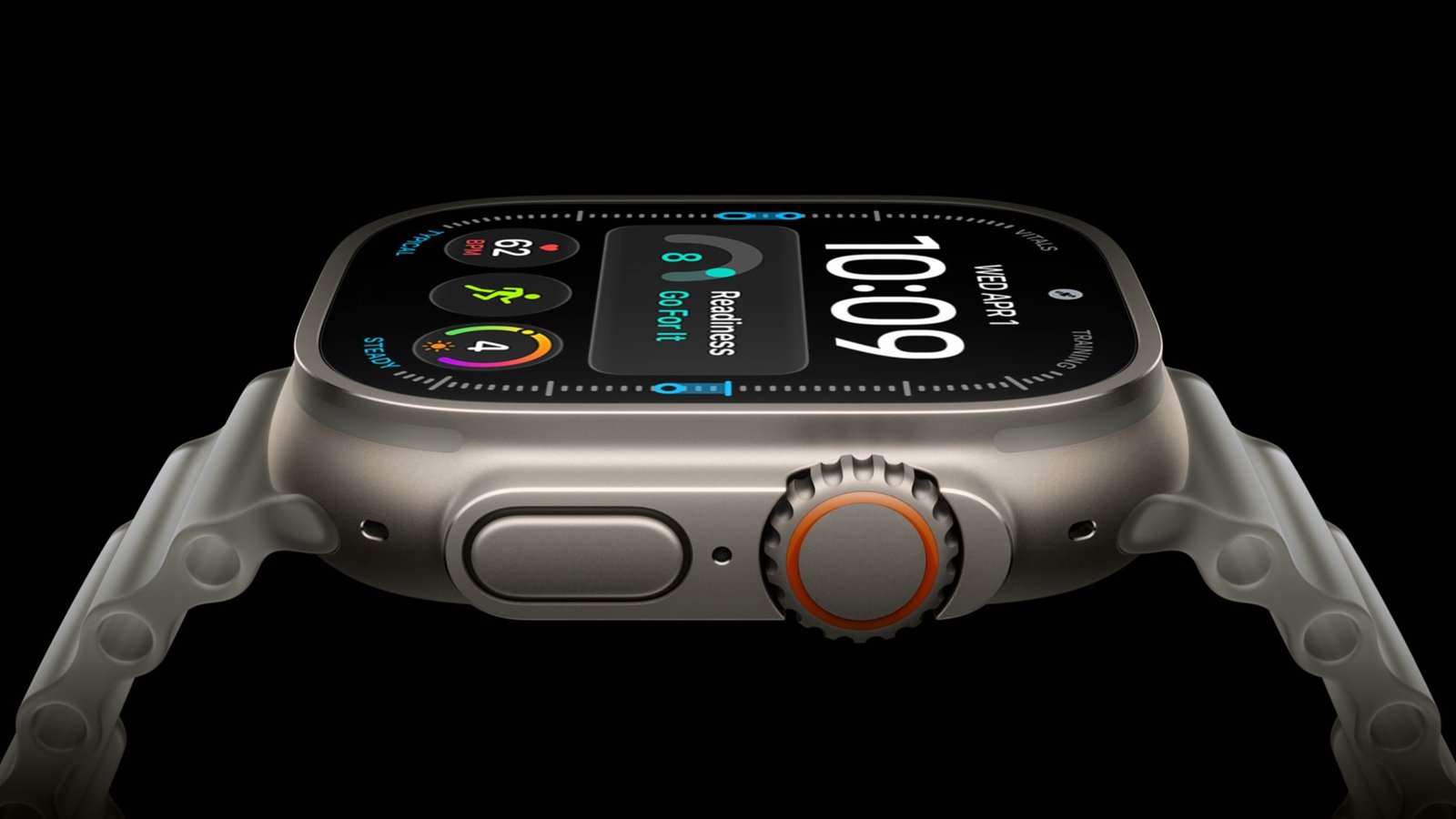
Meanwhile, the Apple Watch Ultra 4 focuses on endurance and exploration with even longer battery life, improved multi-band GPS accuracy, and more rugged materials designed for outdoor adventures and extreme environments.
Pricing and Availability
Apple concluded the keynote by revealing pricing for the new lineup.
Apple iPhone 18 Pro pricing in India starts at ₹1,64,990, while the iPhone 18 Pro Max starts at ₹1,79,990.
As expected, Apple’s first foldable device enters the ultra-premium segment. The iPhone Duo starts at ₹2,99,900 and is available in storage configurations ranging from 256GB all the way up to 2TB.
To make the transition easier, Apple and its carrier partners will also offer expanded trade-in programs to reduce the cost of upgrading.