


AI has become remarkably good at answering questions. Unfortunately, it still needs us to explain practically everything before it can do anything useful. Open ChatGPT, provide context, write a prompt, wait for an answer, and then move that answer into whatever app you were using in the first place. We’re living in the future. Well, apparently so, if you listen to what Carl Pei has to say.
In his latest essay, Toolmakers, the Nothing CEO argues that the next big leap in AI won’t necessarily come from a smarter chatbot. It will come from building better tools around it. Devices that understand what you’re doing, have access to the right context and can actually help without requiring you to narrate your entire existence into a chat window.
And Nothing appears to be putting that philosophy into hardware.
Also Read: Nothing’s New Flagship the Headphone (1) Pro Launched
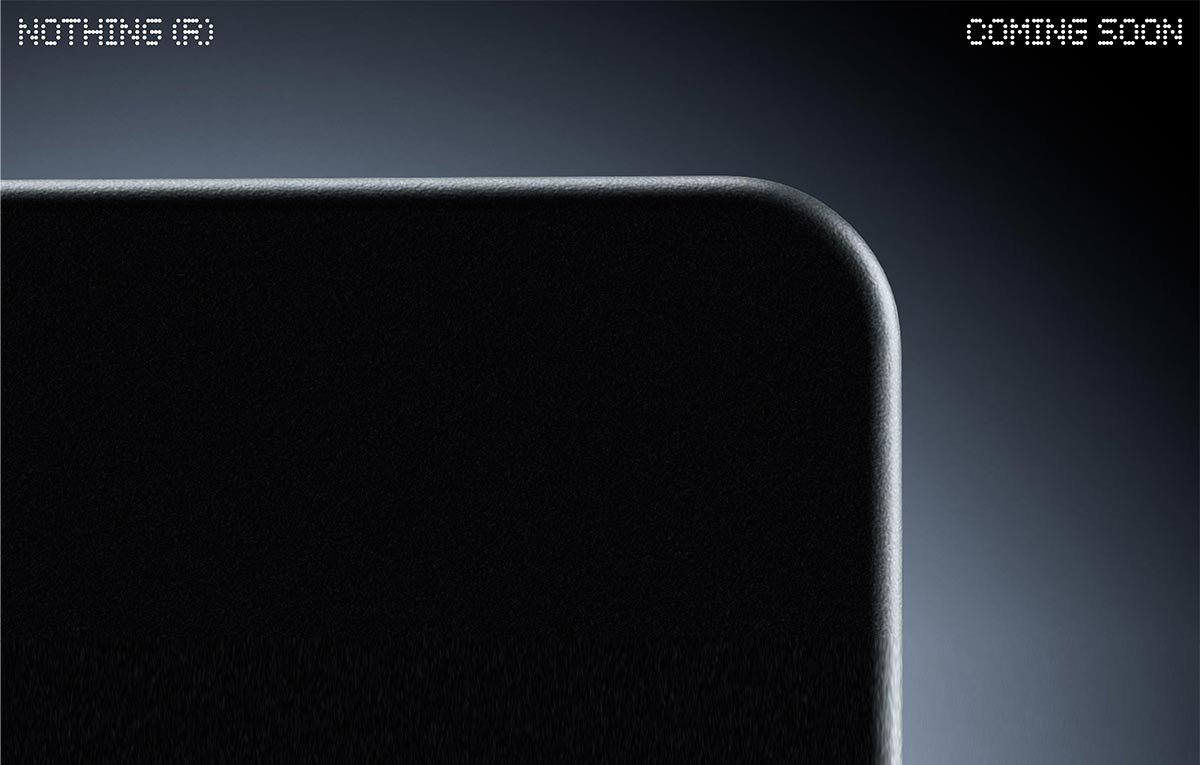
Pei has confirmed that the company will launch its first AI-native product in December 2026. The intriguing part? It won’t have a new screen, and apparently, it can’t simply be replicated as an app.
That’s a rather interesting statement from a company whose identity has been built around making technology look different. Nothing’s transparent phones and Glyph interfaces have always been about giving familiar hardware a distinctive personality. This time, however, the ambition seems to extend beyond aesthetics.
The idea is to build something that works as a tool, with AI at its core.
What exactly that means remains a mystery. Nothing hasn’t revealed the device’s form factor, its capabilities or how it will interact with existing smartphones. But Pei’s comments suggest the company is thinking about AI as something that should operate around your life, rather than waiting for you to open an app and ask for help.
That distinction could matter.
Imagine an assistant that understands your calendar, remembers conversations and helps you act on information without requiring a fresh prompt every time. That’s considerably more compelling than another device that merely gives you a different way to talk to a chatbot.
Of course, the industry has been here before. Humane’s AI Pin and Rabbit’s R1 promised to rethink personal computing, only to discover that replacing the smartphone is considerably harder than making an interesting demonstration.
Nothing will have to answer the same question: why does this need to exist?
Pei’s December announcement could finally give us an answer. Or it could give us another beautifully designed gadget searching for a purpose.
Either way, Nothing has our attention.