


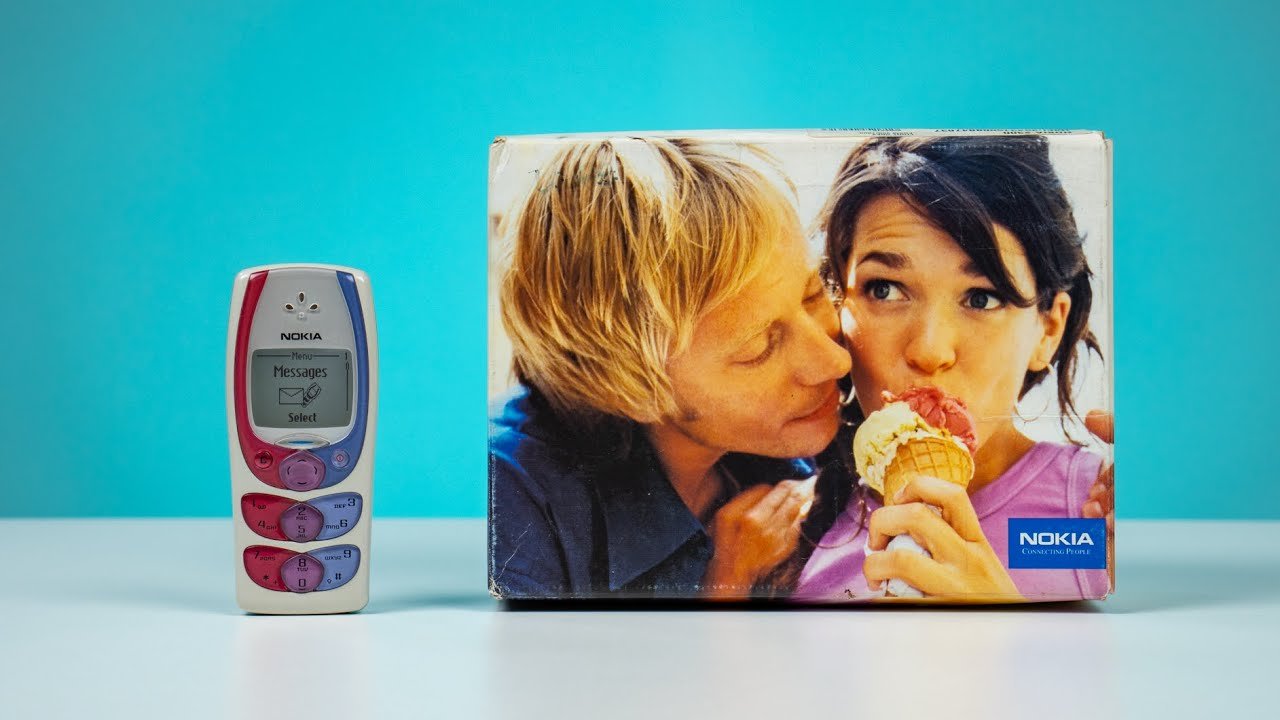
There are phones, and then there are eras. The Nokia 2300, announced in Q3 2003 (around August) and released in early 2004, arrived as an affordable, entry-level candybar phone that brought a touch of extra flair to Nokia’s ultra-reliable lineup.
Hold one today, and the simplicity remains striking: a compact phone weighing just 92g, a monochrome graphic display (96 x 65 pixels), and that classic, durable build. Back then, it wasn’t a high-end flagship but a step up from bare-bones models like the Nokia 1100 (released around the same time). While the 1100 focused on ultra-basic dependability, think torchlight and dust resistance, the 2300 added meaningful entertainment features without sacrificing reliability.
One big upgrade was support for polyphonic ringtones. Unlike the monophonic beeps common in earlier budget Nokias, the 2300 included a simple polyphonic MIDI synthesizer, with a handful of pre-loaded polyphonic tones (including an exclusive polyphonic version of the classic Nokia tune) alongside mostly monophonic ones. You could also compose your own basic monophonic ringtones. These polyphonic melodies, multi-layered and more musical than flat MIDI bleeps, felt sophisticated at the time. Picking the right one became a small act of self-expression in an era before custom wallpapers or app icons.
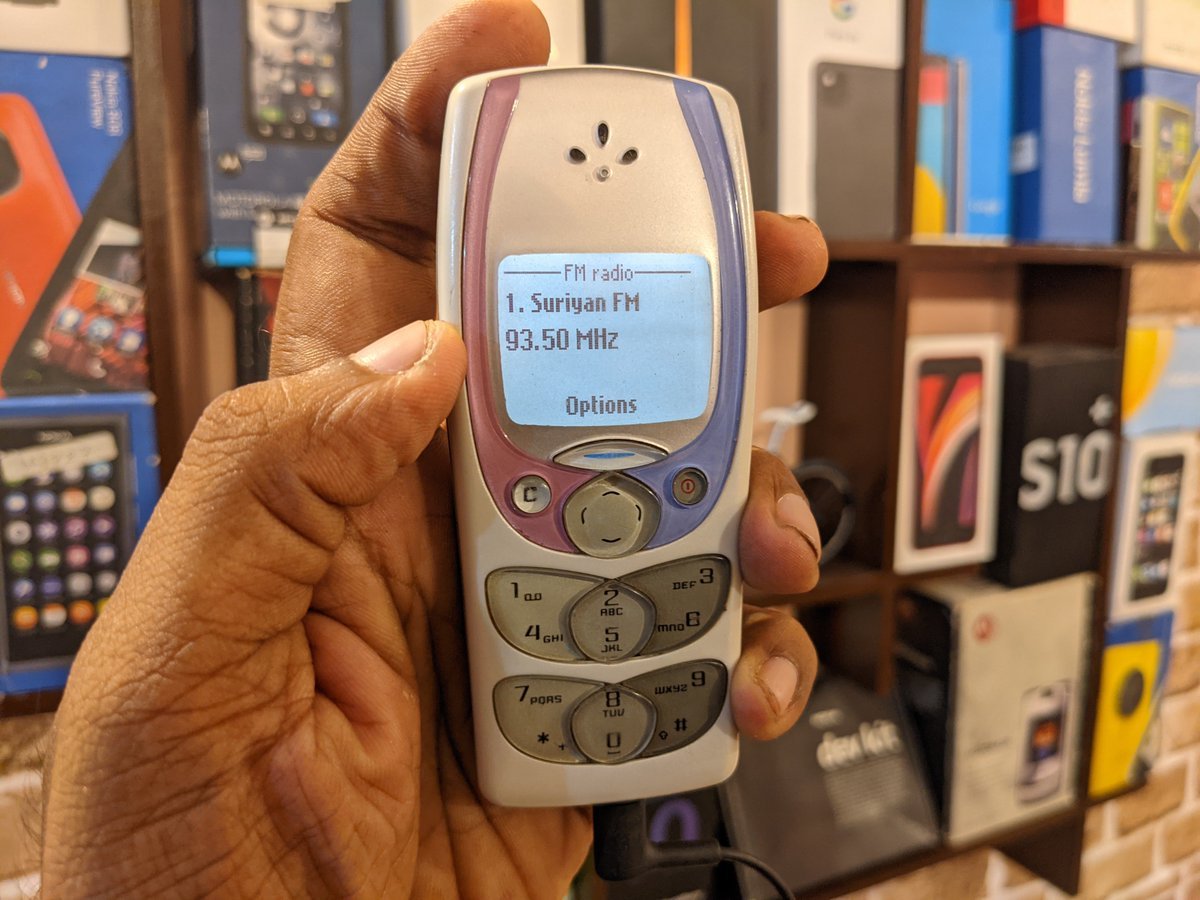
Then there was the built-in FM radio, one of the phone’s standout features and a rarity in such a low-cost device. Using an external headset as the antenna, it lets you tune into stations directly, no separate transistor radio needed. It turned commutes, park hangs, or waiting around into personal listening sessions, adding real multimedia magic to everyday life.
The phone also came with a few built-in games that boosted its fun factor: the classics Snake II and Space Impact+, plus an extra one called Opposite (a simple puzzle-style game). These little additions made the 2300 feel less like a pure tool and more like a pocket companion with hidden depth, no “secret treasure” beyond the standard trio, but still a welcome bonus over even plainer models.
The Nokia 2300 occupied a sweet spot in mobile history: incredibly reliable and long-lasting (with up to a week of battery life from its 850 mAh removable Li-Ion battery in standby), durable, and affordable, yet it embraced early multimedia perks like polyphonic ringtones, FM radio, and basic games. It helped show a generation that mobile tech could go beyond just calls and SMS, it could deliver simple, personalized entertainment right in your pocket.
In an age of week-long battery life and pocket-sized joy from a well-chosen ringtone, the Nokia 2300 truly felt like holding a slice of the future.