



When Oura launched the Ring 4 in India earlier this year, it made a bold statement in the developing smart-ring market. While brands like Samsung, Noise, and boAt cater to the budget segment with basic features, the Oura Ring 4 targets health-conscious consumers with premium, research-backed insights. Priced at ₹28,900 (with the Gold variant at an additional ₹10,000) and a ₹599 monthly subscription after the initial free month, it appeals to those who view health as a long-term investment. I wore the Ring 4 daily for a month across Mumbai’s humid commute and weekend travel. Here’s my verdict on whether it’s worth its premium price.
Design & Build
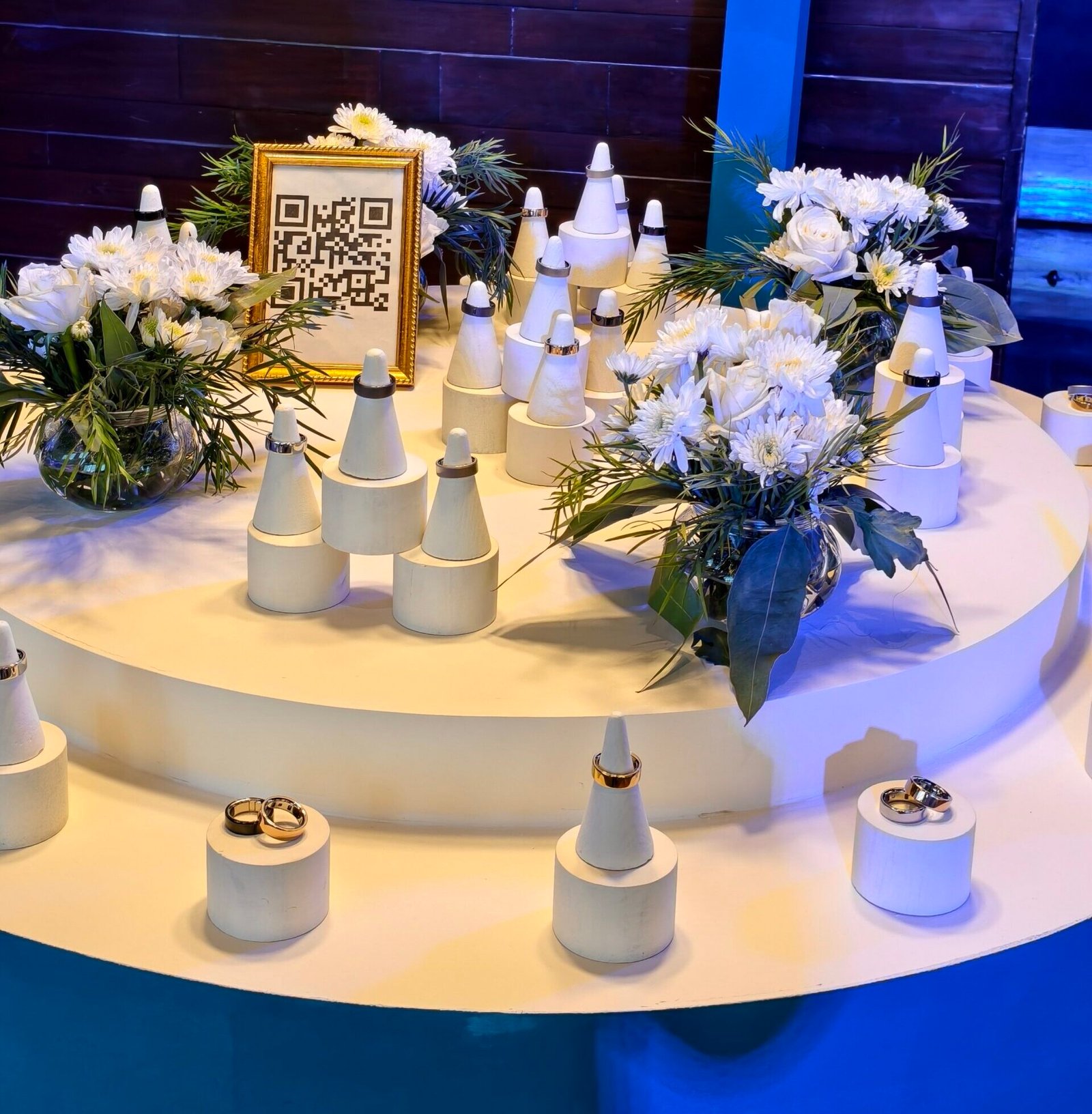
Right from the launch event in Mumbai, the Oura Ring 4 stood out for its refined aesthetics. I tried every colour variant on offer, but the Gold edition felt special and genuinely luxurious from the moment I tried it. At first glance (and even after close inspection), it passes as a regular gold ring. Colleagues in meetings and fellow passengers on the local train never once clocked it as a smart device. It simply looks like an elegant ornament you’d wear for style, not tech.
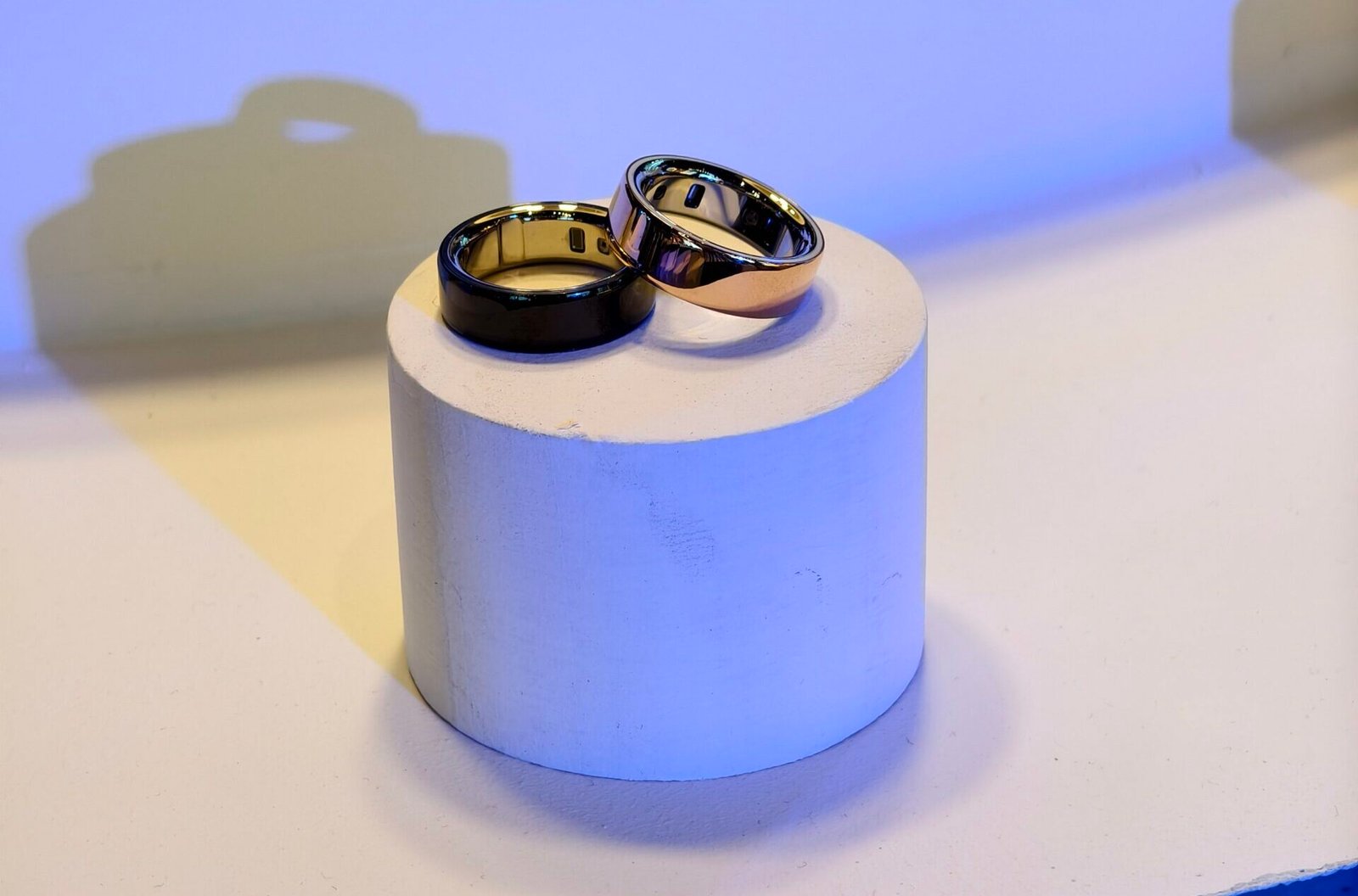
The titanium build is lightweight yet robust, with a smooth, hypoallergenic finish that never irritated my skin during long wear. At 8–10 grams, depending on size, it’s genuinely forgettable on the finger, unlike any smartwatch that constantly reminds you of its presence. No bulky crown, no flickering screen, no awkward strap adjustments. It disappears into your routine. The IP68 water resistance meant I could shower or wash my hands without a second thought. Battery life lived up to the seven-day claim. I charged it once a week on Sunday evenings, and it never dipped below 20 % even with continuous 24/7 tracking. For anyone tired of the nightly smartwatch charging ritual, this alone is a game-changer.
Setup Experience
Oura’s onboarding is deliberately different from the typical Bluetooth pairing process. You need to create an account and enter payment details for the subscription before connecting the ring and syncing it with the Oura app. It sounds cumbersome on paper, but the entire process took me less than five minutes on an iPhone. The app guided me through firmware update and baseline data entry. Within 10 minutes, I was seeing live heart-rate readings.
The subscription model is baked in from day one: one month free, then ₹599 per month (billed annually or monthly, with slight variations based on plan choice). It unlocks the full suite of insights, and without it, the ring is essentially a very expensive paperweight. I understand the hesitation of paying extra every month feels steep in India, but the value becomes clear once the data starts flowing.
Performance & Features
The Ring 4’s true strength lies in its health-tracking depth, powered by Oura’s extensive clinical research. While budget rings from Noise or boAt mostly count steps and give a basic sleep score, the Ring 4 delivers layered, contextual analysis designed to help you improve, not just observe.
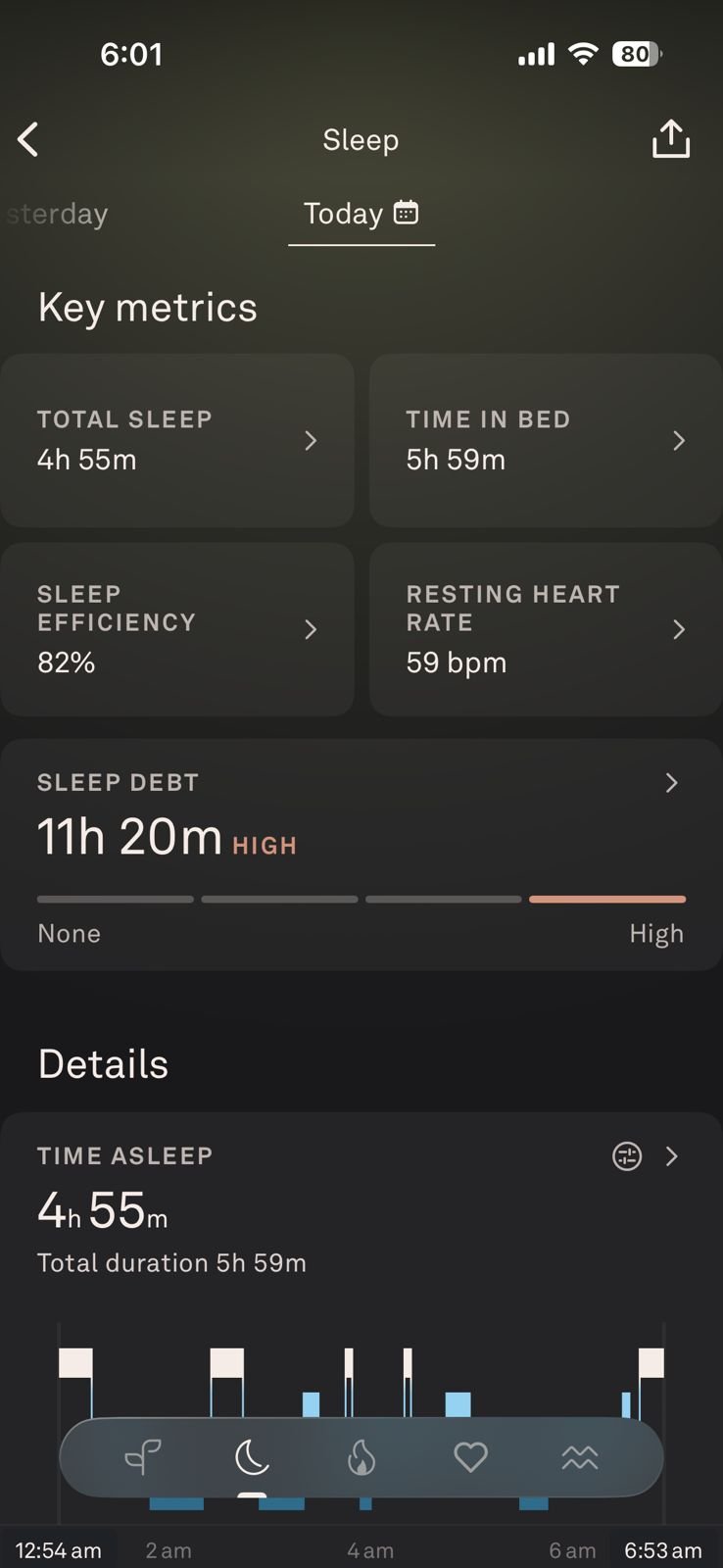
Sleep tracking is the standout. After two weeks of baseline learning, the app began showing incredibly detailed breakdowns, like sleep stages (deep, REM, light, awake), sleep efficiency, latency, and, most useful for me, a “sleep deficit” metric that quantified how much recovery I was missing. My chaotic schedule had left me chronically underslept, and the Ring 4’s gentle nightly summary and weekly trends helped me shift my bedtime by 45 minutes and cut screen time after 11 pm. The improvement in my overall readiness score was noticeable within three weeks. Heart-rate monitoring matched my Apple Watch readings during rest and light activity with impressive accuracy (±2–3 bpm).
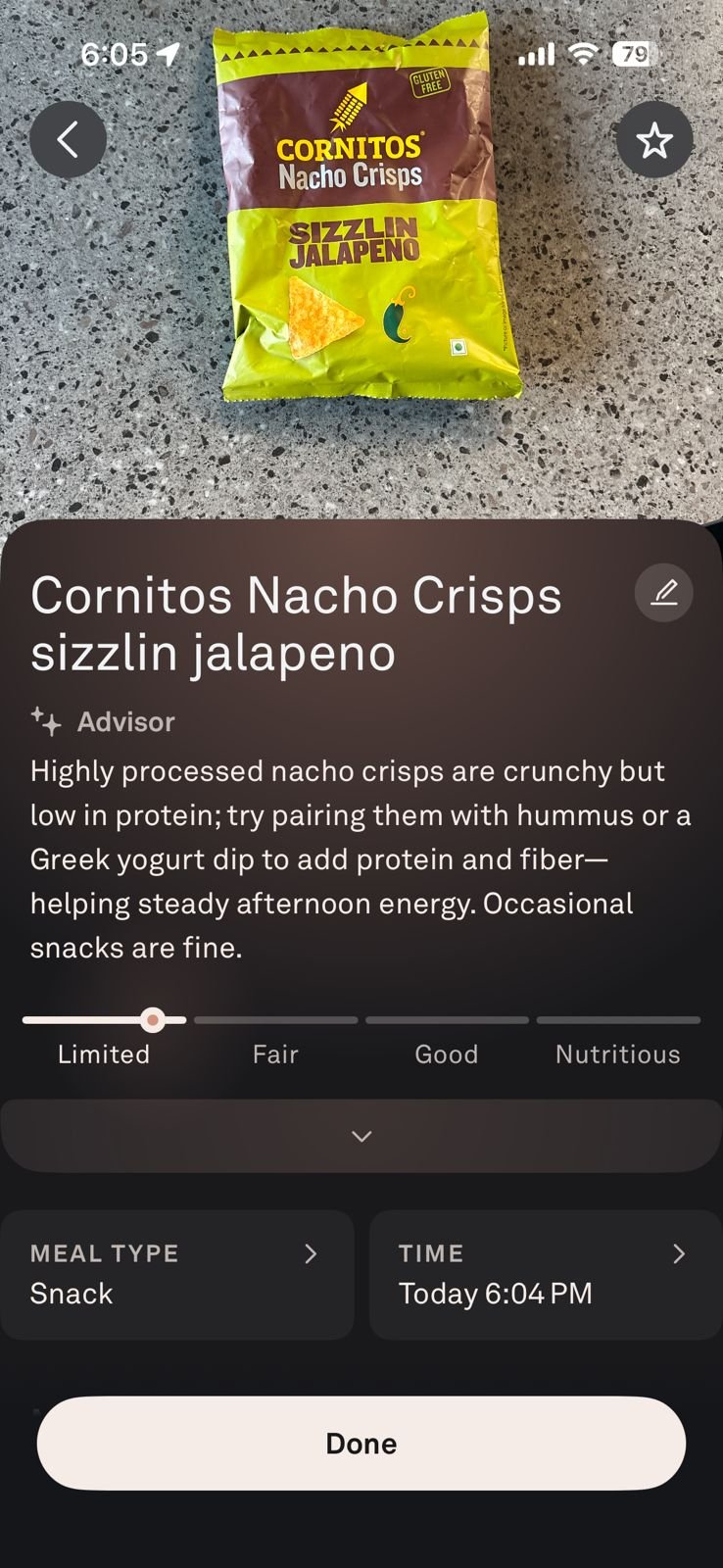
The AI-powered meal logging is surprisingly useful. You can type “dal, rice, sabzi and roti” or snap a quick photo of your thali, and the app’s AI analyses macros, estimates calories, and flags nutritional gaps. Over a month, I caught myself making better choices, opting for more protein at dinner after the app repeatedly highlighted imbalances. It’s not perfect (it occasionally misreads homemade Indian dishes), but it’s far more seamless than manually entering everything in other apps.
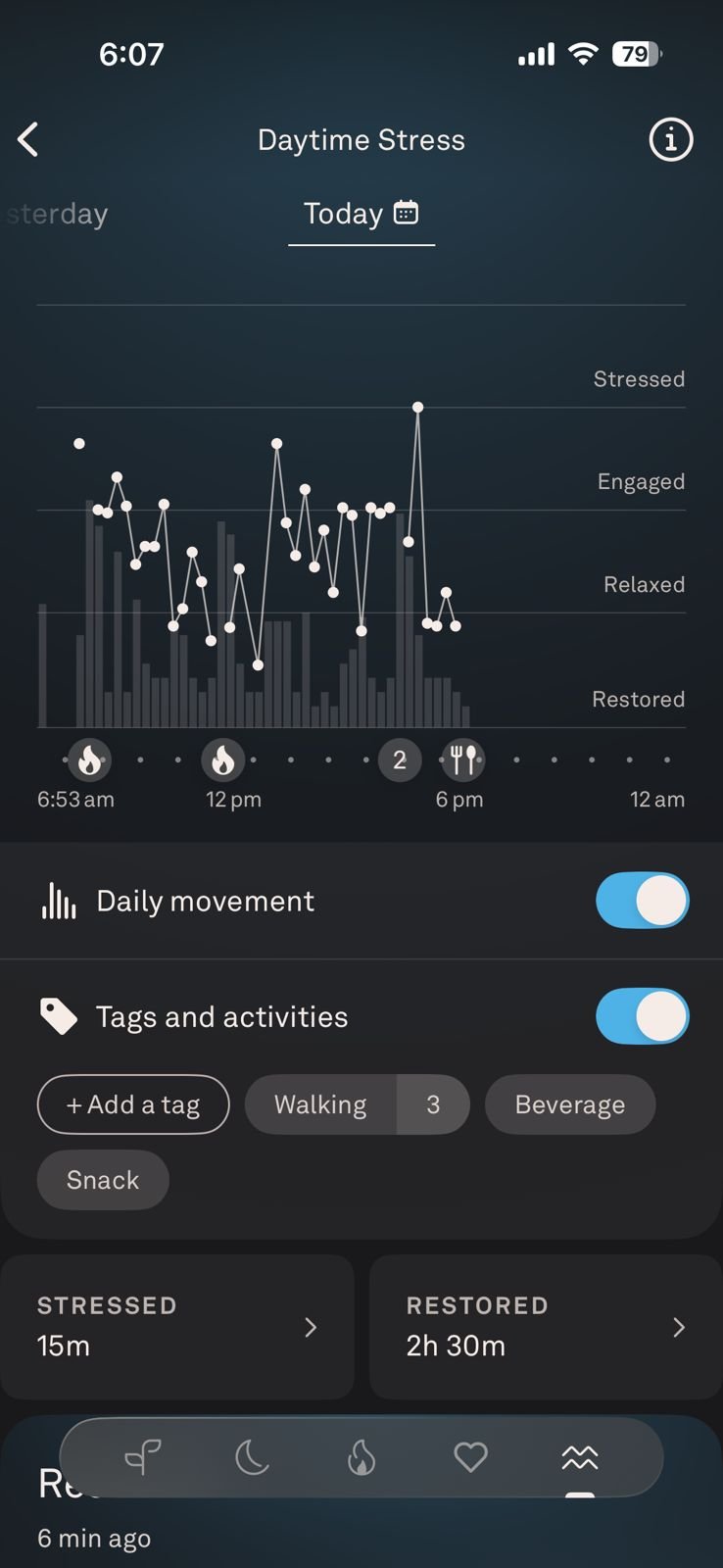
Activity tracking is where the Ring 4 stumbles slightly. It automatically detects movement, which is convenient; however, it inaccurately logs my daily walk and rickshaw ride as a full “walk” session that includes the ride itself. There’s no easy way to edit or split auto-detected activities in the app, which frustrated me during my usual office travel. For pure step counting, it’s accurate, but anyone with mixed-mode commutes in Indian cities may need to adjust or accept minor inaccuracies manually.
Compared to a smartwatch, the Ring 4 solves two major pain points: bulk and battery anxiety. I could wear it without it screaming “tech gadget.” The absence of a screen forces you to engage with the app intentionally, which ironically makes the insights feel more valuable.
Subscription and Value
At ₹28,900 upfront (₹39,900 for Gold, silver & rose gold) plus ₹599 monthly, the Ring 4 is undeniably premium. Over a year, that’s roughly ₹36,000–₹46,000 depending on the variant. For context, that’s more than many mid-range smartwatches that offer phone notifications and GPS. Yet the Ring 4 isn’t trying to replace your watch, it’s trying to be the silent health coach you never take off.
If you’re already serious about fitness, like tracking sleep to optimise recovery, using data to tweak diet, or catching early signs of stress or illness, then the subscription quickly justifies itself. The app’s personalised recommendations, trend graphs, and research-backed articles turned abstract numbers into real behaviour change for me. For casual users who just want step counts, there are cheaper alternatives from Noise or boAt. But for those treating health as prevention rather than reaction, the Oura ecosystem feels worth the premium.
Verdict
After 30 days of constant wear, the Oura Ring 4 has earned its place as the current gold standard in smart rings. Its stealth design, week-long battery life, accurate sleep and heart rate data, and thoughtful AI features set it apart from the competition.The only notable flaw is the limited editability of auto-detected activities. However, this issue is minor compared to the overall experience and can be addressed through a software update in the future.
If you’re a health-conscious professional in India who values discreet, reliable, research-driven insights over flashy screens and notifications, the Oura Ring 4 is absolutely worth considering. It won’t turn you into an athlete overnight, but it quietly nudges you toward better sleep, better recovery, and better choices every single day. The subscription adds ongoing cost, yet for those committed to long-term wellness, it’s an investment that pays dividends in energy, focus, and peace of mind.
In a market flooded with “good enough” wearables, the Oura Ring 4 stands out by being genuinely excellent at the one thing that matters most: helping you understand and improve your health before something goes wrong. For its premium audience, this is currently the most advanced ring available in India.
3 Comments
Pingback: apo metronidazole dogs
Pingback: hims vardenafil review
Pingback: prilosec generic otc