


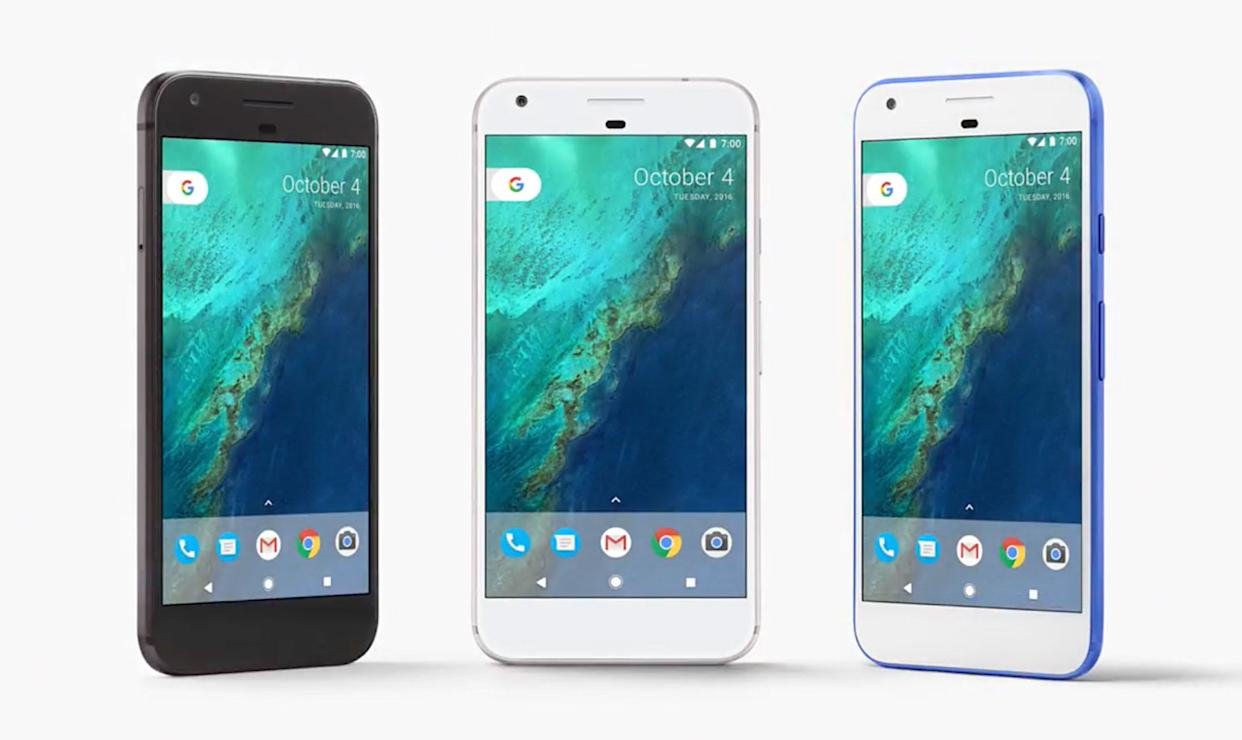
In the fast-paced world of mobile technology, a decade can feel like a century. Yet, looking back at the original Google Pixel, launched in October 2016, it was striking how a single device fundamentally altered the smartphone landscape. This wasn’t just another handset; it was the dawn of the “Made by Google” era, replacing the Nexus line and offering a pure, unadulterated Android experience straight from the source.
While today I find myself consistently advocating for massive 1-inch sensors and superior hardware optics over heavy-handed AI processing, holding the 2016 Pixel brings back a rush of absolute nostalgia. When it first hit the market, it immediately became my daily driver. Packing it in my bag for tech events and wandering through busy city streets, the Pixel didn’t just capture moments; it actively motivated me to photograph everything around me. The pure Android interface meant zero bloatware and no stuttering, ensuring the camera launched instantly the second a fleeting shot caught my eye.
The secret weapon of this device wasn’t a massive lens, but a 12.3-megapixel sensor paired with Google’s groundbreaking HDR+ algorithm. Before the Pixel, mobile photography was strictly a battle of raw megapixels and physical sensor size. Google changed the rules overnight, proving that computational algorithms could extract staggering dynamic range, perfect exposure, and incredible sharpness from standard hardware.
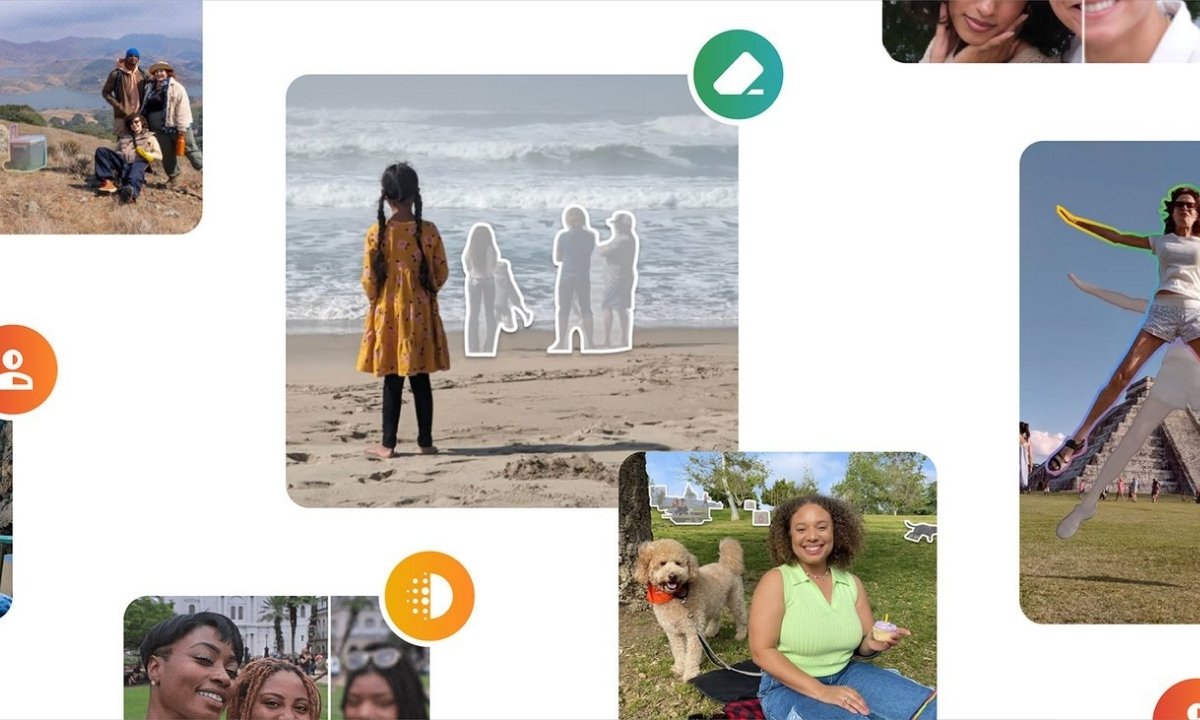
However, the true reason the first-generation Google Pixel has reached a near-mythical status in the vintage tech community isn’t solely its historical camera significance. It is the legendary, now-extinct storage perk. Google offered buyers of the original Pixel unlimited photo and video storage at original quality for life. In our modern era, where cloud storage subscriptions have become a frustrating monthly tax for any serious shooter, this 2016 device remains a highly coveted loophole. Today, people still hunt down refurbished or scuffed-up Pixel 1s on the secondary market. They don’t use them as primary phones anymore; rather, they serve as dedicated upload gateways, transferring massive files from modern devices just to take advantage of that grandfathered Google Photos promise.
Looking back, the original Google Pixel was a masterclass in software-hardware integration. It laid the foundation for the computational photography that dominates the entire industry today. While modern mobile flagships have grown into incredibly complex, multi-lens powerhouses, there is something deeply refreshing about the single-lens simplicity of that first Pixel. It was a device that simply worked, combining top-tier software with an algorithm that made you want to explore the world. For those of us who relied on it daily, it remains a standard high-water mark in smartphone history.