


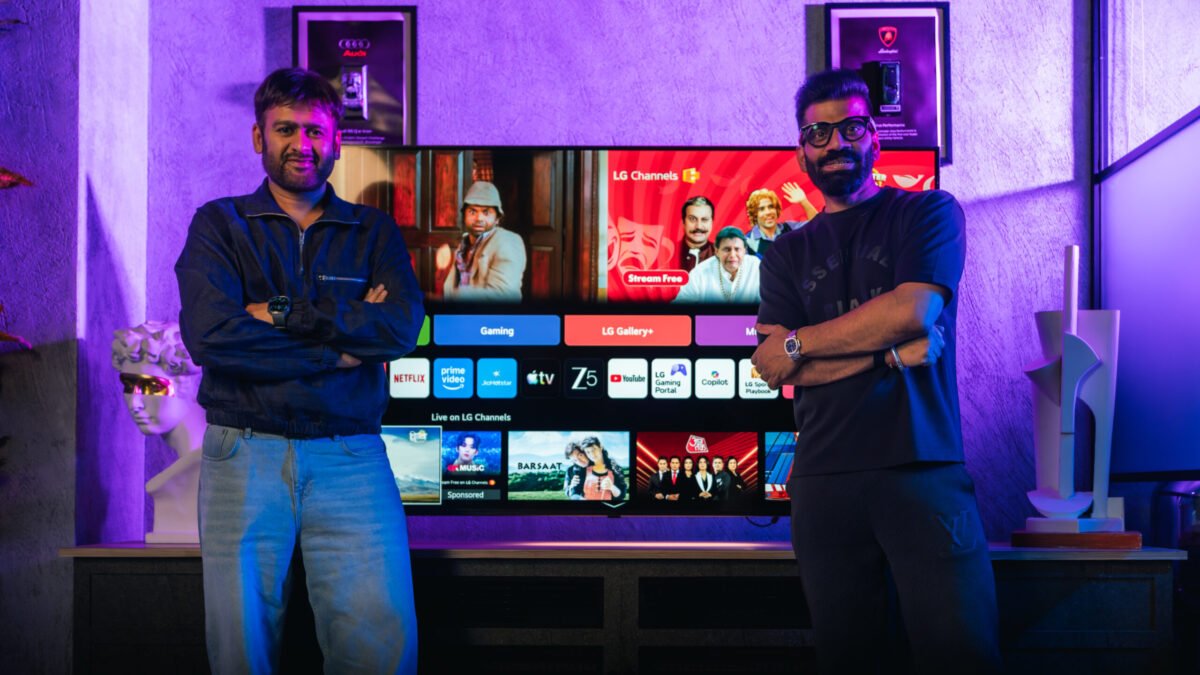
The modern tech landscape is saturated with endless specifications, marketing jargon, and iterative, incremental upgrades. Between the two of us, Technical Guruji and I have probably unboxed, analyzed, and reviewed thousands of products over the years. We’ve seen the evolution of display technology firsthand, migrating from the bulky CRT televisions of the past to the impossibly thin, bezel-less marvels that adorn our walls today. Yet, despite our shared expertise and decades in the industry, it is always fascinating to see how differently we two reviewers can sense the exact same piece of consumer technology. This stark realization led to a new editorial experiment: a true Double Take. The premise was brilliantly simple: put two of the sharpest minds [self bragging mode activated ] in the tech reviewing space in front of the highly anticipated 2026 generation of the LG QNED AI TV, strip away the standard teleprompter readouts, and let us experience the product naturally. The goal was to look beyond the spec sheet and deeply understand how the television’s much-touted Affectionate Intelligence actually integrates into everyday life.

My office lounge room is dominated by the sleek LG QNED TV, standing like a monolith, waiting to be used. I leaned back on the couch and glanced over at Guruji, commenting that since we both travel so extensively for our respective shoots, we really need to plan a proper road trip together. He enthusiastically agreed, suggesting we lock in a destination right then and there. At a simple voice command, the LG QNED sprang to life, displaying a breathtaking, high-definition vlog of a road trip winding through the majestic Swiss Alps. The screen immediately filled with sweeping drone shots of valleys, snow-capped peaks, and asphalt roads. I asked him how Switzerland looked for our next getaway, but Guruji, known for his meticulous and critical eye for display hardware, was already walking closer to the wide screen. He was genuinely taken aback, noting that the colours were so exceptionally vibrant that it felt as though we were already standing at the destination. Carefully analyzing the intricate lighting in the shadows of the mountain valleys, he praised the Mini LED technology, the 100% Colour Volume, and the Precision Dimming capabilities. He pointed out that every single frame held so much granular detail that choosing a destination had somehow become even more difficult. This visual fidelity isn’t mere hyperbole; the holy trinity of LG’s display engineering ensures that bright snow caps do not bleed into the dark, rocky crevices of the mountains, delivering an incredibly lifelike image.
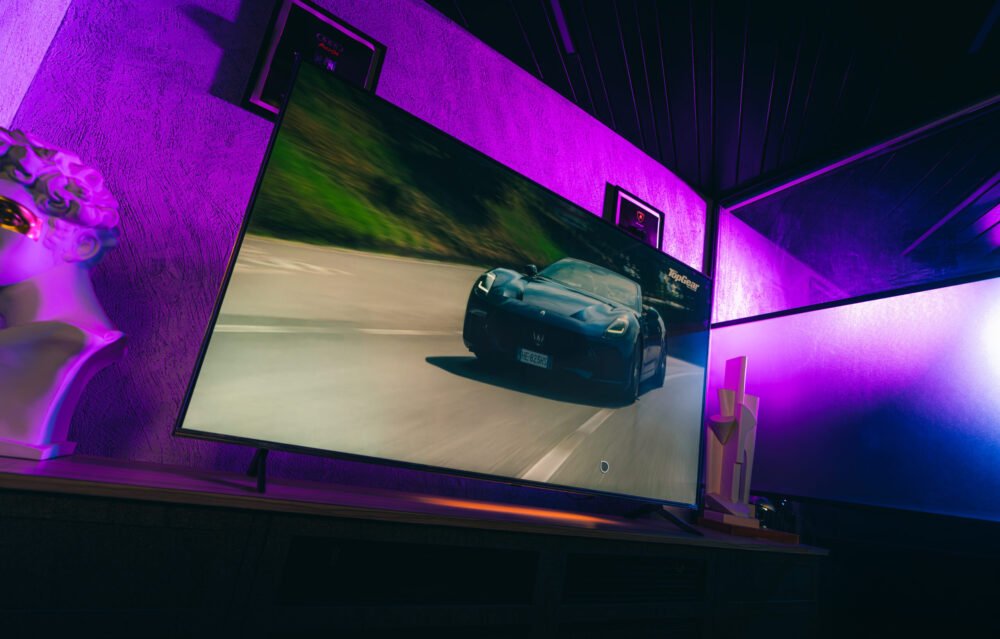
At this premium tier of the market, outstanding visual quality is virtually expected. What sparked my interest in engineering was LG’s intentional shift from the cold, calculating concept of “Artificial Intelligence” to what they affectionately call “Affectionate Intelligence”, technology designed to feel less mechanical and much more human. The TV is fundamentally designed to recognize the user, understand their daily habits, and proactively assist them without prompting. This is exactly where the AI Voice ID changes the concept of a traditionally shared household device. The television can distinguish between different members of the household biometrically by listening to the unique cadence of their voices. If someone walks into the room and says, “Hi, Rahul,” or “Hi, Priyanka,” the TV instantly recognizes the voice footprint, announces that the profile is matched, and heavily personalizes the viewing service. Once logged in, you are greeted by My Page, a highly customizable dashboard acting as a central hub that beautifully aggregates frequently used apps, personal calendars, and localized weather conditions. It even utilizes a dynamic Quick Cards system for things like live-tracking ongoing sports matches. It’s a television that literally greets you by name and immediately serves up the digital ecosystem you care about most.
With our breathtaking Swiss destination theoretically set, we needed to handle the actual logistics of the trip. Traditionally, this is the exact moment the smartphone comes out, shattering the communal living room experience as everyone stares down at their individual screens. As we excitedly discussed what else we could explore in Switzerland, Guruji instinctively reached into his pocket, saying he would just pull up a quick Google search on his phone. I stopped him with a grin, assuring him there was absolutely no need for a secondary device. Pressing the dedicated AI button on the sleek LG Magic Remote, I spoke naturally into it, asking the television to show me the best scenic driving route in Switzerland, along with mountain cafes and must-visit viewpoints. Instantly, the screen populated with rich, contextual results, presenting a curated travel itinerary on the expansive display rather than just a boring list of web links. Guruji was visibly impressed, acknowledging aloud that the TV wasn’t just blindly searching the web; it was actually understanding the contextual intent behind the query. I elaborated on the underlying software architecture, explaining that for even more detailed information, the TV seamlessly integrates with powerhouse AI tools like Microsoft Copilot and Google Gemini.

This Multi AI Search revolution is exactly what makes the LG QNED stand head and shoulders above its predecessors. By integrating industry-leading Natural Language Processing models directly into the proprietary webOS architecture, the TV moves miles beyond essential keyword matching. Furthermore, I showed Guruji the integrated AI Agent, which operates contextually based on what is actively playing on the screen. Using the intuitive “In This Scene” and “On Now” cards, the television can analyze the content currently playing, be it a movie or a travel vlog, and automatically pull up relevant metadata, actor information, or real-world locations without ever interrupting the primary viewing experience. It also features an AI Keyword system that finds terms you love, allowing you to ask natural questions like, “What did I watch?” or “Play the drama I watched yesterday”.
As the afternoon faded and our travel itinerary was finalized, we collectively decided to shift from extensive trip planning to pure entertainment. I noted that since we were already in a heavy planning mood, we might as well pick a movie for an upcoming weekend movie night. Guruji sighed, pointing out a universal, frustrating truth of modern streaming: everyone in the house always has wildly different choices, and half the evening is usually wasted just arguing over whether to watch an action, comedy, or thriller. Rather than scrolling endlessly, I simply invoked the AI Chatbot and asked it to recommend a fun movie for the night. Rather than dumping a generic, algorithmically dull list of popular titles, the Chatbot impressively analyzed our recent interactive queries regarding the Swiss Alps and instantly curated a list of travel-friendly, visually stunning movies perfectly suited for our current adventurous mood. Guruji nodded in deep approval, noting again how the system wasn’t just running a search, but rather understanding our specific situational context to offer a highly tailored recommendation. I couldn’t agree more; it’s genuinely brilliant to have the TV step in and provide a solid recommendation before the dreadful “what should we watch” debate even has a chance to begin.
Beyond mere content recommendations, the AI Chatbot serves as a deeply integrated Personal Troubleshooter. It represents the concept of a TV that cares before you even have to ask. For example, if a user complains out loud about a dark screen, the chatbot can proactively pop up to ask if they want to adjust the brightness for better viewing and then automatically execute the complex setting change. If an HDMI source isn’t displaying correctly, it proactively asks if you want to turn on the Set-Top Box to quickly fix the hardware handshake issue. It solves everyday tech problems effortlessly, effectively turning complex, multi-layered menu navigation into simple, conversational voice commands.
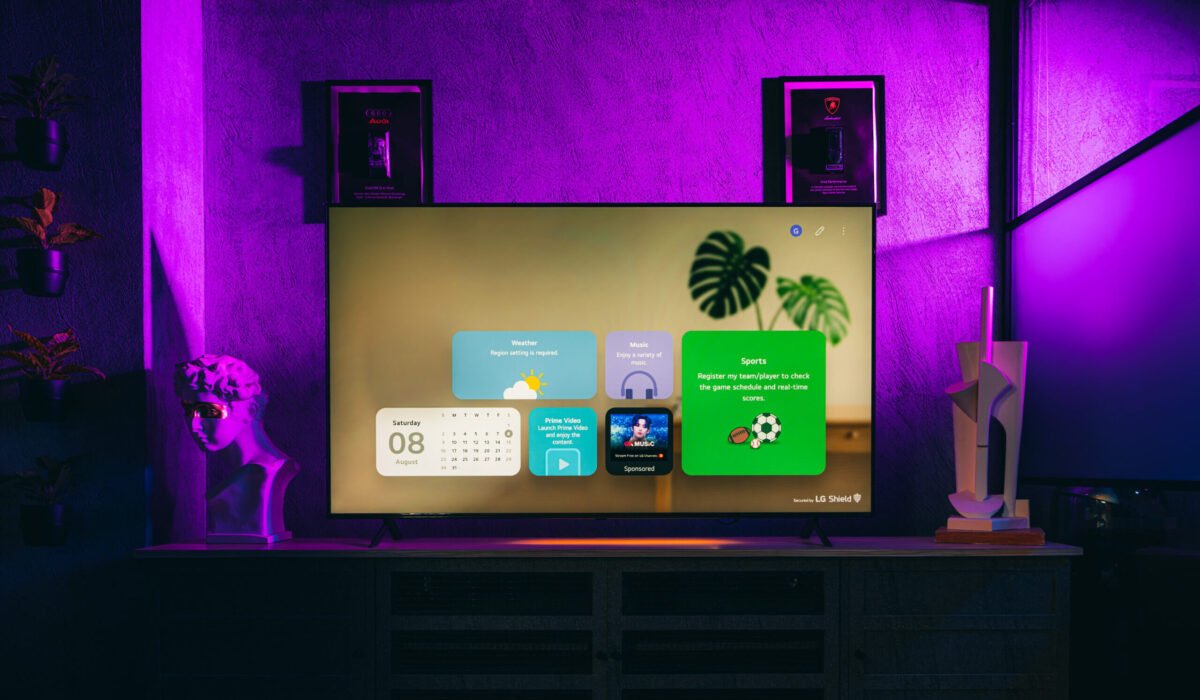
While Guruji was admiring at the movie recommendations and troubleshooting capabilities, I couldn’t help but dive into the rich sports and gaming integrations that round out the system. The My Page dashboard isn’t merely a static display for weather and calendars; it features a dedicated Gaming Portal that offers live status updates of ongoing games and even a highly analytical winning percentage forecast. LG has also loaded the ecosystem with over 142 free LG Channels, catering to an incredibly broad and diverse spectrum of television and movie preferences. The entire operating system extends beautifully into smart home integration as well, offering full compatibility with LG ThinQ, Google Home, Xiaomi Devices, and immersive lighting setups like Philips Hue Sync.
With our movie finally selected, the LG QNED aggressively flexed its audiovisual processing capabilities. The onboard AI Personalized Picture and Sound Wizards went to work immediately. By having the user select their preferred images and audio profiles from a quick visual diagnostic test, the TV intelligently calculates the optimal settings from a staggering 1.6 billion possible picture combinations and 40 million distinct sound variations. Whether you prefer a vivid image paired with bass-boosting sound, or a natural image with easy-listening audio, the AI tailors the output specifically to your unique neurological preferences. Guruji pointed out that with the flawless addition of Dolby Vision and Dolby Atmos, you truly get that cinematic, theatre-like feeling right in the comfort of your own home. The immersive spatial audio combined with dynamic metadata optimizes every single frame for maximum HDR impact, causing the underlying technology to melt away and leaving only the pure experience.

As the credits rolled on our chosen film, Guruji shared his final, overarching takeaway: we hadn’t just sat around talking about dry specifications, teraflops, or nit brightness; we had spent the day exploring how this television actually fits into and significantly enhances everyday life. That is exactly what a Double Take is all about: one distinct product, two unique perspectives, and one completely honest verdict. The 2026 LG QNED AI TV definitively proves that the future of home entertainment isn’t just about packing in brighter pixels; it’s about engineering a television that actually listens, deeply understands, and seamlessly adapts to you, proving to be far less artificial and infinitely more human.