



For the past few years, artificial intelligence has primarily served as a digital encyclopedia or a creative sounding board. Traditional AI tools typically follow a simple question-and-answer format: you write a prompt, and a chatbot responds with text, code, or an image. While this generative capability has been revolutionary, it still requires the user to constantly command the ship. You have to know what you need next, and you still have to execute the AI’s advice manually. However, a monumental shift is currently underway, transitioning us from simply asking AI to actively delegating to it. This new approach, known as agentic AI, promises to fundamentally improve our lives by getting things done on our behalf.
Agentic AI introduces a fundamentally different approach to digital assistance. Instead of merely responding to a single prompt with information, agentic systems are designed to take autonomous action. They can interpret a high-level goal, break it into a series of logical steps, take the necessary actions across various applications, and iterate based on the results. This means an AI assistant can now plan ahead and complete complex, multi-step workflows without needing continuous manual input at every single stage.
Imagine the everyday busywork that consumes hours of your week. With agentic AI, you can ask a system to audit your monthly subscriptions, identify the ones you rarely use, and proceed to cancel them. You could ask it to find the lowest verified price for a specific product across multiple retailers, rather than spending your evening comparison shopping. Even organizing a dinner with friends, which usually requires reviewing past messages, checking calendars, and finding a time that works for the whole group, can be entirely automated. By handling this digital busywork, agentic AI frees up our time and mental energy, allowing us to focus on the things that truly matter.
The most significant breakthrough in this new technology is Muse AI. Introduced by Meta in September 2026, Muse stands out as more than a typical chatbot; it is a tailored personal AI agent designed to carry out tasks. Rather than existing merely as a text box, Muse operates as an active, persistent assistant. It runs on a dedicated, secure cloud-hosted virtual machine, complete with its own web browser. This unique architecture allows Muse to navigate the internet, interact with websites, and interface with the applications you already use every day.
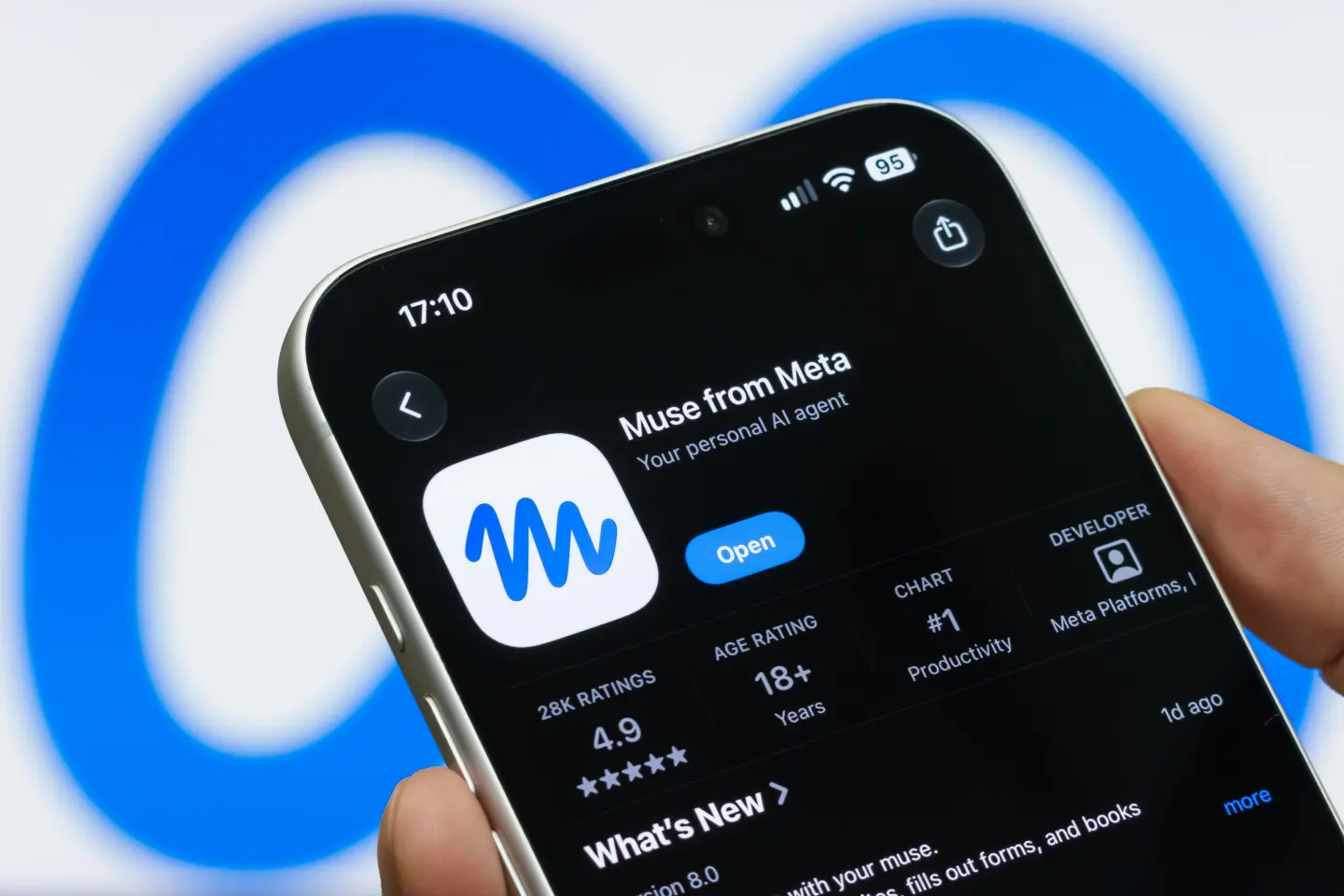
What truly sets Muse AI apart is its deep integration into everyday platforms and its ability to continue working in the background. Meta has seamlessly woven Muse into its existing ecosystem, allowing users to communicate with the agent directly through messaging apps like WhatsApp. You can send a message to Muse detailing what you need accomplished, just as you would message a human assistant. Once you give it a task, such as monitoring flight prices or helping with a booking, Muse will keep working on it even after you close the app. It will return only when it completes the objective or needs your input to proceed.
Furthermore, Muse AI connects with platforms like Instagram and various calendar services, allowing it to pull context from your digital life. For example, Muse can take a recipe saved on Instagram, automatically generate a grocery list, and cross-reference it with the dietary restrictions of guests invited to an upcoming event. Through integrated commerce partners like Stripe, Shopify, and major retailers, Muse can even complete purchases on your behalf, using one-time virtual cards to ensure your financial details remain secure.
Naturally, granting an AI the ability to act on the internet raises important privacy and security questions. Meta addressed this by implementing a robust permissions system. An internal system called Sentinel governs which services Muse can reach, strictly distinguishing between read and write access. Most importantly, Muse is designed with a mandatory audit trail and built-in approvals. Before the agent can perform any sensitive action, such as finalizing a payment or sending an email, it explicitly asks for your permission. You remain the final decision-maker, ensuring complete oversight over what the AI executes.
The introduction of Muse AI marks a critical turning point in consumer technology. We are moving beyond generative text and into a period of automated action, where digital assistants become capable proxies. Muse demonstrates that AI can be trusted to handle tedious tasks that clog our schedules, opening up new levels of personal productivity.
If you are eager to experience this next generation of artificial intelligence, keep in mind a slight geographic limitation. Currently, Muse AI is exclusively available in the US region. However, users outside the United States do not necessarily have to be left behind. You can either test the service right now by using a reliable VPN to access the US servers, or you can simply wait for the official global launch in the near future.