


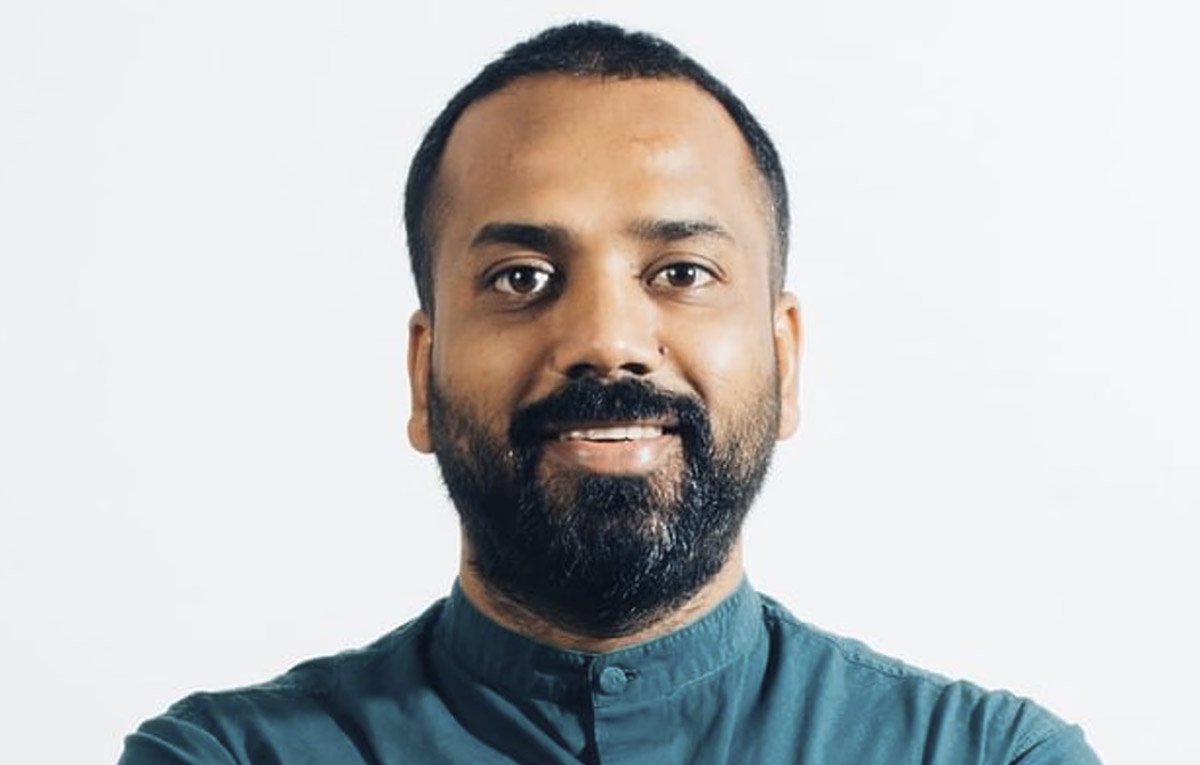
In this authored article, Daily Object’s Pankaj Garg, CEO and Co-founder, explores how smartphone cases are evolving from protective accessories into essential parts of the ownership experience. He examines the growing demand for utility, personalisation and interconnected accessories, alongside India’s expanding premium smartphone market. Garg also looks at how consumers are building adaptable ecosystems around their devices, combining cases with wallets, stands, grips and mounts to make their smartphones work better for everyday life. Here’s what he says:
For most of the smartphone era, the phone cover had one job: to protect the device. It was bought at the point of purchase, often as an afterthought, and replaced when it cracked or wore out. That is changing quickly. Today, the cover is one of the most consequential choices a consumer makes after choosing the phone itself.
The reason is simple. The smartphone is the most-handled object in our lives. We pick it up hundreds of times a day, carry it everywhere and rely on it for nearly everything. India’s mobile phone accessories market was valued at US$4.61 billion in 2025, with protective cases the largest product segment, according to TechSci Research. The cover is the part of the phone we actually touch and see. It is where the device meets the person.
From Protection to Utility
Protection is still table stakes, and no consumer should compromise on it. But it is no longer the whole story. The modern phone cover can add function, convenience and personalisation to the smartphone.
It can hold a card or attach to a wallet. It can prop the phone up for a video call or a late-night episode. It can give you a better grip for one-handed use, or a secure mount in the car. And it can say something about the person carrying it, through material, colour, texture and design. The cover has moved from being a shield to being a layer of the experience.
Rise of the Accessory or Tech-essentials Economy
This shift reflects a broader change in how people spend around premium devices. In India, smartphones priced above ₹30,000 accounted for 22% of total shipments in 2025, according to Counterpoint Research. IDC reported a record average selling price of US$302 for smartphones in the country in Q1 2026. Consumers are trading up and spending more thoughtfully once they do. A premium smartphone is a considered purchase, and that consideration no longer ends at checkout. People increasingly ask what they should build around the device to make it work better for them.
That is the accessory economy: a market where accessories are no longer impulse add-ons but part of the overall ownership experience. Consumers research them, compare them and expect them to meet the standard of the hardware they sit alongside.
Making “Ecosystem” Tangible
“Ecosystem” is often used loosely, so it helps to be specific. In practical terms, it means a case that works with a wallet, a stand, a grip and other components, so consumers can build a setup around their phone.
A traveller might pair a case with a magnetic wallet for the airport, a grip for photographs and a compact stand for the hotel desk. A professional might use the same case with a desk stand during the day and a car mount on the commute. Each piece works with the others, and the consumer decides how they combine. The phone stays the same, but the experience around it is personal and adaptable.
Where the Category is Heading
The next phase will be less about selling another product for a phone and more about building a system around it. As smartphones become further embedded in everyday life, the accessories around them will have more jobs to perform. The phone may remain the core device. Increasingly, however, the value of the experience will depend on what we build around it.