


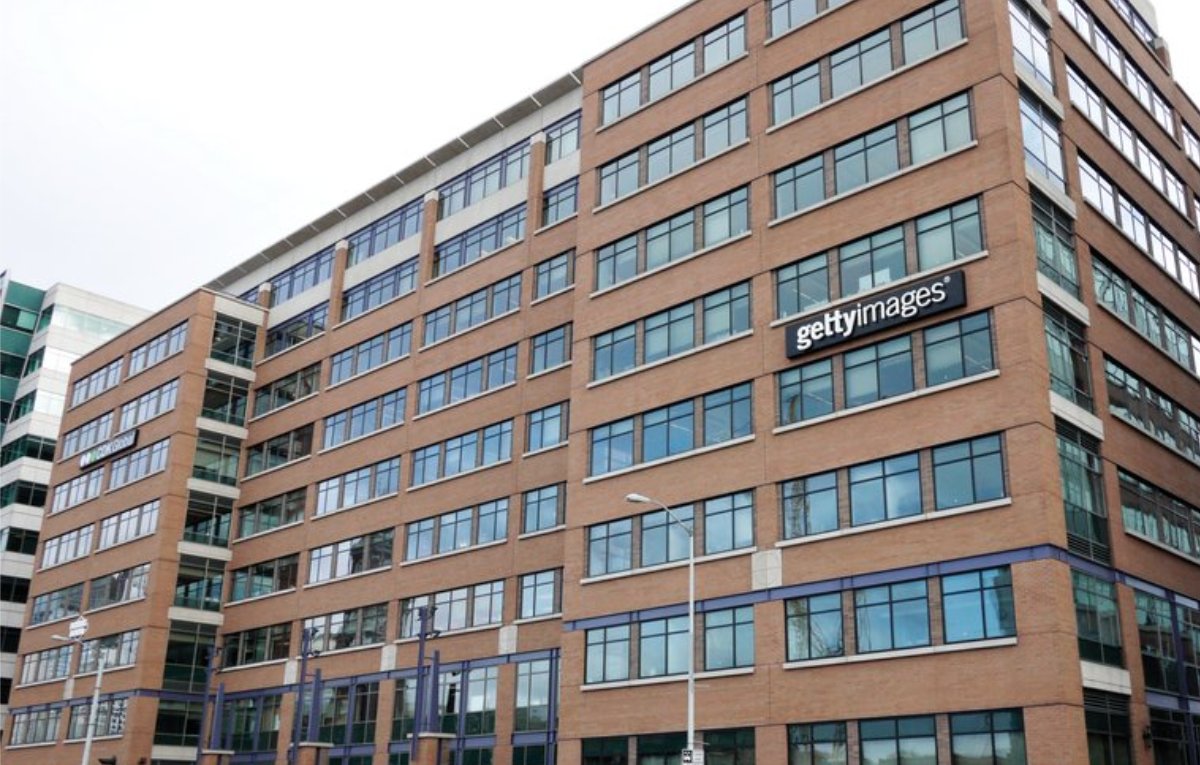
Getty Images, one of the world’s largest providers of stock photography and editorial images, is preparing to file for bankruptcy as part of a major financial restructuring. The company has reached an agreement with its major creditors and investors to reduce its debt, secure fresh funding and return to private ownership. The restructuring is expected to be completed by the end of 2026.
Announced on October 12, the deal includes an equity investment of up to $533 million from affiliates of the Getty family and Koch Equity Development, along with changes to the company’s existing debt. Getty says the move will strengthen its balance sheet and support its future growth. Importantly, the company expects its operations to continue as usual during the process.
Why Is Getty Images Filing for Bankruptcy?
The planned filing comes as Getty Images works to address its financial challenges. The restructuring will allow the company to reorganise its debt under Chapter 11 of the US Bankruptcy Code. This process allows businesses to restructure their finances while continuing to operate.
Under the proposed deal, holders of Getty’s unsecured notes will retire $270 million in debt, while secured lenders have agreed to reduce interest costs and extend repayment timelines. Once the restructuring is complete, affiliates of the Getty family and Koch Equity Development will own the reorganised company.
Getty has also faced a changing market for visual content, especially as generative AI tools become better at creating images from simple text prompts.
How Is AI Changing the Stock Photography Industry?
For years, stock photography platforms have helped businesses, publishers, advertisers and designers find images for their projects. Instead of arranging photoshoots, customers could license existing photographs from large online libraries.
Generative AI is changing that model. Tools that create images from text prompts give users another option, especially for marketing visuals, illustrations, and generic images that don’t need to document real events. As these tools improve, some customers are choosing to generate images instead of paying for stock photography.
Getty has also entered the AI space with its own image-generation tools. However, the company operates beyond conventional stock photography. Its business includes editorial images, sports coverage, and archival content, which meet needs AI-generated imagery cannot always address.
AI is therefore an important part of the industry’s changing landscape, but it should not be treated as the sole cause of Getty’s financial difficulties.
The Failed Shutterstock Merger
Getty’s financial restructuring follows the collapse of its planned $3.7 billion merger with rival Shutterstock.
The deal faced scrutiny from the UK’s Competition and Markets Authority (CMA), which concluded that the merger could proceed only if Shutterstock sold its editorial business. The regulator was concerned that combining the two companies could reduce competition in the supply of editorial images to UK media outlets.
Getty eventually abandoned the merger in July 2026. The failed deal removed a proposed route to combining the two businesses, leaving Getty to pursue other options to strengthen its finances.
What Happens Next?
Getty Images now plans to use the restructuring to reduce its debt and establish a new ownership structure. The company expects to conclude the process by the end of 2026, although the transaction has not yet been completed.
For customers, contributors and partners, Getty says business will continue as usual. The bigger question is how the company will adapt to a market where AI-generated visuals are becoming increasingly accessible.
Getty’s extensive image archive and editorial operations remain important parts of its business. However, its next phase will require it to manage its finances while responding to changes in how people create, license and use images.