


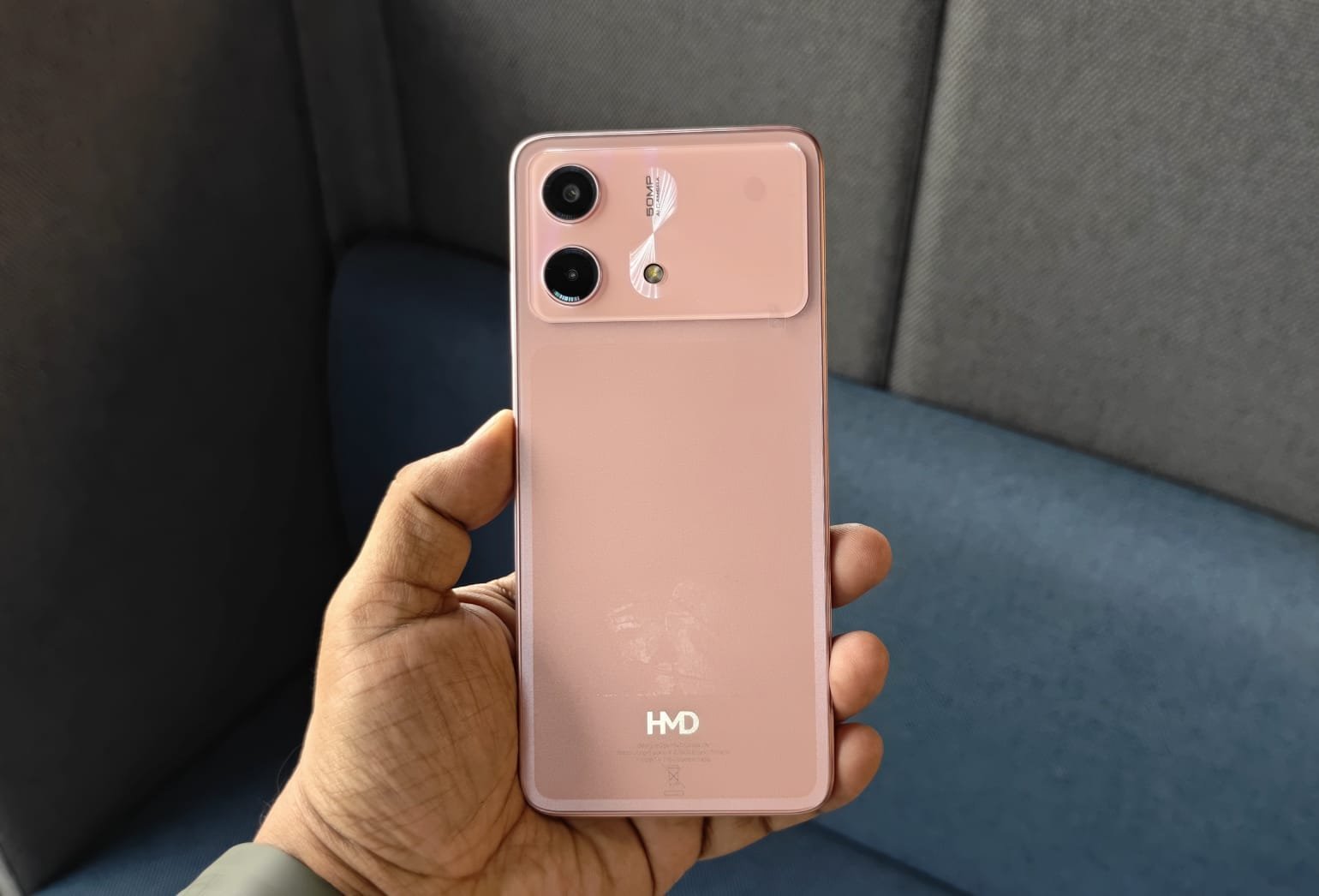
HMD has carved out a space in the crowded budget smartphone market by focusing on practical features without the usual clutter. The Vibe 2 arrives as an affordable 5G option, starting around the ₹11,000–13,000 range depending on the variant, with a large battery, clean software, and everyday usability as its main draws. After using it daily for an entire month as my primary phone for calls, messaging, social media, light work, YouTube, occasional photos, and some casual gaming, I can finally share my thoughts on it.
BUILD & DESIGN
Picking up the HMD Vibe 2 for the first time, the plastic construction is immediately apparent, but it does not feel as cheap as some other phones in this bracket. The frame and back are plastic with a glass front, weighing 210 grams. That weight is noticeable after long hours of use, especially with the big battery inside, yet the phone never felt overly bulky in my hand or pocket. The dual-texture design and colour options (I had the Peach Pink) give it a bit more personality than the usual plain black or grey budget devices. It looks decent and avoids the completely generic appearance common at this price.
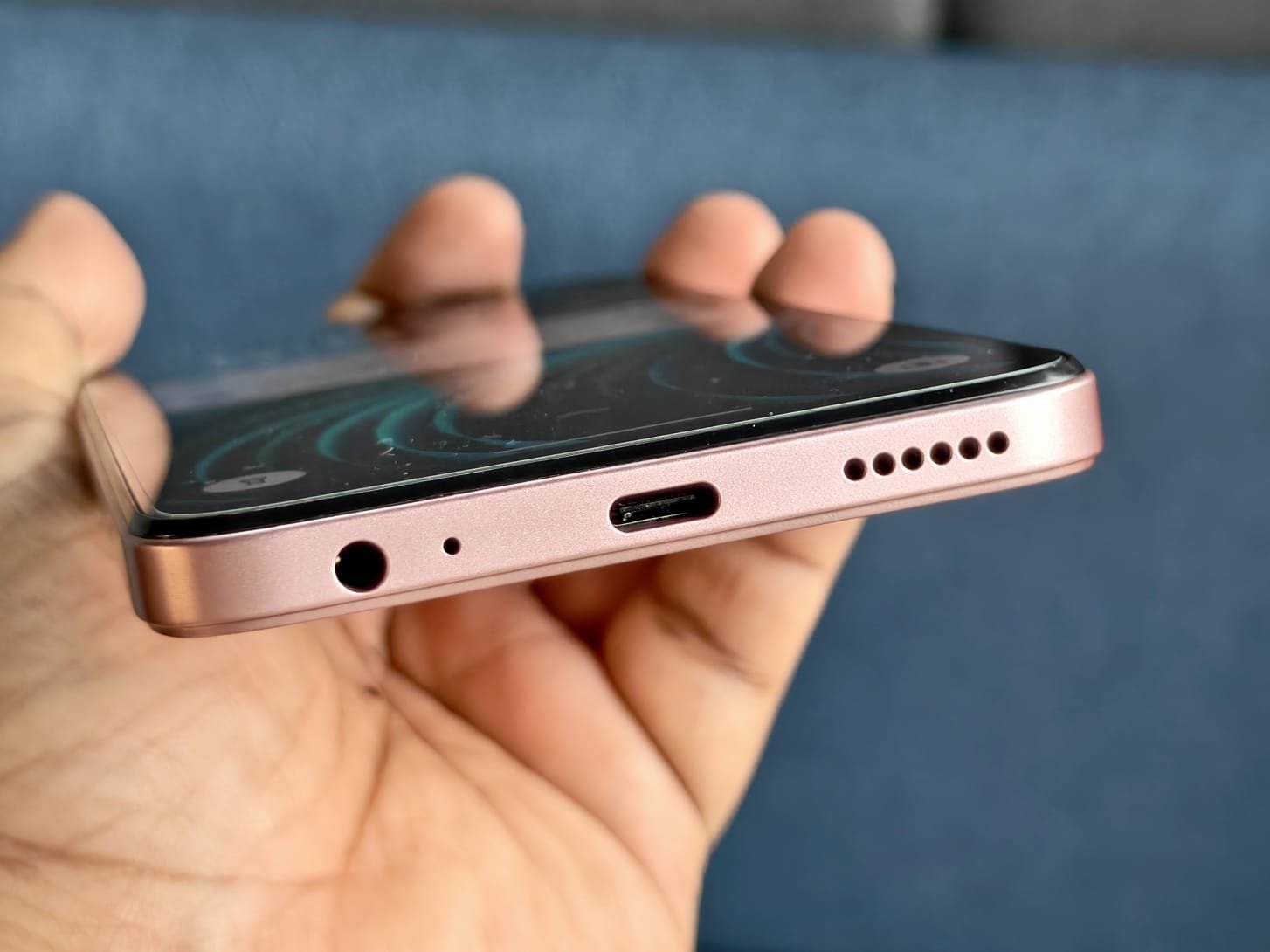
The side-mounted fingerprint sensor built into the power button works reliably most of the time for quick unlocks. Face unlock is there as a backup and is serviceable in good light. Practical features include a 3.5 mm headphone jack (still useful for wired earphones), a microSD card slot for expansion up to 1 TB, dual nano-SIM support, and an IP64 rating for basic dust and splash resistance. I accidentally got it wet a couple of times in light rain and it was fine. The included basic case and screen protector in the box were welcome extras that helped protect it from the start. Viewing angles on the display are average, and the waterdrop notch is a bit dated in 2026, but these are small trade-offs for the price.
PERFORMANCE
The device is powered by the Unisoc T8200 (6 nm) octa-core chipset with either 4 GB or 6 GB of RAM (I used the lower configuration with 128 GB storage), the Vibe 2 handles day-to-day tasks competently. Android 16 runs clean out of the box with minimal bloatware, a refreshing change from many budget phones packed with pre-installed apps. Multitasking between WhatsApp, Chrome, Instagram, email, and YouTube felt smooth most of the time. The 120 Hz refresh rate on the 6.75-inch HD+ IPS LCD display (720 x 1600) makes scrolling and animations noticeably fluid, which helps mask the lower resolution during regular use.
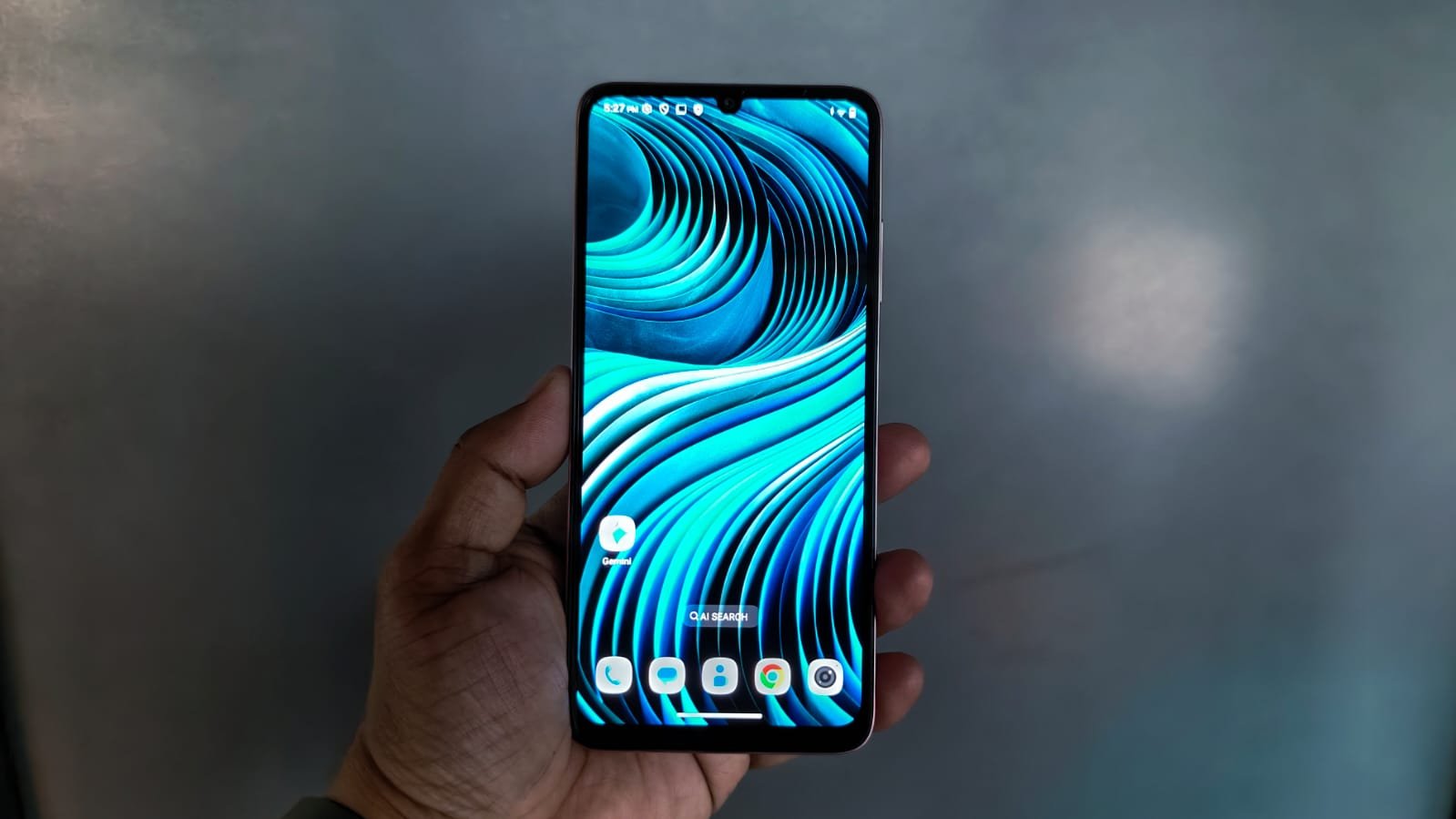
Casual gaming like lighter titles or older games ran without major issues, and the phone stayed relatively cool even during longer sessions. App launches are quick enough, and 5G connectivity worked reliably where available. Storage expansion via microSD proved useful for media files.
There were occasional minor stutters when switching between several heavier apps or during prolonged multitasking, and it is clearly not built for intensive gaming or demanding productivity work. The software support is limited to two years of security patches with no major OS upgrades promised beyond Android 16, which is something to keep in mind for longer-term ownership.
BATTERY
The 6,000 mAh battery is the clear highlight and the reason many will consider this phone. In my mixed daily use, roughly 5–7 hours of screen-on time involving calls, messaging, social scrolling, some video, and navigation, it comfortably lasted a full day and often stretched well into the second day with moderate use. On lighter days it easily cleared two days. The efficient chipset and HD+ panel help stretch the capacity further. Standby drain was impressively low overnight.
Charging is limited to 18 W wired (charger included in the box), so a full top-up from low takes a couple of hours. I usually plugged it in overnight or during longer breaks, and it was never a deal-breaker for my routine. The battery life itself more than compensates for the slower charging in daily life. After a month, capacity felt consistent with no noticeable degradation. This is one of the stronger performers in its price range for endurance.
CAMERA
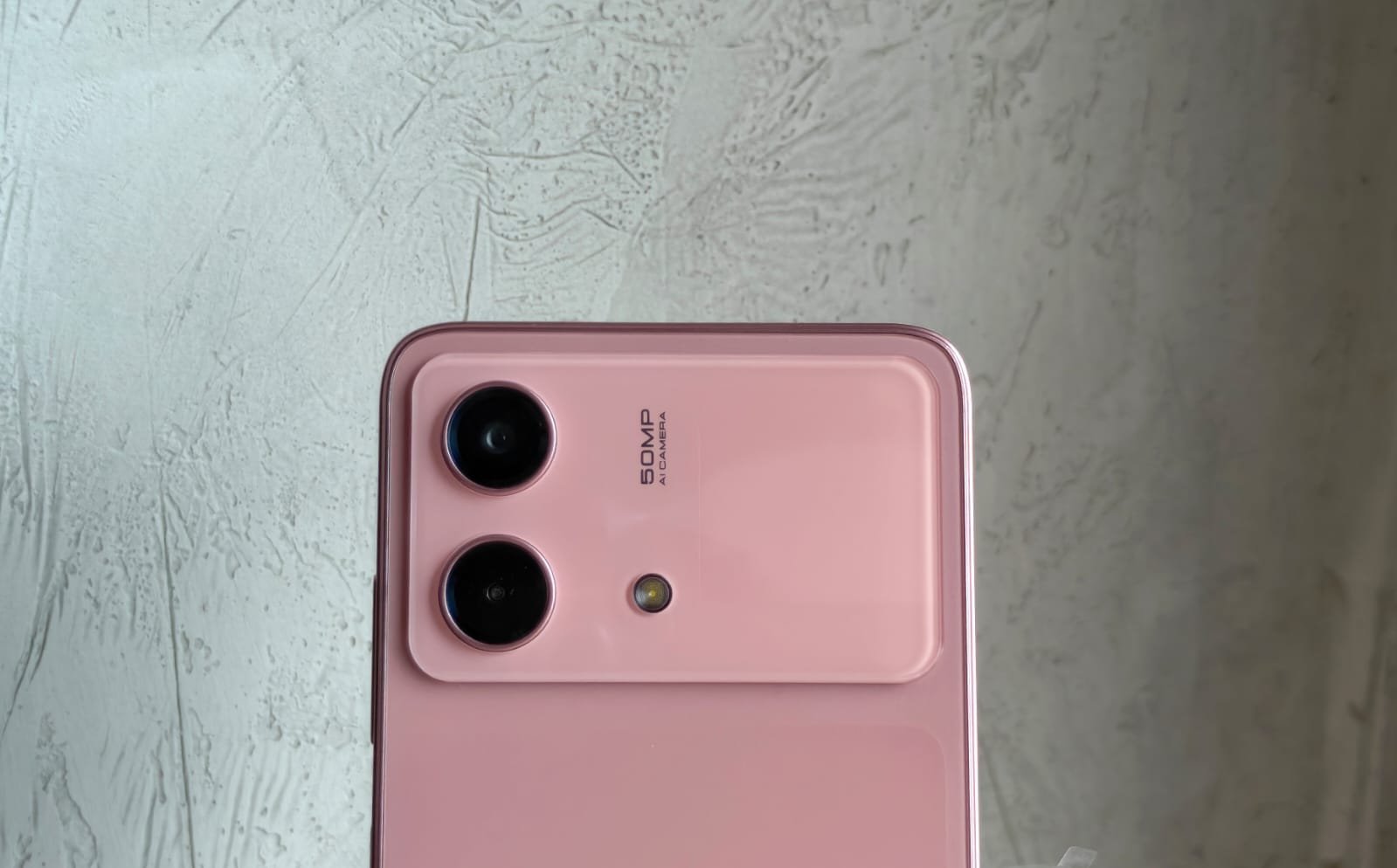
The camera setup is basic: a 50 MP primary rear sensor with an auxiliary lens and LED flash, plus an 8 MP front camera. In good daylight, the main camera produces decent shots with acceptable detail and natural-to-slightly-boosted colours. Photos of outdoor scenes, food, and everyday moments looked usable for social media sharing without heavy editing. HDR helps in mixed lighting, and the results feel realistic rather than oversaturated.
Low-light performance is more limited, the noise increases and detail softens, as expected at this level. Portrait mode works adequately with the depth sensor for casual shots. Video records up to 1080p at 30 fps (some reports mention higher capabilities, but everyday results were standard). The front camera handles video calls and occasional selfies reasonably in good light, though facial details can soften and low-light selfies are average at best.
The HMD Vibe 2 is a solid budget 5G phone that focuses on battery life, clean software, and practical features, boasting a 6,000 mAh battery, a smooth 120 Hz display, expandable storage, and a headphone jack. While it delivers reliable performance for daily tasks and has a functional design, it comes with trade-offs like HD+ resolution, slower 18 W charging, average low-light photography, and limited software updates. For those prioritizing long battery life and essential features at an accessible price, the Vibe 2 offers good value, though buyers seeking sharper displays or faster charging may want to consider slightly pricier options. It's been a dependable device that meets the needs of budget-conscious users effectively.
The Good
- Affordable 5G option
- Large 6,000 mAh battery for excellent endurance
- Clean Android 16 with minimal bloatware
The Bad
- Plastic build feels less premium
- Average display quality and viewing angles
- Slow 18W charging speed
-
Build & Design
-
Performance
-
Camera
-
Battery
1 Comment
Pingback: HMD Announce HMD Vibe2 Pro Launch Date