


Verdict
The Lava Shark 2 5G doesn't try to overwhelm buyers with an endless list of headline-grabbing features. Instead, it focuses on the basic: a clean Android 16 experience, dependable battery life, a smooth 120Hz display and reliable day-to-day performance. Those fundamentals make it a sensible choice for first-time smartphone users or anyone upgrading from an ageing 4G device. That said, the phone isn't without compromises. The HD+ resolution feels dated in 2026, the cameras are merely average, and the 18W charging speed is slower than several rivals. The 4GB RAM and 64GB storage configuration also leaves little headroom for power users. If your priorities revolve around long battery life, clean software and dependable everyday performance, the Lava Shark 2 5G delivers good value. However, buyers who place gaming, photography or faster charging higher on their wishlist may find stronger alternatives in this increasingly competitive budget segment.
The Good
- Smooth 120Hz display
- Clean Android experience
- Reliable battery life
The Bad
- HD+ resolution
- Slow 18W charging
- Average cameras
-
Design
-
Display
-
Sound
-
Performance
-
Camera
-
Battery Life
The sub-₹10,000 smartphone segment has grown in such a way over the past few years that buyers expect everything from a smooth display to capable cameras, among other things. And then there’s also the demand for 5G connectivity, which is no surprise. With the Lava Shark 2 5G, the Indian phone-maker isn’t chasing flashy specifications, but looking to tick the essentials for first-time smartphone buyers, students or anyone upgrading from an ageing 4G handset. The question is whether that approach is enough in a market filled with compelling alternatives. After spending time with the Arya Blue variant, here’s how the Lava Shark 2 5G fares in everyday use.
Design
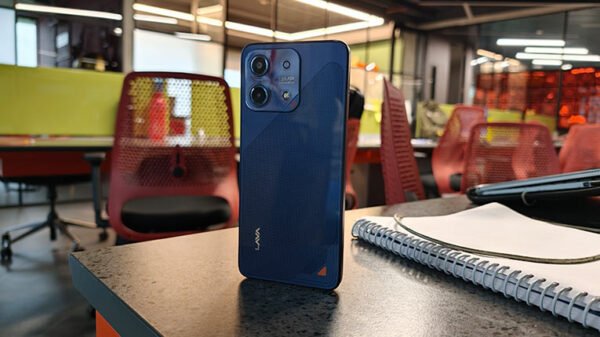
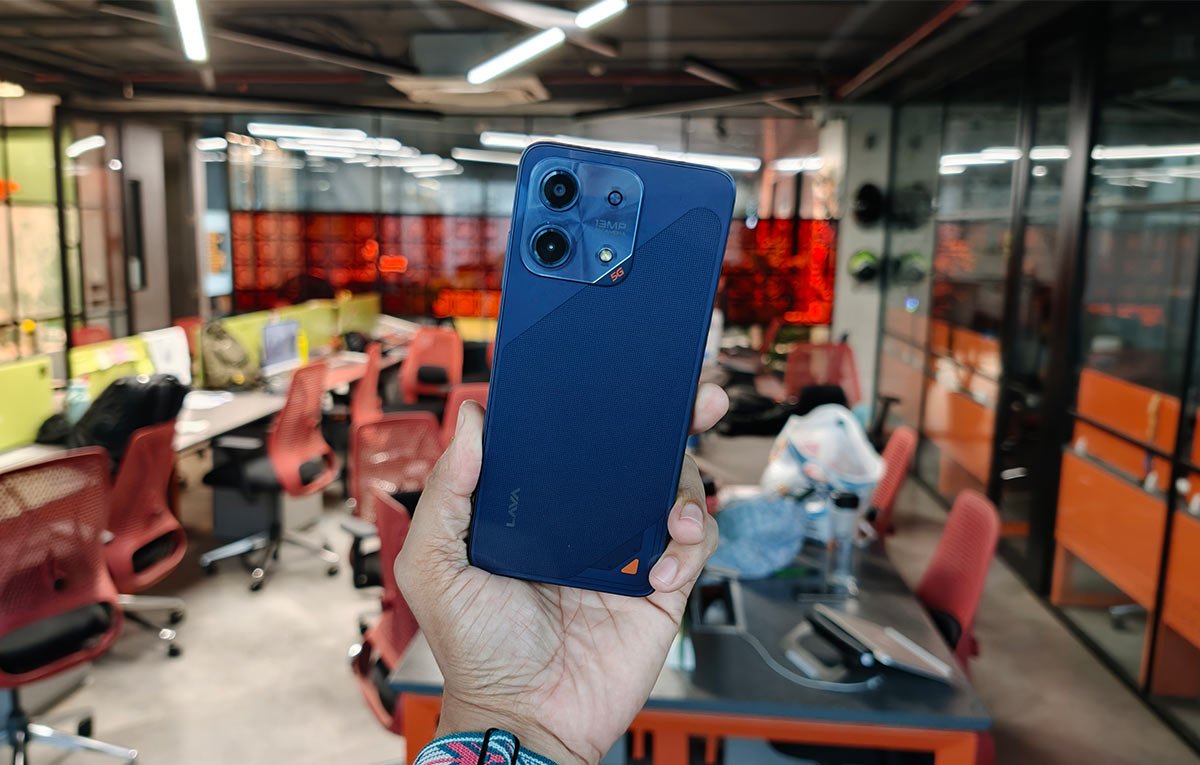
The Arya Blue finish is undoubtedly one of the phone’s stronger highlights. It has a subtle shimmer that catches light without looking overly loud, giving the device a more premium appearance than its price might suggest. While the back panel is plastic, it doesn’t immediately feel cheap, and the matte finish does a decent job of hiding fingerprints.
The rear camera module is fairly prominent but doesn’t look out of place. However, it is hella deceptive. It looks like there are lenses offering different focal lengths, but guess what? The Shark 2 5G is home to just one camera. Upon peering into the second module, you’d be surprised at how much camera-like it looks, but in reality, it’s just a dummy.
Despite housing a sizeable battery, the phone remains comfortable to hold for extended periods. The edges are slightly rounded, making it easier to grip during long browsing sessions or video calls. The weight distribution also feels balanced enough that it doesn’t become tiring after prolonged use.
The side-mounted fingerprint scanner is quick and generally reliable. It unlocked the phone consistently during testing, although it occasionally required a firmer press than expected. The volume and power buttons are positioned within easy reach and offer good tactile feedback.
Overall build quality inspires confidence for a device in this segment. While you won’t mistake it for a premium smartphone, it certainly doesn’t feel fragile either.
Display and Sound
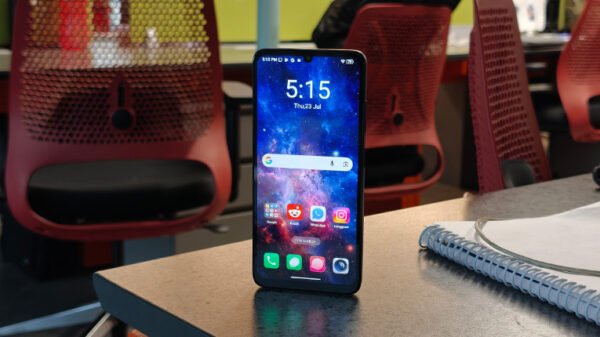
Lava has equipped the Shark 2 5G with a 6.75-inch HD+ IPS LCD panel that refreshes at 120Hz. On paper, the combination sounds promising for a budget smartphone, and in daily use, the high refresh rate does make scrolling through social media, browsing Chrome and navigating the interface feel smoother than what you’d typically expect in this price bracket.
The compromise, however, is the resolution. At 1600 x 720 pixels, the display isn’t the sharpest around. Text occasionally lacks crispness, and while watching Full HD videos on YouTube, the panel doesn’t deliver the level of detail offered by some similarly priced rivals sporting Full HD displays. That said, for casual users upgrading from an older smartphone, this isn’t likely to be a deal-breaker.
Colours are reasonably vibrant without appearing oversaturated, and viewing angles are respectable enough for sharing videos with a friend. Brightness, however, remains one of the display’s weaker aspects. Indoors, the panel is perfectly usable, but under Mumbai’s afternoon sun, I often found myself shielding the screen with my hand to read messages or navigate Maps.
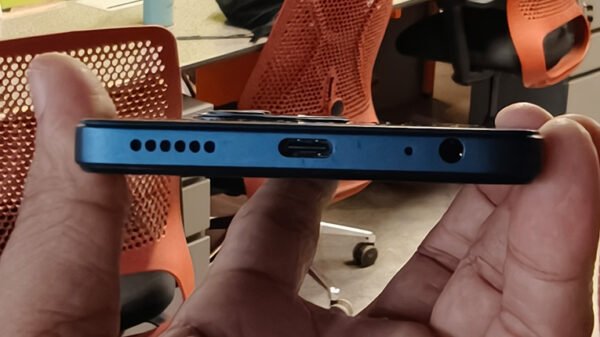
Audio duties are handled by a single bottom-firing speaker. It gets loud enough for YouTube videos, reels and voice calls, but the sound lacks depth. Dialogue remains clear, though music sounds noticeably flat with almost no bass. Thankfully, Lava has retained the 3.5mm headphone jack, which budget buyers will certainly appreciate. Pair it with a decent set of earphones and the experience improves considerably.
Performance
Powering the Shark 2 5G is Unisoc’s T8200 processor, paired with 4GB of LPDDR4X RAM and 64GB of internal storage, which can be expanded via a microSD card up to 1TB. It’s an entry-level hardware package, and expectations should be set low.
For everyday usage, the phone performs just well enough to get by. WhatsApp, Instagram, YouTube and Chrome all run without stuttering most of the time, but no doubt take an extra second to launch. The clean Android 16 experience helps here, as there isn’t an overload of unnecessary apps or visual clutter competing for system resources. The UI feels light enough that the hardware isn’t constantly under strain.
Things begin to slow down once you push the device harder. Keeping several apps open in the background often results in reloads, and multitasking isn’t the Shark 2 5G’s strongest suit. Opening the camera after an extended gaming session also takes a second longer than I’d like.
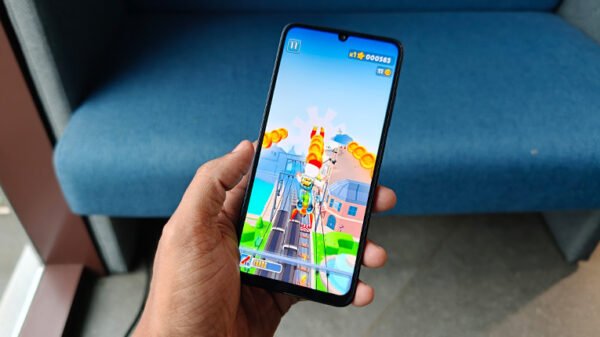
Gaming is possible, but only if you’re realistic about the phone’s capabilities. Casual titles like Subway Surfers will run but won’t give you a satisfactory experience at all, given frame-rate drops. Games like BGMI will run but the phone is not meant to play them at all. During a 30-minute BGMI session, the phone remained warm but never alarmingly hot. Frame drops were extremely noticeable during intense firefights.
Camera
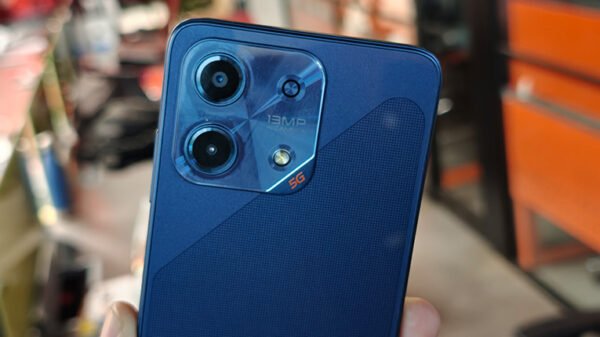
The camera setup is refreshingly simple. You get a 13MP primary rear camera accompanied by an LED flash, while selfies are handled by a 5MP front-facing shooter with screen flash support. There’s no ultra-wide or macro sensor thrown in simply for marketing purposes, and honestly, I don’t mind that approach.
In daylight, the primary camera captures pleasing images. Colours lean towards the vibrant side without looking unnatural, and details are acceptable when viewed on the phone’s display. Dynamic range, however, remains very average. Bright skies are often blown out, and shadow detail can disappear in scenes with high contrast.
Portrait mode works reasonably well with human subjects, although edge detection struggles around hair and more complex backgrounds. It’s good enough for social media, but don’t expect DSLR-like separation.
The 5MP selfie camera is adequate for video calls and occasional Instagram uploads in good lighting. Skin tones generally look natural, though facial details become noticeably softer indoors. Low-light selfies, meanwhile, are best avoided unless absolutely necessary.
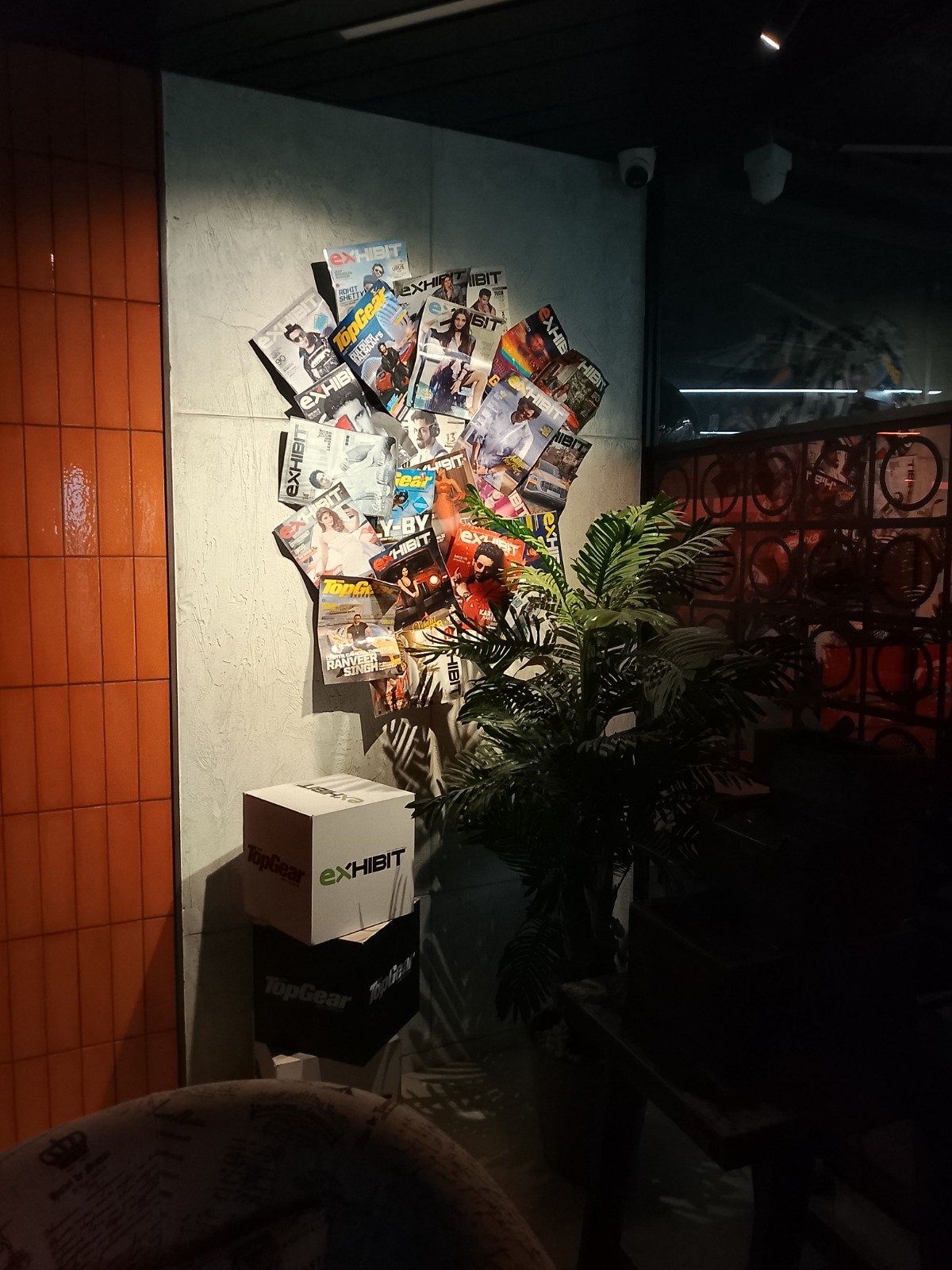
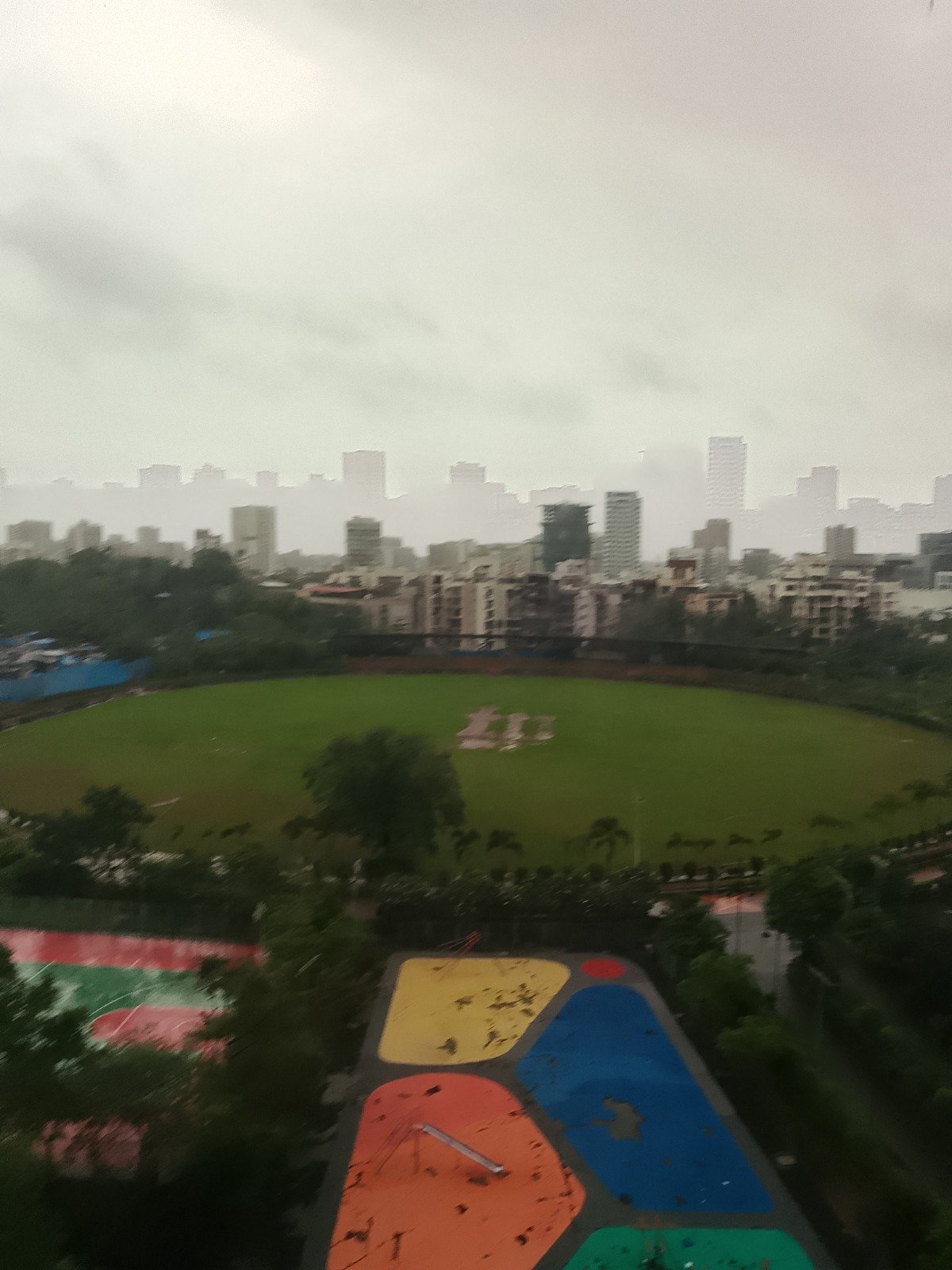


As expected in this segment, low-light photography is where the Shark 2 5G shows its limitations. Images tend to lose detail quickly, noise becomes prominent and focusing isn’t always reliable. Video recording follows a similar pattern. Clips are usable in daylight, but the absence of effective stabilisation means handheld footage often appears shaky while walking.
Battery Life
If there’s one area where the Lava Shark 2 5G genuinely punches above its weight, it’s battery life.
The phone packs a sizeable 6,000mAh battery, and paired with the HD+ display and power-efficient Unisoc chipset, it easily lasts a full day with room to spare. On most days involving WhatsApp, Google Maps, Spotify, YouTube, some photography and about an hour of gaming, I consistently ended the day with around 25 to 30 per cent battery remaining.
Even on heavier usage days, the phone comfortably crossed the day mark without inducing battery anxiety. Lighter users could realistically stretch it well into a second day before reaching for the charger.
The only downside is charging speed. Lava bundles 18W charging support, and refilling such a large battery takes close to three hours from empty. That’s noticeably slower than several competitors now offering 33W or even faster charging in the same price range. Overnight charging largely solves the problem, but if you’re someone who frequently tops up before heading out, the Shark 2 5G demands a little more patience.
1 Comment
Pingback: Lava Enters Online-first Segment with Virat Smartphones