


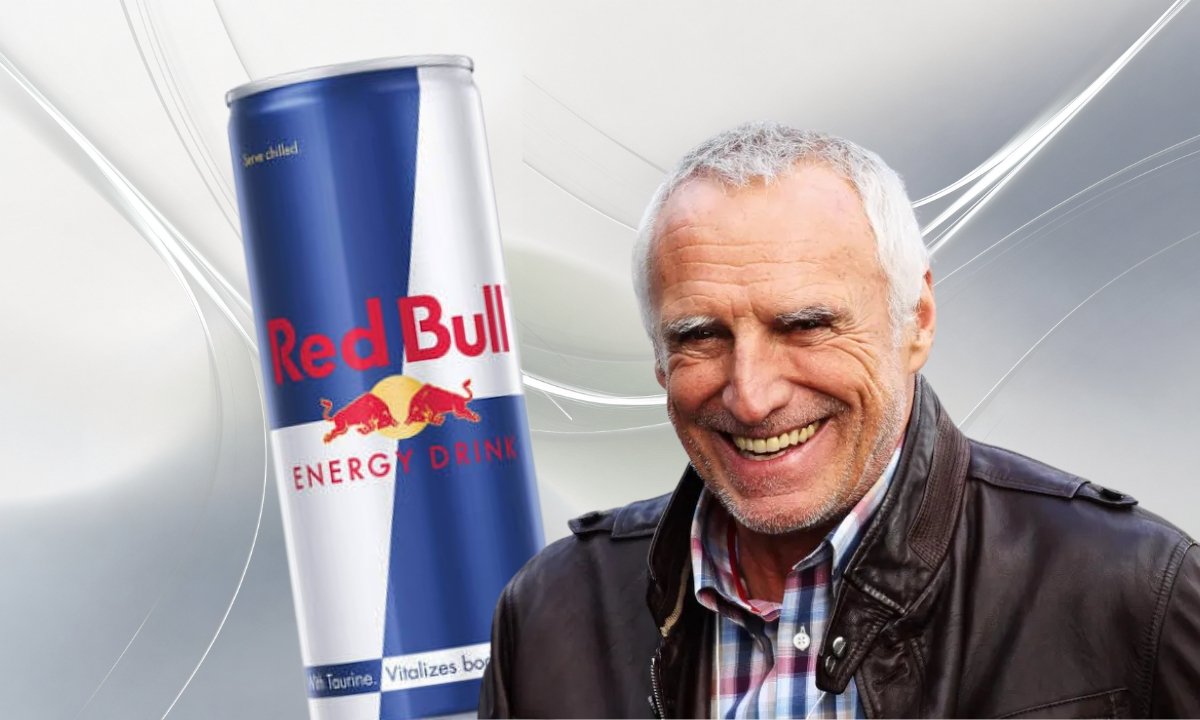
If someone asked you to name the world’s most successful energy drink, chances are you’d say Red Bull without thinking twice. Today, the brand is sold in more than 170 countries, sells over 12 billion cans annually, owns a Formula 1 team, football clubs, media companies and some of the biggest sporting events on the planet. But here’s the twist. Dietrich Mateschitz, the man who built Red Bull into a global empire, didn’t invent the drink. He simply saw what everyone else overlooked.
Born in Austria in 1944, Mateschitz wasn’t a Silicon Valley entrepreneur or a scientist chasing the next big breakthrough. He spent years working in marketing for companies like Unilever and Blendax, learning one important lesson early in his career: products can be copied, but great brands are almost impossible to replicate.
Everything changed during a business trip to Thailand in the early 1980s. While struggling with jet lag, Mateschitz was introduced to a local drink called Krating Daeng, created by Thai entrepreneur Chaleo Yoovidhya. The sweet, caffeinated beverage was popular among truck drivers and factory workers because it helped them stay awake during long shifts.
Most executives would have finished the drink and moved on. Mateschitz didn’t.
He immediately recognised that while the product already existed, there was nothing like it in Europe. More importantly, he realised the real opportunity wasn’t the formula. It was the positioning. Instead of selling an energy drink to tired workers, why not sell it as a premium lifestyle product to ambitious young professionals, athletes and adventure seekers?
In 1984, Mateschitz partnered with Chaleo Yoovidhya, with each taking a 49% stake while Chaleo’s son held the remaining 2%. Together, they modified the recipe to suit Western tastes, carbonated the drink, redesigned the packaging and gave it a new identity. Three years later, in 1987, Red Bull officially launched in Austria.
The beginning wasn’t easy. Retailers were sceptical, nutrition experts questioned the product, and many consumers had never heard of an energy drink. Instead of fighting for shelf space through traditional advertising, Mateschitz adopted an unconventional strategy.
He decided Red Bull wouldn’t just be sold. It would be experienced.
University campuses became the first battleground. Free cans were handed out during exams. Students drove around in quirky Mini Coopers carrying giant Red Bull cans on their roofs. Nightclubs, music festivals and sporting events became the company’s natural habitat. Before long, Red Bull had built something far more valuable than market share. It had built a community.
As the company grew, Mateschitz doubled down on experiential marketing. Rather than paying celebrities to endorse the drink, Red Bull invested in people chasing extraordinary dreams. It backed Formula 1 drivers, MotoGP riders, freestyle motocross athletes, surfers, snowboarders, mountain bikers, cliff divers and air race pilots. Every sponsorship reinforced one consistent message: Red Bull was for people who refused to live ordinary lives.
Then came the marketing masterstroke that changed brand history forever.
On October 14, 2012, Austrian skydiver Felix Baumgartner climbed to nearly 39 kilometres above Earth in a helium balloon before jumping back to the planet as part of the Red Bull Stratos mission. More than eight million people watched the event live on YouTube, making it one of the biggest live-streamed events in internet history at the time. It wasn’t just a scientific achievement. It was one of the greatest pieces of brand storytelling ever created.
The remarkable part? Viewers weren’t watching an advertisement. They were watching history unfold, with Red Bull naturally at the centre of it.
Today, Red Bull has evolved far beyond beverages. The company owns Red Bull Racing, one of Formula 1’s most successful teams, along with Racing Bulls in Formula 1, football clubs like RB Leipzig, Red Bull Salzburg and the New York Red Bulls, multiple media businesses, recording studios and global sporting events. It has transformed itself into a lifestyle, entertainment and sports powerhouse.
Financially, the numbers are staggering. The company generates billions of euros in annual revenue, enjoys industry-leading profit margins and has sold well over 100 billion cans since its launch. Before his passing in 2022, Dietrich Mateschitz had amassed a fortune estimated at over US$25 billion, making him one of Europe’s richest entrepreneurs. Now the family is taking forward the lagacy.
The Indisciplined Playbook
Build a Brand, Not Just a Product
Products can be copied overnight. Brands can’t. Red Bull proved that the strongest businesses are built on emotion, identity and aspiration, not just functionality.
Don’t Reinvent the Wheel. Reinvent the Market.
Mateschitz didn’t invent the energy drink. He reinvented who it was for and how it was perceived. Sometimes the biggest opportunities are hiding in products that already exist.
Turn Marketing into Entertainment
People skip advertisements, but they’ll happily watch a Formula 1 race, an air show or a man jump from the edge of space. Create experiences that people want to share, and your customers become your marketers.
Own the Ecosystem
Red Bull didn’t stop at sponsorships. It invested in Formula 1 teams, football clubs, athletes, media production and live events, ensuring the brand became part of the culture rather than simply advertising alongside it.
Consistency Creates Trust
For nearly four decades, Red Bull has communicated one message: energy, adventure and pushing boundaries. Great brands don’t chase every trend. They stay true to what they stand for.
Think Bigger Than the Product
Dietrich Mateschitz wasn’t building an energy drink company. He was building a global lifestyle brand. Entrepreneurs who think beyond today’s product often create tomorrow’s legacy.
Dietrich once said, “We are not in the business of selling beverages. We are in the business of marketing.” That philosophy transformed a little-known Thai drink into one of the world’s most valuable consumer brands. His journey is a reminder that success isn’t always about creating something new. Sometimes it’s about seeing possibilities where everyone else sees the ordinary.
Watch the YouTube Shorts version of this Indisciplined Leaders story here: https://www.youtube.com/shorts/aSOoHdO0SQA
1 Comment
Pingback: Indisciplined Leader: Vijay Shekhar Sharma - The ₹5,000 Crore Paytm Rollercoaster