


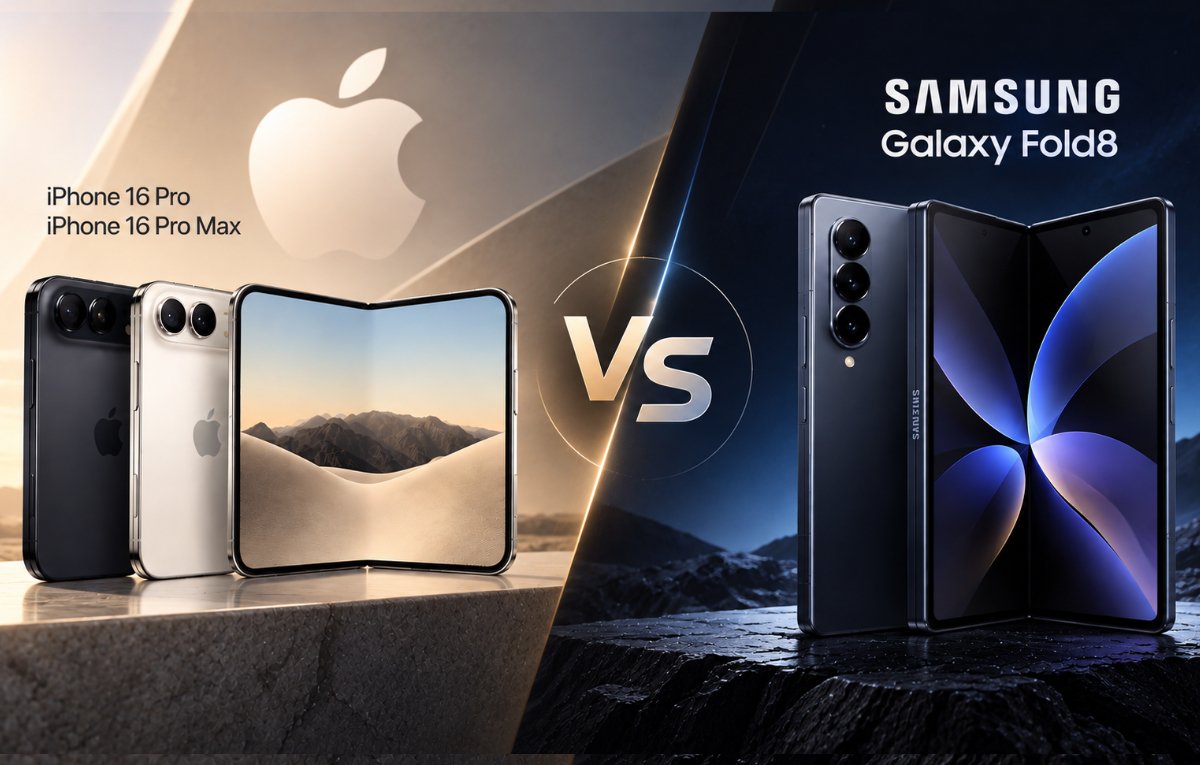
After long speculation and waiting, Apple finally entered the foldable phone market. The company revealed the iPhone Duo at this year’s event, alongside the iPhone 18 Pro and Pro Max. Samsung, meanwhile, launched the Galaxy Z Fold8 in July, along with a Fold8 Ultra and a new Flip8. Let’s see how the two foldable phones compare.
Design
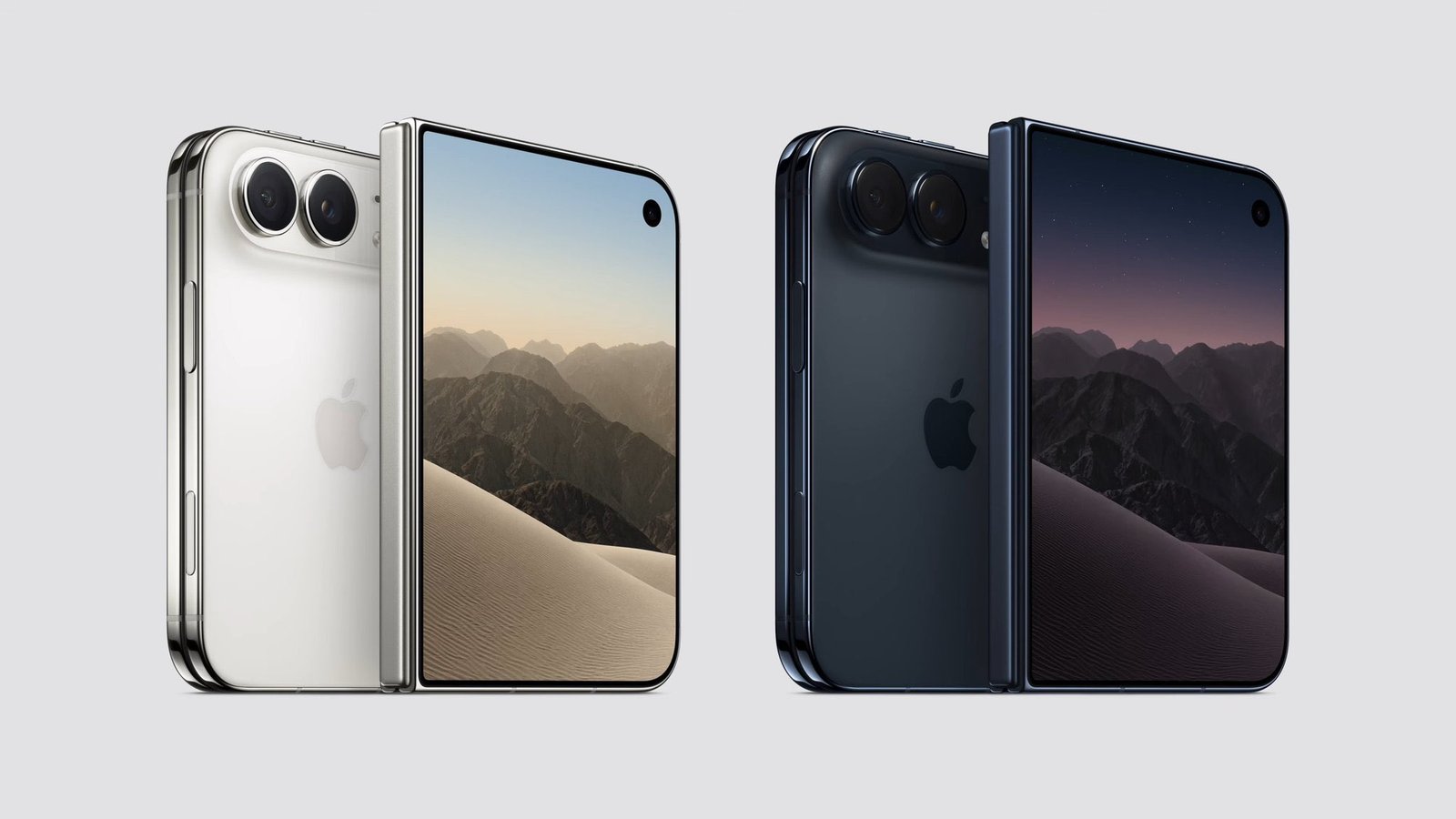
The iPhone Duo uses a titanium frame and hinge, sandwiched between Ceramic Shield glass on the back and Ceramic Shield 2 up front. It has an IP68 rating, so it’s dust-tight and can survive being submerged up to 6 meters for 30 minutes. Opened, it measures 5.2mm thick, making it the thinnest iPhone Apple has built. Folded, it’s 11.3mm thick and weighs 254g. It comes in two colours: Night Sky and Star White.
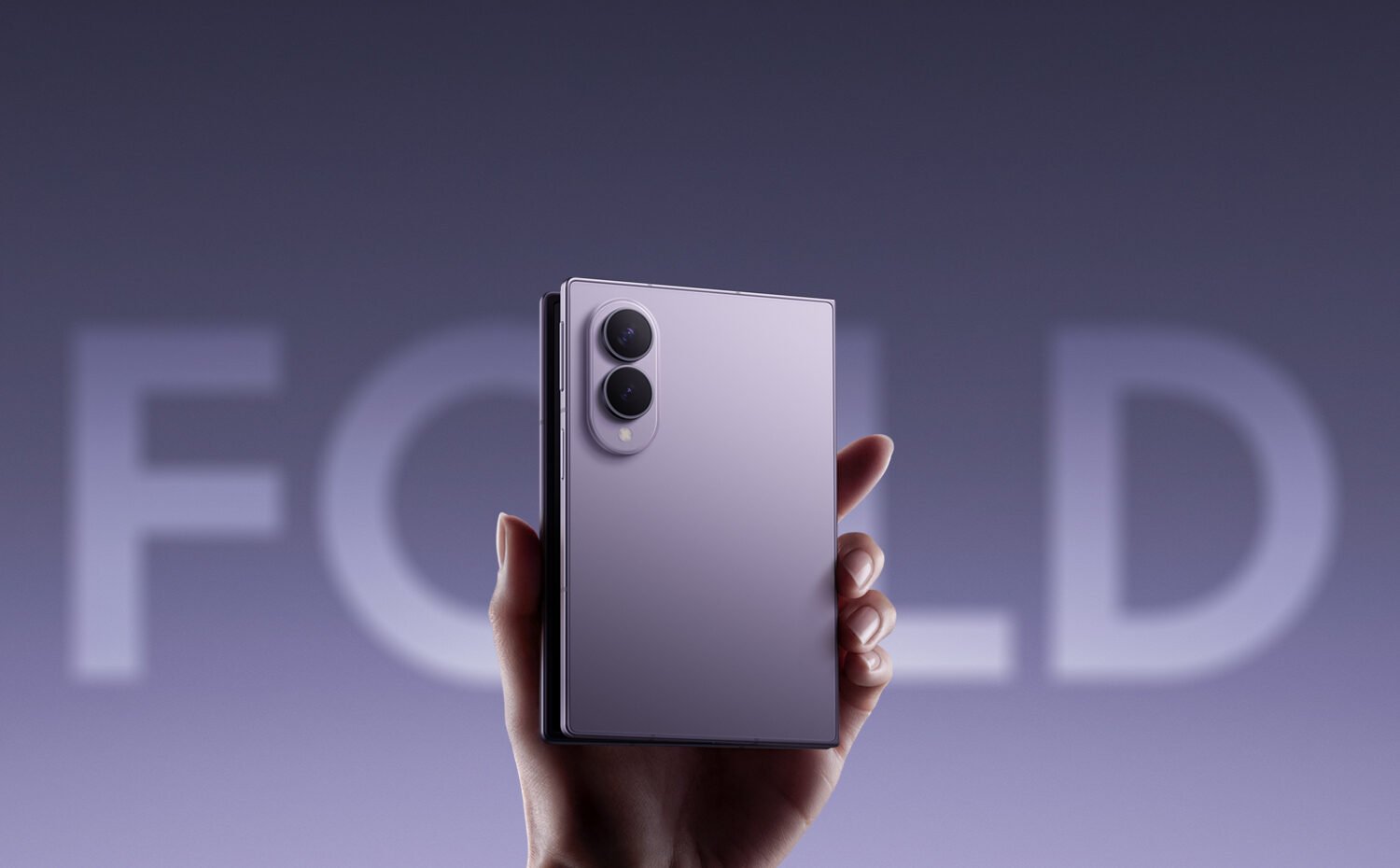
The Galaxy Z Fold8 uses an aluminium frame and Samsung’s Flex Titanium hinge. The front uses Gorilla Glass Victus Ceramic 3 when folded. Samsung rates it IP48, which covers water immersion but only blocks dust particles larger than 1mm. That’s a step down from the Duo’s full dust-tight rating. However, the Fold8 is lighter and slimmer: 201g and 4.5mm open, 9.7mm folded. It ships in four colours: Graphite, Cream, Lavender, and Pistachio, and its new wider shape is built to be more comfortable to hold while closed.
Samsung wins on weight and ergonomics. Apple wins on dust and water resistance.
Displays
Both phones have a 7.6-inch inner screen, but the similarities end there.
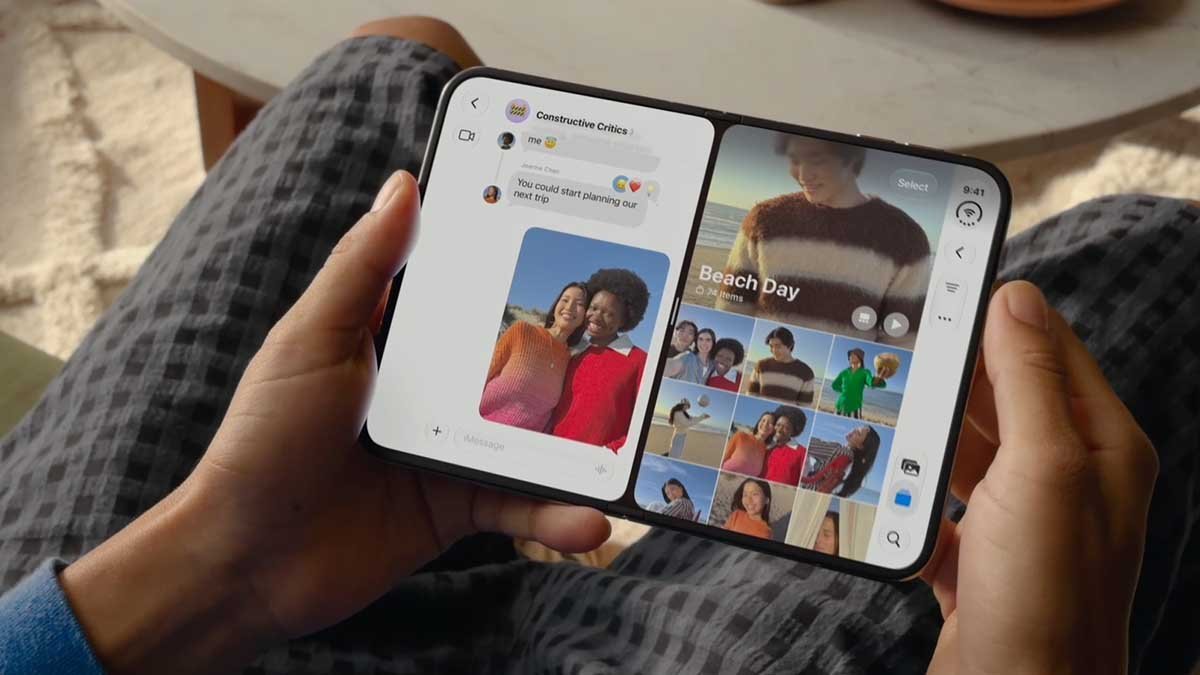
The iPhone Duo’s inner display is an LTPO Super Retina XDR OLED panel with a nano-texture matte finish to cut glare. It runs at 120Hz, supports HDR10 and Dolby Vision, and reaches 3000 nits at peak brightness, with a resolution of 1878×2670 (about 430 ppi). The outer display is 5.4 inches, using the same panel technology at 460 ppi, and it’s protected by Ceramic Shield 2. The outer and inner displays have the same aspect ratio, making the switch more seamless.
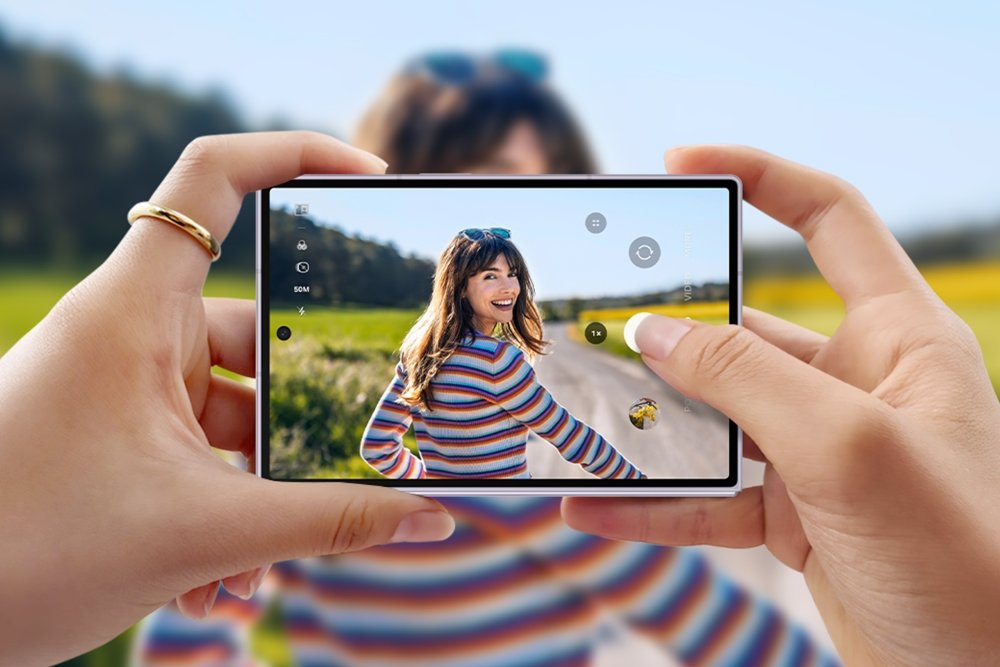
The Galaxy Z Fold8’s inner panel is a foldable Dynamic LTPO AMOLED 2X, also 120Hz and topping out at 3000 nits, but it supports HDR10+ instead of Dolby Vision. Its 2448×1848 resolution sits in a 4:3 ratio, closer to a tablet than a phone, at roughly 404 ppi. The 5.5-inch cover screen runs at 428 ppi.
GSMArena’s lab measured the Fold8’s real-world peak brightness at 1525 nits, almost half of Samsung’s 3000-nit claim. The Duo hasn’t shipped yet, so no independent brightness test exists.
Battery
Apple normally doesn’t list the battery capacity, and it hasn’t for the iPhone Duo either. PhoneArena claims a roughly 4700mAh cell, split into a dual-battery design across both halves of the hinge. Charging goes up to 50% in 20 minutes over wired USB-C, or 50% in 30 minutes over 25W wireless MagSafe/Qi2.
The Fold8 has a 4800mAh silicon-carbon cell. Samsung claims the charger hits 63% in 30 minutes over 45W wired power, plus 20W wireless and 4.5W reverse wireless charging.
Performance
The iPhone Duo runs on Apple’s A20 Pro chip, built on a 2nm process, and has new vapour-chamber cooling to manage heat inside the thin body. RAM stays the same at 12GB across every storage tier, from 256GB up to 2TB.
The Galaxy Z Fold8 runs Qualcomm’s Snapdragon 8 Elite Gen 5, built on 3nm, with an Adreno 840 GPU. It also offers 2 RAM options: 12GB on the 256GB and 512GB models, and 16GB on the 1TB tier. Benchmarks put the Fold8 at roughly 2.95 million points on AnTuTu v11 and 10,619 on Geekbench 6, ranking among the fastest Android phones.
Apple claims the new chip delivers desktop-level performance, and older iPhone 17 chip versions have already put strong pressure on the Android market.
Cameras
The Duo has a dual rear camera system: a 48MP wide lens (f/1.6) with second-generation sensor-shift OIS, plus a 48MP ultrawide (f/2.2, 120°); there’s no telephoto lens. An under-display camera on the inner screen, plus a 12MP autofocus camera on the cover. Video maxes out at 4K120 with Dolby Vision HDR, ProRes, and spatial video capture. Apple also built a few camera features specific to the folding design: Duo Preview shows subjects a live feed on the outer screen, Smart Take assists with framing, and Kid Cue turns the cover screen into a kid-friendly viewfinder.
The Fold8 also has a dual 50MP setup: a 50MP wide (f/1.8, OIS) and a 50MP ultrawide (f/1.9, 120°), with no telephoto either. Front cameras are split between a 10MP under-display camera inside and a 10MP camera on the cover. Video goes up to 8K30, doubling the Duo’s top resolution, though at a lower frame rate. Samsung’s Galaxy AI adds its own tricks, including My FanCam for automatic subject reframing in video and Photo Assist for text-prompted edits.
Price and availability
The Galaxy Z Fold8 has been on sale in India since August 2026. Samsung priced the 12GB+256GB model at ₹1,79,999, the 12GB+512GB variant at ₹1,99,999, and the 16GB+1TB model at ₹2,39,999.
Pricing for the iPhone Duo starts at ₹2,99,900 for 256GB in India, rising to ₹3,24,900 for 512GB, ₹3,74,900 for 1TB, and ₹4,49,900 for the top 2TB model. Pre-orders open in India on October 16 at 5:30 pm IST, with sales starting October 23.
At the base storage tier, the Duo costs about ₹1,19,901 more than the Fold8, a premium of roughly 67%. That gap widens across the lineup; Apple’s 512GB and 1TB models also cost much more than their relative Fold8 tiers.