



Dell has launched its new 14S laptop in India, with prices starting at ₹79,990. The device brings a lightweight aluminium design, Intel Core Series 3 processors and a choice of display configurations, positioning itself as a Windows alternative to Apple’s MacBook Neo in the increasingly competitive premium entry-level laptop segment.
But here’s the interesting bit. Dell already has a MacBook Neo challenger in its lineup in the form of the XPS 13, which has the exact same ₹79,990 price tag. So, it looks like the colourful nature of the 14S lineup is being looked at as its USP, with Dell speaking a lot about the appeal that colours have on the decisions youngsters make during the launch event.
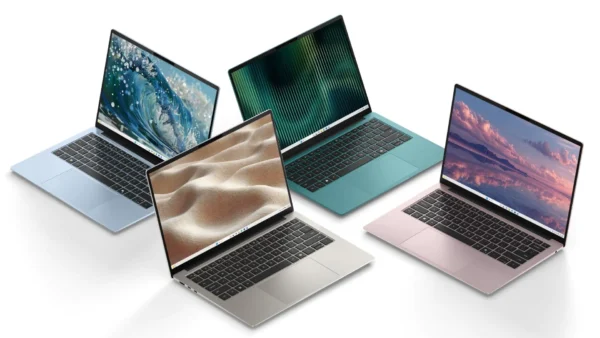
Like the XPS 13, the 14S is incredibly lightweight. It weighs 1.15kg and measures 13.5mm at its thinnest point. It is available in four colour options: Linen, Dusty Rose, Washed Denim and Velvet Green. Dell is clearly attempting to appeal to younger buyers with a design-led approach, moving away from the conventional silver and black finishes commonly associated with productivity laptops.
Also Read: Dell Pro 7 Web Cam 4K Review: Pixel Perfect
The laptop is offered with Intel Core 5 320 and Core 7 350 Series 3 processors, alongside up to 16GB of LPDDR5X RAM and 1TB of SSD storage. Display options include a 14-inch 1920 x 1200 IPS panel with a 60Hz refresh rate, and a higher-end 2880 x 1800 display offering a 120Hz refresh rate and up to 450 nits of brightness.
Dell claims the 61.2Wh battery can deliver up to 21 hours of Netflix streaming. Connectivity includes two USB-C ports, HDMI 1.4, Wi-Fi 6E and Bluetooth 5.4.

The MacBook Neo, which starts at ₹69,900, remains the more affordable entry point into Apple’s ecosystem. Dell’s advantage lies in its larger display, Windows flexibility and port selection. However, the ₹79,990 base variant’s 8GB RAM could prove restrictive, particularly since the memory is soldered.
The Dell 14S starts at ₹79,990, with higher configurations priced at ₹1,09,990 and ₹1,39,990. Its success will depend on whether buyers prioritise Windows flexibility and hardware variety over Apple’s ecosystem appeal.