

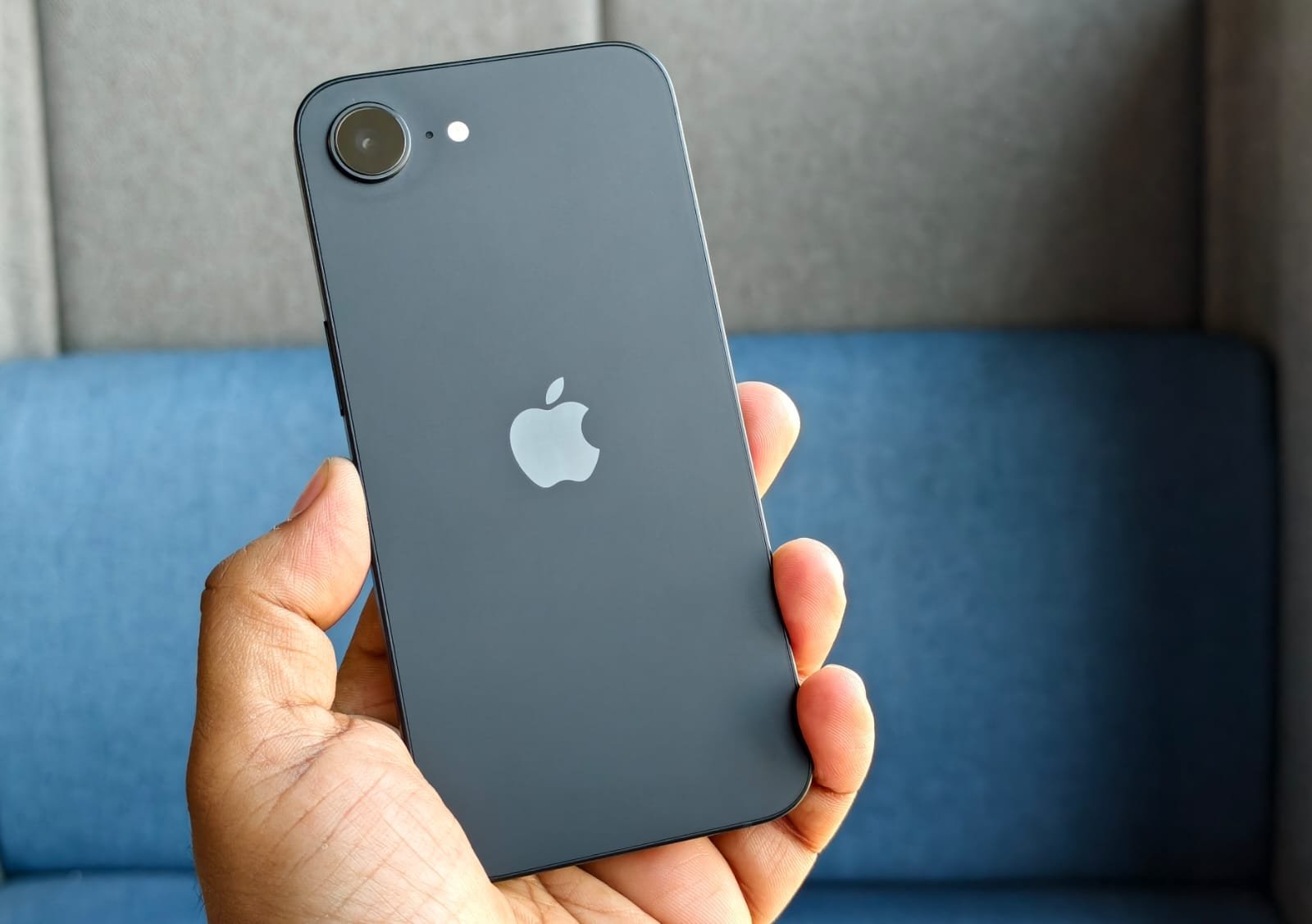
Apple’s budget offering, the iPhone 17e, has arrived, and after a week of daily use, it’s clear Apple has made some smart moves to make its budget line feel more premium, while still leaving a few compromises that remind you it’s not a flagship. It felt like it was targeted at folks upgrading from older models like the iPhone 13 or even the iPhone 16e, or a new user getting into a smartphone and wanting solid performance without dropping flagship cash.
The matte finish looks elegant without being flashy, and the build is solid. The biggest immediate win over the iPhone 16e is MagSafe finally showing up. Also, no more slow 7.5W Qi charging; now I get quick 15W wireless speeds and easy snap-on accessories like my Magsafe tripod or wallet.
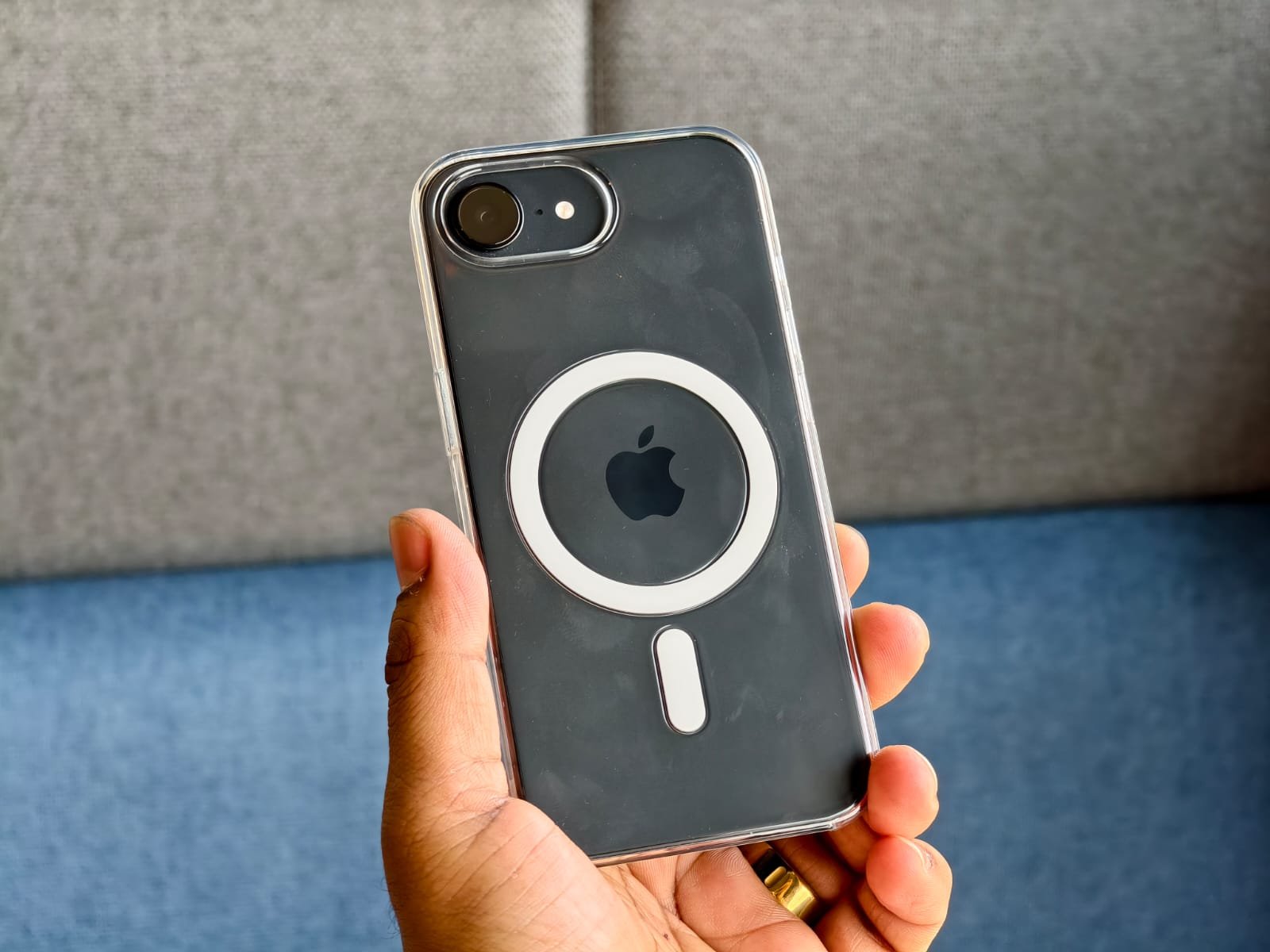
Performance is a clear step up thanks to the A19 chipset, the same one in the latest iPhone 17. Apps open lightning-fast, multitasking with Apple Intelligence features (like smarter Siri and photo editing) runs smoothly, and even light gaming feels efficient. Compared to the 16e’s A18, it’s noticeably snappier and better at power management, giving me a solid all-day battery that often stretches into the evening despite heavy use.
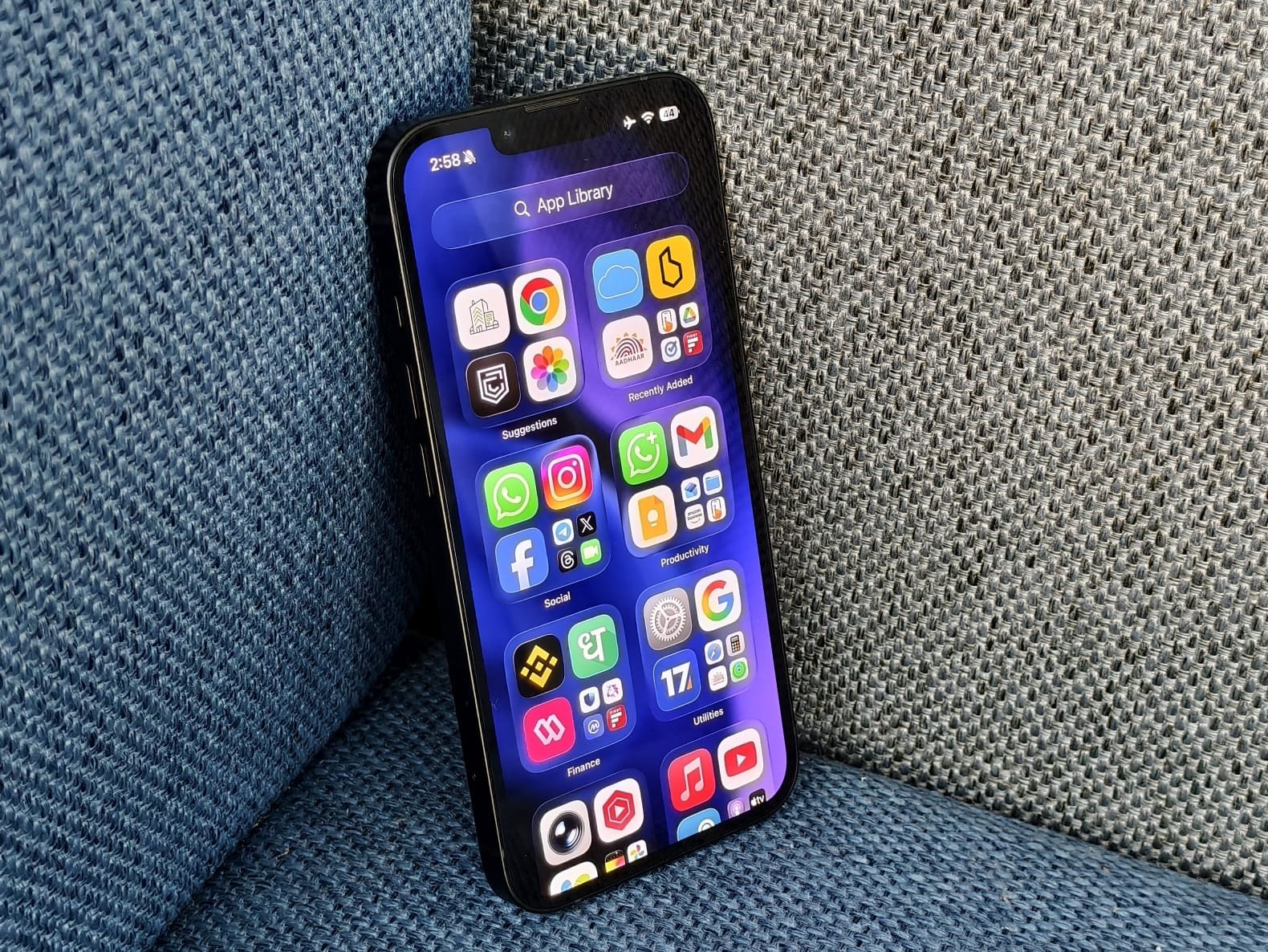
The front now features Ceramic Shield 2, which Apple claims is 3x more scratch-resistant and reduces glare. Although I didn’t attempt to scratch the surface with any hard tools, after using the device for a week without a screen protector, I haven’t noticed any scratches on the display. This has given me more confidence to use it without a screen guard. In bright outdoor light on my balcony or during walks, the 6.1-inch Super Retina XDR screen looks crisper and less reflective, definitely an improvement. Increasing the base storage to 256GB from 128GB on the 16e at the same price is a significant practical benefit; I no longer need to delete photos or apps constantly.
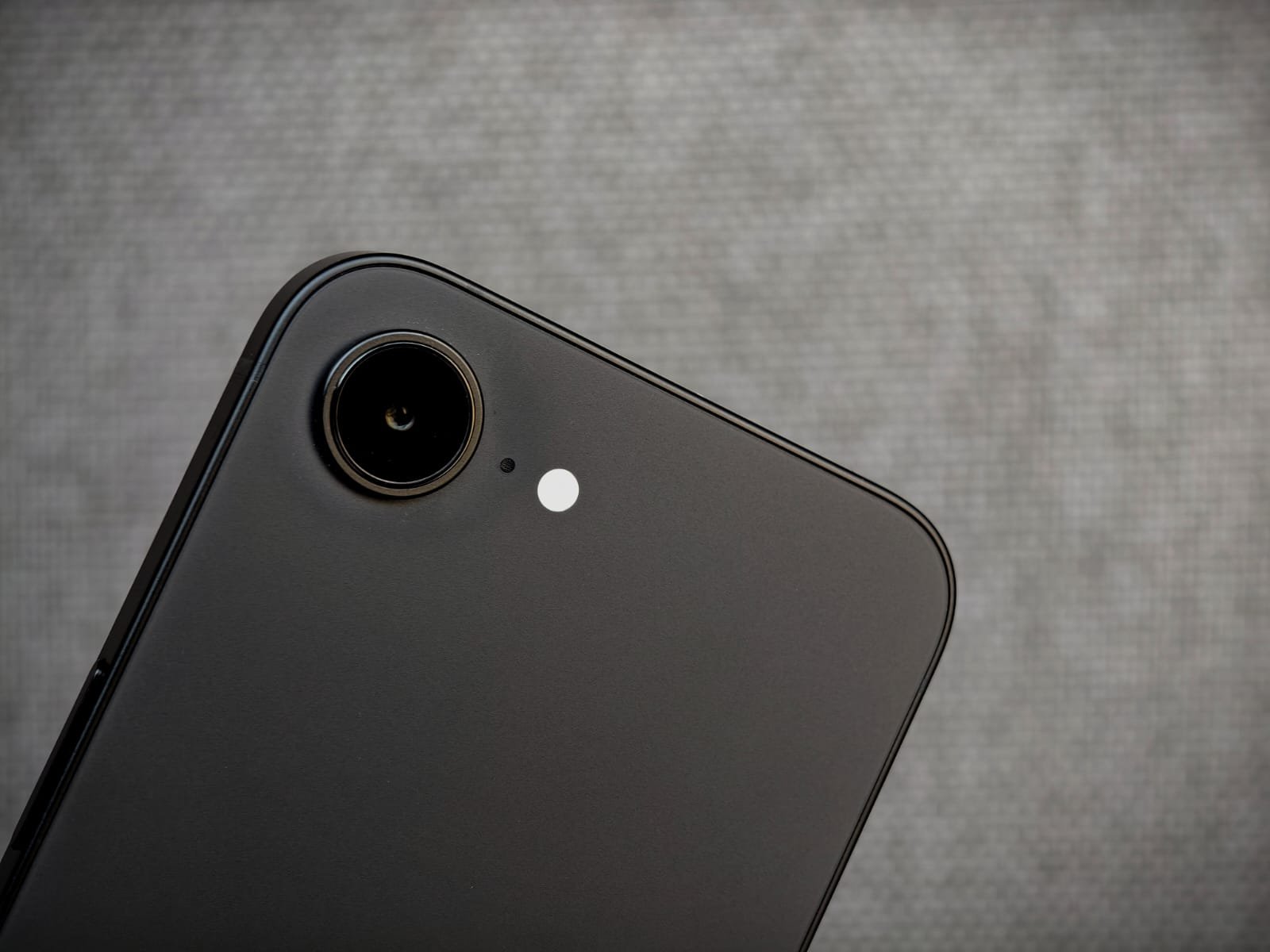
The 48MP Fusion camera is reliable for everyday shots, delivers good detail in portraits, offers solid low-light performance, and has an optical-quality 2x zoom that works well without a dedicated telephoto lens. Colours pop naturally, and 4K video is smooth.
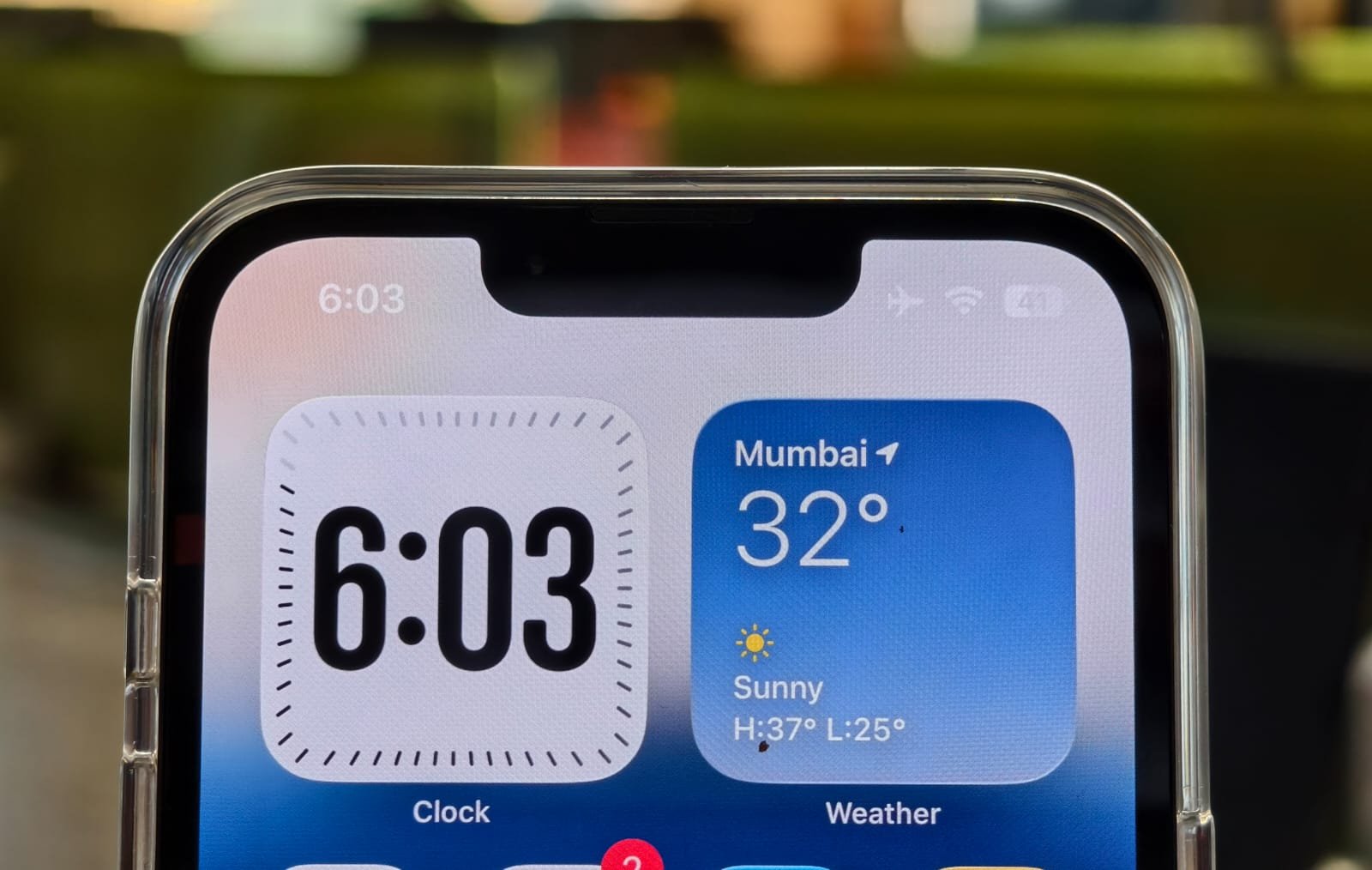
That said, not everything is flawless. The display is still locked at 60Hz, with no ProMotion 120Hz smoothness like on the iPhone 17, so scrolling and animations feel less fluid than on pricier siblings. The notch (no Dynamic Island) looks dated in 2026, especially when friends flash their newer models. The single rear lens means no ultra-wide for landscapes or group shots, which I miss occasionally on trips. It’s also a tad heavier than the 16e due to the upgrades, though not dramatically.
After heavy use for street photography, social media browsing, AI tools, and countless calls, the iPhone 17e offers an excellent balance of power, durability, and modern features, suitable for most users. If you don’t require additional cameras, a smoother display, or Dynamic Island, this model is arguably the best budget upgrade Apple has introduced. If you’re currently using an iPhone 13 and considering an upgrade, go for it. If you’re coming from an iPhone 16e, the improvements in MagSafe, chip performance, storage, and durability are worthwhile, but keep in mind that the 60Hz screen might feel like a downgrade if smoothness is a priority for you. Overall, I consider it a great option, especially if it were priced around ₹50,000.