

Verdict
The OnePlus Nord CE 6 is a slightly confusing phone initially, mainly because of its aggressive price increase over the Nord CE 5. But once you spend time with it, the upgrades do begin to justify that jump to some extent. The combination of IP68/IP69K durability, MIL-STD certification, a gigantic 8000mAh battery, a gorgeous 144Hz AMOLED display, solid gaming performance, and polished software experience makes this a genuinely well-rounded smartphone. At the same time, the camera system feels underwhelming for the price, especially with the absence of an ultra-wide sensor and the reduced software support compared to its predecessor. Still, if your priorities revolve around battery life, durability, gaming, multimedia consumption, and day-to-day smoothness, the Nord CE 6 delivers strongly in all those areas. It may not be the most exciting camera phone in its category, but it succeeds at being a dependable, modern mid-range smartphone that feels built for long-term daily use.
The Good
- Excellent battery life
- Durable build quality
- Smooth AMOLED display
- Reliable gaming performance
The Bad
- No ultra-wide camera
- Weak low-light shots
- Limited software support
-
Design
-
Display
-
Sound
-
Camera
-
Performance
-
Battery life
-
Software
The OnePlus Nord CE series has traditionally been about offering a balanced smartphone experience without aggressively stretching your wallet. But this year, the OnePlus Nord CE 6 arrives with a noticeable shift in positioning. It’s roughly ₹5,000 pricier than its predecessor, the Nord CE 5, and in a market as price-sensitive as India, that’s not a small jump.
Most certainly, the ongoing rise in global memory and component prices is partly to blame. The smartphone industry itself is going through a structural cost reset. Fortunately, OnePlus hasn’t increased the price without adding anything in return. On paper, the Nord CE 6 does bring several meaningful upgrades, including a gigantic 8,000mAh battery, stronger durability credentials, a higher refresh-rate display, and a newer gaming-focused chipset.
But specs sheets only tell half the story. Let’s look at what the OnePlus Nord CE 6 actually brings to the table in daily use.
Design
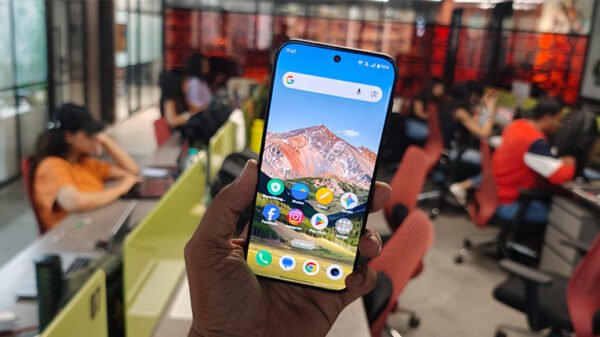
OnePlus has significantly upgraded the durability aspect of the Nord CE 6, and honestly, this is one of the phone’s biggest highlights. The device now comes with IP68 and IP69K certification, a massive leap over the IP65 protection found on the Nord CE 5. That alone makes the CE 6 feel far more future-proof and confidence-inspiring.
It also carries MIL-STD-810H certification. Now, while I obviously couldn’t test it in extreme military-grade environments, it’s reassuring to know the phone is built to withstand harsher conditions than your average mid-range device. OnePlus even claims the CE 6 can survive an entire washing-machine cycle. For users working in dusty sites, industrial environments, or generally rough conditions, this added toughness genuinely matters, especially if you’re someone who still refuses to use a phone case.
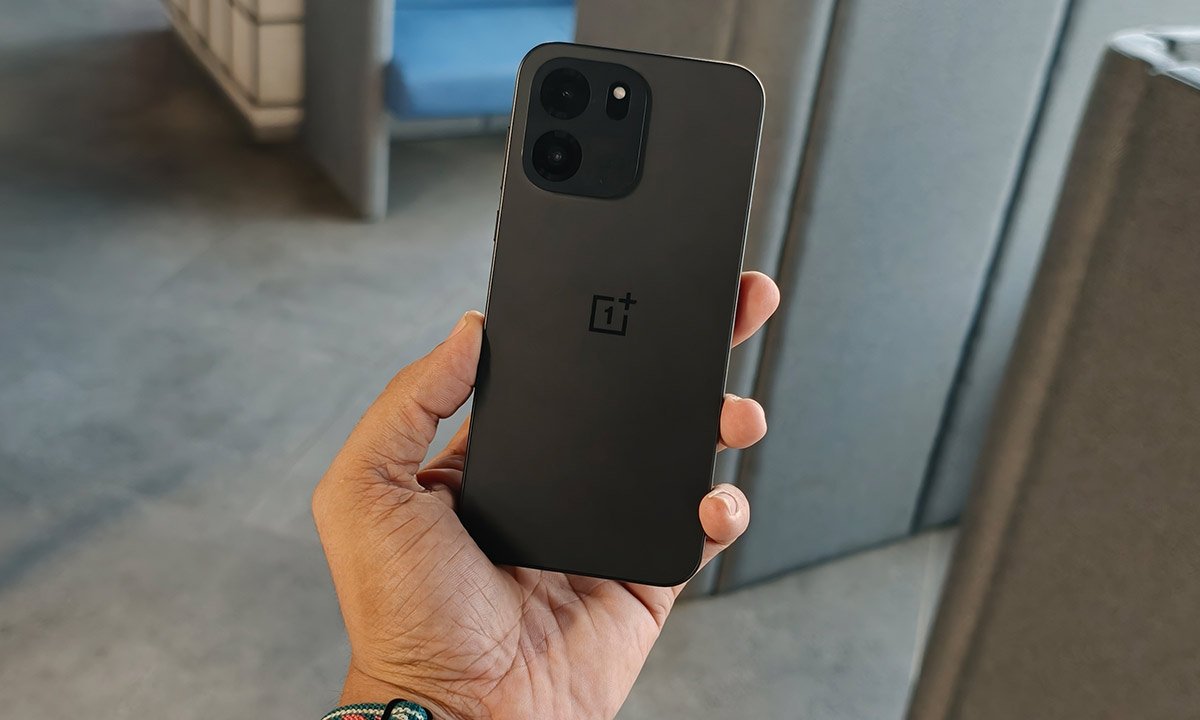
Aesthetically, the phone feels very much in line with modern OnePlus flagships. The Pitch Black variant I had featured a matte rear finish that felt particularly pleasant in hand and resisted fingerprints quite well. Despite packing a substantially larger 8,000mAh battery compared to its predecessor, the phone maintains a thickness of just 8.5mm, which is commendable. It never felt overly bulky or uncomfortable during long usage sessions.
One thing missing here is the Plus Key that OnePlus has been introducing on its newer premium devices. That means some of the AI shortcuts and contextual features tied to it are absent on the Nord CE 6. Personally, I didn’t miss it much, but users invested in OnePlus’ expanding AI ecosystem might feel slightly disappointed.
Display & Sound
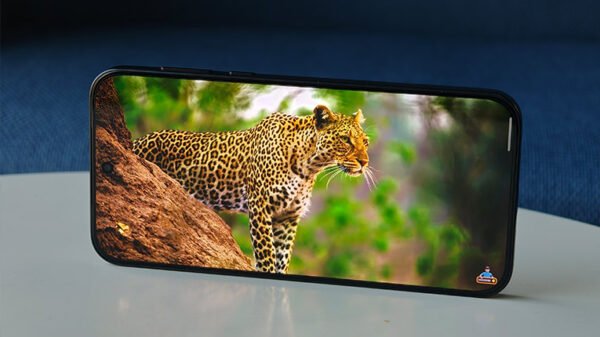
The Nord CE 6 gets a 6.7-inch AMOLED display with a 1,272 x 2,772 resolution, which is noticeably sharper than its predecessor. More importantly, OnePlus has upgraded the refresh rate from 120Hz to 144Hz, making the interface feel exceptionally fluid.
And yes, while 144Hz on a mid-range phone may sound excessive on paper, it genuinely contributes to the phone’s smooth feel during gaming, scrolling, and animations. Combined with OxygenOS’ already polished transitions, the overall visual experience feels flagship-adjacent far more often than expected.
Typical brightness is rated at 800 nits, while peak brightness reaches 3600 nits. Outdoors, visibility remained strong even under Mumbai sunlight, but it’s during HDR content playback where this panel truly shines.
I thoroughly enjoyed watching Prime Video content on this display. I ended up bingeing three episodes of Matka King, and the richly recreated 1970s Bombay visuals looked stunning here. The HDR implementation delivered vibrant highlights and deep contrast levels that made the cityscapes, neon lights, and smoky interiors look especially immersive.
The stereo speakers also deserve praise. Like many mid-range phones these days, they come with a 300% Ultra Volume mode. Predictably, pushing them to those extreme levels introduces some harshness, but most users won’t actually use them at maximum output anyway. At regular listening levels, the speakers sound crisp, balanced, and surprisingly clean. Dialogue clarity remains excellent, and higher frequencies avoid sounding shrill even during extended listening sessions.
Camera
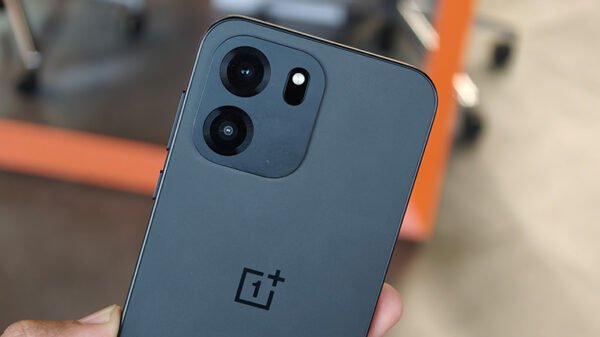
The Nord CE 6 features a 50MP primary camera with OIS support and in-sensor 2x zoom capabilities. Alongside it sits a secondary 2MP depth sensor used primarily for portrait-mode bokeh effects. And honestly, it feels slightly strange using a smartphone in 2026 that doesn’t offer an ultra-wide camera.
The primary camera delivers decent results in good lighting conditions, but the experience never feels particularly standout. Images generally have acceptable dynamic range, and the phone does a respectable job of recovering darker parts of scenes without aggressively blowing out highlights. However, detail and sharpness could definitely have been better, especially in low-light conditions where noise becomes quite noticeable and image processing tends to smooth out edges.
The smaller main camera sensor compared to the Nord CE 5 is also somewhat disappointing considering the price hike this generation brings.







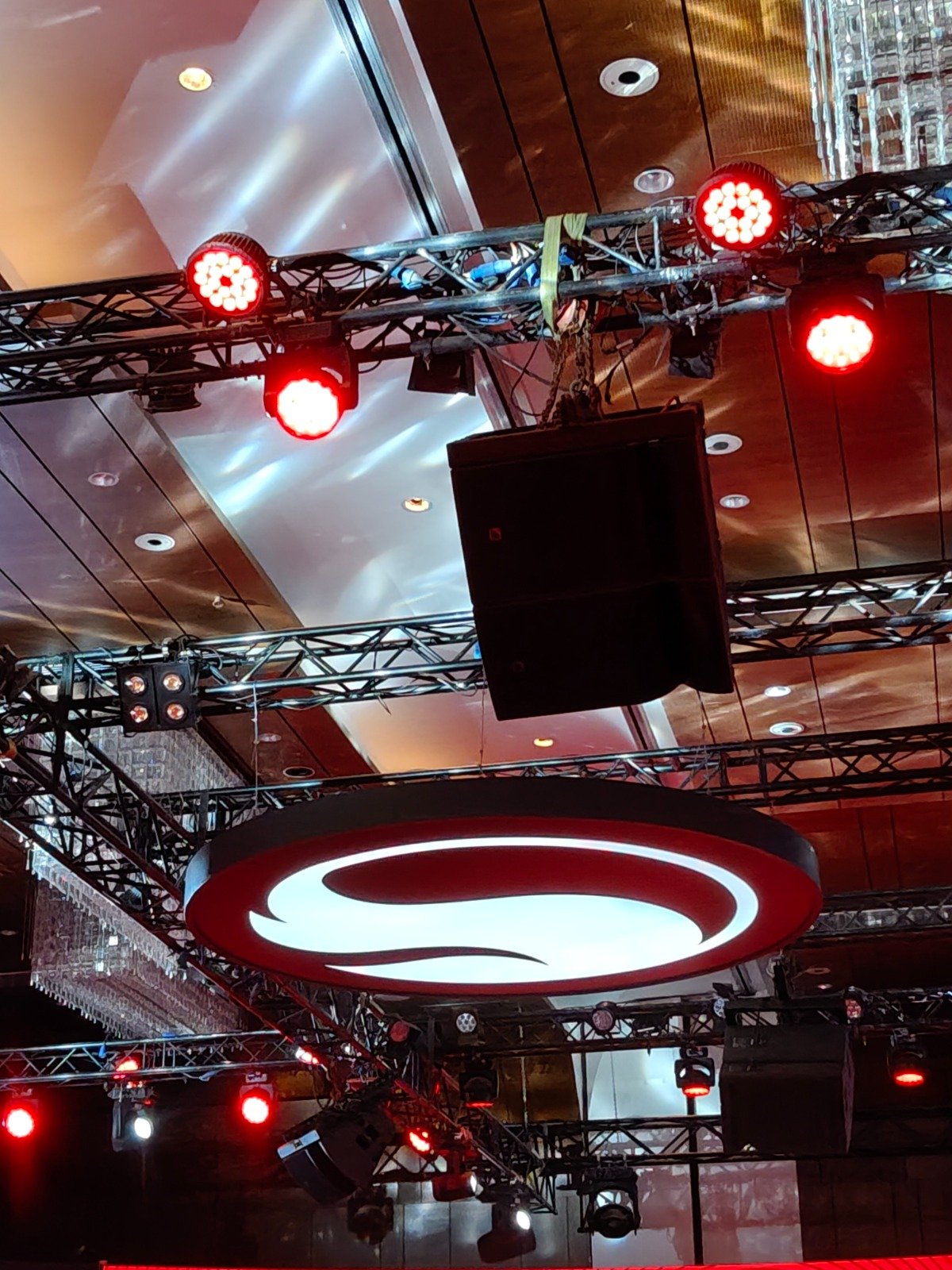
Fortunately, the new 32MP selfie camera performs well. Selfies looked sharp and natural with good skin-tone handling, and the field of view is wide enough to comfortably fit multiple people into the frame. Social-media-ready results are easy to get here.
Video recording is another positive. Both the front and rear cameras support 4K recording, which is excellent news for amateur creators and vloggers looking for flexibility without carrying additional gear.
Overall, the cameras are usable and reliable enough for everyday use, but they don’t really stand out in an increasingly competitive segment.
Performance
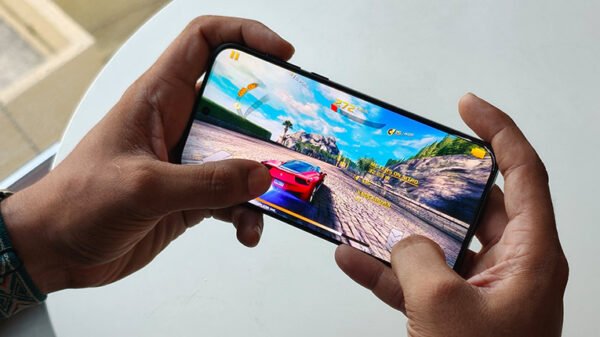
OnePlus is clearly targeting gamers with the Nord CE 6, and that’s evident from its adoption of the Snapdragon 7s Gen 4 chipset. The processor brings newer Cortex-A720 cores, improved AI/NPU performance, and noticeably better gaming efficiency.
In real-world usage, the Nord CE 6 delivered a consistently smooth experience. Apps opened quickly, multitasking felt effortless, and switching between several applications showed no signs of slowdown or stutter. For casual and medium-heavy users, this phone is more than capable.
Gaming performance is particularly impressive for the segment. Titles like BGMI and Call of Duty Mobile ran smoothly with stable frame rates, and the device stayed reasonably controlled thermally during extended sessions.
OnePlus has also included a Touch Reflex chip that enables an instant touch sampling rate of up to 3200Hz. In practical usage, touch responsiveness felt extremely quick during competitive gaming sessions, especially in fast-paced shooters where immediate input registration genuinely matters.
Combined with the 144Hz display, the Nord CE 6 ends up feeling more gaming-focused than most CE-series phones before it.
Battery Life
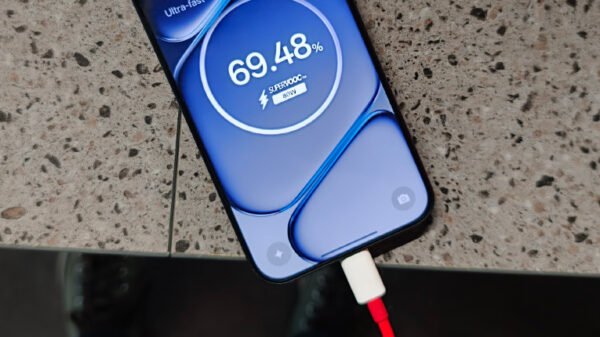
Battery life is easily one of the Nord CE 6’s strongest highlights. Backed by a massive 8000mAh battery, the phone delivers endurance levels that genuinely reduce battery anxiety in daily life.
During my daily use, the device comfortably crossed 6.5 hours of screen-on time across a 24-hours. Most of my usage involved WhatsApp chats, endless Instagram scrolling, checking live cricket scores throughout the day, and occasional light gaming sessions. Even after all that, the phone still had around 25% battery remaining by the end of the day, which realistically could’ve stretched into another half day of moderate usage.
Software
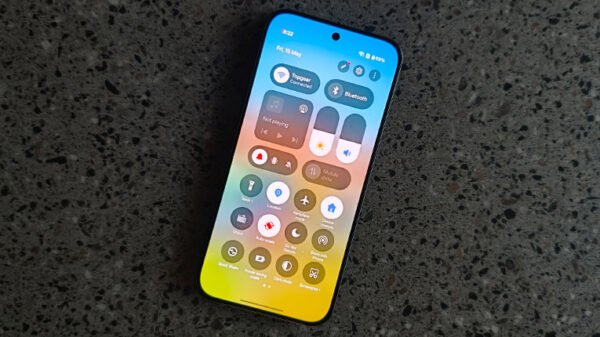
Like all recent OnePlus phones starting with the OnePlus 15 series, the Nord CE 6 runs Android 16-based OxygenOS 16.
As someone who regularly uses OxygenOS 16, I immediately felt comfortable here. The UI continues to prioritize smooth animations, fluidity, and customization while steadily integrating more AI-driven features into everyday workflows.
But here’s a feature I wish Oxygen OS just completely rips out of its future versions. When sharing photos or videos, the apps you’re sharing to open in windowed mode by default. I’ve spent ample times in the Settings menu trying to shut this feature off, but have almost never fully succeeded. OnePlus, if you’re listening to this, it’s the most annoying Android feature I’ve seen and it needs to be annihilated completely.
As for AI features, the Nord CE 6 comes loaded with them. The Photos app includes tools like AI Reflection Eraser, AI Portrait Glow, AI Eraser, and AI Detail Boost, while the Notes app gets AI Writing tools as well. Most of these features have already appeared on previous OnePlus devices, but it’s good to see them trickle down into the CE lineup.
The slightly disappointing part is software longevity. The Nord CE 6 is promised two OS upgrades and four years of security updates, whereas the Nord CE 5 surprisingly offered four OS upgrades and six years of security patches. That gives the older device a clear edge in long-term software support.