


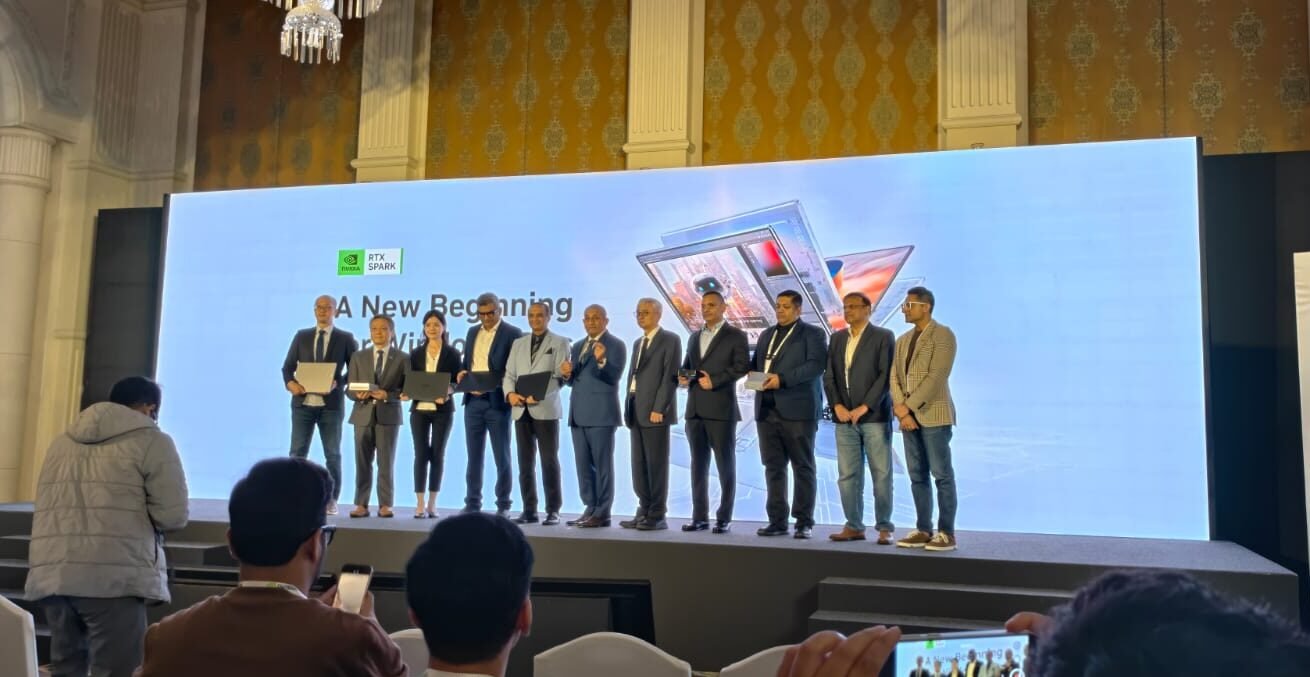
NVIDIA recently hosted the RTX Spark Experience, bringing together major manufacturers such as ASUS, Dell, HP, Lenovo, and MSI to highlight their latest NVIDIA RTX Spark laptops and compact desktops. I had the chance to witness and test all the devices. These devices integrate an NVIDIA Blackwell RTX GPU and an NVIDIA Grace CPU, offering up to 128GB of unified memory and up to 1 petaflop of FP4 AI performance. This combination aims to boost local AI capabilities, accelerate creative workflows, and deliver a robust gaming experience in a single portable device.
During the event, various partners showcased systems built around the RTX Spark platform, with specifications and pricing differing across manufacturers and models. Attendees, including media professionals, creators, and developers, engaged directly with the laptops to appreciate the benefits of local AI in their workflows. Highlights included demonstrations of AI agents editing footage in DaVinci Resolve and NVIDIA Broadcast evolving from a streaming application to a comprehensive, AI-driven media processing platform. Additionally, developers tested multiple RTX Spark laptops running Unreal Engine 5, showcasing the advantages of unified memory and the RTX Stack for a seamless development experience.
The RTX Spark initiative marks a major step forward for portable Windows PCs. At its core is a superchip that combines an NVIDIA Blackwell RTX GPU and an NVIDIA Grace CPU, with shared memory that lets demanding creative tasks and local AI models run concurrently and efficiently. MediaTek collaborated with NVIDIA on the custom CPU design to improve power efficiency, performance, and connectivity.
The RTX Spark platform incorporates NVIDIA’s extensive platform innovations, including CUDA, DLSS, OptiX, Reflex, G-SYNC, TensorRT, and hardware-accelerated video, in a lightweight, portable design. Users can expect slim, efficient systems with all-day battery life that allow for creativity, development, and gaming on the go.
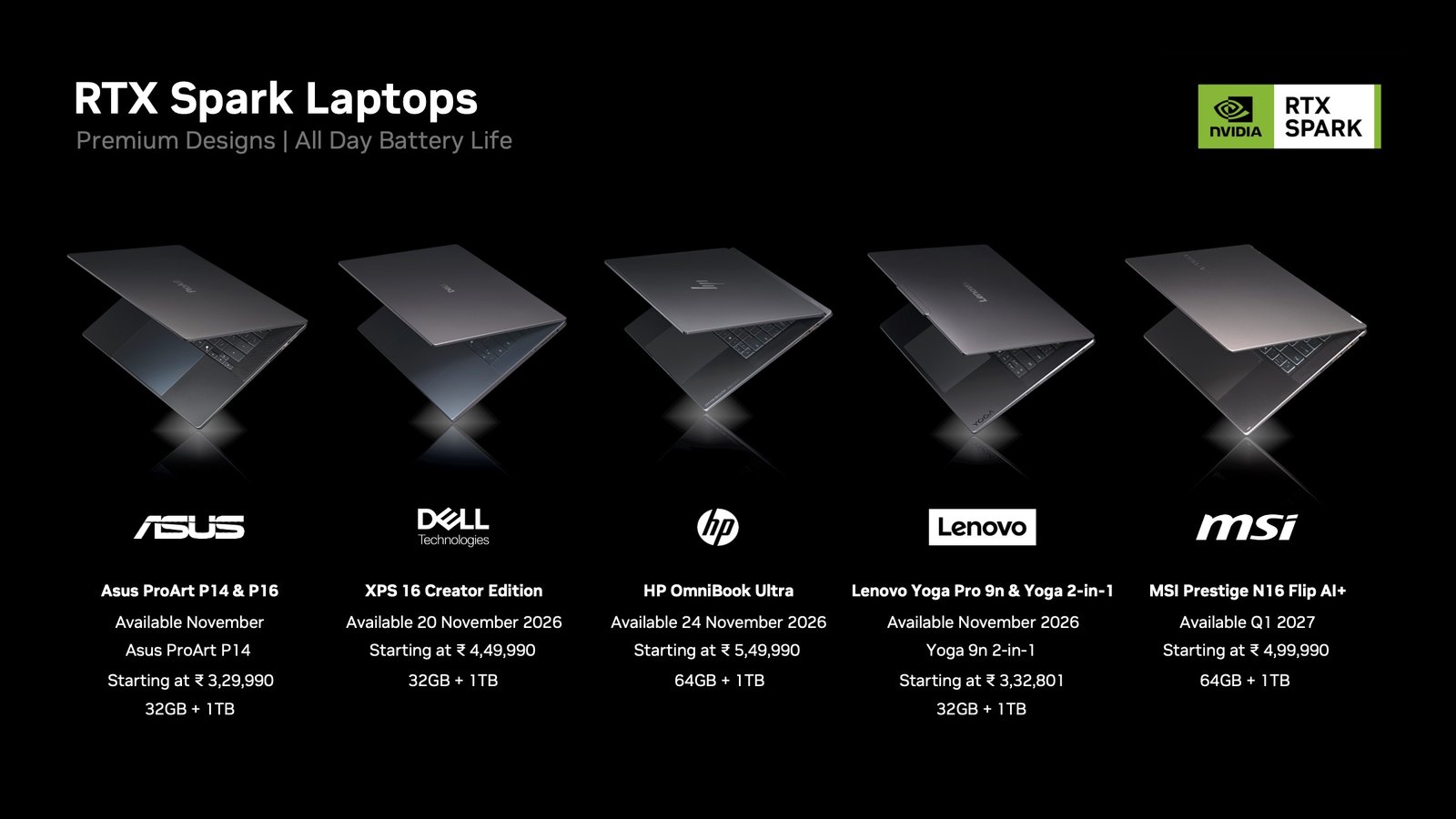
NVIDIA highlights that RTX Spark technology helps transform personal computers into valuable collaborators through local AI agents capable of performing tasks, generating assets, and writing code. Arnold Su, Vice President of Consumer and Gaming Business at ASUS India, noted, “The next era of personal computing will be defined by the synergy of performance, local Agentic AI, and portability.” The partnership between ASUS and NVIDIA was highlighted as a key driver of this shift, with ASUS’s new ProArt series designed to leverage these capabilities for creators and developers.
Also read: Google Fitbit Air Review: The Anti-Smartwatch
Users can quickly deploy AI agents with straightforward setup, integrating tools like GitHub Copilot, Hermes, OpenClaw, Perplexity, Pi, and WorkBuddy without requiring advanced technical expertise.
NVIDIA also introduced supporting models like the Nemotron 3.5 Bolt 74B-A9B 24GB, designed for optimal local AI performance in RTX Spark configurations.
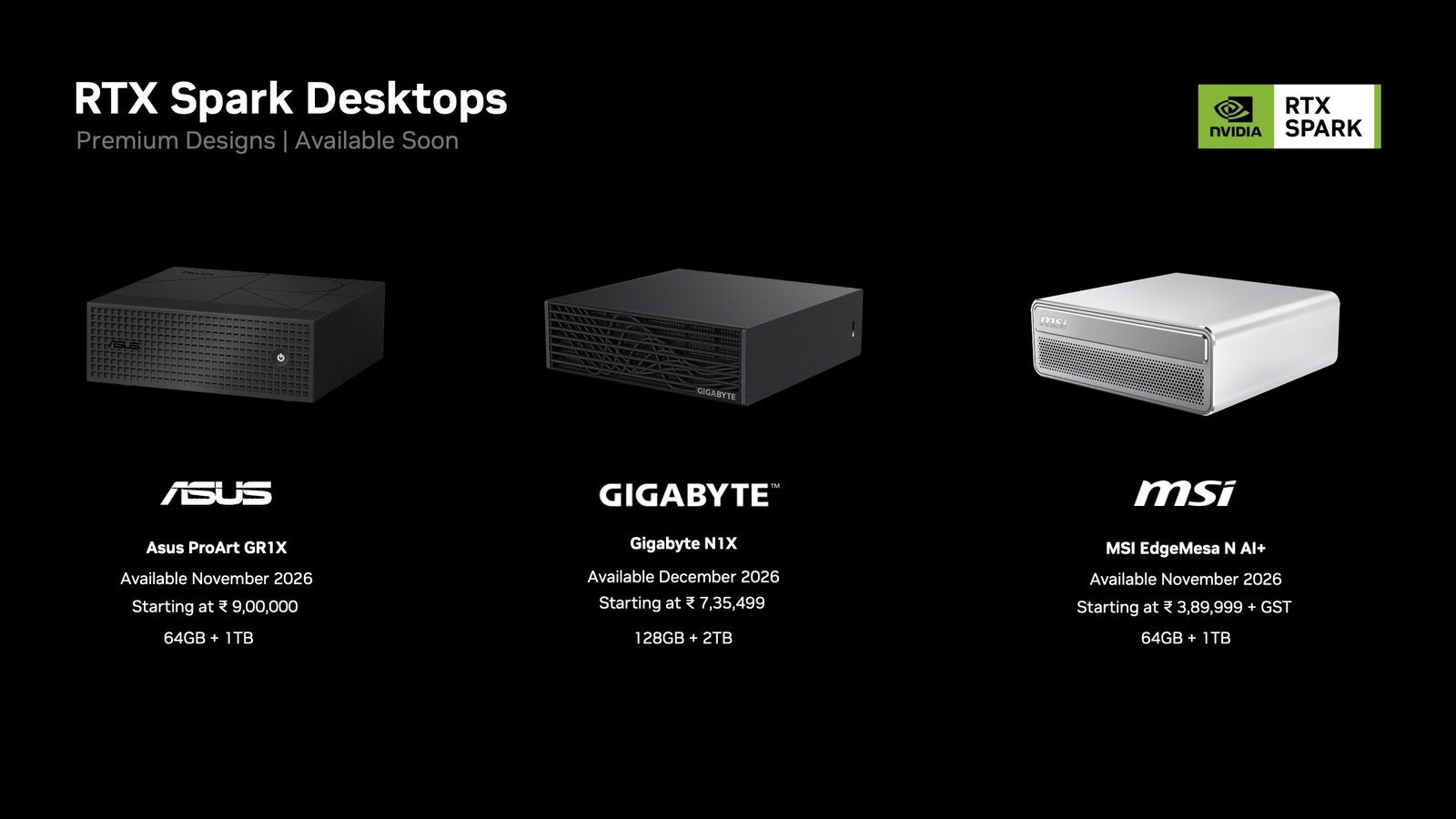
Raj Kumar Rishi, Vice President and General Manager of Consumer Business for Dell Technologies in Asia Pacific and Japan, highlighted the new XPS 16 Creator Edition, which integrates the NVIDIA RTX Spark superchip and is tailored for AI developers and creators. The laptop features high-end specs, including a premium design and an advanced display for accurate colour representation, catering to demanding AI, creative, and gaming applications.
With features like the NVIDIA OpenShell secure runtime and Microsoft Execution Containers, users can manage agent permissions efficiently. In contrast, NVIDIA agent skills enable compatibility with tools like NVIDIA Broadcast, RTX Remix, and Omniverse libraries to further streamline workflows.
Users will also benefit from NVIDIA PAIR, which lets RTX Spark serve AI inference across compatible Windows, Linux, and macOS devices on a home network without compromising performance on other PCs.