

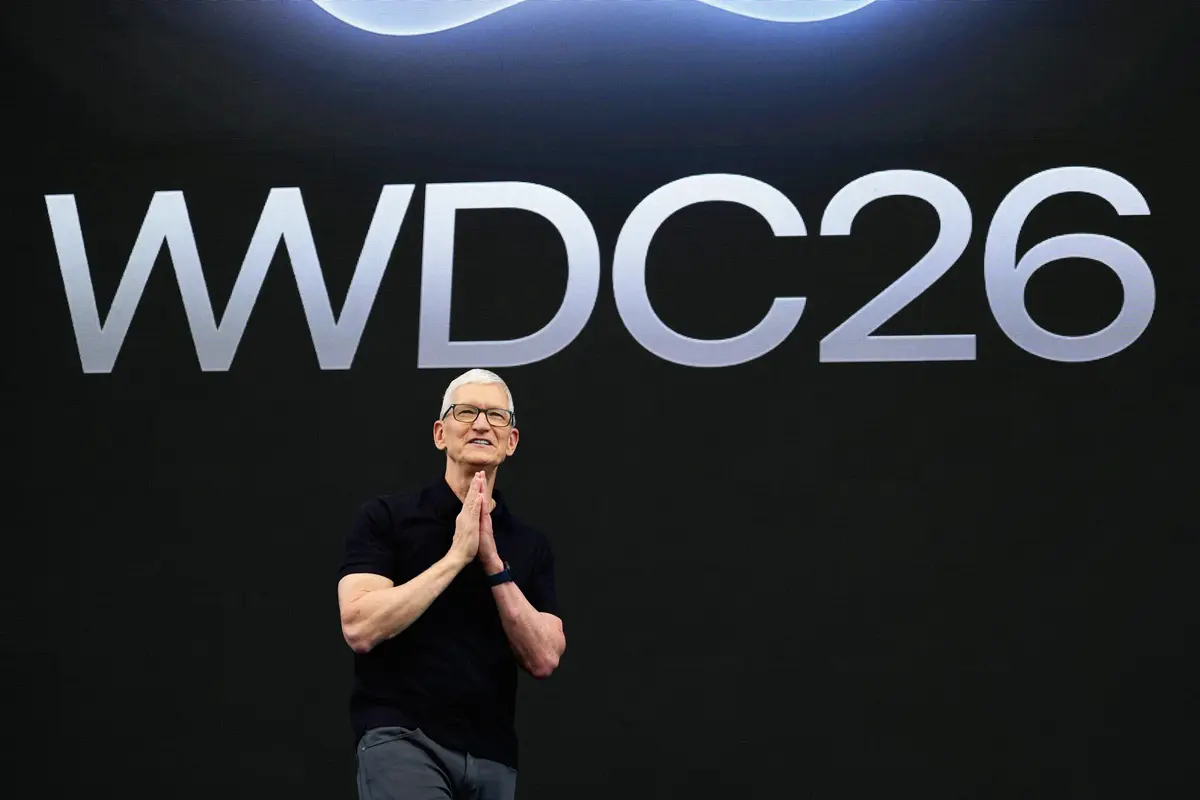
Apple’s Worldwide Developers Conference (WWDC) 2026’s first day just ended with its traditional keynote, delivering a software-focused event centered on three pillars: platform improvements, trust and safety enhancements, and a substantial advancement in Apple Intelligence and Siri. This year’s announcements mark a major push to make Apple’s ecosystem more intelligent, personal, and secure, with developer betas available immediately and public releases expected in the fall(September).
The Star of the Show: A Revamped Siri AI
The biggest headline is the overhaul of Siri, now often called Siri AI. After years of anticipation and delays, Apple has rebuilt the assistant with a new architecture powered by Apple Foundation Models, integrated with Google’s Gemini for enhanced conversational abilities, contextual awareness, and multi-step task handling.
Key improvements include:
- More natural, back-and-forth conversations similar to modern chatbots like ChatGPT.
- On-screen awareness and deeper app integration, allowing Siri to understand and act on what’s displayed or on personal context from your device.
- A standalone Siri app on some platforms.
- Broader availability across iPhone, iPad, Mac, and other devices.
This integration represents Apple’s hybrid approach: on-device privacy where possible, combined with cloud partnerships for advanced capabilities. Apple Intelligence features expand with better photo editing, visual intelligence, and productivity tools.
Platform Updates: iOS 27, macOS 27 Golden Gate, and More
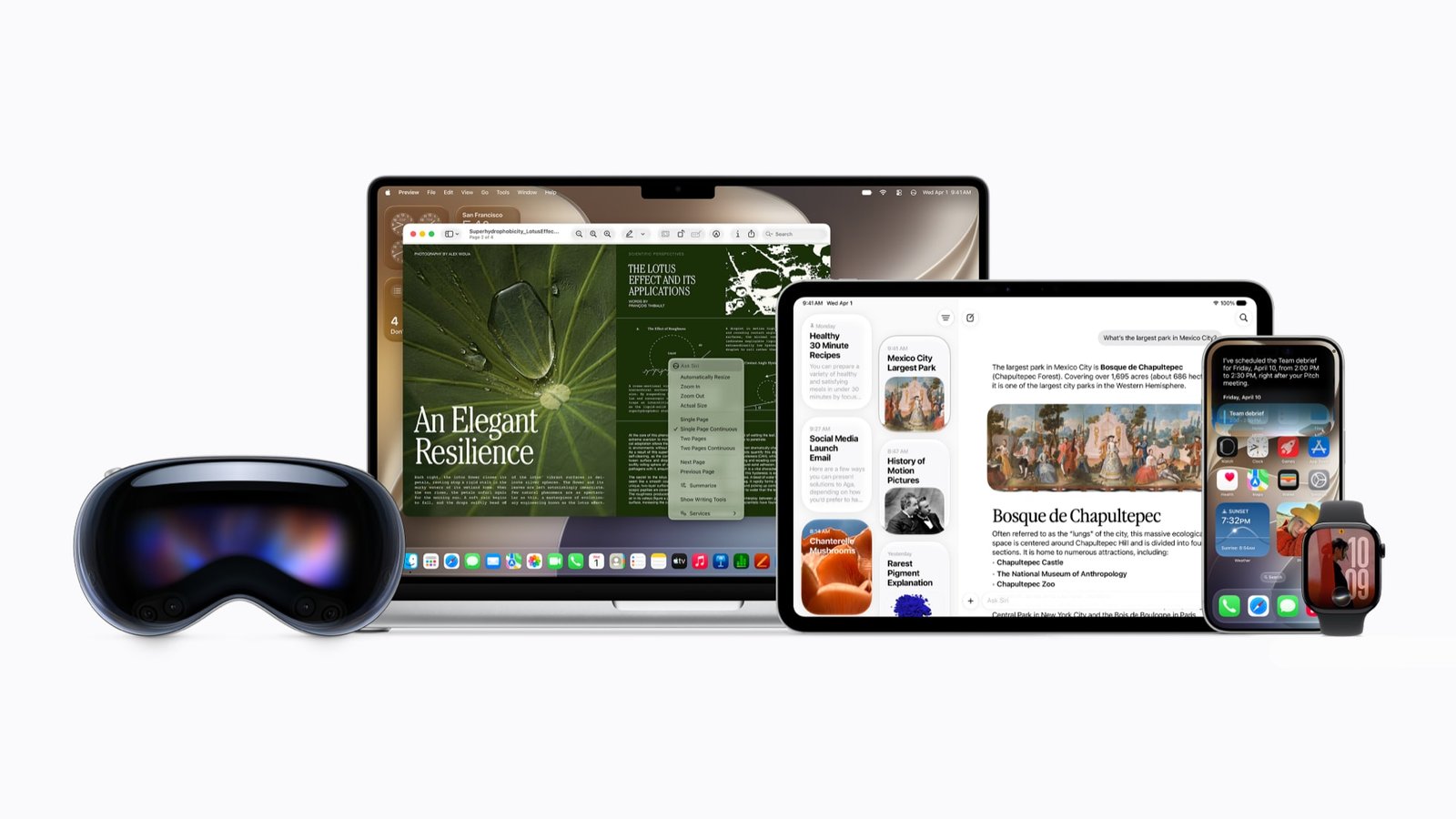
Apple unveiled the next generation of its operating systems:
- iOS 27 / iPadOS 27: Faster app loading (up to 30% quicker), improved Photos app with AI-powered editing tools (natural language requests for edits), customizable camera shortcuts, and broader device support including iPhone 11 and newer. Enhanced cross-platform sharing and Health app updates were also highlighted.
- macOS 27 Golden Gate: A polished update named after the iconic bridge. It drops Intel processor support (focusing fully on Apple Silicon), refines the Liquid Glass UI with a global opacity slider for better readability and consistency, unifies window corners, adds edge-to-edge sidebars, and refreshes icons. Performance and responsiveness see notable gains.
- Other Platforms: watchOS 27, tvOS 27, and visionOS 27 received corresponding updates, including AI enhancements for health coaching, Maps improvements for Vision Pro, and overall ecosystem consistency.
Liquid Glass design elements from previous versions receive additional customization options, striking a balance between aesthetics and usability.
Trust, Safety, and Accessibility
Apple pushes child safety with new tools, child accounts, and parental controls. Broader accessibility features and privacy protections were showcased, reinforcing Apple’s commitment to a trusted platform.
Developer Tools and AI Integration
For developers, new frameworks like Core AI allow integration of on-device AI models. Updates to Xcode, SwiftUI, and other tools were detailed in sessions throughout the week. Apple Intelligence APIs open up more possibilities for apps to leverage the new capabilities responsibly.
No Hardware Announcements
True to WWDC tradition, the event stayed software-centric. No new devices, such as a refreshed Apple TV or M5 Macs, were unveiled on stage, though rumours had circulated beforehand.
Developers and users can dive into betas now via the Apple Developer site.