

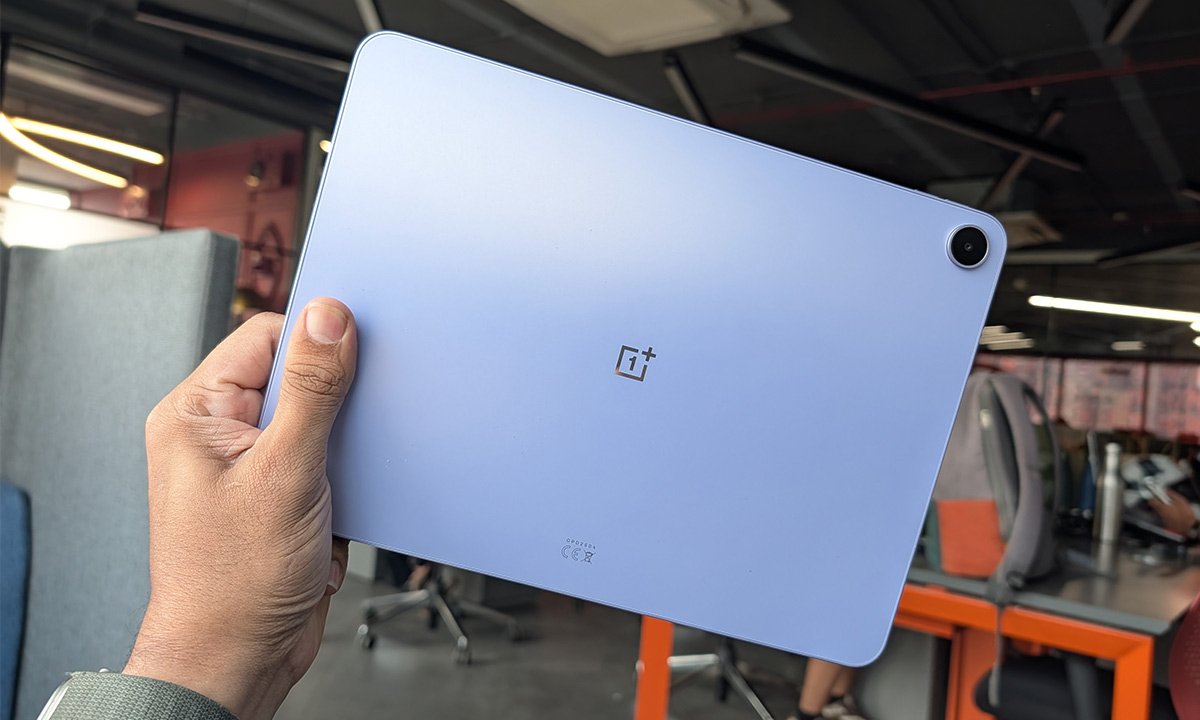
There’s something quietly refreshing about the OnePlus Pad Go 2. In a market where tablets swing between dirt-cheap mediocrity and premium excess, OnePlus has planted its flag squarely in the sensible middle. Set to launch in India on December 17, the Pad Go 2 doesn’t pretend to replace your laptop or compete with iPads costing twice as much. Instead, it tries to get the basics spectacularly right, and that restraint is what makes it compelling.
The Screen Is the Selling Point
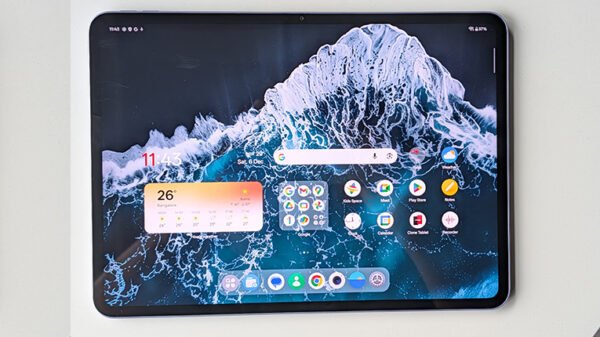
The centrepiece here is undoubtedly the display. A 12.1-inch 2.8K panel with 284PPI, Dolby Vision support and a claimed peak brightness of 900 nits makes it one of the more serious screens in its likely price bracket. This is a tablet that clearly wants to be your main content consumption device. Netflix, YouTube, Hotstar, and more should look stunning on it. If OnePlus sticks to its usual colour tuning philosophy, expect visuals that are rich without looking artificial.
Also Read: OnePlus 15 Review: Performance That Never Misses a Beat
More Than Just a Binge Machine
OnePlus has also confirmed support for its Stylo stylus, and that transforms the Pad Go 2 from a passive entertainment slab into a creative and productivity tool. Whether you’re jotting meeting notes, sketching ideas or marking up PDFs, stylus support significantly expands what this device can do. The inclusion of TUV Rheinland Smart Care 4.0 certification also suggests OnePlus is concerned about long-term eye comfort.
Power Where It Matters
Powering the Pad Go 2 is the MediaTek Dimensity 7300. It’s not a flagship chip, and that’s perfectly fine. Tablets don’t need brute-force performance; they need efficiency and stability. This chipset should comfortably handle everyday tasks, from app switching to gaming at reasonable settings. Backed by 8GB RAM and 256GB storage, it sounds more like a tablet built for longevity than spec-sheet flexing.
Multitasking, the OnePlus Way
OnePlus’ Open Canvas continues to be one of Android’s better multitasking implementations, and on a 12.1-inch display, it finally makes proper sense. This isn’t half-baked split-screen that feels like homework; it’s intuitive, smooth, and genuinely useful. Running two apps side by side or floating windows isn’t just possible; it’s practical. If you plan to work from your tablet even occasionally, this feature alone could be worth choosing the Pad Go 2.
Software Is Still the Secret Sauce
Running OxygenOS 16 based on Android 16, the software experience is expected to be one of the tablet’s biggest strengths. OxygenOS remains clean, fast, and mercifully free from gimmicks. If OnePlus backs this with consistent updates, the Pad Go 2 could age far better than most Android tablets in this category.
Connectivity Over Cameras
5G support is an underrated feature here. It quietly adds serious versatility, whether you’re streaming on the move or working from a café without Wi-Fi. As for the camera, OnePlus has gone minimal with a single rear unit, and that’s a wise decision. Tablets aren’t cameras; they’re canvases.
Understated, Not Underwhelming
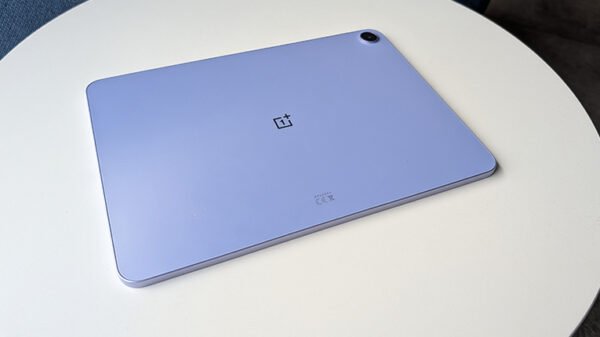
In Purple, the Pad Go 2 won’t scream for attention. But that’s kind of the point. It looks designed to blend into life without trying to be flashy. And sometimes, quiet confidence is better than chrome accents.
Playing the Long Game
The OnePlus Pad Go 2 doesn’t chase headlines. It chases usability. It doesn’t look desperate to impress with gimmicks, but instead with balance. And in a market full of excess, that confidence may turn out to be its biggest strength.